How to recover
Mine ransomware files
from Windows
Recover your Mine ransomware files on Windows 10 or 11 easily. Follow our expert-tested methods to regain access to your important data in minutes.

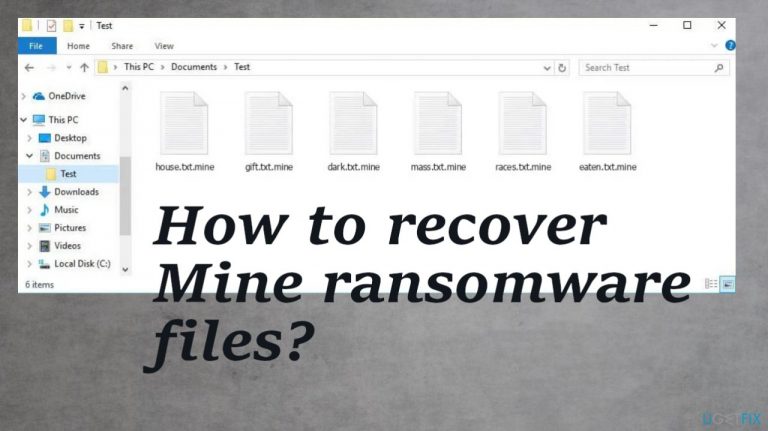
What leads to How to recover Mine ransomware files?
- Ransomware infection locks files with .mine extension
- Infection alters system data and functions
- Ransomware demands payment in Bitcoin
- Cybercriminals provide no guarantee for file recovery
- Threat is related to the Djvu ransomware family
- Decryption keys may be offline or online
Repairs Windows system files, removes malware, and restores a clean OS state — without reinstalling.
I heed help with .mine appendix. It comes after the normal .jpg and the name of my photos. But these issues are related to the locking of all of my data. This is the ransomware, yes? How can I solve this issue myself without paying or a decryption tool?
An infection like this locks all common files. That includes documents, audio, video, archives, and other data that may seem commonly used and valuable. These ransomware threats, like the Mine file virus can affect various formats, but it does not damage system data directly during encryption processes.
These infections that focus on file-locking, so the reason for ransom demands is clear, can also damage the system data and functions to keep the virus running. You see locked data and the _readme.txt ransom message from cybercriminals directly, but the infection is active in the background.
Mine ransomware can alter system data and functions to keep the threat persistent and keep file recovery options or security tool processes at a minimum. The virus damages functions and disabled programs to keep the machine slow and is not useful for data recovery. This is why you need to have alternate tools.
The payment is in Bitcoin, and the offer for the discount of $490 may encourage you to think about that. However, this is not a solution, and victims should never pay because criminals do not guarantee the proper file recovery. This is the threat that needs to be removed firsthand.
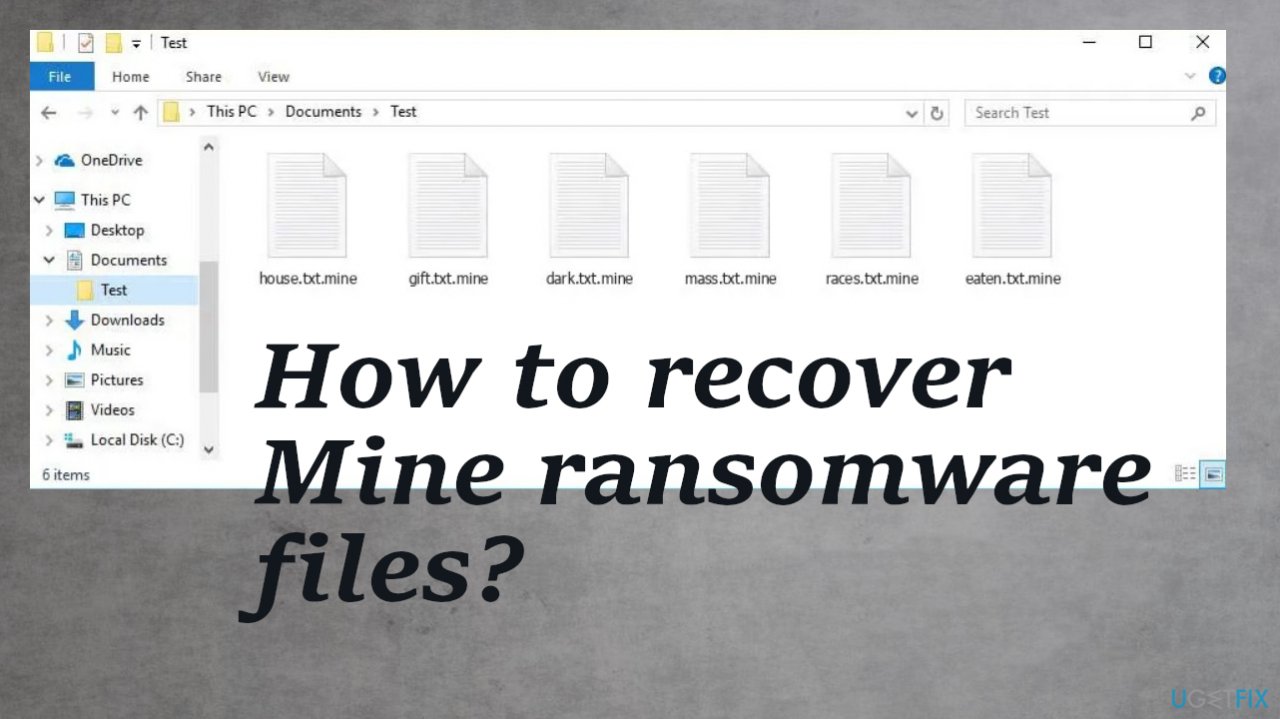
1. Try the decryption option
The threat is related to the Djvu ransomware family that is known since 2018. These versions are dangerous and often updated, so operating with advanced methods and techniques. These threats can be intrusive and are not decryptable for a while. This newest Mine file virus included.
The decryption is related to the usage of offline or online keys during the encryption process. The procedure involves the connection to the C&C server[ref en-1] and the formation of a unique key needed later in decryption. Offline keys are used when the connection fails and gets used on many devices affected by the same version.
The online keys are more used because those are unique for each device when the same version is affecting machines. You can still check the particular option to decrypt files by scanning the machine with a decryption application.
- Download the app on official Emsisoft website.
- Once decrypt_STOPDjvu.exe shows up – click it.
- Follow the steps on the screen.
- The tool should locate the affected folders.
- You can also do it by pressing Add folder at the bottom.
- Press Decrypt.
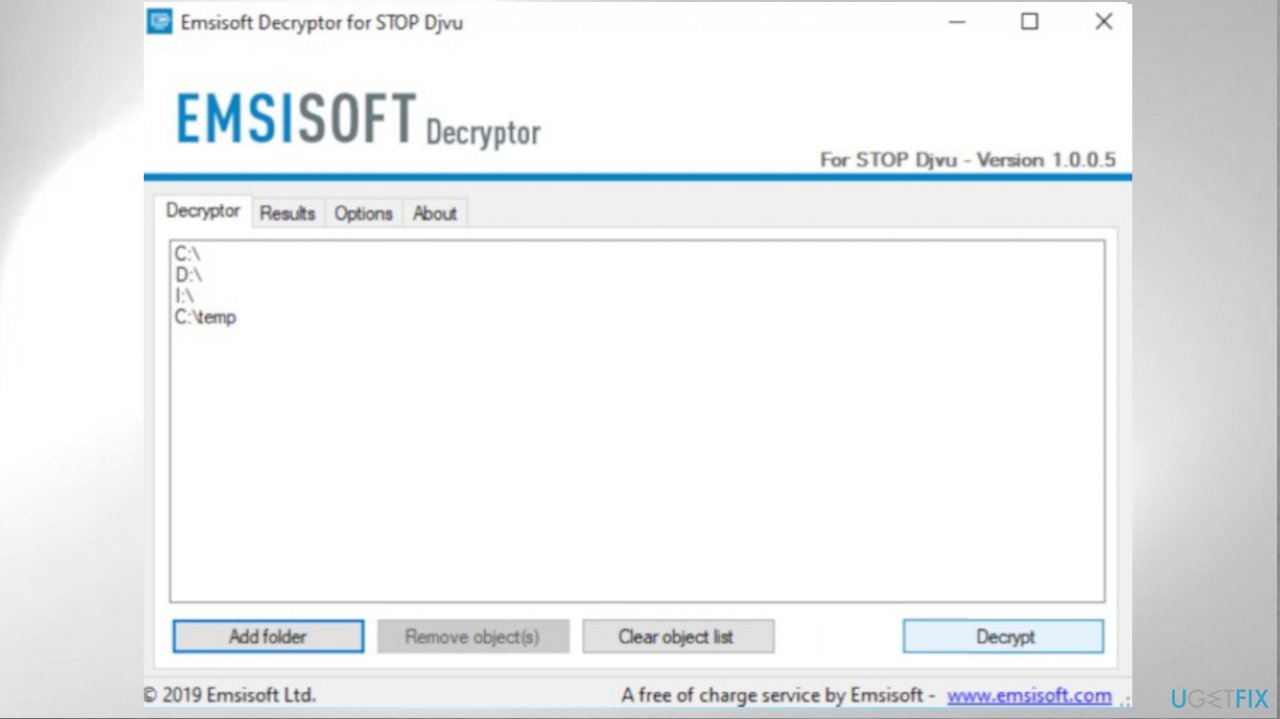
Mine ransomware file recovery emsisoft - There are particular results that can occur indicating if the decryption is possible.
2. Remove the active virus
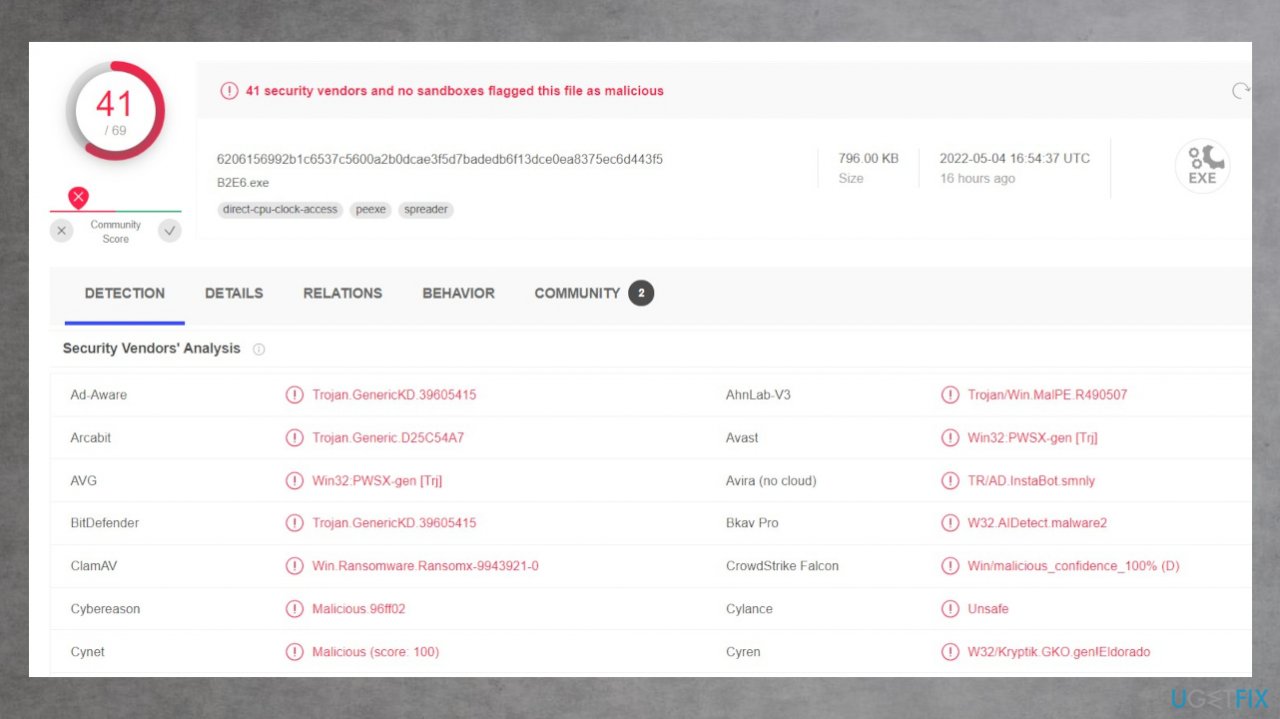
The ransomware needs to be removed before you do anything else because the virus can affect newly added files and other parts of the machine to a significant state where the machine is damaged and procedures are affected. Mine ransomware virus can trigger additional installs or be delivered via the vector like trojans[ref en-2] and other malware.
Threats need to be properly terminated with anti-malware tools because these detection[ref en-3] based applications can find and remove the infection properly and detect other files or malware creating issues with the machine. These procedures are not the same as decryption or recovery, so you should move on with the tips below.
3. Restore affected system files
- Install [d1].
- Run the full system scan and wait for the complete analysis.
- Follow the on-screen steps.
- Allow the machine to get checked.
- Check the Summary.
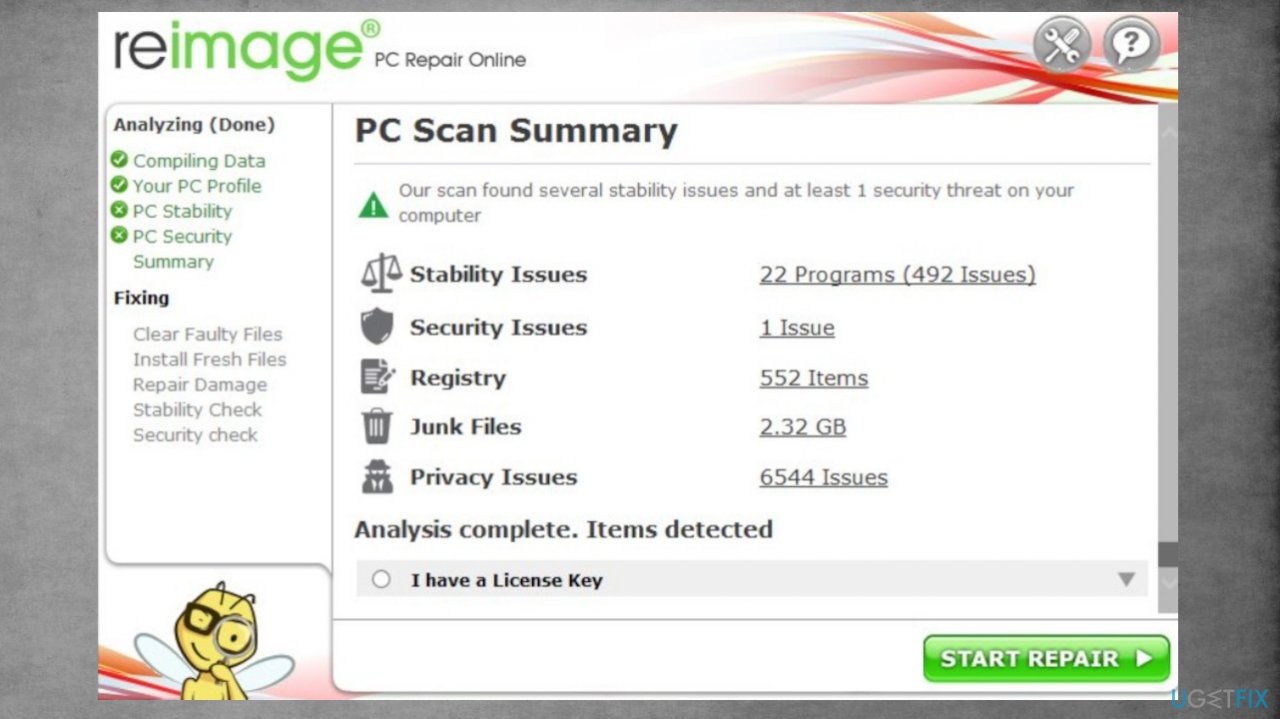
Mine ransomware file recovery reimage - You can fix issues manually from the list.
- Purchasing a licensed version can help repair serious issues.
4. Recover files using proper software
- Get a tool like [rev id="Data Recovery Pro"] from a trustworthy source.
- Follow installation instructions.
- Once that is finished, use the application.
- Select Everything or pick individual folders to recover.
- Press Next.
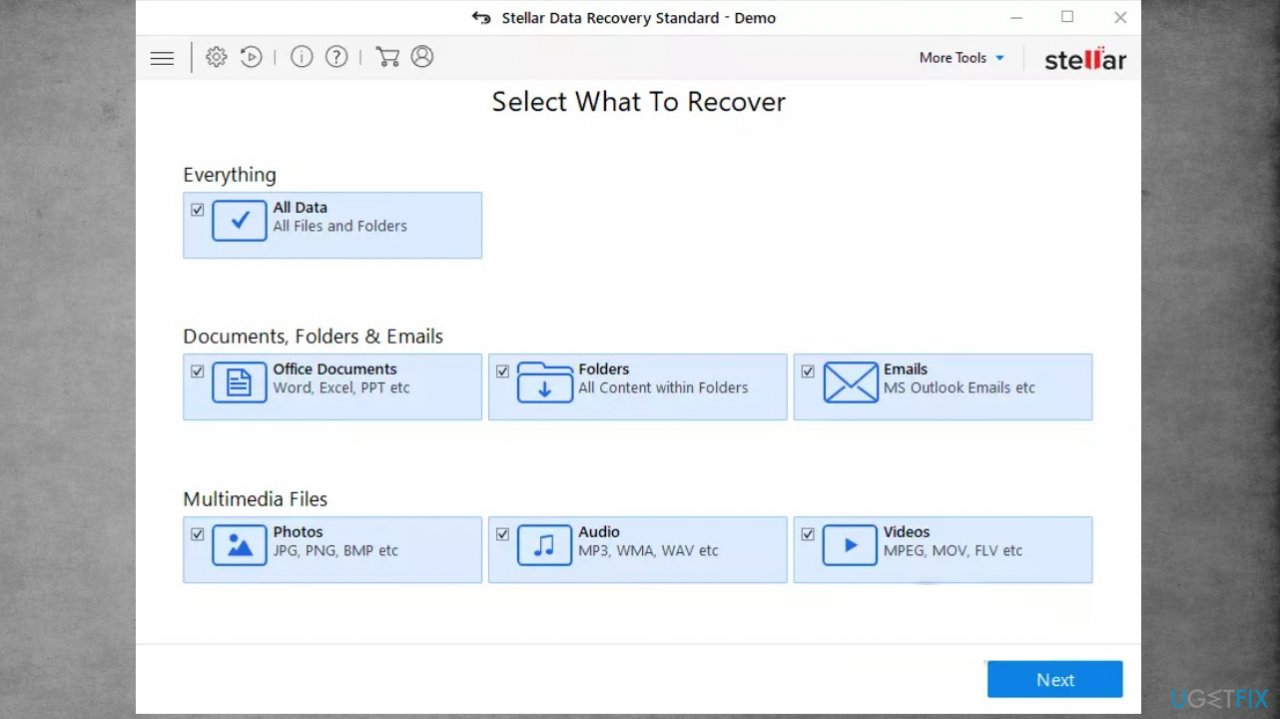
Mine ransomware file recovery recover - Enable Deep scan at the bottom.
- Pick which Disk you want to be scanned.
- Scan.
- Hit Recover to restore files.
Bottom line
To recover files affected by Mine ransomware, try using decryption options or alternate recovery tools. It is crucial to remove the ransomware threat first and avoid paying the ransom. If these methods do not work, consider seeking professional help.
Frequently asked questions
Immediately disconnect your device from the internet to prevent further encryption and then use a reputable antivirus program to scan and remove the ransomware. After that, consider using a data recovery tool to attempt to restore your lost files.
While there are no guaranteed methods to decrypt Mine ransomware files, you can check for available decryption tools from cybersecurity firms that may help recover your files. Additionally, restoring from a backup is often the best solution if you have one.
Yes, if you have a system restore point created before the infection, you can restore your system to that point, which may help recover lost files. However, this will not decrypt the files that have already been encrypted.




Report an issue
What's wrong with this guide? We review every report and update or remove content.
Report received — thank you. We'll review and fix it.
You need a free account to submit a report.
Be the first to comment