How to fix
High CPU and disk usage by Microsoft Office SDX Helper
on Windows
Resolve high CPU and disk usage caused by Microsoft Office SDX Helper on Windows 10 or 11 with our expert-tested solutions. Fixed in minutes!

![[Fix] High CPU and disk usage by Microsoft Office SDX Helper](https://ugetfix.com/wp-content/uploads/articles/askit/fix-high-cpu-and-disk-usage-by-microsoft-office-sdx-helper_en-768x432.jpg)
What causes [Fix] High CPU and disk usage by Microsoft Office SDX Helper?
- Corrupt Office installation
- Outdated Office installation
- Antivirus interference
- High CPU usage by sdxhelper.exe
- Excessive disk usage by SDX Helper
Repairs Windows system files, removes malware, and restores a clean OS state — without reinstalling.
Hello. I noticed that the Microsoft Office SDX helper is using sometimes up to 70% of my CPU power when I am not even using it. It is causing my PC to heat up and I cannot seem to find a solution, as it keeps reappearing every time I end the task. Any suggestions would be appreciated.
Microsoft Office is an applications package, servers, and services for the Microsoft Windows operating system. This includes Microsoft Word - a text editing program, Excel - an electronic spreadsheet, Outlook - an email client, PowerPoint - a program for preparing presentations, and many other services.
Unfortunately, sometimes users experience some issues caused by Microsoft Office, like high CPU[ref en-1] and disk usage by SDX Helper. This process is used to securely download and update Office. Some people report experiencing up to 70% of CPU usage by sdxhelper.exe, and it caused their PCs to use fans at high intensity.
A CPU (central processing unit) is the brain of the computer that performs basic arithmetic, logic, controlling, and input/output operations specified by the instructions in the program. When the CPU usage reaches too high, the workstation might physically heat up as it strains to perform tasks, and you will be worried that it could crash the system.
This could be a result of many different things, for example, a corrupt or outdated Office installation. Another possibility is that your antivirus application is messing up with the process, so we recommend trying to temporarily disable your security software to see if it is at fault.
Troubleshooting manually could take a while because it is unclear what is causing the issue, so you can try using an automatic solution [d1] to avoid going through all of the possibilities. The repair tool can identify the damaged system components, fix BSODs,[ref en-2] and registry issues by scanning the system. This software could also be used to free up space by clearing cookies and cache,[ref en-3] which should boost the device's performance.
Below you will find a few manual methods that could fix the high CPU and disk usage by Microsoft Office SDX Helper. Note that this will take a while, so please follow all of the steps very carefully:
Method 1. Check for Windows Updates
- Open your Start menu and type in Settings
- Choose Update & Security and then Windows Update
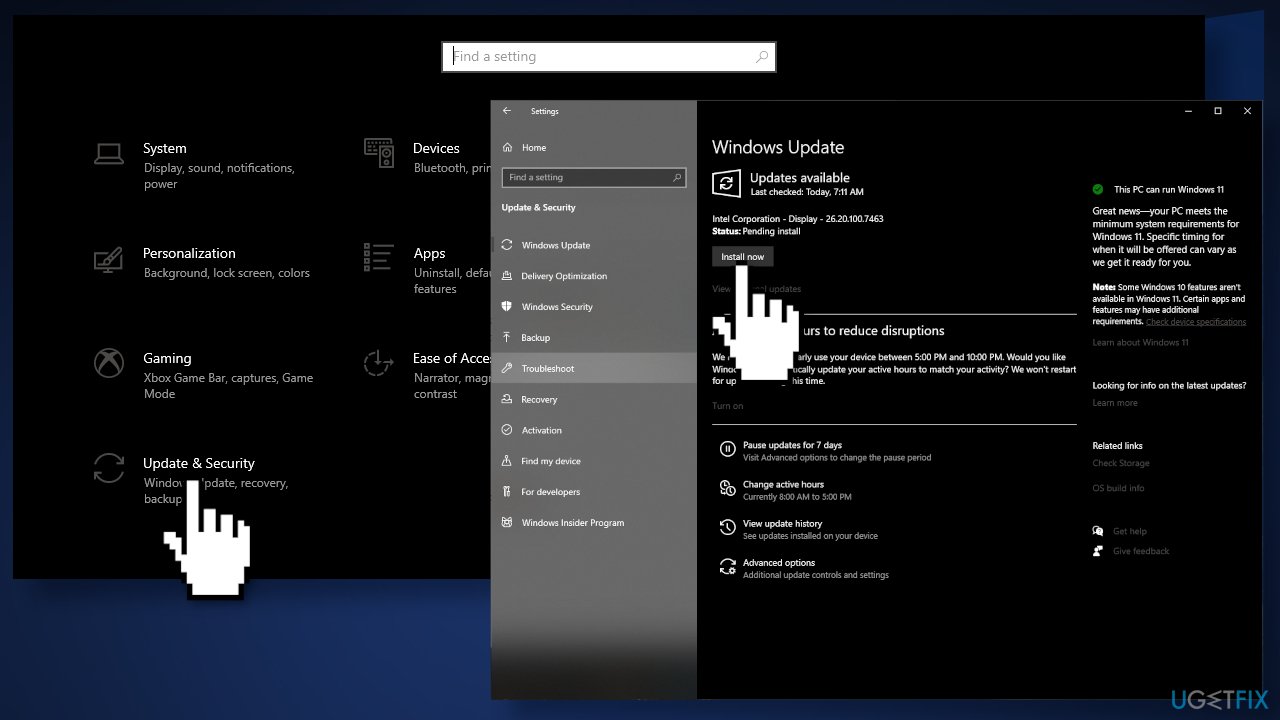
- Click the Check for updates button, and install the available updates
Method 2. Update Office
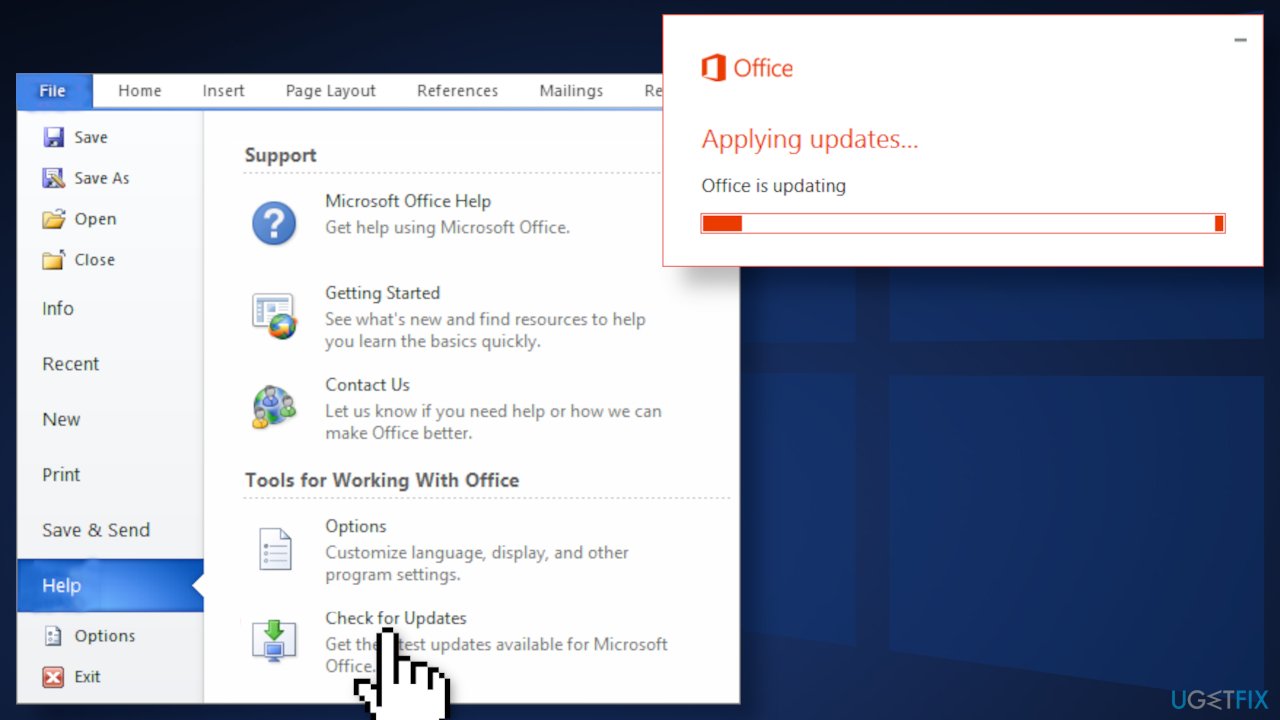
- Launch Office
- Click on More and open Account
- Click on Update Options and select Update Now
Method 3. Repair your Office Program
- Hit the Windows key and open Settings
- Now select Apps and then expand the office installation
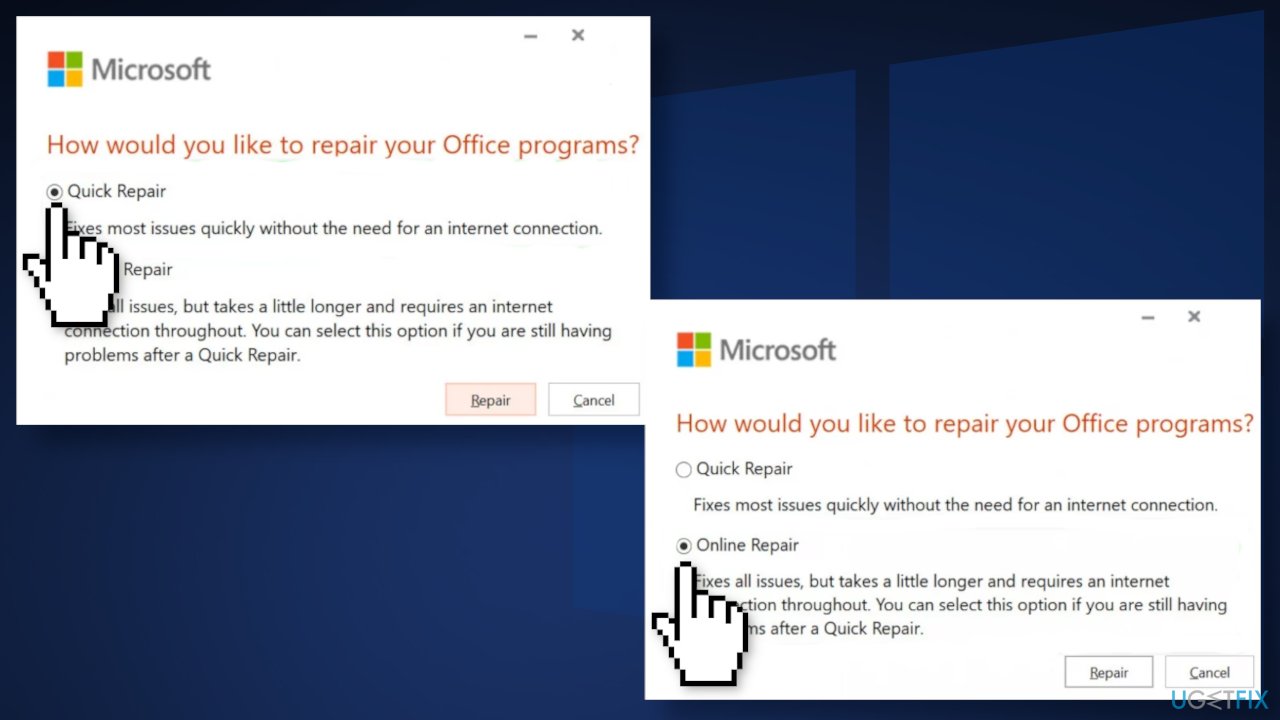
- Click on Modify (click Yes if UAC prompt received) and select Quick Repair
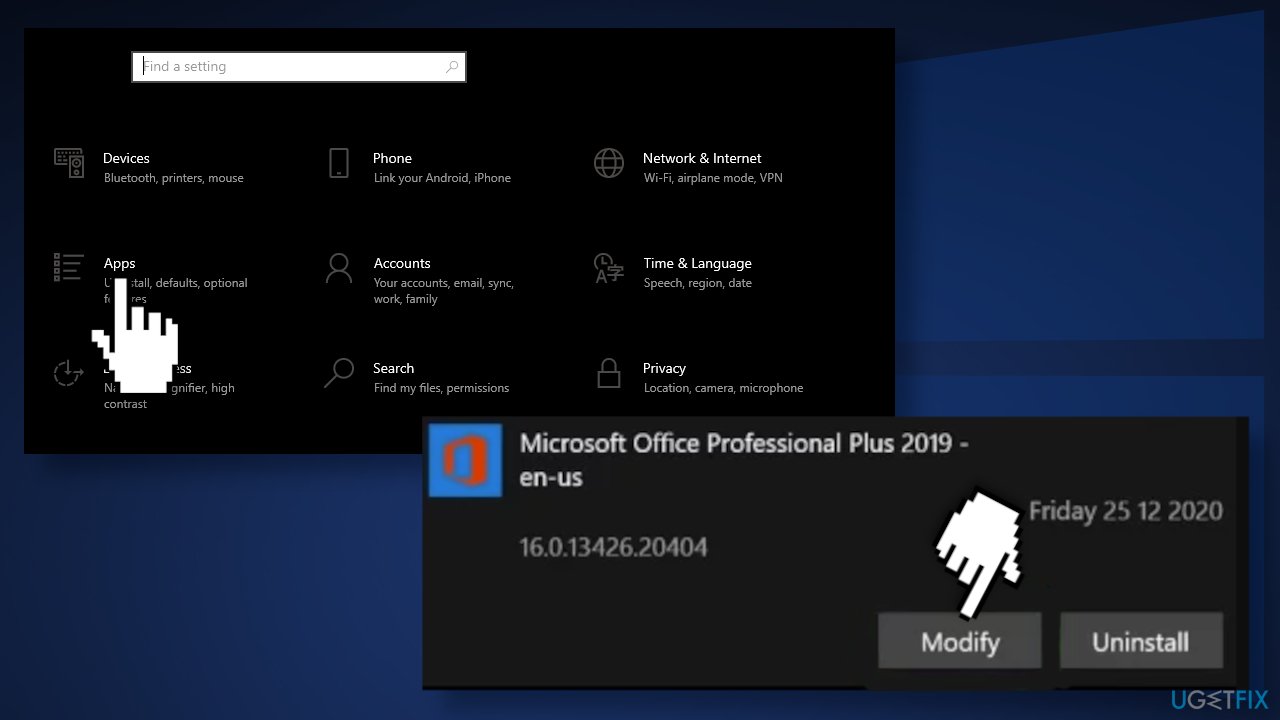
- Click on the Quick Repair button and wait for the completion of the repair process
- Check if the issue is resolved
- If not, repeat the steps but this time choose Online Repair
Method 4. Clear the Office Document Cache
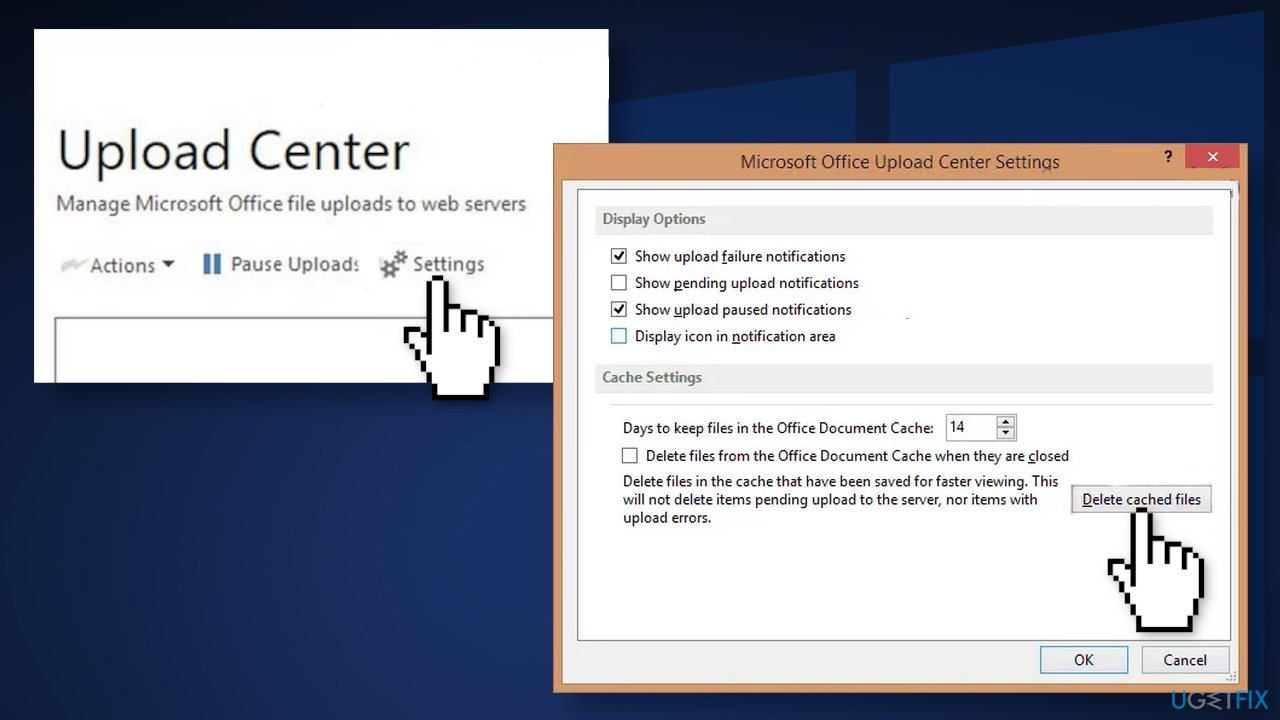
- Launch the Office Upload Center (either from the system’s tray or the Start menu) with administrative privileges and open its Settings
- Now click on Delete Cached Files
- Restart your PC
Method 5. Disable Office Feature Updates via Task Scheduler
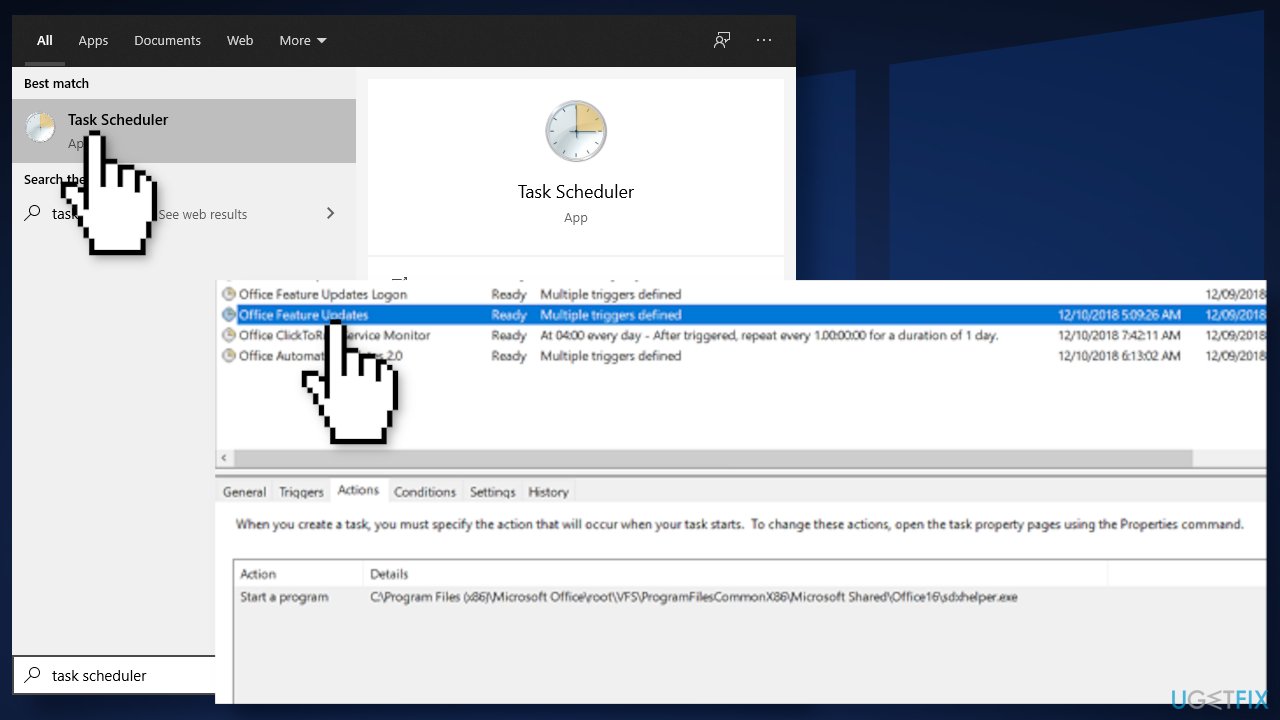
- Hit the Windows key and in the Windows Search, type Task Scheduler. Now select Task Scheduler
- Navigate to the following path:
Task Scheduler Library > Microsoft > Office
- Right-click on Office Feature Updates and select Disable
- Repeat the same to disable the task of Office Feature Updates Logon
- Exit the Task Scheduler and restart your PC
Method 6. Rename the SDX Helper File
- Right-click on the Windows button and choose Run
- Copy the address and paste it in the Run box:
%programfiles%\\Microsoft Office\\root\\vfs\\ProgramFilesCommonX64\\Microsoft Shared\\OFFICE16
- Right-click on the Taskbar and choose Task Manager
- In the Task Manager window, right-click on the process of sdxhelper.exe (in the Details tab) and choose End Task
- Switch to the window of the Office16 folder
- Right-click on sdxhelper.exe and select Rename
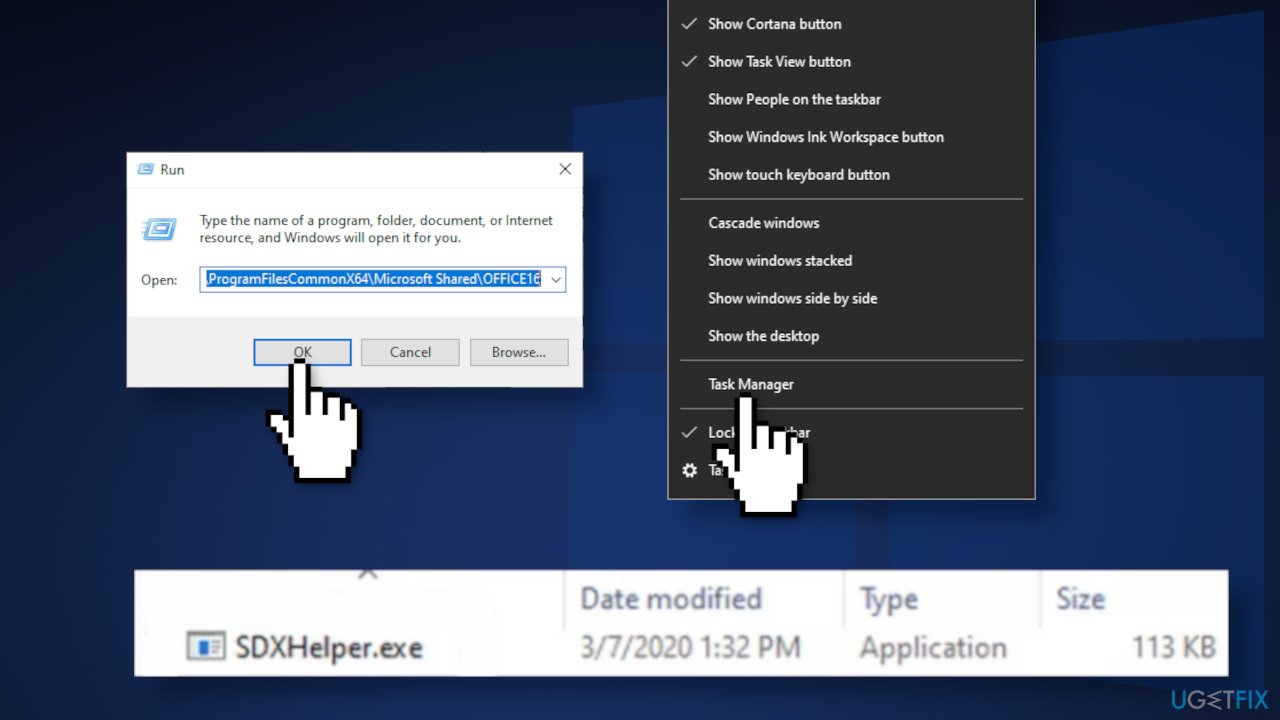
- Enter the name for the file and hit Enter. Make sure to rename the file extension too, for example, sdxhelper1.old.
- Check if the problem is still there
Method 7. Reinstall Microsoft Office
- Hit the Windows key and open Settings
- Select Apps and expand your office installation
- Click on the Uninstall button and confirm by clicking on Uninstall
- Follow the on-screen instructions
- Now uninstall any other office products or language packs (if you are using Office 365, then make sure to uninstall Skype for Business)
- Restart your PC and right-click on the Windows button
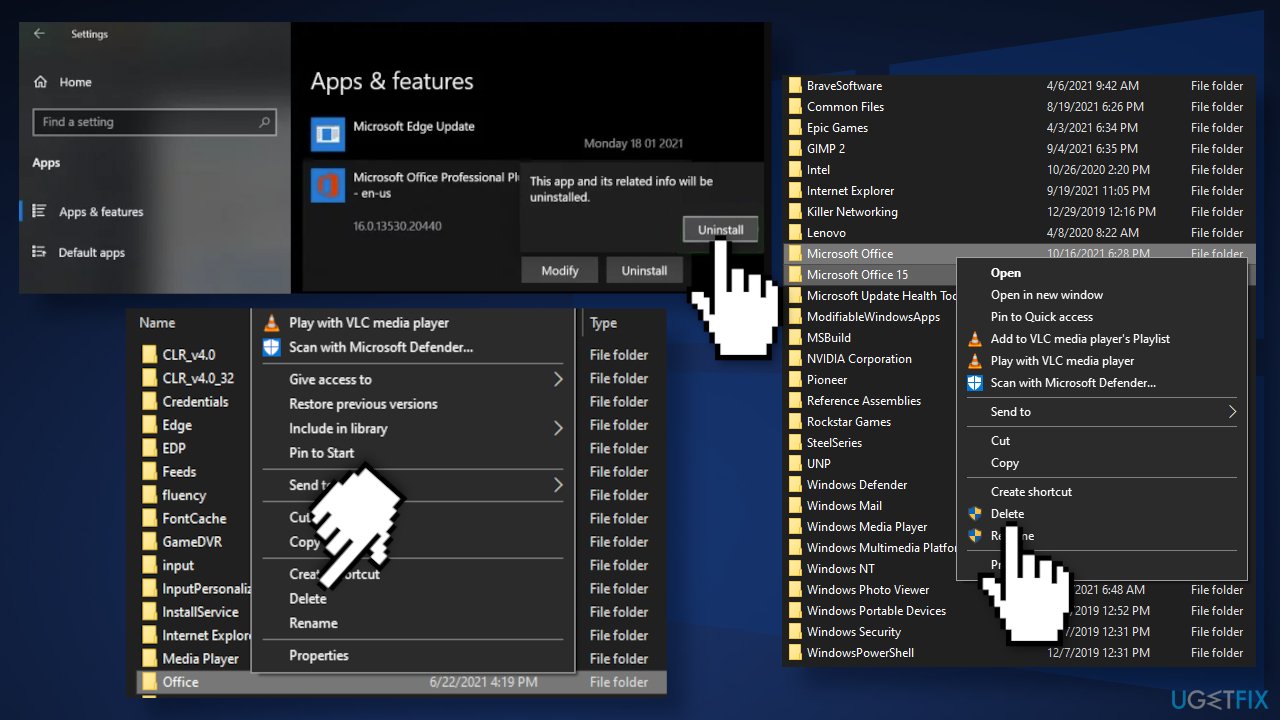
- Select Run and navigate to the following path:
\\Users\\%Username%\\AppData\\Local\\Microsoft\\
- Delete the Office folder and any other folder related to Office (like Word, Excel, etc.)
- Navigate to the following path:
%programfiles%
- Delete Microsoft Office and Microsoft Office 15
- Download the Office from the user portal on the Office 365 website and install it
- Check the CPU usage
Bottom line
To address high CPU and disk usage by Microsoft Office SDX Helper, you can try temporarily disabling your antivirus software, repairing your Office installation, or using an automatic repair tool. If these methods do not resolve the issue, consider further troubleshooting or seeking additional support.
Frequently asked questions
You can try disabling the SDX Helper service by going to Task Manager, finding the SDX Helper process, and ending it. Additionally, ensure that your Office applications are updated to the latest version to minimize performance issues.
You can resolve this by disabling the service through the Windows Services app or by modifying the startup settings for Microsoft Office. Also, consider repairing your Office installation via the Control Panel for optimal performance.
Yes, disabling Microsoft Office SDX Helper is generally safe and should not affect your Office functionality, but keep in mind that it may impact certain background tasks related to Office updates.



Report an issue
What's wrong with this guide? We review every report and update or remove content.
Report received — thank you. We'll review and fix it.
You need a free account to submit a report.
Be the first to comment