How to fix
DRIVER_IRQL_NOT_LESS_OR_EQUAL (Epfwwfp.sys) Error
on Windows
Resolve DRIVER_IRQL_NOT_LESS_OR_EQUAL (Epfwwfp.sys) errors on Windows 10 and 11 swiftly. Effective solutions guaranteed with expert-tested methods.

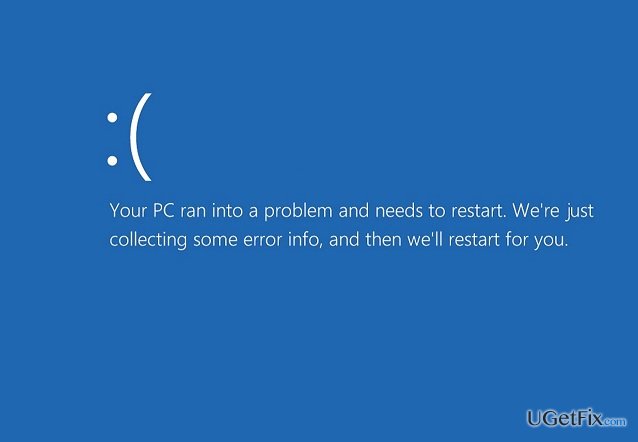
What causes How to Fix DRIVER_IRQL_NOT_LESS_OR_EQUAL (Epfwwfp.sys) Error on Windows?
- Malfunctioning epfwwfp.sys file
- ESET antivirus issues
- Driver failure during system boot
- Error triggered by everyday tasks like installing programs or playing games
Repairs Windows system files, removes malware, and restores a clean OS state — without reinstalling.
Please tell me if it’s a serious problem to get BSOD when booting the laptop? I assume that it is… This happens several times a week. The title of this blue screen says: DRIVER_IRQL_NOT_LESS_OR_EQUAL (epfwwfp.sys). After a minute or two, the diagnostic window shows up, but in the final it says nothing except to restart the system.
DRIVER_IRQL_NOT_LESS_OR_EQUAL (Epfwwfp.sys) is a BSOD (Blue Screen of Death), which is triggered by malfunctioning epfwwfp.sys file. Although it typically shows up on PCs and laptops running Windows 8/10, Windows 7, XP, and Vista may also encounter this problem. Epfwwfp.sys or ESET Personal Firewall driver is a constituent of ESET Smart Security. Obviously, the error error window is triggered by ESET antivirus or, in particular, a mulfunction of epfwwfp.sys driver. Sometimes, DRIVER_IRQL_NOT_LESS_OR_EQUAL (Epfwwfp.sys) error shows up when performing everyday tasks, such as installing a new program, playing games, and so on. However, this error usually occurs when booting the system. Luckily, it’s not difficult to fix DRIVER_IRQL_NOT_LESS_OR_EQUAL (Epfwwfp.sys) error, so we will briefly explain how to do that.
How to Fix DRIVER_IRQL_NOT_LESS_OR_EQUAL (Epfwwfp.sys) Error on Windows?
DRIVER_IRQL_NOT_LESS_OR_EQUAL (Epfwwfp.sys) error emerges due to the failure of ESET driver, which starts automatically along with the Windows system. Therefore, one of the solutions would be to remove Epfwwfp.sys file. To do so, boot up your system in the safe mode.
- Restart your PC two times in a row so that Windows show you Advanced boot options.
- When Advanced Options window shows up, select Safe Boot.
- After that, click on Windows icon and type cmd to open Command Prompt.
- Right-click on the Command Prompt option and select Run as Administrator.
- Type DEL /F /S /Q /A "C:\Windows\System32\drivers\epfwwfp.sys” in the dialogue box and press Enter.
- Finally, reboot the system.
This command will cause epfwwfp.sys driver removal, what should be sufficient for DRIVER_IRQL_NOT_LESS_OR_EQUAL BSOD Fix.The next step is to Uninstall/Reinstall ESET. For that, you have to:
- Open Task Manager by clicking Ctrl + Alt + Delete simultaneously.
- Find running ESET process, click on it, and select End Task.
- After that, right-click on the Windows icon and select Control Panel.
- Select Uninstall a Program under Programs and locate ESET on the list.
- Click on it and select Uninstall. If you opt for the same antivirus, download it from the official website and install it one from scratch.
If you have reinstalled ESET, but DRIVER_IRQL_NOT_LESS_OR_EQUAL (Epfwwfp.sys) still appears on your device, then we would highly recommend you to install [d1] or another alternative PC optimization tool and run a scan with it. That’s because ESET driver problems may be caused by outdated registries, file leftovers, malware, and similar issues that can be fixed automatically by the program mentioned before. If you did not managed to fix Blue Screen DRIVER_IRQL_NOT_LESS_OR_EQUAL (Epfwwfp.sys), let us know and we’ll try to check your case personally.
Bottom line
To fix the DRIVER_IRQL_NOT_LESS_OR_EQUAL (epfwwfp.sys) error, you can remove the epfwwfp.sys file by booting into safe mode and using Command Prompt. Additionally, uninstalling and reinstalling ESET may resolve the issue. If these solutions do not work, further troubleshooting may be necessary.
Frequently asked questions
This error typically indicates that a driver is trying to access a memory address that it shouldn't, often due to a faulty or incompatible driver.
You can resolve this error by updating or reinstalling the driver associated with Epfwwfp.sys, usually found in the network adapter settings.
To prevent this error, ensure all your drivers are up-to-date and regularly check for Windows updates that might include important driver fixes.




Report an issue
What's wrong with this guide? We review every report and update or remove content.
Report received — thank you. We'll review and fix it.
You need a free account to submit a report.
Be the first to comment