How to fix
LiveKernelEvent 124 error
on Windows
Resolve the LiveKernelEvent 124 error in Windows 10 or 11 efficiently with expert-tested solutions. Get your system running smoothly in minutes!


What causes How to fix LiveKernelEvent 124 error in Windows?
- Outdated driver
- Corrupted system files
- Hardware malfunction
- Incompatible hardware
- Issues with Windows processes
Repairs Windows system files, removes malware, and restores a clean OS state — without reinstalling.
Hello. I have been experiencing crashes on my Windows 10 computer repeatedly. I receive the LiveKernelEvent 124 error every time that happens. What could be the problem?
Windows is one of the most popular operating systems developed by Microsoft. It is used in homes and offices around the world. People love the customization abilities, built-in troubleshooters, and user-friendly interface. However, the customizations sometimes cause the system to fail. Different kinds of hardware manufacturers have to make sure their parts are compatible with other hardware.
When one of the Windows processes or hardware goes rogue, users can experience bugs, lag, and even crashes. Some users have encountered the LiveKernelEvent 124 error. It is unknown what exactly causes this crash. It may appear when users are using certain applications or even seemingly out of nowhere.
Usually, Blue Screen errors disappear once you restart the system but there is no guarantee it will not happen again. That is why you should try to find the root of the problem. It could be an outdated driver,[ref en-1] corrupted system files, or else. Keep in mind, that the issue may be caused by a hardware malfunction so you might not be able to fix it without replacing some parts.
If you want to avoid going through a lengthy troubleshooting process, we recommend using [d1] repair tool to scan your machine and automatically fix damaged system components, errors like BSODs,[ref en-2] and registry issues. The software can also be used for optimization purposes - free up space by clearing cookies and cache,[ref en-3] which should boost the performance.

Below you will find 8 possible solutions for the LiveKernelEvent 124 error. Be sure to go through them carefully and step-by-step:
Method 1. Install Available Updates
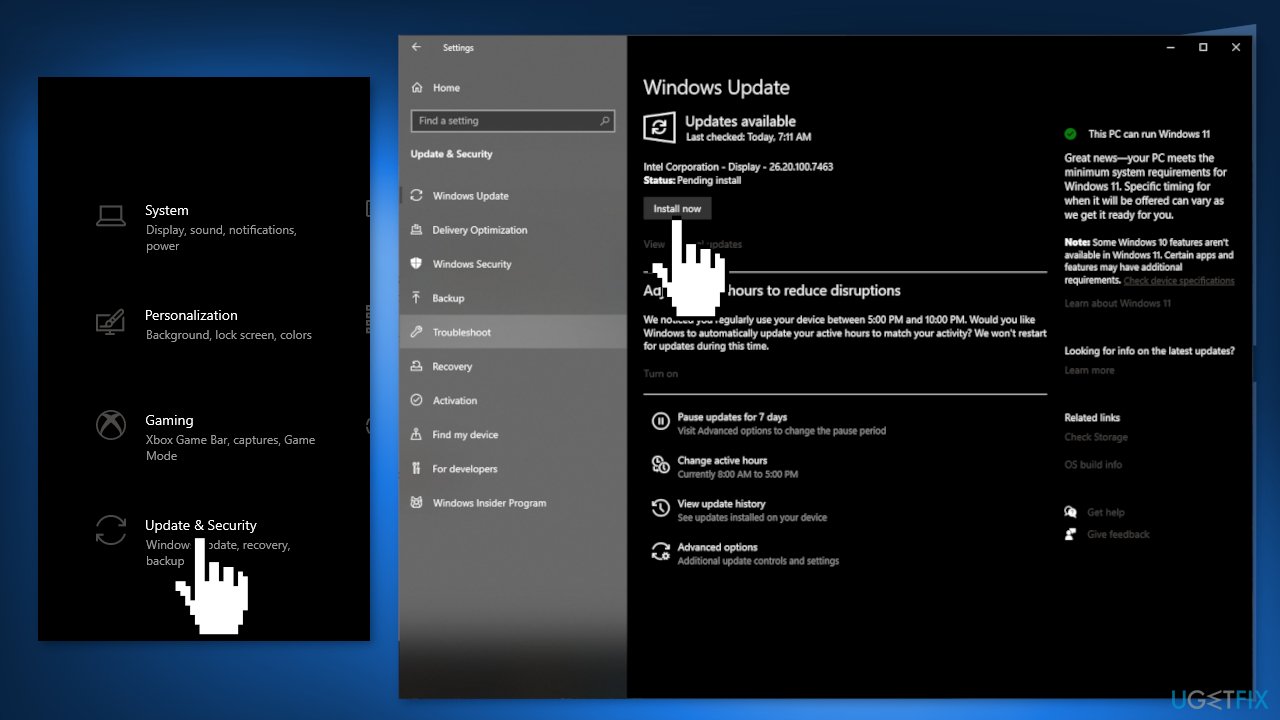
- Click Settings from your start menu and click Updates & Security
- Choose Windows Upgrade from the left panel and click the Check for updates button, and then your computer will check for, download, and install any updates found
Method 2. Run the Hardware and Devices Troubleshooter
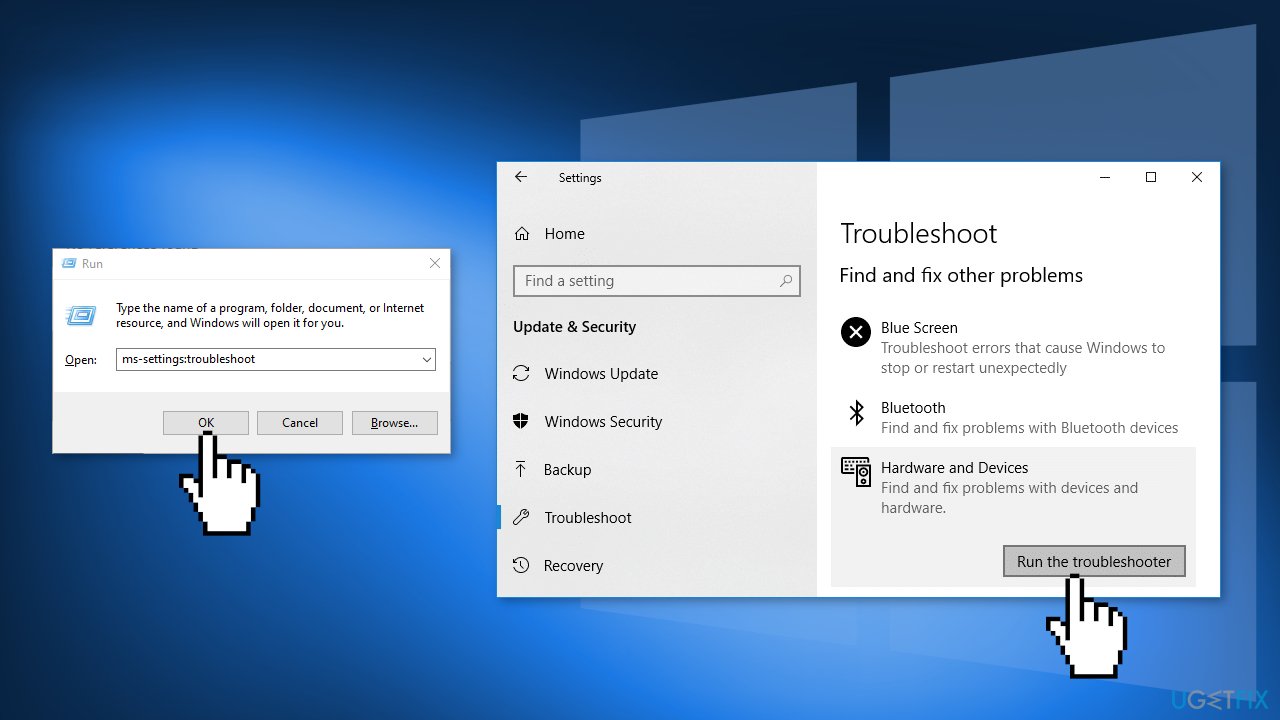
- Open up a Run dialog box by pressing Windows + R
- Type ms-settings:troubleshoot inside the text box and press Enter to open up the Hardware and Device Troubleshooter
- Click on Other troubleshooters from the menu on the right-hand pane
- Scroll under Find and fix other problems, then expand the listing associated with Hardware and Devices, then click on Run the troubleshooter
- Inside the Hardware and Devices troubleshooter, wait patiently until the initial scan is complete
- Click on Enable in order to configure your Windows installation to always search for new driver signatures when new hardware is connected
- Reboot your computer and see if the issue is fixed
Method 3. Repair Corrupted System Files
Running an SFC scan is a good idea to check whether Windows files are not damaged.
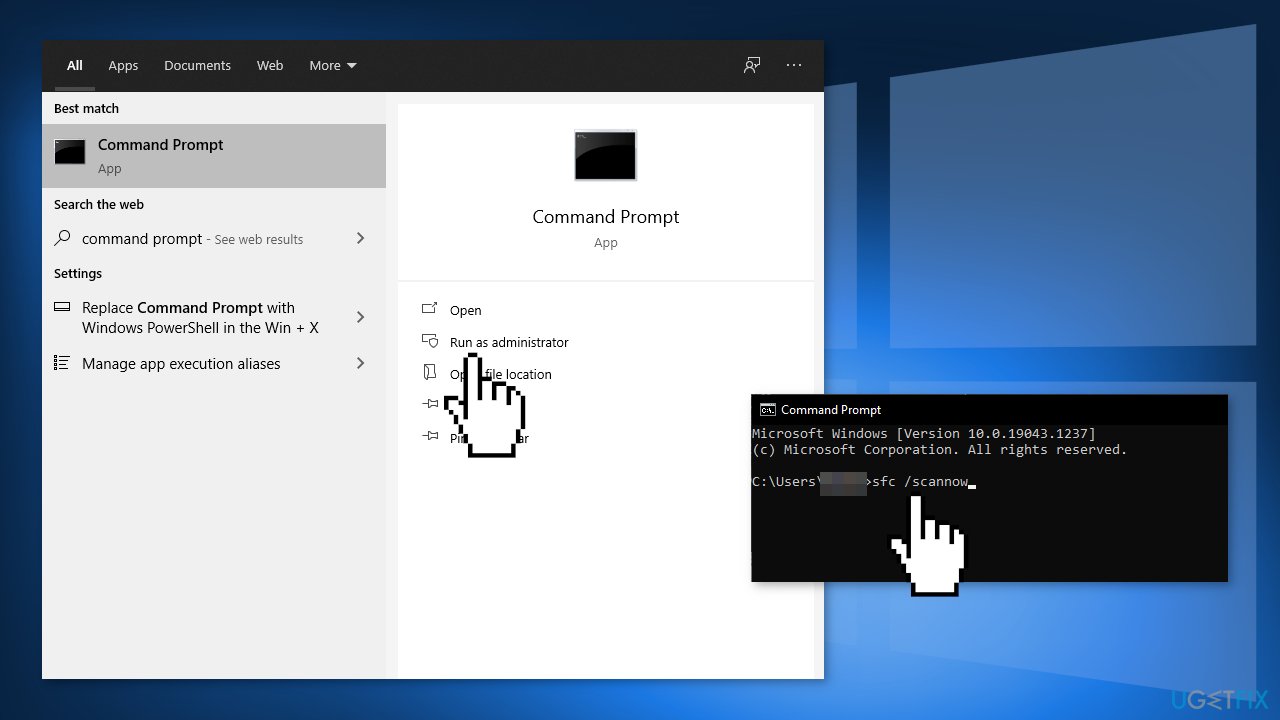
- Open Command Prompt as administrator
- Use the following command and press Enter:
sfc /scannow
- Reboot your system
- If SFC returned an error, then use the following command lines, pressing Enter after each:
DISM /Online /Cleanup-Image /CheckHealth
DISM /Online /Cleanup-Image /ScanHealth
DISM /Online /Cleanup-Image /RestoreHealth
Method 4. Check Disk
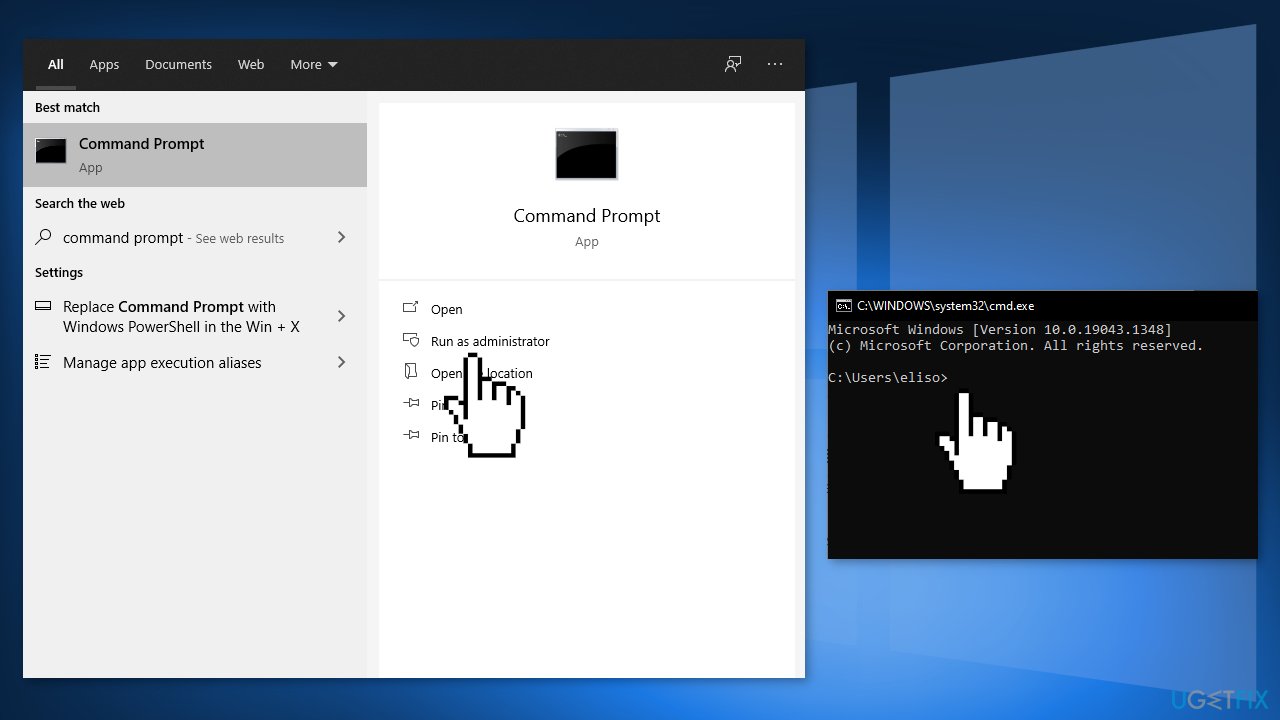
- Ensure that your disk is not damaged. You can perform checks using Administrative Command Prompt:
- If you are using an HDD as your main driver (where your operating system is installed - C: by default), use the following command and press Enter:
chkdsk c: /f - If you are using SSD, use this command:
chkdsk c: /f /r /x - If you receive an error, type in Y and hit Enter
- Restart your device to perform the check
Method 5. Update Graphics Driver
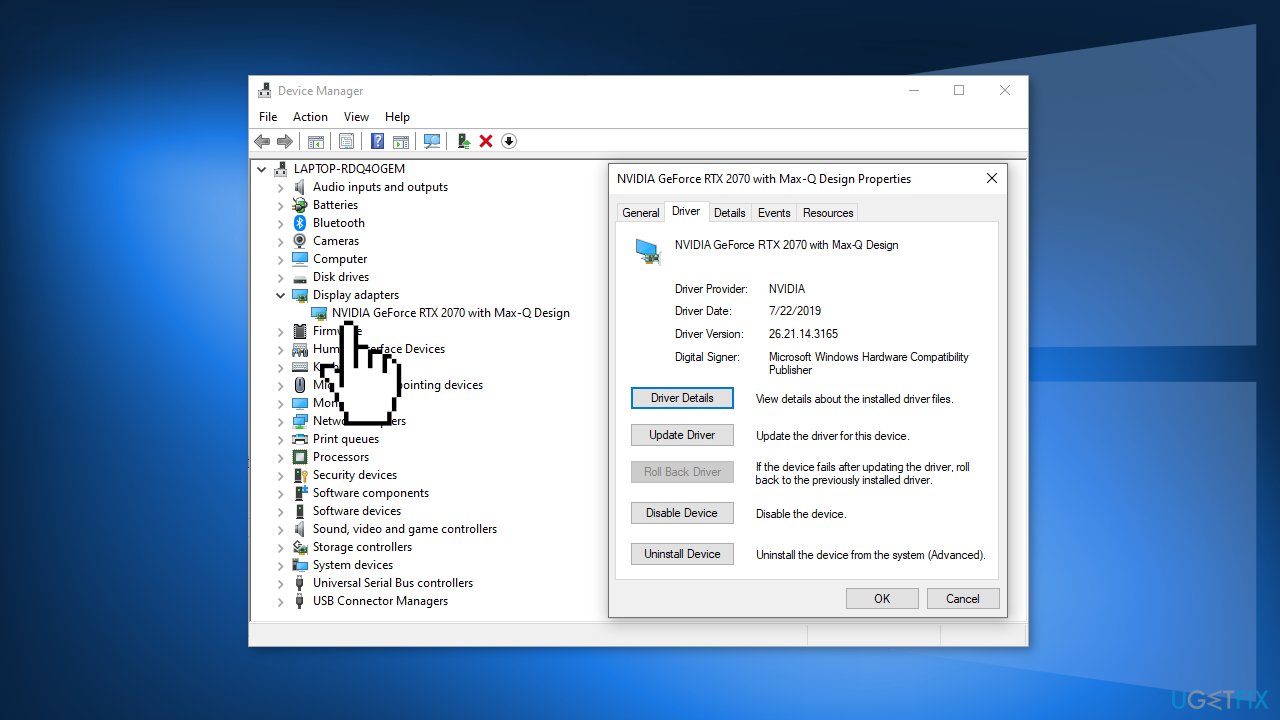
- Right-click on Start and find Device Manager
- Expand Display adapters section
- Right-click on your graphics card and select Properties
- Go to the Driver tab and click Update
- If the update did not get rid of the problem you can select Roll Back Driver and click Yes
- Restart your PC
Method 6. Reinstall Graphics Driver
If rolling back the driver did not work, you should do a clean install of your driver. Here's a quick solution:
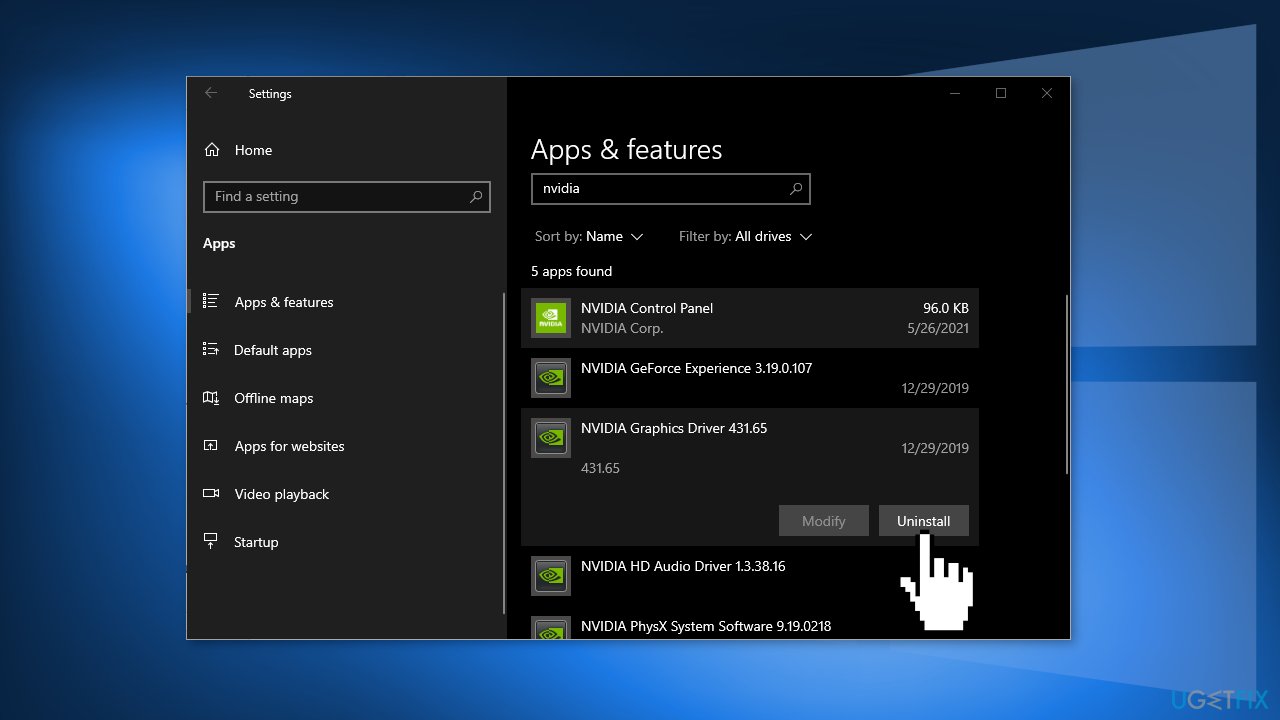
- Right-click on Start and pick Apps and Features
- Scroll down to find your current graphics driver
- Pick Uninstall and then confirm with Uninstall
- Follow on-screen instructions and then reboot your PC
- Now, head to your graphics card manufacturer website and download the latest driver from there or employ an automatic updater such as [rev id="DriverFix"] which can be used to quickly update and backup all your drivers without hassle
Method 7. Check your GPU
Constant crashes might indicate they your graphics card is either dying or is faulty. There is no reliable built-in tool that could diagnose and report GPU failure within the Windows environment, however, a third-party application would be required for this step.
Method 8. Reinstall Windows
If all else fails and you can't even reset your Windows computer, you can reinstall the OS entirely. You won't even need an activation number or any proof of purchase, either. Just make sure you have more than 4GB of space available, as that's how much space the file you'll download takes up. Here's how to reinstall Windows 10:
- Download the ISO file
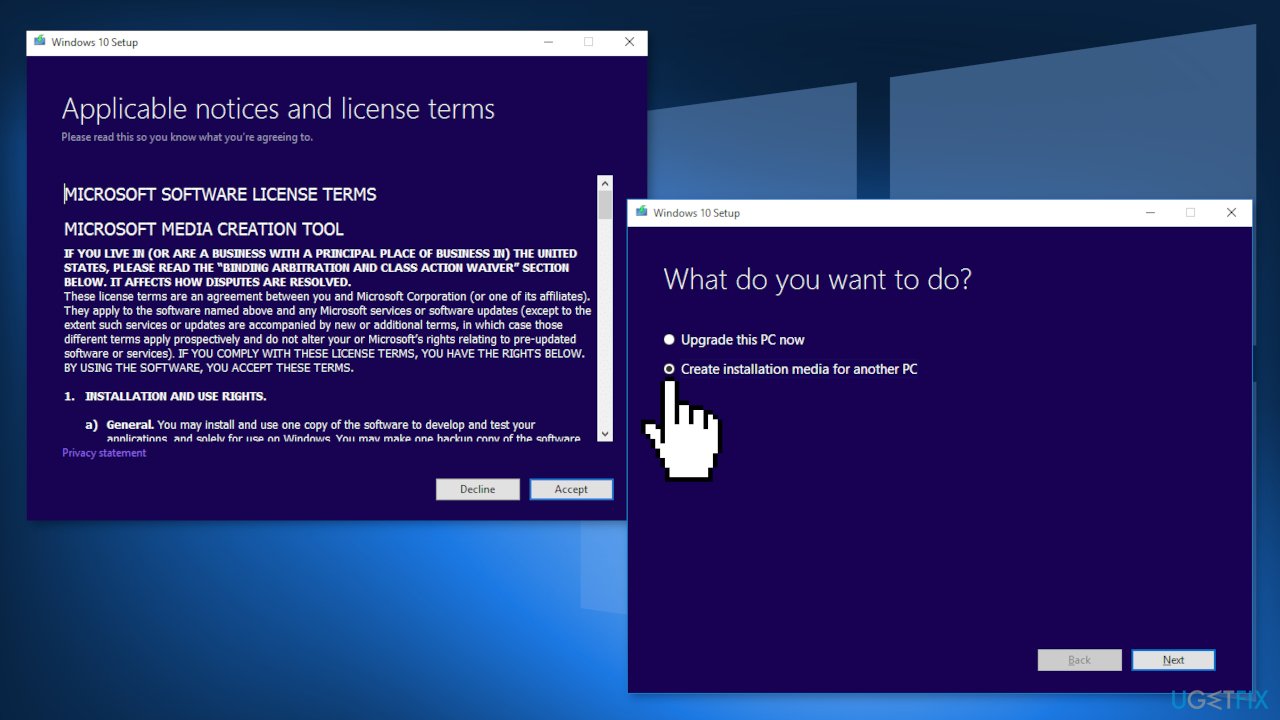
- Select Create installation media for another PC and click Next
- Select ISO file and click Next
- Click Finish
- Open the Windows ISO file you downloaded
- Open Setup and click Next
- Click Accept (Be prepared to wait; this next part may take a while)
- Click Install
- Wait for your system to restart and install Windows
Bottom line
To fix the LiveKernelEvent 124 error, you can try installing available updates, running the Hardware and Devices Troubleshooter, and using a repair tool to scan for and fix system issues. If these solutions do not resolve the problem, further investigation into hardware compatibility or replacements may be necessary.
Frequently asked questions
The LiveKernelEvent 124 error is a hardware-related issue that typically indicates a problem with your computer's hardware components, such as the CPU or GPU. It can lead to system crashes and is often accompanied by a blue screen of death (BSOD).
To troubleshoot the LiveKernelEvent 124 error on Windows 11, start by checking for hardware issues, such as overheating or faulty RAM, and run the Windows Memory Diagnostic tool. Updating your device drivers and running system file checks can also help resolve the issue.
Yes, software conflicts, especially with incompatible drivers or system updates, can trigger the LiveKernelEvent 124 error in Windows 10. Ensure all your drivers are updated and check for any recent software installations that may be causing conflicts.




Report an issue
What's wrong with this guide? We review every report and update or remove content.
Report received — thank you. We'll review and fix it.
You need a free account to submit a report.
Be the first to comment