How to fix
“Windows cannot access the specified device, path, or file” error
on Windows
Resolve the "Windows cannot access the specified device, path, or file" error in Windows 10 and 11 effortlessly. Expert-tested solutions await!

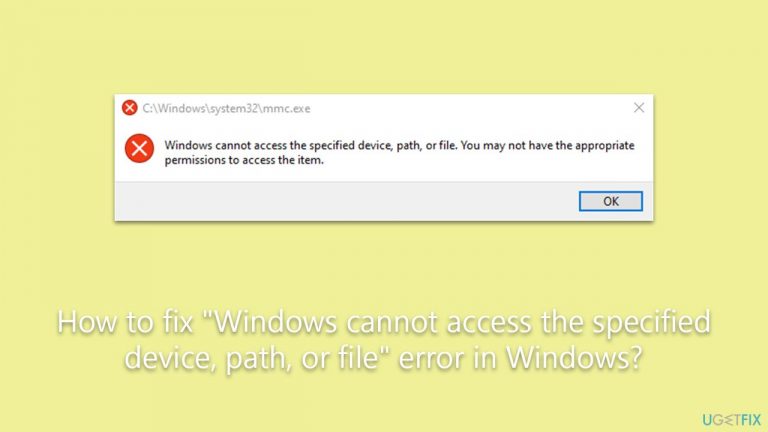
What causes How to fix “Windows cannot access the specified device, path, or file” error in Windows?
- Permission issues
- Antivirus or security software interference
- File corruption
- Missing shortcuts
- Network-related issues
Repairs Windows system files, removes malware, and restores a clean OS state — without reinstalling.
I was trying to launch one of my apps and received an error "Windows cannot access the specified device, path, or file." What is happening and how can I fix this?
When using the Windows operating system, users might occasionally encounter an error message stating, "Windows cannot access the specified device, path, or file." This error typically pops up when one tries to launch an application or open a particular file. It is essential to understand the primary causes behind this error to diagnose and rectify it effectively.
One of the most common reasons for this error is related to permission issues. Windows OS has a built-in security mechanism to restrict unauthorized access to files and applications. If a user does not have the appropriate permissions to access a specific file or application, the system will prevent its launch and display the said error message. For instance, if a file is designated as 'read-only' or has been set to be accessed by a specific user or group, others might be denied access.
Another significant cause is the interference of antivirus or other security software. Security software scans files and applications for potential threats, and if it deems a particular file or application to be suspicious or unsafe, it might block its access. This preemptive measure, while designed to protect the system, can sometimes lead to false positives, causing legitimate files or applications to be flagged and blocked.
There are other reasons as well, like file corruption, missing shortcuts, or network-related issues, which might result in this error. While the causes can vary, the error message remains the same, making it vital for users to diagnose the root cause before attempting a solution.

To fix the "Windows cannot access the specified device, path, or file" error, users can check the file or application's permissions, ensuring they have the correct access rights. They can also temporarily disable their antivirus or security software to see if it's the cause of the blockage. If these methods do not work, deeper system diagnostics might be necessary.
For those looking for a comprehensive solution to address this and other common Windows issues, using [d1] PC repair software is a highly recommended approach. This tool is adept at handling a myriad of Windows-related challenges efficiently.
Fix 1. Unblock the file or folder
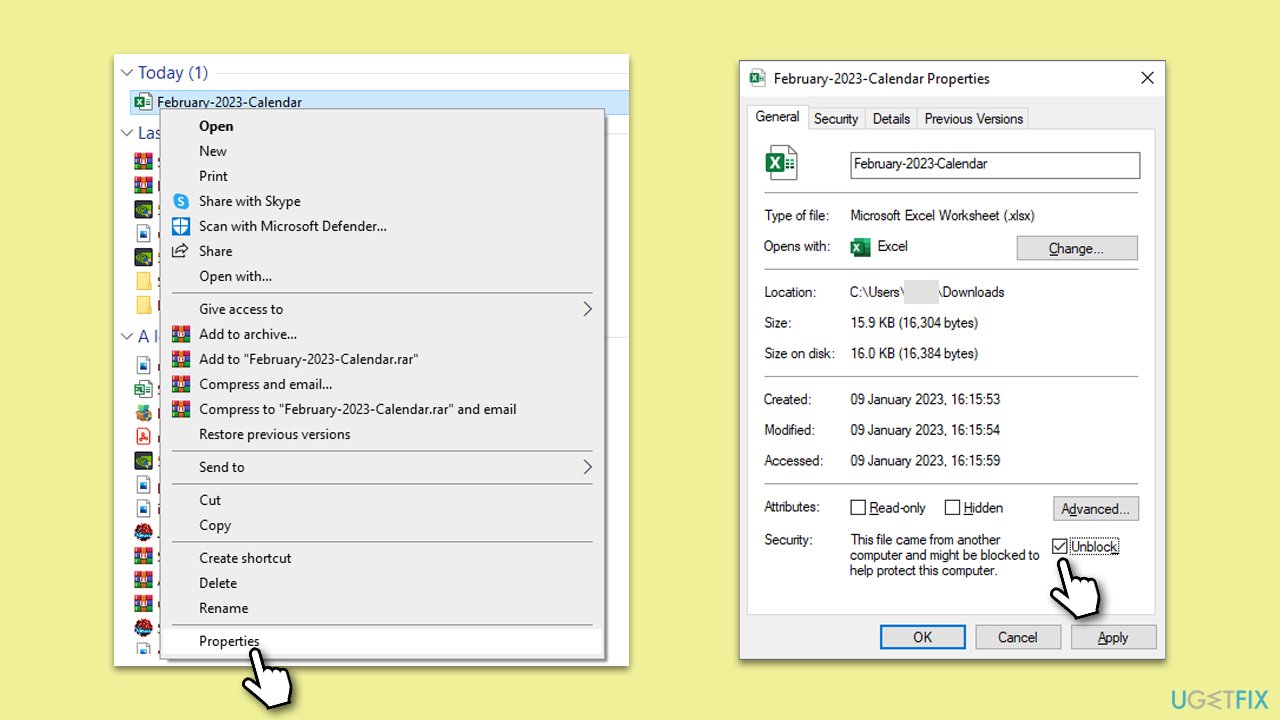
Windows often blocks files downloaded from the internet as a security measure to protect your system.
- Right-click on the problematic file or folder.
- Select Properties from the dropdown menu.
- Navigate to the General tab.
- If you notice a button labeled Unblock in the Security section at the bottom, click on it.
- Press Apply, then OK to save changes.
Fix 2. Add the file or program to the exclusion list in Microsoft Defender
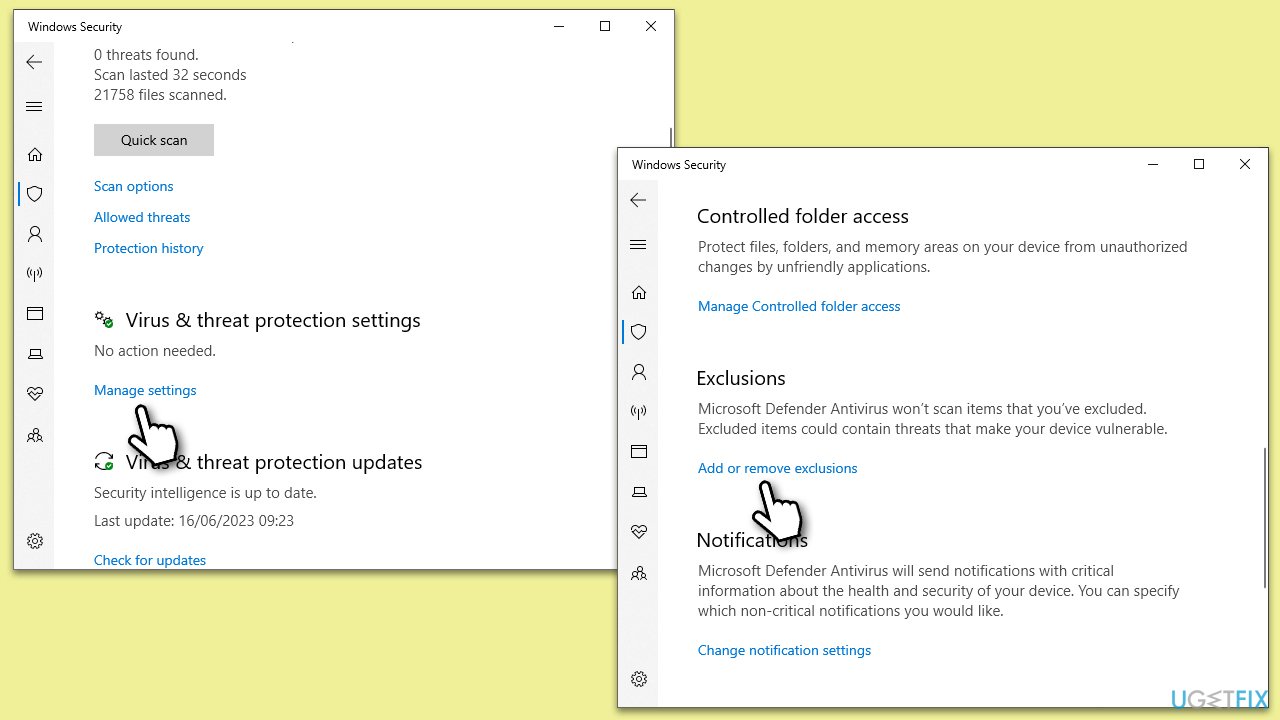
Sometimes, Microsoft Defender might mistakenly identify and block legitimate files or programs.
- Access Windows Settings from the Start menu.
- Navigate to Update & Security.
- Choose Windows Security from the list on the left side.
- Opt for Virus & threat protection.
- Under the Virus & threat protection settings section, select Manage settings.
- Scroll until you find the Exclusions area, and then select Add or remove exclusions.
- Click on Add an exclusion and choose the appropriate option (file, folder, file type, or process).
- Locate and select the file or program you wish to exclude, and confirm any prompts.
Fix 3. Enable Full control in File permissions
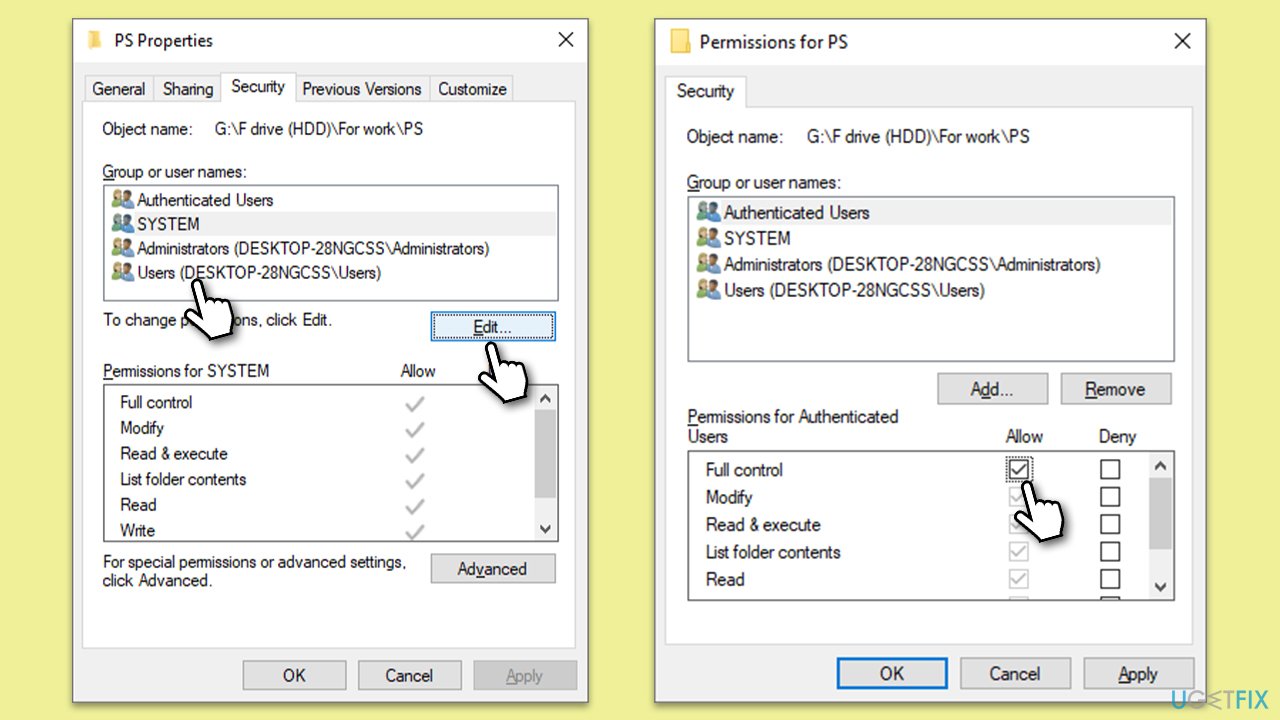
File access issues can sometimes be caused by restricted permissions.
- Right-click the file or folder you're having issues with.
- From the dropdown, choose Properties.
- Go to the Security tab at the top.
- Click the Edit button to change permissions.
- From the list, select Users.
- In the permissions box, tick Full control under the Allow column.
- Press Apply, then OK to confirm changes.
Fix 4. Check if the file path is referencing a drive that's not connected
Some files or applications might reference a drive that's currently disconnected or not recognized.
- Launch File Explorer.
- Under This PC, verify all connected drives.
- Ensure that the file or application you're trying to open isn't pointing to a missing drive.
- If it references a disconnected drive, either reconnect the drive or move the file to an available drive.
Fix 5. Reinstall the application
Corrupted installations can also result in access errors.
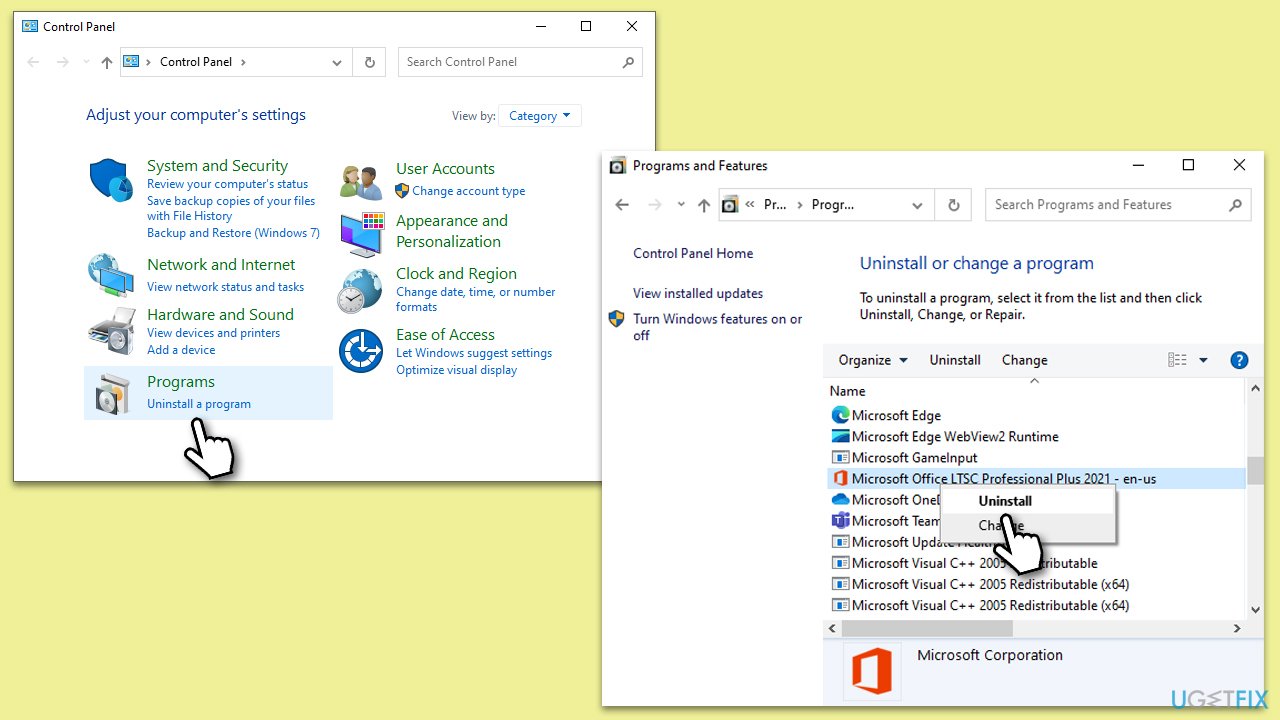
- Go to Control Panel > Programs > Uninstall a program.
- Find the program causing the error, right-click it, and choose Uninstall.
- Follow on-screen instructions to remove the application.
- Restart your computer.
- Once uninstalled, download the latest version from the official source and reinstall.
Fix 6. Run the application as an administrator
Certain programs require elevated privileges to function correctly.
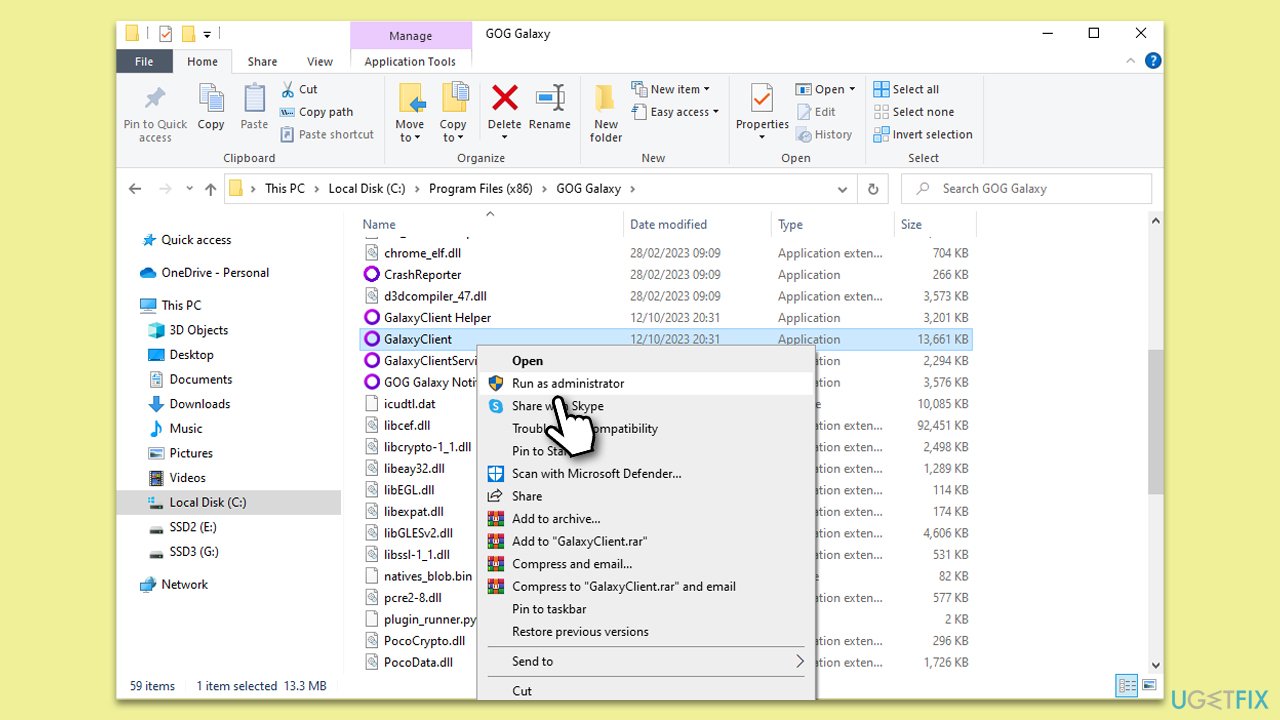
- Right-click the application shortcut or executable file.
- From the context menu, select Run as administrator.
- Confirm any User Account Control (UAC) prompts that appear.
Fix 7. Reset file associations
Incorrect file associations might prevent files from opening with the appropriate program.
- Right-click the problematic file.
- Choose Open with > Choose another app.
- Select the correct application from the list and ensure Always use this app to open [file type] is checked.
- Click OK to apply.
Fix 9. Disable Windows Defender Firewall
At times, the Windows Defender Firewall may mistakenly block certain files, applications, or network connections, believing they might be harmful to the system. Disabling the firewall temporarily can help in determining if it's the cause of the access error. However, it's crucial to note that turning off the firewall can make your system vulnerable to external threats. Ensure to turn it back on once you've finished troubleshooting.
- Press the Windows key on your keyboard, then type Firewall into the search box.
- Click on Windows Defender Firewall from the search results.
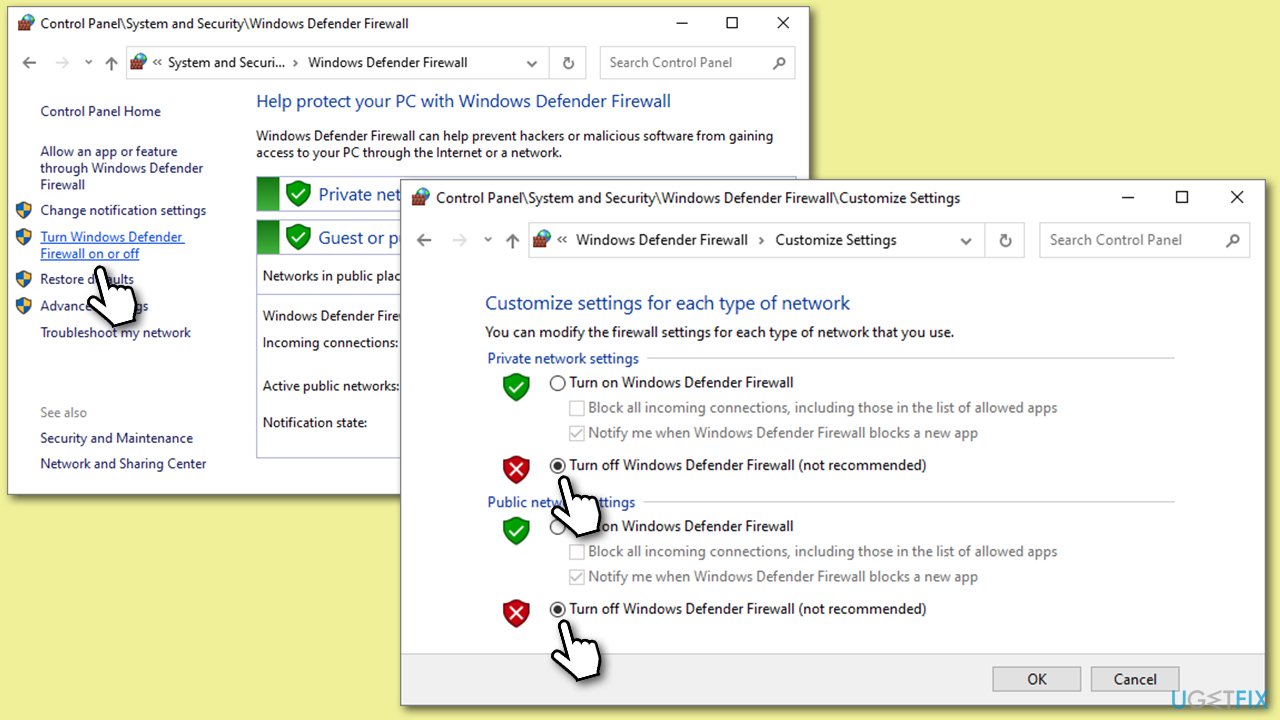
- In the left pane, click on Turn Windows Defender Firewall on or off.
- Under both Private network settings and Public network settings, select the option Turn off Windows Defender Firewall (not recommended).
- Click OK to apply the changes.
After disabling the firewall, try accessing the problematic file or application. If this resolves the issue, you might need to set an exception for that specific file or application within the firewall settings. Always remember to turn the firewall back on after your tests to keep your computer secure.
Bottom line
To fix the error, users can check the file or application's permissions to ensure they have the correct access rights. They can also temporarily disable their antivirus or security software to determine if it is causing the blockage. If these methods do not work, further investigation into other potential causes may be necessary.
Frequently asked questions
First, check the file's permissions and ensure that your user account has access. If the issue persists, try running the file as an administrator or check for any antivirus software that might be blocking access.
Make sure the program is not blocked by right-clicking it, selecting 'Properties', and checking the 'Unblock' option if available. Additionally, verify that the path to the program is correct and that it hasn't been moved or deleted.
Yes, ensure that your network connection is stable and that the shared folder or device is accessible. You may also need to check your firewall settings to allow access to the network location.




Report an issue
What's wrong with this guide? We review every report and update or remove content.
Report received — thank you. We'll review and fix it.
You need a free account to submit a report.
Be the first to comment