
How to fix error code VAL 51 in Valorant?

Prefer to fix it yourself? The manual steps follow.
- 9methods
- 2 minutes for Riot's fix, 5 to 30 minutes for the network checks; a Riot outage ends when Riot fixes it
- Easy
Applies to VALORANT on Windows PC (Riot Client), PlayStation 5 and Xbox Series X|S
9 methods in this guide
- What VAL 51 means
- Riot's side or yours
- Causes, ranked
- The fixes
- 1. Restart the Riot Client
- 2. Check Riot's status
- 3. Restart PC and router
- 4. Cable, no VPN
- 5. Console checks
- 6. Renew IP, flush DNS
- 7. Use a public DNS
- 8. Firewall and antivirus
- 9. Update, clean boot, Vanguard
- Still there: logs and ticket
- Advice to skip
- Avoid it next time
- FAQ
Hello. I wanted to play Valorant on my Windows PC, but I got the VAL 51 error code. Is there any way to fix this?
VAL 51 is the code VALORANT shows when Riot's party system cannot create a party for you, so you are stuck at the main menu. Riot's own fix is to restart the Riot Client completely. If the code comes back, check Riot's status page before you change anything on your PC or router.
Exit the Riot Client from the system tray, end any Riot processes left in Task Manager, then start it again (Fix 1). That is the only fix Riot lists for code 51. If VAL 51 returns, open status.riotgames.com, pick VALORANT and your region (Fix 2). An open incident means you wait. No incident: restart the modem and router, use a cable, and turn off any VPN (Fix 3 and Fix 4).
| Error | VAL 51. Riot's error table: "Problem creating a party. There seems to be an issue with the Party System." |
|---|---|
| Where it appears | In VALORANT right after login, before you reach the play screen, on PC and on console. Players report the box text "There was an error connecting to the platform. Please restart your game client." |
| Main cause | The game cannot get a party from Riot's party service: a stuck Riot Client session, a Riot side incident, or a connection that drops the request. |
| Fastest fix | Exit the Riot Client completely and start it again (Fix 1). This is the solution in Riot's table. |
| Also written as | VAL51, val error 51, error code 51, valorant error 51, error code: VAL 51, "Problem creating a party". |
| Affects | VALORANT on Windows with the Riot Client, and VALORANT on PlayStation 5 and Xbox Series X|S. |
| Riot's status | Listed in Riot's VALORANT error table, which Riot itself marks "currently out of date". Since 22 September 2026 Riot warns that VALORANT shows the wrong code for various errors. |
| Not the cause | Riot's table does not tie code 51 to a ban, a suspension or damaged game files. Those have their own codes (7, 61, 152). |
| Time to fix | 2 minutes when the restart works. Network checks take 5 to 30 minutes. A Riot side incident lasts until Riot closes it. |
Facts checked on 14 October 2026. Steps written for VALORANT with the Riot Client on Windows 11 (25H2 and 26H2) and Windows 10 22H2, with the console steps read from Riot's and Sony's support pages.
What error code VAL 51 means in Valorant, and its other spellings
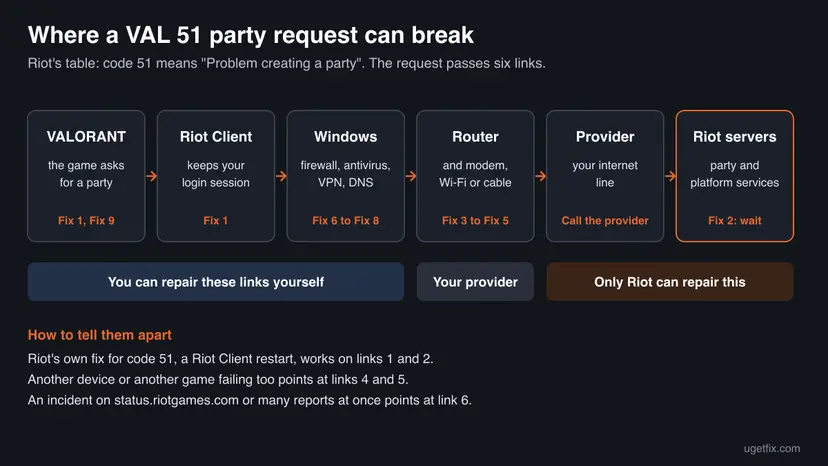
Every match in VALORANT starts from a party, even when you play alone: you are a party of one. When you log in, the game asks Riot's party service to create that party. VAL 51 means the request failed, so the game cannot take you to the play screen.
Riot's support article "Error Codes and Solutions in VALORANT" lists code 51 as Problem creating a party and adds: "There seems to be an issue with the Party System. Go ahead and restart the Riot Client." That is the whole official entry. There is no second step in it.
| What you see or type | Where it comes from | What it is |
|---|---|---|
| "There was an error connecting to the platform. Please restart your game client. Error Code: VAL 51" | The box in the game, as players and the old version of this guide quote it. Riot does not print this text in its articles. | The message shown to you for code 51. |
| "Problem creating a party." | Riot's error table, column Meaning. | Riot's name for code 51. |
| VAL 51, VAL51, val error 51, error code 51, valorant error 51 | Search spellings of the same code. | All the same error. VAL is the prefix of VALORANT game codes. |
| VAN 51, VAL 5001 | Rare searches. | Not in Riot's VALORANT table. We found no Riot page for either, so treat them as typing mistakes for VAL 51 or ask Riot support. |
On 22 September 2026 Riot posted a banner on its support site. It reads: "VALORANT is displaying the wrong error code for various errors due to a recent bug". Riot asks players to include logs in a ticket so it can find the right error. If the steps for VAL 51 do nothing, the real error may be a different one. The section "If VAL 51 is still there" shows how to collect those logs.
Codes that start with VAN, such as VAN 0, are a separate family that Riot documents in other articles, and VAN 0 has its own guide on this site.
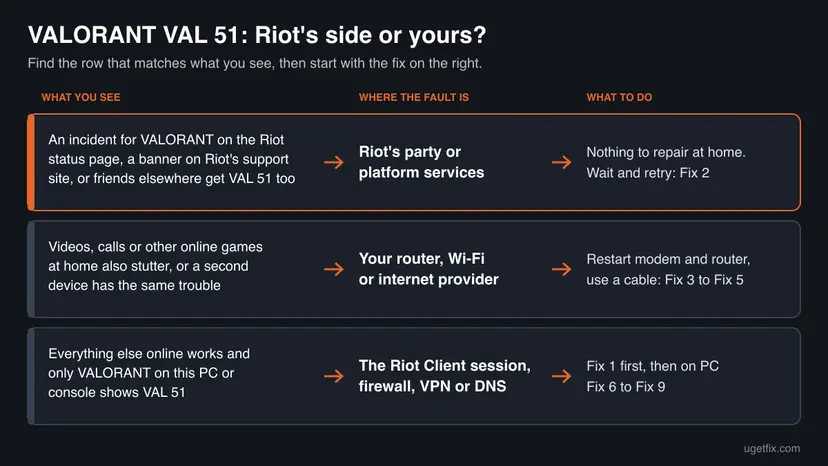
Is VAL 51 Riot's problem or yours? How to tell in two minutes
The party service runs on Riot's servers. When it has trouble, thousands of players get the same code at once and nothing on your PC helps. When it works, the problem is somewhere between your game and Riot: the Riot Client session, Windows, the router or the provider. Separate the two before you change settings.
| Channel | What you find there | Named by Riot in |
|---|---|---|
Riot Games Service Status at status.riotgames.com, page VALORANT | Current Messages and Recently Closed for the region you pick, each with a time and the affected platforms. | Riot links it as Riot Service Status from its support site |
Banners at the top of support.riotgames.com | Short notices about known issues, such as the wrong error code bug since 22 September 2026. | The VALORANT error table: "check the Support Site banners" |
| The VALORANT Discord server | Announcements about emergent issues. | The VALORANT error table: "keep an eye on our Discord" |
- Pick your region on the status page. The page shows one region at a time, and an incident can hit one region and not another. When we read the North America page on 14 October 2026, VALORANT showed "No recent issues or events to report".
- Read the platform line. An incident lists the platforms affected. A message for Windows does not explain VAL 51 on a PS5, and the other way round.
- Ask one friend. If a friend in another home gets VAL 51 at the same time, the cause is almost certainly Riot's side, even before the status page changes.
- Maintenance has its own codes. Riot's table gives code 39 (Unavailable Server) and code 46 (Platform downtime) for scheduled work. VAL 51 is not the maintenance code, but during an outage several codes can appear in turn.
What causes VAL 51, from most to least common
Riot publishes no numbers on how often each cause occurs. The order below follows Riot's own advice: its only fix for code 51 is a Riot Client restart, so a stuck client session comes first. Riot's network articles then cover the home network and the PC.
| Cause | How often | How to tell | Fix |
|---|---|---|---|
| The Riot Client session is stuck or half closed after an update, a sleep or a crash. | Most often | Only you get the code, and other online services work. | Fix 1 |
| Riot's party or platform services have an incident, or a patch is rolling out. | Often, in waves | An incident on the status page, a banner, or friends in other homes get VAL 51 too. | Fix 2, then wait |
| The router or modem has lost its link, or the Wi-Fi drops packets. | Sometimes | Other games or calls stutter, or a second device has trouble too. | Fix 3 and Fix 4 |
| A VPN or proxy sends the request on a route Riot cannot use. | Sometimes | The code started when you turned on a VPN, or it disappears without one. | Fix 4 |
| On console: the console's own connection or the NAT type. | Console only | The console's connection test fails or shows a strict NAT. | Fix 5 |
| A stale IP address, DNS cache or DNS server on the PC. | PC, less often | Other devices on the same network play fine. | Fix 6 and Fix 7 |
| A firewall or antivirus blocks VALORANT, Riot Vanguard or the Riot Client. | PC, less often | The code started after a security program was installed or updated. | Fix 8 |
| An outdated game, damaged Riot Vanguard files, or another program in the way. | Rarely, not on Riot's list for 51 | Other codes appear too, or the game asks for an update. | Fix 9 |
| A different error shown as VAL 51 because of Riot's display bug. | Unknown | Nothing above helps, and other codes come and go. | Logs and a ticket, see "If VAL 51 is still there" |
Riot does not say whether VAL 51 can come from your account or your region settings. Players report that it sometimes appears only when they invite friends, but Riot has not described that case. We give no fix for it beyond leaving the party and restarting the client.
How to fix error code VAL 51 in Valorant
Fix 1 is Riot's own solution and takes two minutes. Fix 2 tells you whether anything you do can help. Fix 3 and Fix 4 cover the home network for PC and console. Fix 5 is for PlayStation and Xbox only. Fix 6 to Fix 9 are for Windows PCs. Stop as soon as you reach the play screen.
| What you see or have | Start with |
|---|---|
| VAL 51 for the first time, nothing else changed. | Fix 1 |
| VAL 51 again right after a full client restart. | Fix 2, then Fix 3 |
| Friends in other homes get VAL 51, or the status page shows an incident. | Fix 2. Nothing else helps until Riot closes it. |
| You play over Wi-Fi, on a VPN or through a proxy. | Fix 4 |
| PlayStation 5 or Xbox Series X|S. | Fix 1, Fix 2, then Fix 5 |
| Other devices at home play fine, only this PC fails. | Fix 6, then Fix 7 and Fix 8 |
| A new antivirus or firewall, or the code started after a Windows update. | Fix 8 |
| Several different VAL and VAN codes in one evening, or VALORANT asks for an update. | Fix 9, then collect logs |
Fix 1. Exit the Riot Client completely and start it again
2 minutesNo riskEveryone with VAL 51, on PC, as the first step.
This is the solution Riot gives for code 51 in its error table. Closing the window is not enough: the Riot Client keeps running in the system tray with your old session, so the game asks for a party with the same stuck session again.
- Select QUIT GAME in the error box, or close VALORANT.
- Look at the system tray in the bottom right corner of the screen. Select the small arrow if the Riot icons are hidden.
- Right-click the Riot Client icon and select Exit. Riot's own article asks you to make sure the client no longer shows up in the tray.
- Press Ctrl + Shift + Esc to open Task Manager.
- On the Processes tab, look for Riot Client and VALORANT entries that are still there. Select each one and select End task.
- Start the Riot Client again from the Start menu, sign in if asked, and select Play for VALORANT.
- Leave Riot Vanguard alone here. The red Vanguard icon in the tray is the anti-cheat. Riot's error table does not ask you to exit it for code 51, and VALORANT needs it to start.
- Restart the PC if Task Manager will not end a process. Riot's table asks for a PC restart together with a client restart for several connection codes, such as 128.
- In a party when it happened? Leave the party before you restart, and let one player create it again afterwards. Riot has not documented this case, so treat it as a test, not a rule.
There is no separate Riot Client to exit on console. Close the VALORANT app completely, not only back to the home screen, then start it again. If VAL 51 comes back, go on with Fix 2 and Fix 5.
It worked if: VALORANT loads past the main menu and shows the play screen with your party of one.
If not: If VAL 51 appears again within a minute, go to Fix 2 and check whether the cause is on Riot's side.
Fix 2. Check Riot's status page, support banners and Discord
2 minutesNo riskVAL 51 came back after Fix 1, on any platform.
Riot's table calls code 51 an issue with the Party System, and that system runs on Riot's servers. If Riot has an open incident, every change you make at home only adds new problems while the real one waits for Riot.
- Open
https://status.riotgames.comon a phone or another browser. - Choose your region at the top of the page, for example North America or Europe.
- Find the VALORANT block and read Current Messages. A message carries a time and a line Platforms affected.
- Read Recently Closed too. An incident closed a few minutes ago can still leave some players with errors until they restart the client.
- Open
support.riotgames.comand look for a banner at the top about VALORANT. - Check the announcements on the official VALORANT Discord server, which Riot names in its error table.
- If any of these shows an incident for your region and platform, stop here. Try again every 15 to 30 minutes, and do Fix 1 once after Riot closes it.
Two signs together mean you can stop troubleshooting: Riot has posted an incident or a banner, or friends in other homes get VAL 51 too, and everything else online works for you. Reinstalling the game, changing DNS or resetting Windows networking cannot fix a server side fault.
The 30 minute interval is our suggestion, not Riot's. Riot gives no number for how long an incident lasts, and its status messages show only when they were posted.
It worked if: Either you find an incident and know you have to wait, or every channel is clear and you know the fault is between you and Riot.
If not: No incident, and VAL 51 stays: continue with Fix 3. Console players can do Fix 3, Fix 4 and Fix 5.
Fix 3. Restart the PC, the modem and the router
5 minutesLow riskThere is no incident from Riot, on PC or console, and above all when other online services at home act up.
Riot's connection article for all its PC games puts a power cycle of the modem and router at step 2. A full restart makes the modem build a new link to your provider and clears a router that has run for weeks.
Phones, TVs and work calls on the same network lose their connection until the router is back. Warn the people you live with first.
- Close VALORANT and exit the Riot Client as in Fix 1.
- Shut down the PC, or turn the console off completely. Rest mode is not enough.
- Turn off the modem and the router, or unplug them.
- Wait at least 30 seconds, as Riot's PC article says. Riot's console article for 2XKO uses 60 seconds; on console, wait the full minute.
- Turn on the modem first, then the router, and wait until their lights are steady.
- Start the PC or console, wait until it has fully started, then start VALORANT.
If the router is old, its maker's site may offer a firmware update. That is the maker's procedure, not Riot's, and a factory reset of the router erases your Wi-Fi name and password, so keep it for last.
It worked if: The game reaches the play screen, and other online services at home also feel normal again.
If not: If you play over Wi-Fi or with a VPN, go to Fix 4. On a cable with no VPN, console players go to Fix 5 and PC players to Fix 6.
Fix 4. Use a cable, free up the line and turn off VPN or proxy
5 to 10 minutesNo riskYou play over Wi-Fi, on a busy shared line, or with a VPN or proxy on.
Riot's network article asks first about Wi-Fi, cables and VPNs, and says a VPN or proxy "can cause issues with your connection and should only be used if 100% necessary". A party request is short, and a link that drops for a moment loses it.
- Disconnect your VPN and close its app. If you set a proxy in Windows, turn it off in the same menu where you turned it on.
- Pause downloads, streaming, cloud sync and updates on the PC, the console and other devices at home. Riot names these in its connection article.
- Connect the PC or console to the router with an Ethernet cable. Riot says a wired connection is faster and more stable.
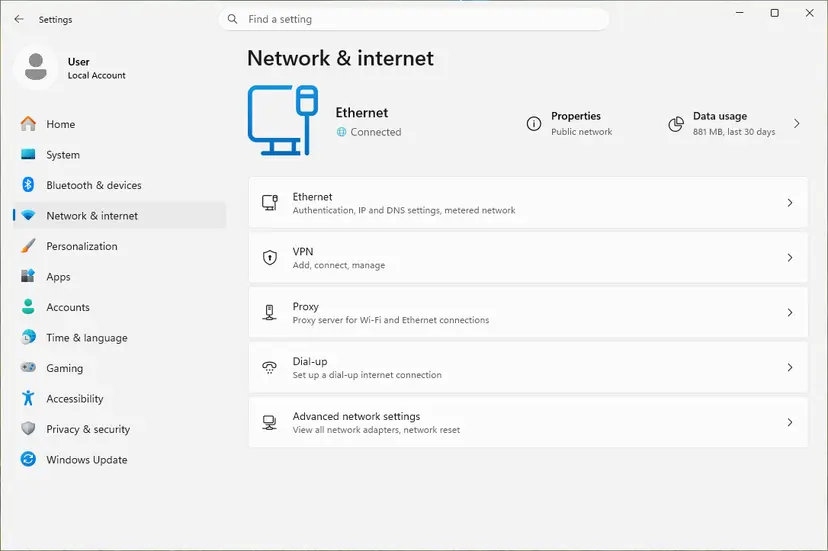
- On Windows 11, open Start > Settings > Network & internet and check that the top of the page shows Ethernet as connected.
- Exit and start the Riot Client again, then start VALORANT.
- A phone hotspot as a one-time test. If VAL 51 disappears on a hotspot, your home line or router is the cause. If it stays, the cause is the PC or Riot.
- Riot's view of VPNs. Riot's general PC article says VPNs and proxies "frequently cause connection problems and must be turned off to troubleshoot your connectivity".
- A wider check of the home network on Windows: How to check your internet connection in Windows
It worked if: With the cable in and no VPN, the game passes the main menu on the first attempt.
If not: Console players go to Fix 5. On a Windows PC go to Fix 6.
Fix 5. On PlayStation 5 or Xbox: test the connection and the NAT type
10 minutesNo riskYou play VALORANT on PS5 or Xbox Series X|S, and Fix 2 showed no incident.
A console has no firewall list or DNS cache you can repair. Riot's console connection guide for its fighting game 2XKO says console platforms limit what Riot can troubleshoot and lists the same short checks. Riot's VALORANT console guide has no connection section.
- Check the status page of PlayStation Network or Xbox network on a phone. A failure there blocks every online game.
- Close VALORANT completely and do the power cycle from Fix 3 with the 60 second wait.
- PS5: open Settings > Network > Connection Status > Test Internet Connection, as Sony's support pages give it.
- Xbox Series X|S: open Settings > General > Network settings > Test network connection, as Riot's console guide gives it.
- If the test fails, note which step fails: the internet, the console's own network, or NAT.
- Connect the console to the router with a LAN cable and run the test again.
- When the test passes, start VALORANT.
| Result | What it means | Next |
|---|---|---|
| The status page shows a problem | Sony's or Microsoft's network has trouble. | Wait |
| The test fails at the internet step | The console does not reach the internet. | Cable, Fix 3, then your provider |
| NAT Type 3 on PS5, or Moderate or Strict on Xbox | Riot says restricted NAT types can cause matchmaking and connection issues. Aim for NAT Type 1 or 2, or Open. | Ask your provider how to change the router settings, as Riot advises |
| Everything passes and Riot shows no incident | Not explained by the network. | Install any console system update, then a support ticket |
Riot's VALORANT console guide lists who can play on console: PS5 or Xbox Series X|S, in the NA, EU, JP, BR or OCE regions, with an account that has no ban or suspension. VAL 51 is not one of those limits.
It worked if: The connection test passes with an open or moderate result, and VALORANT reaches the play screen.
If not: If the test passes and VAL 51 stays, use the in-game Help or Support QR code to open a ticket with Riot, as its console guide describes, and say yes when asked to include logs.
Fix 6. On PC: renew the IP address, flush DNS and reset TCP/IP
5 minutesLow riskA Windows PC that still gets VAL 51 after the router restart, while other devices on the same network play fine.
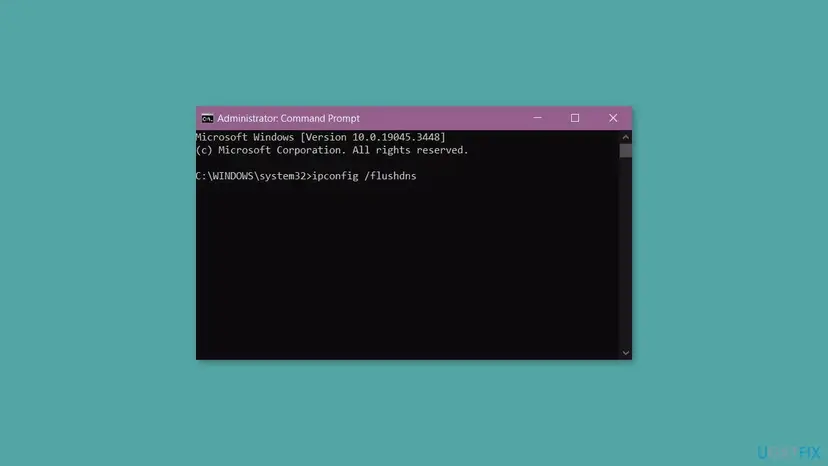
Riot's VALORANT network article lists release, renew and flush DNS for "minor glitches", and its newer Reset TCP/IP article adds two netsh commands. Windows then forgets stored server addresses and builds its network settings again.
- Close VALORANT and exit the Riot Client as in Fix 1. Close your browsers too, as Riot asks.
- Press the Windows key, type
cmd, right-click Command Prompt and select Run as administrator, then Yes. - Run these three commands one by one. Riot's article writes them without a space, but the usual form with a space works the same.
ipconfig /release ipconfig /renew ipconfig /flushdns - If VAL 51 stayed after an earlier try of the three commands, also run the two commands from Riot's Reset TCP/IP article.
netsh int ip reset netsh winsock reset - Restart the PC, then start the Riot Client and VALORANT.
- A static IP or DNS set by hand.
netsh int ip resetcan clear settings you typed in yourself. Note them before you run it. - The full Windows routine with screenshots, including Network reset in Settings, is here: Reset the network and flush DNS
It worked if: Each command answers without an error, and after the restart VALORANT gets past the main menu.
If not: Go to Fix 7 and switch to a public DNS server.
Fix 7. On PC: switch to a public DNS server
5 minutesLow riskA Windows PC where Fix 6 did not help, or where your provider's DNS has been slow before.
Riot's network article says your provider's DNS server "isn't ideal for gaming" sometimes, and suggests Google's or Cloudflare's servers. If the client cannot look up Riot's party servers reliably, the request fails before it leaves your PC.
- Press Win + R, type
ncpa.cpland press Enter. The Network Connections window opens on Windows 11 and Windows 10. - Right-click the adapter you use (Ethernet or Wi-Fi) and select Properties.
- Select Internet Protocol Version 4 (TCP/IPv4) and select Properties.
- Leave the IP address part as it is. In the lower half, select Use the following DNS server addresses.
- Type Google's servers
8.8.8.8and8.8.4.4, or Cloudflare's1.1.1.1and1.0.0.1, as Riot lists them. - Select OK, then OK again, and restart the Riot Client.
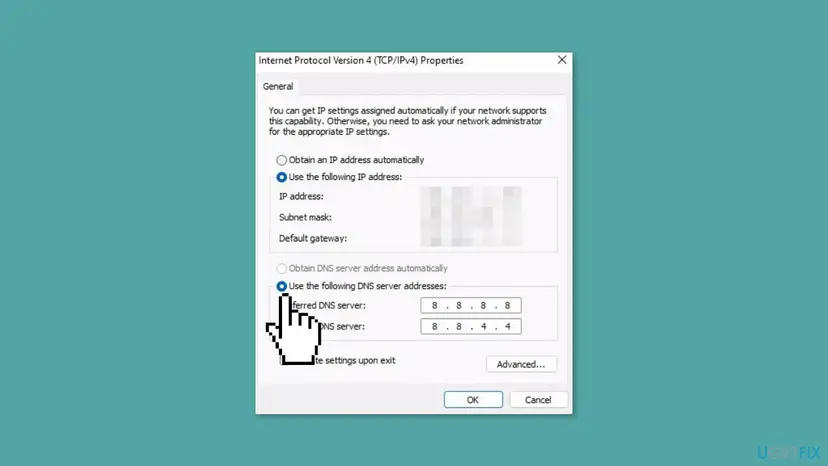
Some providers block third-party DNS servers. If you lose internet access after the change, set the dialog back to Obtain DNS server address automatically. Riot's article also unticks Internet Protocol Version 6 (TCP/IPv6). Try that only if the DNS change alone does not help, and tick it again if nothing changes.
It worked if: Web pages still open, and VALORANT passes the main menu after the client restart.
If not: Set DNS back to automatic if nothing changed, then go to Fix 8.
Fix 8. On PC: let VALORANT, Riot Vanguard and the Riot Client through the firewall and antivirus
10 minutesLow riskA Windows PC where only VALORANT fails, above all after a new or updated security program.
Riot writes that a firewall can block VALORANT or Vanguard, and its firewall article asks you to remove old VALORANT and Riot Client entries and add fresh ones. An entry that points at an old file after an update can block the party request.
- Type Windows Defender Firewall in the Windows search box and open it.
- Select Allow an app or feature through Windows Defender Firewall, then Change settings.
- Select the existing VALORANT and Riot Client entries and select Remove, as Riot's article asks.
- Select Allow another app, then Browse, and add
C:\Riot Games\VALORANT\live\VALORANT.exe. Select Add. - Repeat for
C:\Program Files\Riot Vanguard\vgc.exeandC:\Riot Games\Riot Client\RiotClientServices.exe. - Tick both Private and Public for each new entry, select OK, and restart the Riot Client.
| Program | Path |
|---|---|
| VALORANT | C:\Riot Games\VALORANT\live\VALORANT.exe |
| VALORANT game process | C:\Riot Games\VALORANT\live\ShooterGame\Binaries\Win64\VALORANT-Win64-Shipping.exe |
| Riot Client | C:\Riot Games\Riot Client\RiotClientServices.exe |
| Riot Vanguard | C:\Program Files\Riot Vanguard\vgc.exe and vgm.exe |
For a third-party antivirus or firewall, update it first: Riot says it has asked many makers to add its games as exceptions automatically. Then add the paths above to its exception list. If you installed VALORANT on another drive, use that path instead.
- A test with protection paused. If the exceptions do not help, pause Microsoft Defender's real-time protection for one test, start VALORANT, then turn it back on at once: Turn off Microsoft Defender protection for a moment
- Do not leave the firewall off. Riot's own article says turning the firewall off "should be for troubleshooting purposes only". If the game works only with it off, fix the exceptions instead.
It worked if: The new entries appear with ticks under Private and Public, and VALORANT reaches the play screen.
If not: If VAL 51 stays with correct exceptions, go to Fix 9.
Fix 9. On PC: update VALORANT, try a clean boot and reinstall Riot Vanguard
15 to 30 minutesLow riskA Windows PC where Fix 1 to Fix 8 did not help, or where several other codes appear next to VAL 51.
None of this is on Riot's list for code 51, so it comes last. It is here because Riot gives these steps for connection codes such as 128, and because of Riot's display bug: your real error may be one of those.
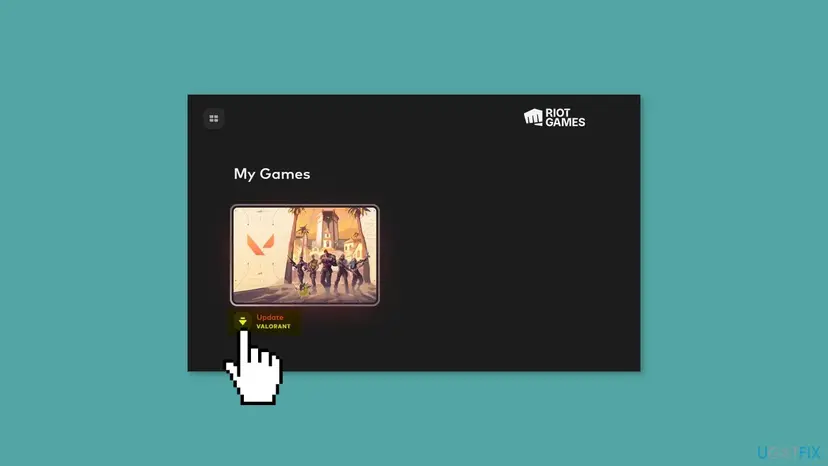
- Open the Riot Client and the VALORANT page. If an Update button shows instead of Play, select it and wait for the download.
- If other programs might be in the way, do a clean boot, which Riot's PC connection article also lists: How to perform a clean boot in Windows
- To reinstall Riot Vanguard, exit the Riot Client and every Riot game first.
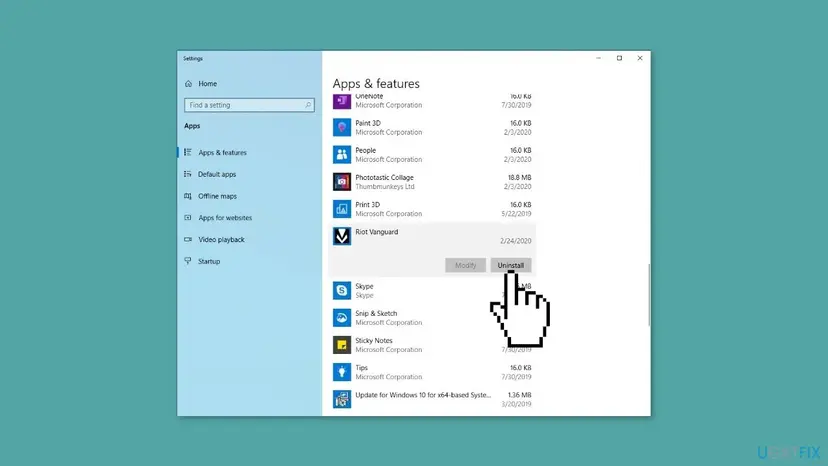
- Right-click the red Riot Vanguard icon in the system tray, select Advanced, then Uninstall Vanguard, and follow the prompts.
- If there is no icon, open Settings > Apps > Installed apps on Windows 11 (Apps & features on Windows 10), find Riot Vanguard and uninstall it.
- Restart the PC. Vanguard is gone when its icon no longer shows in the tray, Riot says.
- Start the Riot Client. It installs Vanguard again by itself; restart the PC once more if asked, then start VALORANT.
A clean boot turns off startup programs and third-party services. When the test is over, turn them back on, as the clean boot procedure describes, or some of your apps will not start with Windows.
It worked if: VALORANT is up to date, Vanguard shows its icon again after the restart, and the game passes the main menu.
If not: Collect your logs and send Riot a ticket, as the next section describes.
If VAL 51 is still there: the logs Riot needs and how to send them
Because of the display bug, Riot's banner asks for logs with every ticket so it can find the right error. Logs also answer the question you cannot: whether the party request ever left your PC. Do not delete the log folders before you send them, even though older guides tell you to.
| Log | Where it is | What it shows |
|---|---|---|
| VALORANT user logs | %localappdata%\VALORANT\Saved\Logs | What the game did, including the error it really got. |
| Riot Client logs | %localappdata%\Riot Games\Riot Client\Logs | The client session, sign-in and connection to Riot. |
| Riot Vanguard logs | C:\Program Files\Riot Vanguard\Logs | Whether the anti-cheat was running and connected. |
| Network info | A NetworkInfo.txt file made with the command in Riot's article | Your IP setup, a ping test and firewall settings. |
- Download the Riot Repair Tool from Riot's support article "Gathering Logs - Riot Repair Tool (RRT)". It collects logs for VALORANT in one zip file.
- Right-click the tool and select Run as administrator, as Riot asks on Windows.
- Choose VALORANT and let the tool finish. It creates a .zip file.
- Open a ticket at
support.riotgames.comunder Submit A Ticket, and attach the zip. - Write the platform, your region, the date and time of the first VAL 51, any other codes you saw, and the fixes you already tried.
- When it is your provider: VAL 51 and other trouble go away on a phone hotspot, or Riot's own logs show the connection dropping. Then the line itself is the problem, and only your provider can check it.
- When it is Riot: only VALORANT fails, on a connection that passes every test, and the logs show the request reaching Riot. Support can see account and server side faults that you cannot.
- On console: use the Help or Support QR code inside the game, add your Xbox gamertag or PSN ID, and say yes when asked to include logs.
Common VAL 51 advice that does not hold up
Much of what circulates about VAL 51 comes from guides written before Riot's current articles. Some of it is harmless, some of it costs you the evidence support needs, and one item weakens your PC's protection.
| Advice you will find | What Riot's articles say | Our verdict |
|---|---|---|
| Delete everything in the VALORANT Logs and webcache folders. | Riot asks you to zip and send the Logs folder with a ticket. | Skip it. Deleting logs destroys the record of the real error. |
| Turn off Windows Defender Firewall to fix it. | Turning it off "should be for troubleshooting purposes only". | Add exceptions instead (Fix 8). Never leave it off. |
| Set the vgc service to Automatic in Services. | Not in Riot's entry for code 51. | That belongs to Vanguard errors, not to VAL 51. |
| Reinstall VALORANT first. | Riot's fix for 51 is a Riot Client restart. | A full reinstall is a long last step after Fix 9, not a first one. |
| Use a VPN to reach another server. | Riot says VPNs frequently cause connection problems. | Turn the VPN off (Fix 4). |
How to avoid VAL 51 next time
- Exit the Riot Client from the tray when you stop playing, instead of leaving it open for days.
- Let the Riot Client finish updates before you start VALORANT on patch day.
- Play over a cable, or keep the router close when you must use Wi-Fi.
- Check
status.riotgames.comfor your region before you start troubleshooting. - Keep your firewall and antivirus exceptions current after you move or reinstall the game.
- Do not use a VPN or proxy for VALORANT unless Riot support asks you to for a test.
- Do not leave the firewall or the antivirus off after a test.
- Do not delete log folders you may need for a ticket.
- Do not change DNS, reset networking and reinstall the game all at once: you will not know what helped.
The honest part: a fault in Riot's party service cannot be prevented from your side. If VAL 51 appears for many players at once, the shortest path back into the game is to wait and restart the client after Riot closes the incident.
Frequently asked questions
What does error code VAL 51 mean in Valorant?
It means VALORANT could not create a party for you. Riot's error table lists code 51 as "Problem creating a party" and blames an issue with the Party System. Every player is put in a party when they log in, even when playing alone, so without one you cannot reach the play screen. Riot's only listed fix is to restart the Riot Client. The box players see usually reads "There was an error connecting to the platform. Please restart your game client."
Is Valorant down right now?
Open status.riotgames.com, choose VALORANT and your region, and read Current Messages. An open incident with your platform under Platforms affected means the problem is on Riot's side, and you can only wait. Also check the banners at the top of Riot's support site and the announcements on the official VALORANT Discord, which Riot names in its error table. When we checked the North America page on 14 October 2026, it showed no open VALORANT issues.
Does VAL 51 mean I am banned?
No. Riot's error table gives bans and suspensions their own codes: code 7 can mean a suspension on your account, code 61 means you have been banned from playing VALORANT, and code 152 is a hardware ban that typically lasts four months. Code 51 is described only as a problem creating a party. Since September 2026 Riot warns that VALORANT can show the wrong code, so if you also got an email about a penalty, read that email and contact support.
How do I fix VAL 51 on PS5 or Xbox?
Close the VALORANT app completely and start it again, then check Riot's status page for your region and platform. If there is no incident, turn off the modem and router for 60 seconds and run the console's connection test: on PS5 under Settings, Network, Connection Status, Test Internet Connection, and on Xbox under Settings, General, Network settings. Riot says a restricted NAT type can cause connection issues. If everything passes, open a ticket through the in-game QR code.
Will reinstalling Valorant fix VAL 51?
Rarely, and it is not what Riot recommends for this code. Riot's table gives one fix for code 51, a Riot Client restart, and its network articles cover the router, DNS and firewall. A full reinstall downloads the whole game again and does nothing against a Riot side incident or a VPN. Try Fix 1 to Fix 9 first. Reinstalling Riot Vanguard, which is much smaller, is part of Fix 9, because Riot gives that step for other connection codes.
Why does VAL 51 show up only when I play with friends?
Players report this, but Riot has not described it. Code 51 is about creating a party, so a problem in the party service can show up when someone invites you or when the leader starts the queue. Leave the party, exit the Riot Client from the system tray, start it again and let one player create a new party. If only one player in the group gets the code, that player should go through the network fixes on their own PC or console.
Can a VPN fix or cause VAL 51?
A VPN is far more likely to cause it than to fix it. Riot's VALORANT network article asks whether you use a proxy or VPN and tells you to try without one, and its general PC article says VPNs and proxies frequently cause connection problems. A VPN does not get you past an incident on Riot's party service either, because the service is the same for every route. Turn the VPN off, restart the Riot Client and test again.
Is VAL 51 the same as VAN 51 or VAL 5001?
We found no Riot page for VAN 51 or VAL 5001. Riot's VALORANT error table uses plain numbers such as 51, which the game shows as VAL 51, and Riot documents codes that start with VAN in separate articles. If your screen really shows a different code, search for that exact code. If it shows VAL 51, this guide applies. Because of Riot's display bug since September 2026, a ticket with logs is the safe route for any code that does not match Riot's table.
Why does Riot say its error code list is out of date?
Riot added a warning to the top of its VALORANT error table: a recent issue is causing VALORANT errors to display incorrectly. A banner dated 22 September 2026 says the game is showing the wrong error code for various errors due to a bug. Riot's advice is to include logs when you submit a ticket so it can find the right error. The entry for code 51 is still on the list, so start with its fix, but do not spend an evening on it if nothing works.
Sources
- Microsoft Support: Essential Network Settings and Tasks in Windows (support.microsoft.com)
- Riot Games Support: Error Codes and Solutions in VALORANT (updated 2 June 2026) (support.riotgames.com)
- Riot Games Support: VALORANT Displaying Incorrect Error Codes (22 September 2026) (support.riotgames.com)
Did this fix work?
One click, no account. It tells the next reader which guides are worth their time.
Questions and experiences: fix error code VAL 51 in Valorant
Still broken, or found a fix we did not cover? Ask here: members and our editors answer. Reading is open; writing needs a free account.
…