How to fix
KB5017389 fails to install
on Windows
Resolve the KB5017389 installation issue on Windows 11 effortlessly. Get expert-tested solutions to fix it fast and regain system stability.

What causes How to fix KB5017389 fails to install in Windows 11?
- Third-party antivirus interference
- Malfunctioning services
- Outdated drivers
- Corrupted system files
- Issues with Windows Update
Repairs Windows system files, removes malware, and restores a clean OS state — without reinstalling.
Hello. I tried to install a new update KB5017389 released by Microsoft but I failed. What should I do?
Windows updates are crucial if you want to keep your operating system running smoothly. They provide bug fixes, new features, and security patches that take care of vulnerabilities. If your computer is not up-to-date it poses serious security risks as hackers can use software vulnerabilities to deliver malicious programs.
Unfortunately, people often run into issues when trying to install the latest Windows updates. Recently, users have struggled to install KB5017389 in Windows 11. Although this is a non-security update it includes quality improvements. The package addresses issues that cause Microsoft Store updates to fail, applications to stop responding, print queues to duplicate, and many more.
It is unknown exactly why KB5017389 fails to install in Windows 11. Thus, in this guide, you will find 7 steps that should help you fix the problem. Most of the time, Windows updates fail to install because of third-party antivirus interference, malfunctioning services, or outdated drivers.[ref en-1]
Manual troubleshooting can take a lot of time, so you can use a maintenance tool like [d1]. It can fix most system errors, BSODs,[ref en-2] corrupted files, and registry[ref en-3] issues. Otherwise, follow the step-by-step instructions below.
Method 1. Run Windows Update Troubleshooter
- Click the Windows button and select Settings
- Select System from the left pane, then scroll down on the right pane and click on Troubleshoot
- Click on Other troubleshooters
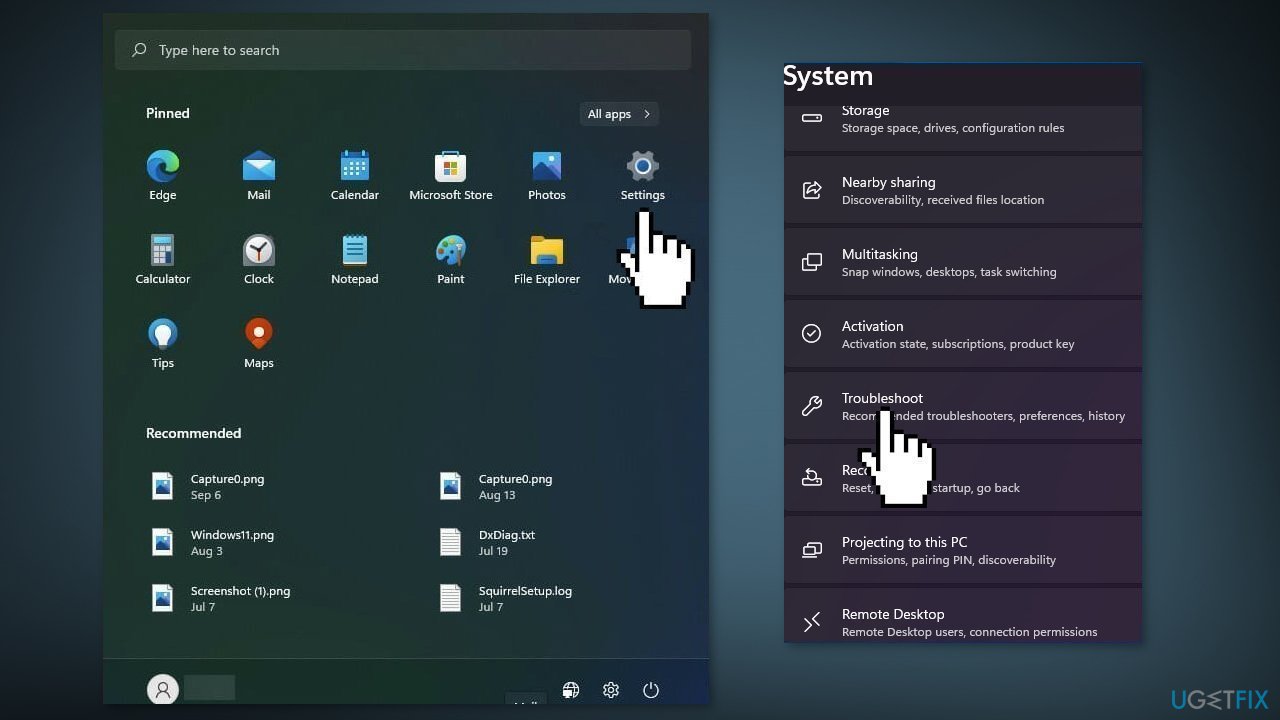
- Locate the Windows Update troubleshooter and hit the Run button
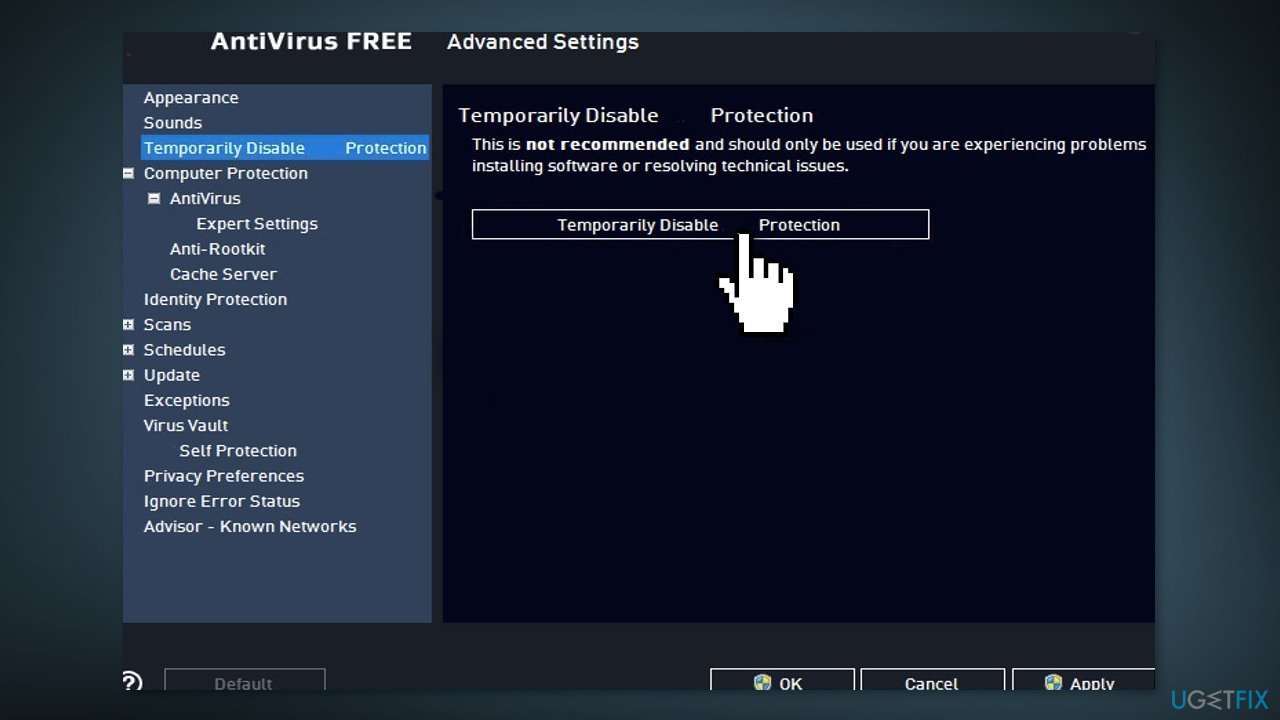
Method 2. Disable Third-Party Antivirus
Sometimes antivirus software can block legitimate Windows processes mistakenly. You should try disabling your antivirus and trying to run the update again.
Method 3. Fix Corrupted System Files
Use Command Prompt commands to repair system file corruption:
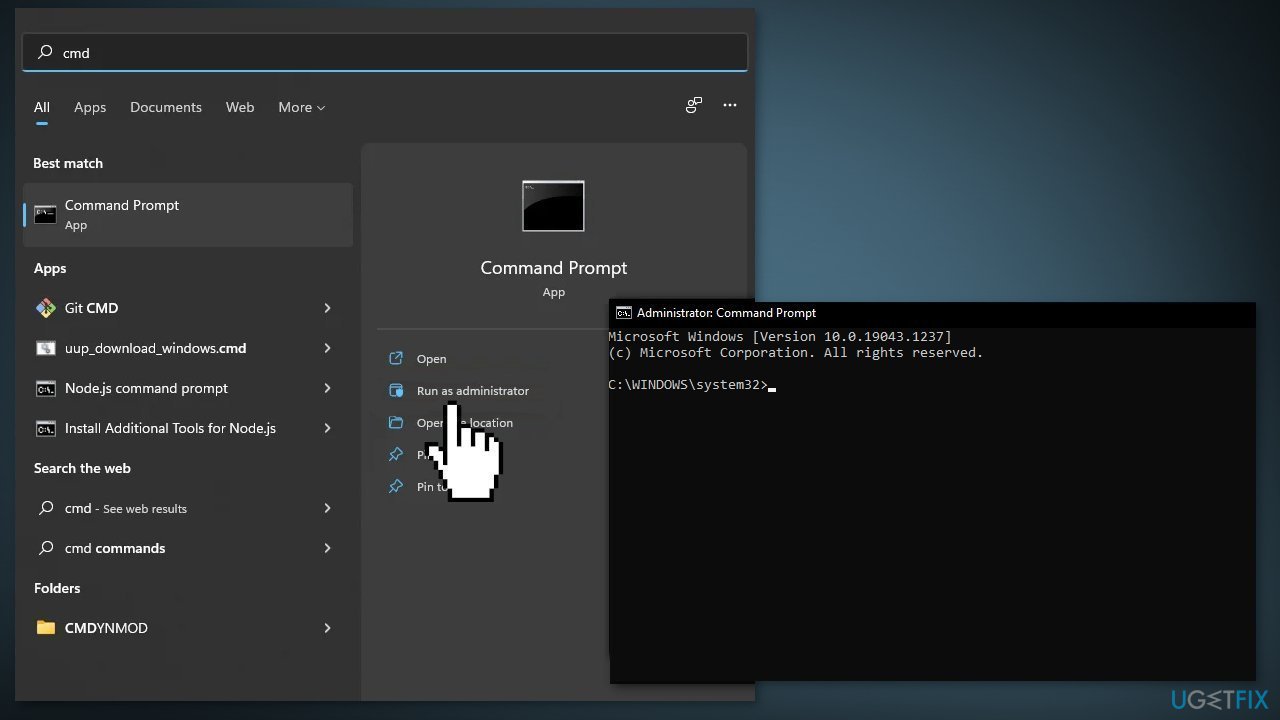
- Open Command Prompt as administrator
- Use the following command and press Enter:
sfc /scannow
- Reboot your system
- If SFC returned an error, then use the following command lines, pressing Enter after each:
DISM /Online /Cleanup-Image /CheckHealth
DISM /Online /Cleanup-Image /ScanHealth
DISM /Online /Cleanup-Image /RestoreHealth
Method 4. Empty SoftwareDistribution Folder
- Click on the Start menu and type Services
- Find Windows update, Background intelligent transfer Service, and Cryptographic services
- Right-click on each of these, and select Stop
- Press the Windows key + l
- Select This PC from the Quick access sidebar
- Double click on (C:) drive
- Open Windows and find SoftwareDistribution/Download folder
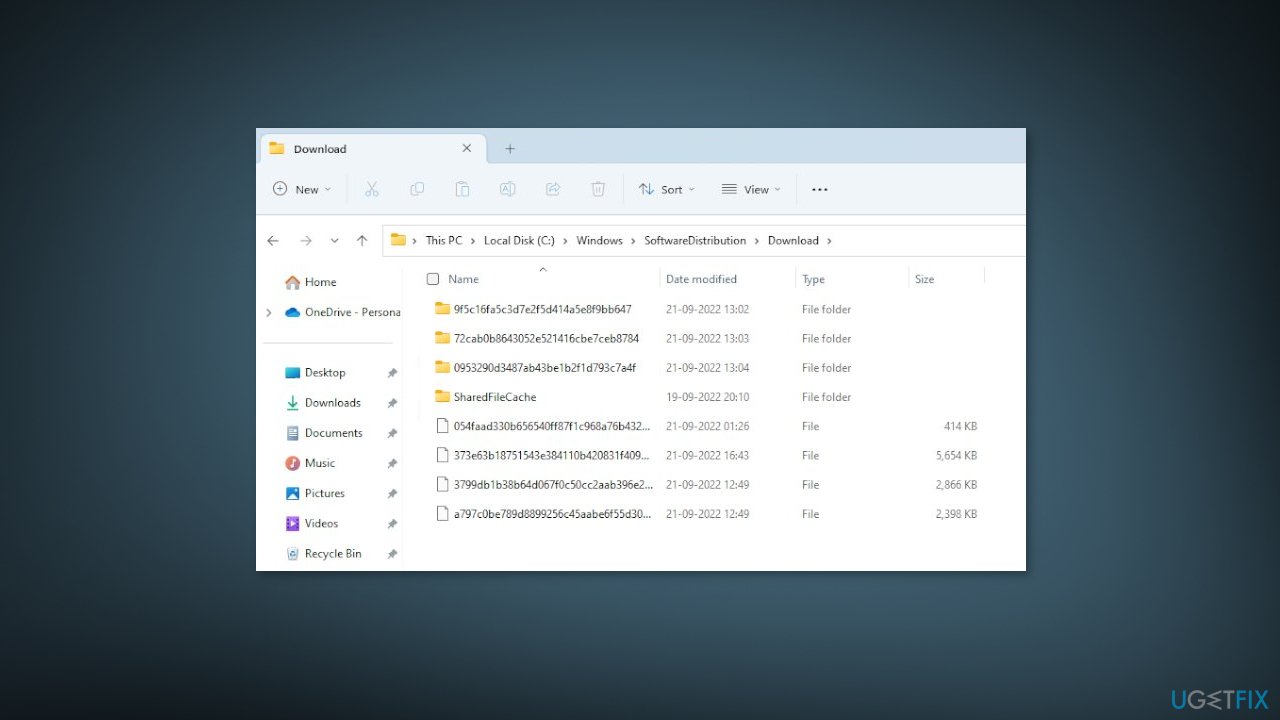
- Select all the items there and Delete them
- Restart your computer
- Open Services again and select Start for each service
Method 5. Install the Update Manually
If automatic download would not succeed, we recommend trying to download and install the update manually.
- Go to the official Microsoft Update Catalog website
- Type the KB number into the search bar, and press Enter
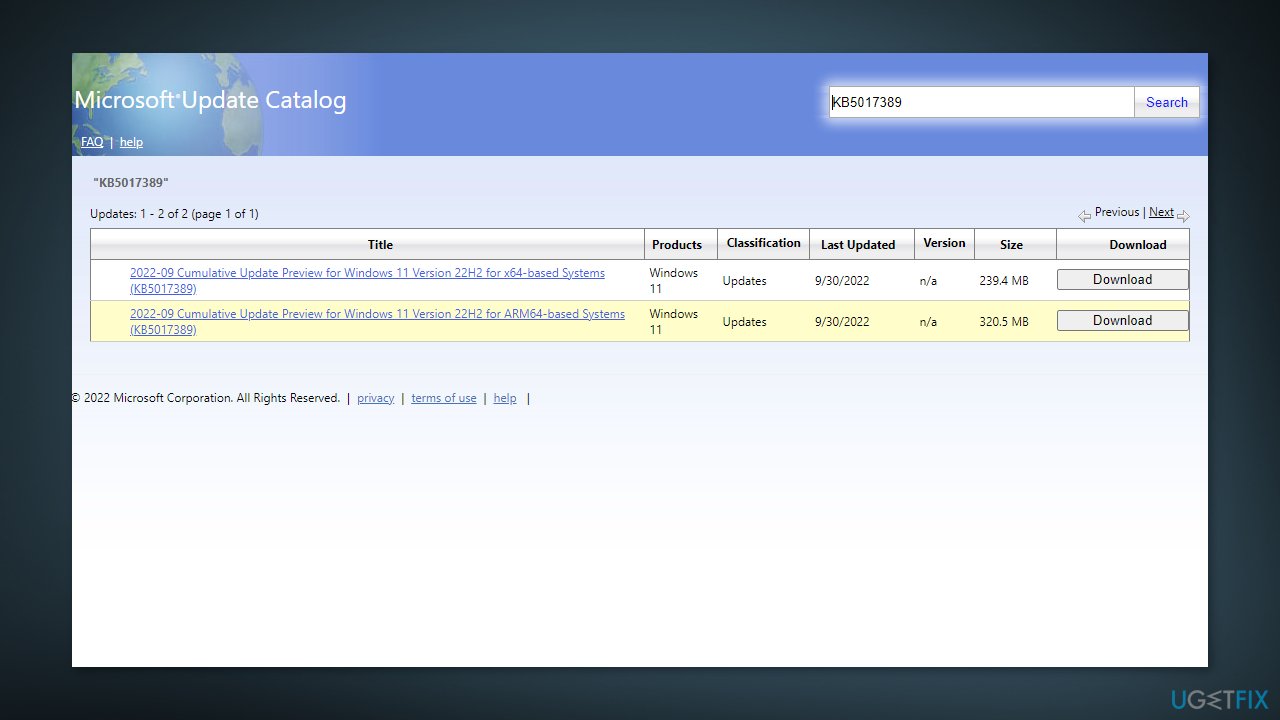
- You will find many different versions on the update – you need to find the one that matches your PC specs and Windows version (as a home user, ignore Windows server versions)
- After picking the correct version, click the Download button and proceed with the on-screen instructions
- Restart your system once done
Method 6. Update Drivers
Outdated drivers could be the cause of the error. In this case, you can fix it automatically by using [rev id="DriverFix"], which will scan your PC for missing and out-of-date device drivers. Or you can update them manually:
- Open Settings
- Click on Update & Security
- Click on Windows Update
- Click the Check for updates button
- Click the View optional updates option
- Click the Driver updates tab
- Select the driver you want to update
- Click the Download and install button
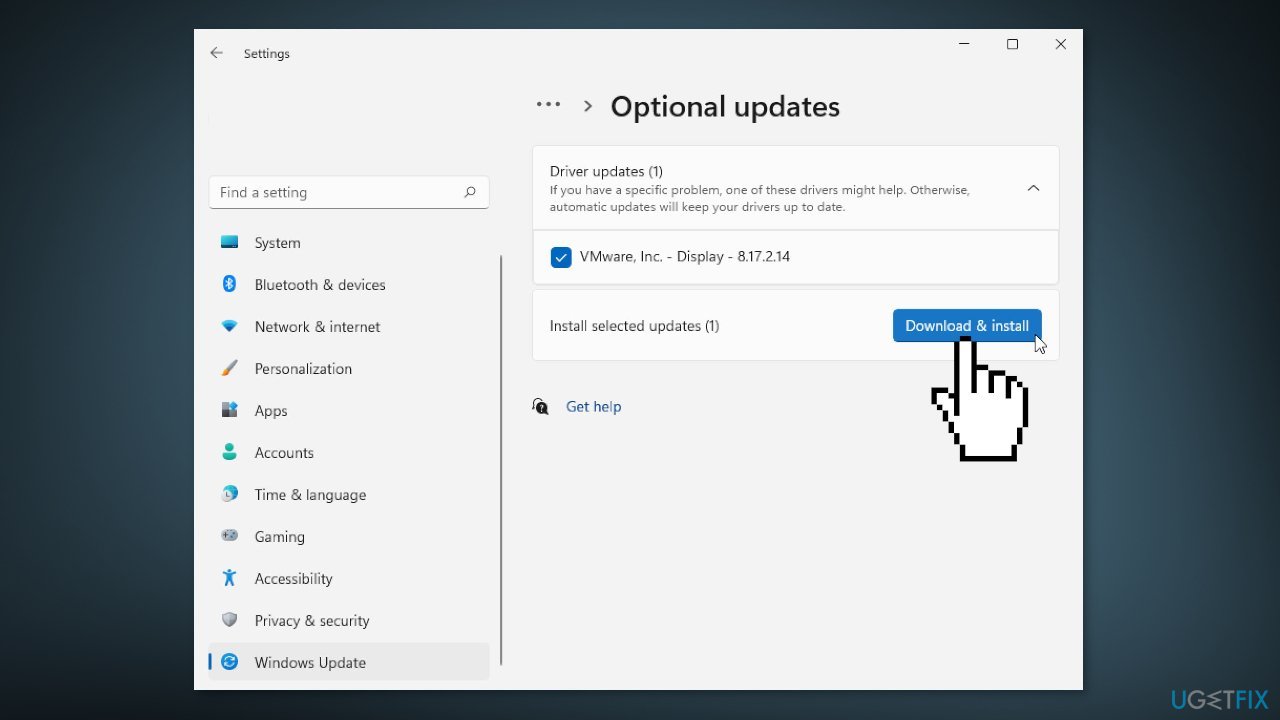
If the View optional updates link is not available after checking for updates, then Windows Update does not have any new drivers or any updates for other products at that particular time.
Method 7. Repair Install Windows
- Visit the official Microsoft website to download Windows 11 Installation Media
- Run the Media Creation Tool and select Create Installation Media for another PC
- Select your USB drive
- Let the Process complete of writing the Installation files to the USB drive
- Click Finish
- On the PC you wish to upgrade, Press Windows + E to open the File Explorer
- Open the Removable drive and click Setup.exe
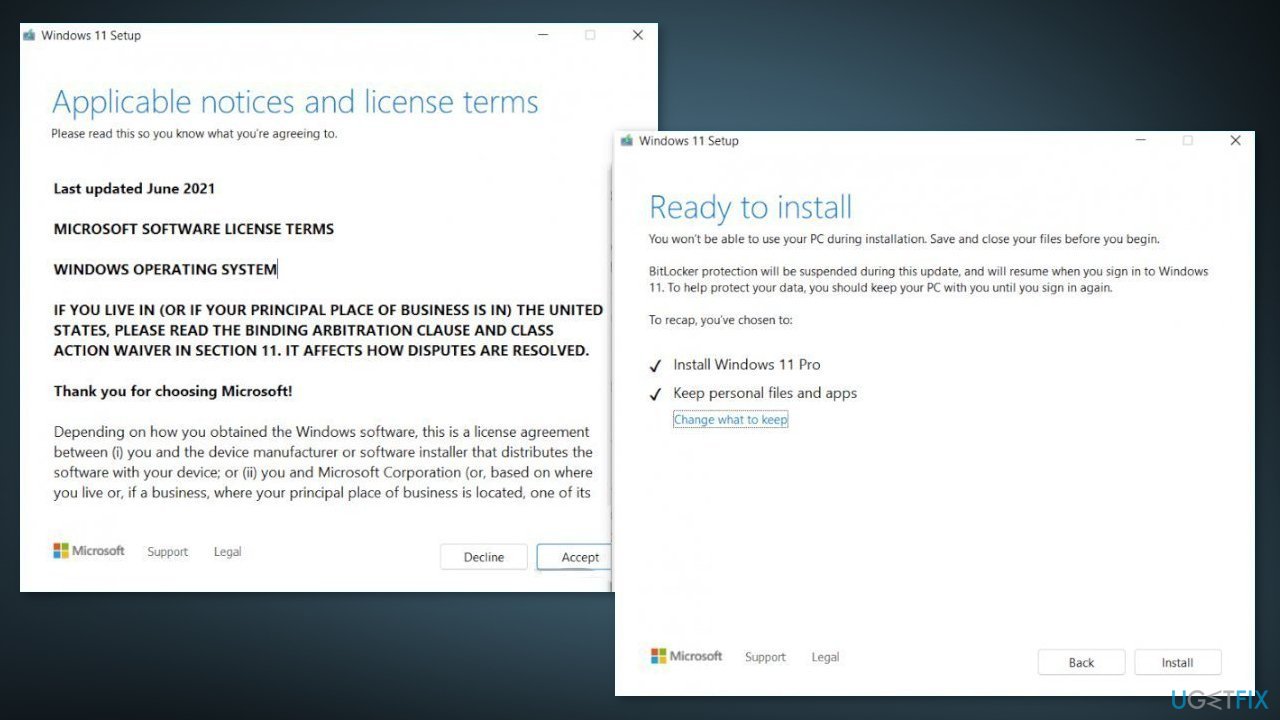
- Accept the license terms on the next screen
- Confirm the Upgrade options – Files, apps and Settings are kept
- Click Install, and the upgrade should start
Bottom line
To fix the KB5017389 installation issue, you can run the Windows Update Troubleshooter, disable third-party antivirus software, and repair corrupted system files using Command Prompt. If these methods do not resolve the problem, consider using a maintenance tool or seeking further assistance.
Frequently asked questions
Try resetting the Windows Update components by running the 'Windows Update Troubleshooter' found in the Settings app under 'Update & Security'. If that doesn't work, consider downloading the update manually from the Microsoft Update Catalog.
You can check the update history in Windows 11 by going to 'Settings', then 'Windows Update', and selecting 'Update history'. Look for KB5017389 and see if it shows any error messages or failed installation attempts.
Yes, some users have reported installation failures and system performance issues after installing KB5017389. It's recommended to check the Microsoft support page for any updates or patches related to these issues.




Report an issue
What's wrong with this guide? We review every report and update or remove content.
Report received — thank you. We'll review and fix it.
You need a free account to submit a report.
Be the first to comment