How to fix
KB5030509 fails to install
on Windows
Resolve KB5030509 installation issues in Windows 11 effortlessly with our expert-tested solutions. Get back on track in minutes!

What causes How to fix KB5030509 fails to install in Windows 11?
- Corrupted Windows Update Cache
- Interference from Third-Party Programs
- Network Issues
- Corrupted System Files
Repairs Windows system files, removes malware, and restores a clean OS state — without reinstalling.
Hello. I tried installing the KB5030509 update for Windows 11 but it failed. What should I do?
Many users have expressed worry over the failure of Windows configuration update KB5030509 to install on Windows 11, as they have had issues during the upgrade process. Users may suffer serious consequences from this problem in a number of ways, including potential security flaws and missing out on new features and enhancements.
First of all, users may be subject to security concerns if the update KB5030509 is unable to be installed. Important security patches and bug fixes that shield the system from attacks and vulnerabilities are frequently included in updates. Users' PCs can be more vulnerable to malware, data breaches, and other security risks if these upgrades aren't installed.
The latest features and improvements that the update is expected to provide may also be missed by users. Performance, stability, and user experience enhancements are frequently included in Windows updates. Users who do not install KB5030509 will not be able to use these improvements, which may negatively affect their overall computing experience. The reasons behind the failure of KB5030509 to install can vary, but some common culprits include:
- Corrupted Windows Update Cache: Corrupted cache files can interfere with the update process, preventing the installation of KB5030509.
- Interference from Third-Party Programs: Certain third-party software or security applications can conflict with Windows updates, leading to installation failures.
- Network Issues: Problems with the network connection, such as intermittent connectivity or slow speeds, may disrupt the download and installation of updates.
- Corrupted System Files: If critical system files are corrupted, it can hinder the update process.
Depending on the underlying reason, users may need to take particular steps to fix these problems and install KB5030509. Solutions may include clearing the Windows Update cache, disabling or temporarily uninstalling conflicting third-party programs, troubleshooting network problems, and repairing corrupted system files.
In this guide, you will find 6 steps that should help you fix KB5030509 fails to install in Windows 11. You can also run a maintenance tool like [d1] that can fix most system errors, BSODs,[ref en-1] corrupted files, registry[ref en-2] issues, or clear cookies and cache.[ref en-3] Otherwise, follow the step-by-step instructions below.

Solution 1. Repair Corrupted System Files
Use Command Prompt commands to repair system file corruption:
- Open Command Prompt as administrator
- Use the following command and press Enter:
sfc /scannow
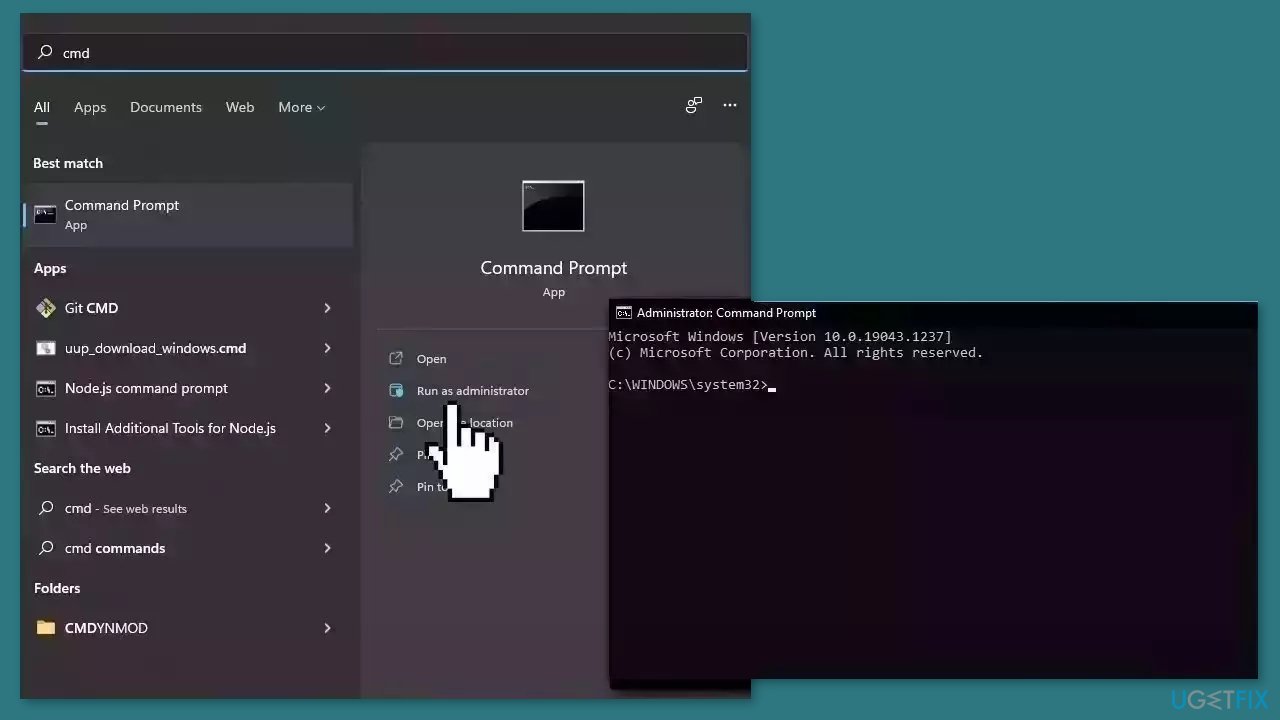
- Reboot your system
- If SFC returned an error, then use the following command lines, pressing Enter after each:
DISM /Online /Cleanup-Image /CheckHealth
DISM /Online /Cleanup-Image /ScanHealth
DISM /Online /Cleanup-Image /RestoreHealth
Solution 2. Run Windows Update Troubleshooter
- Click the Windows button and select Settings
- Select System from the left pane, then scroll down on the right pane, and click on Troubleshoot
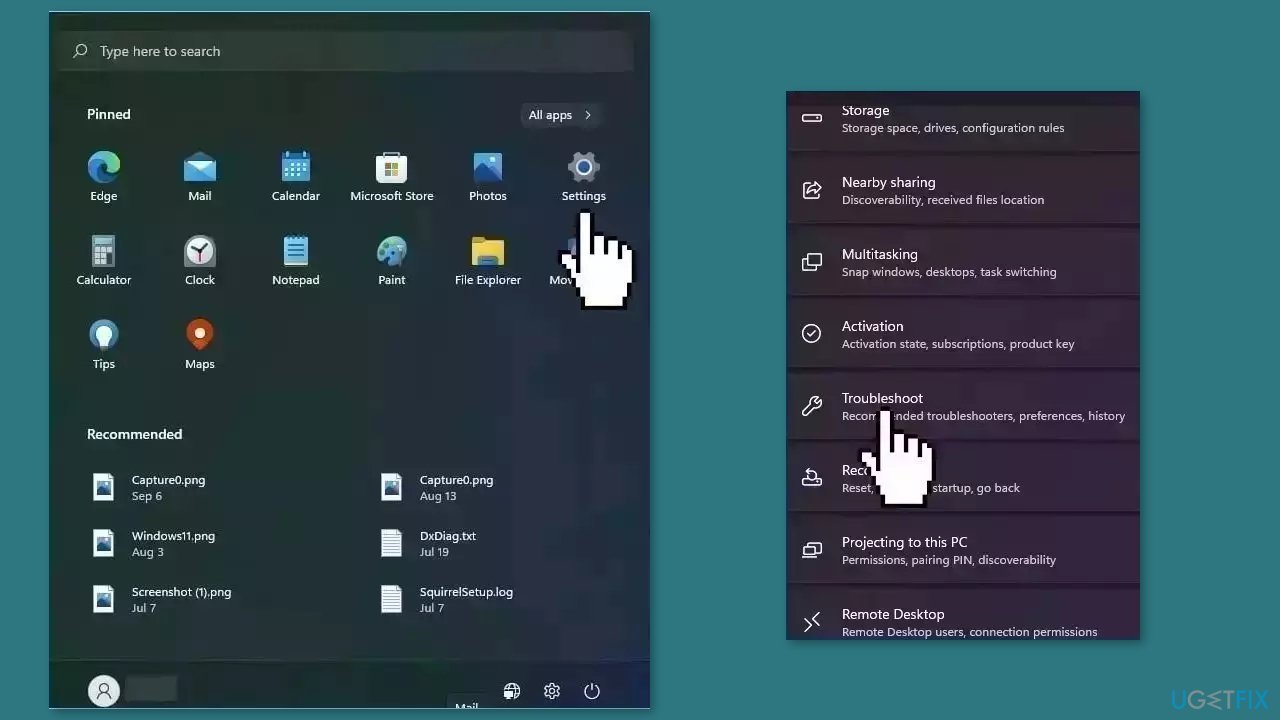
- Click on Other troubleshooters
- Locate the Windows Update troubleshooter and hit the Run button
Solution 3. Restart Windows Services
- Type services in the search bar and launch the Services utility
- Find Windows Update in the list
- Double-click on it, set the Startup type to Automatic, and click Apply
- Now click on Restart the Service
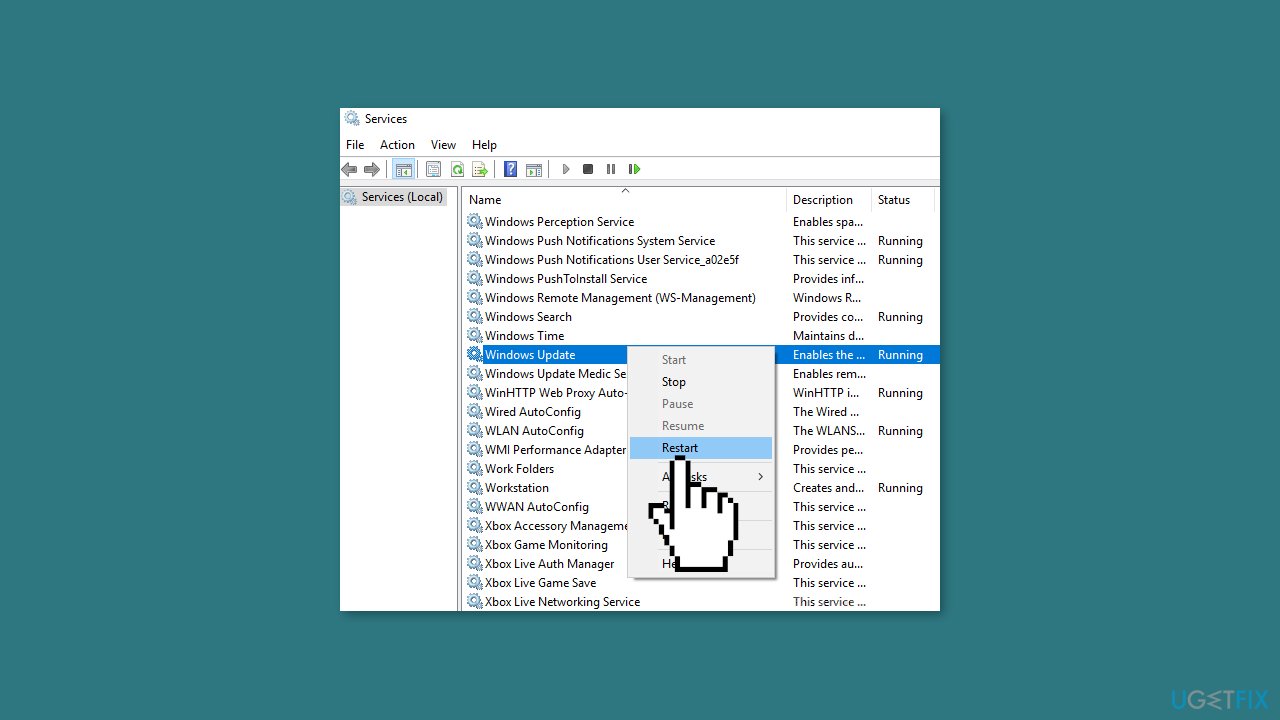
- Do the same with Background Intelligent Transfer Service
Solution 4. Reset Windows Update Components
- Type cmd in the search bar.
- Right-click on Command Prompt in the search results.
- Select Run as administrator.
- In the Command Prompt window:
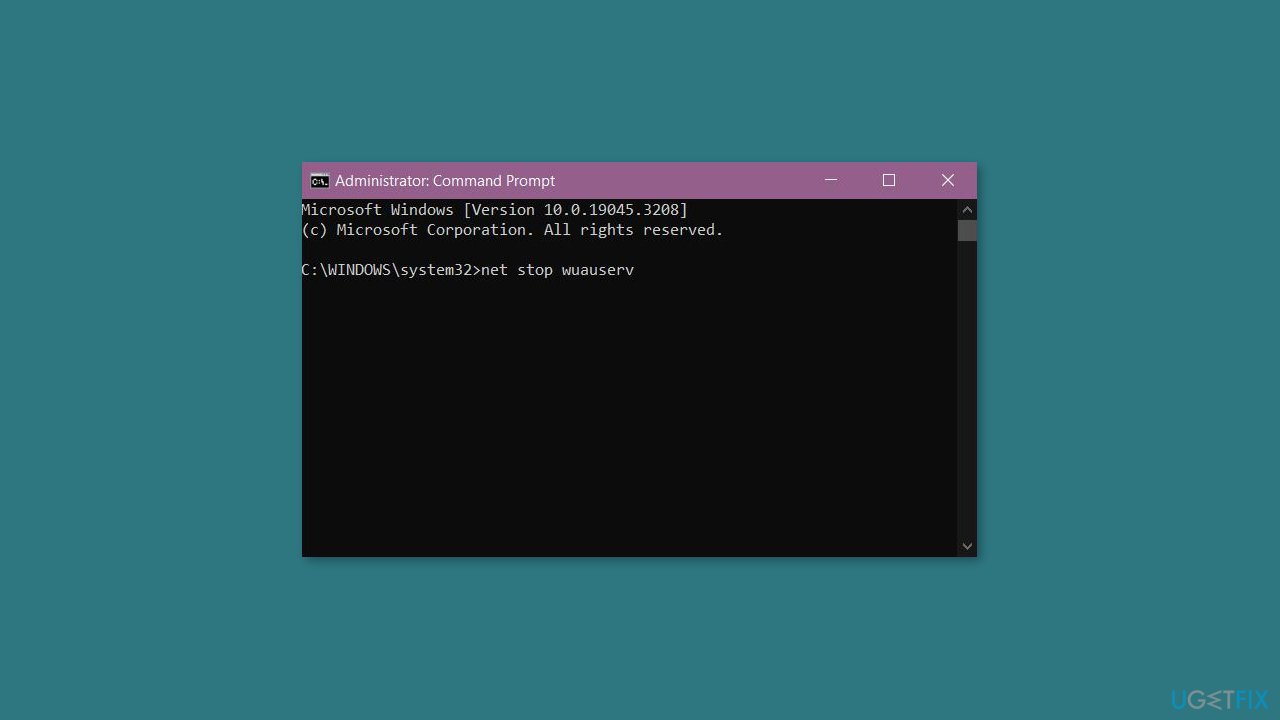
- Type the following commands one by one and press Enter after each:
net stop wuauserv
net stop cryptSvc
net stop bits
net stop msiserver
- Execute the following commands one by one:
net start wuauserv
net start cryptSvc
net start bits
net start msiserver
- Restart your PC.
- Check to see if the issue has been resolved.
Solution 5. Try Clean Boot
- Open the Search menu, type in system configuration, and press Enter.
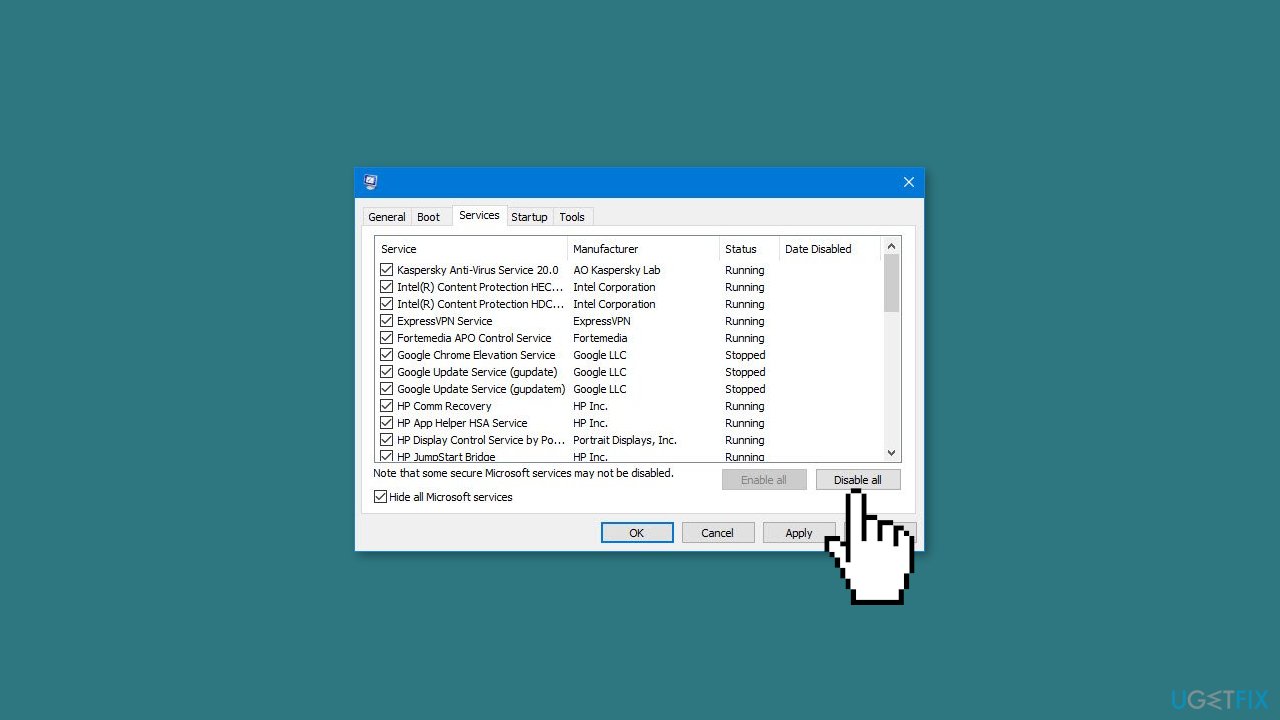
- Under the Services tab, tick the Hide all Microsoft services box.
- Click on Disable all button.
- Head over to the Startup tab and click on Open Task Manager.
- Select a third-party program and click on Disable at the top.
- Repeat this step to disable all third-party apps and programs.
- Restart your PC to enter the clean boot state and see if the issue persists.
- If the issue disappeared in the clean boot state, then you can be certain that a third-party app is causing it.
- Go through all recently installed apps or programs and remove them one by one.
Solution 6. Use Installation Media
If none of the previous steps helped you resolve the issue, your current installation of Windows may be corrupt. Perform a repair installation and see if it fixes the issue of updates not installing.
- Visit the official Microsoft website to download Windows 11 Installation Media.
- Run the Media Creation Tool and select Create Installation Media for another PC.
- Select your USB drive.
- Let the Process complete of writing the Installation files to the USB drive.
- Click Finish.
- On the PC you wish to upgrade, Press Windows + E to open the File Explorer.
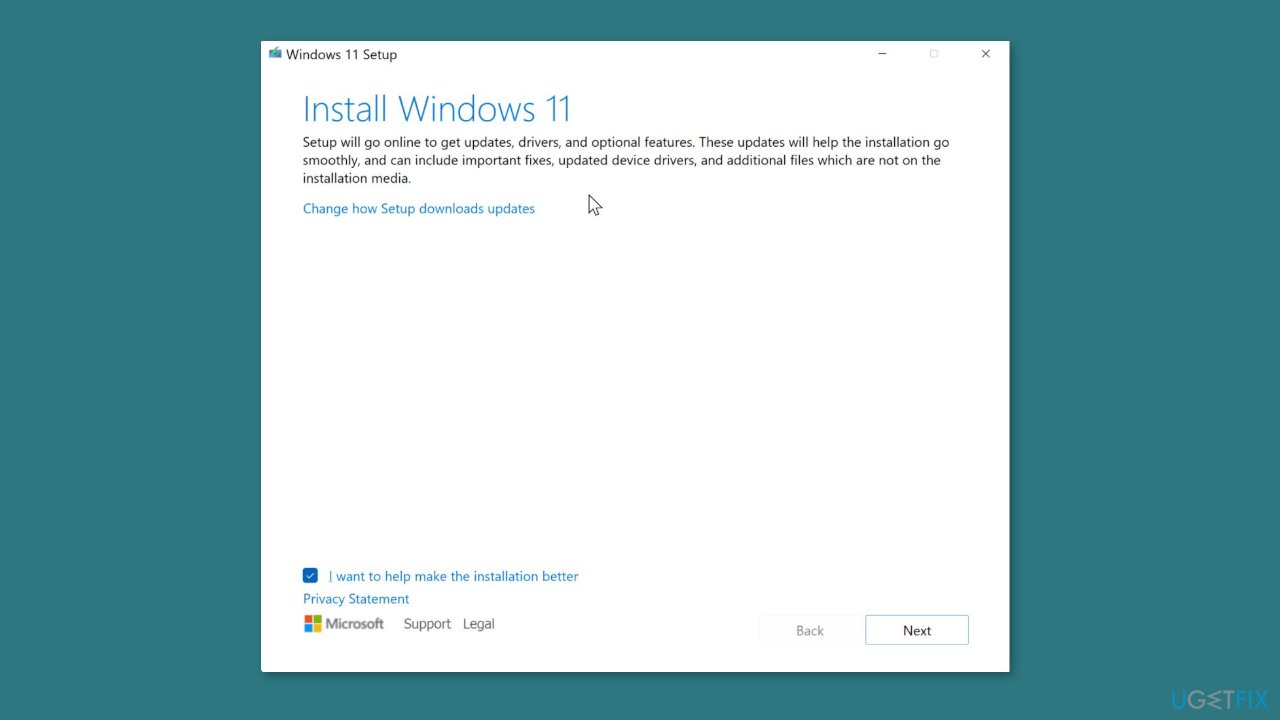
- Open the Removable drive and click Setup.exe.
- Accept the license terms on the next screen.
- Confirm the Upgrade options – Files, apps and Settings are kept.
- Click Install, and the upgrade should start.
Bottom line
To fix the installation failure of KB5030509, users can clear the Windows Update cache, disable or temporarily uninstall conflicting third-party programs, troubleshoot network problems, and repair corrupted system files. If these solutions do not resolve the issue, consider running a maintenance tool to address system errors.
Frequently asked questions
First, try running the Windows Update Troubleshooter, which can help identify and fix issues related to updates. You can access it through Settings > Update & Security > Troubleshoot > Additional troubleshooters.
You can manually download the update from the Microsoft Update Catalog website by searching for KB5030509 and selecting the appropriate version for your system. After downloading, run the installer and follow the prompts to complete the installation.
Yes, sometimes antivirus programs can interfere with Windows updates; temporarily disabling your antivirus might resolve the issue. Remember to re-enable it after attempting the update.




Report an issue
What's wrong with this guide? We review every report and update or remove content.
Report received — thank you. We'll review and fix it.
You need a free account to submit a report.
Be the first to comment