How to fix
Nvcpl.dll missing or not found error
on Windows
Resolve the Nvcpl.dll missing error in Windows 10 or 11 easily with expert-tested solutions. Get your system running smoothly in minutes!

What causes How to fix Nvcpl.dll missing or not found error in Windows?
- Nvcpl.dll file is missing
- Nvcpl.dll file is corrupted
- Nvidia graphics driver is not installed
- Nvidia graphics driver is outdated
- System instability or crashes
Repairs Windows system files, removes malware, and restores a clean OS state — without reinstalling.
Hello. When I try to play games I keep getting the Nvcpl.dll is missing or not found errors. Is there a way to fix this?
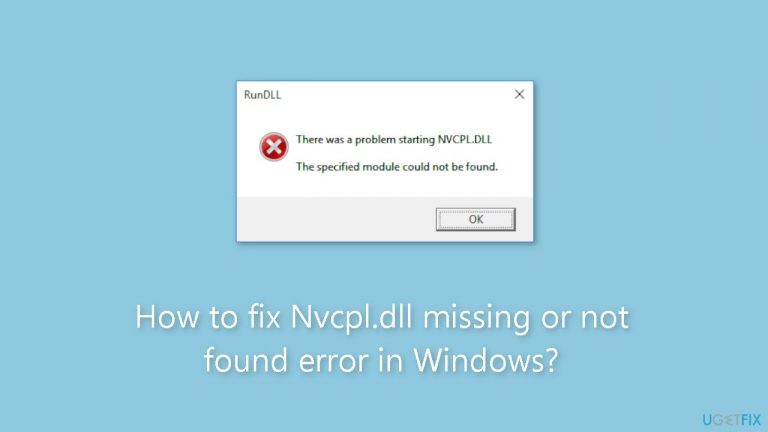
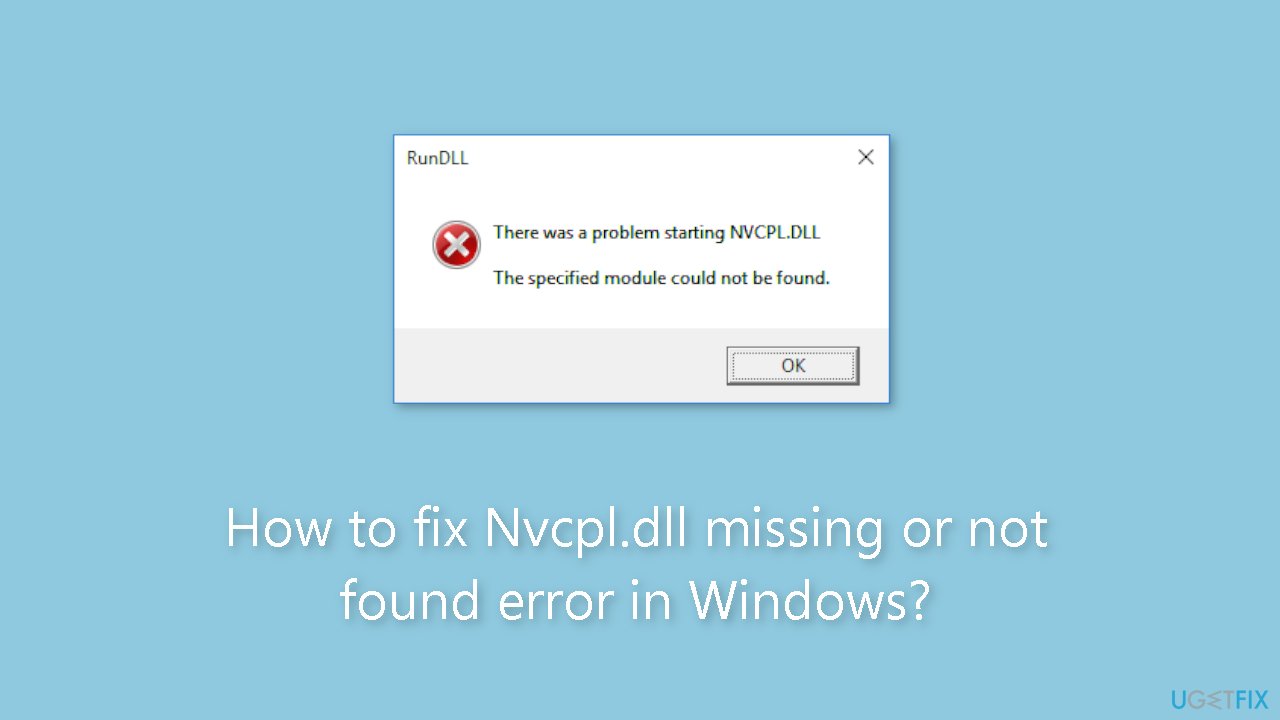
When attempting to launch a program or game that requires the Nvidia graphics card, Windows users may encounter the Nvcpl.dll missing or not found error. The error message is typically displayed as a pop-up window with the following message:
The program can't start because nvcpl.dll is missing from your computer. Try reinstalling the program to fix this problem.
DLL files, also known as Dynamic Link Libraries,[ref en-1] are files in Windows that contain code and data that can be shared by multiple programs or processes. They contribute to the operating system's performance and efficiency by allowing programs to access shared resources rather than creating their own. DLL files are required by the Windows operating system and many third-party applications, such as device drivers.
The Nvcpl.dll file is a dynamic link library (DLL) file associated with Nvidia graphics cards. It contains code that the Nvidia Control Panel requires to function properly. The Nvidia Control Panel may fail to launch or function properly if this file is missing or corrupted, resulting in the error message.
This problem may prevent users from configuring and optimizing their graphics card settings using the Nvidia Control Panel. This can cause poor performance or graphical issues in games and other applications that rely on the graphics card. If the problem is not resolved, users may experience system instability or crashes.
Reinstalling the Nvidia graphics driver or performing a clean installation of the graphics driver are two possible solutions to this problem. Users may also be able to restore the missing DLL file by running the System File Checker (SFC) utility or downloading and installing the missing DLL file from a trustworthy source.
In this guide, you will find 6 steps that should help you fix Nvcpl.dll missing or not found error in Windows. you can also try using a system repair tool like [d1] that can fix most system errors, BSODs,[ref en-2] corrupted files, and registry[ref en-3] issues. Otherwise, follow the step-by-step instructions below.
Solution 1. Fix Corrupted System Files
Use Command Prompt commands to repair system file corruption:
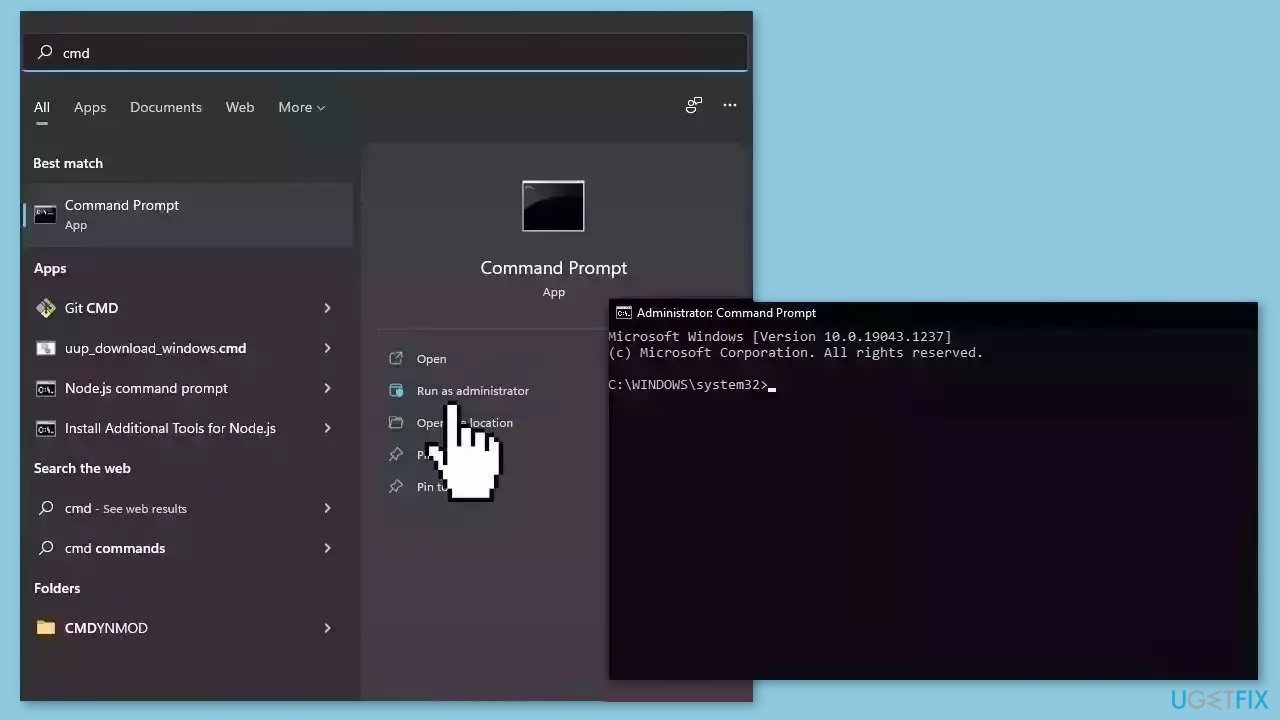
- Open Command Prompt as administrator
- Use the following command and press Enter:
sfc /scannow
- Reboot your system
- If SFC returned an error, then use the following command lines, pressing Enter after each:
DISM /Online /Cleanup-Image /CheckHealth
DISM /Online /Cleanup-Image /ScanHealth
DISM /Online /Cleanup-Image /RestoreHealth
Solution 2. Install Windows Updates
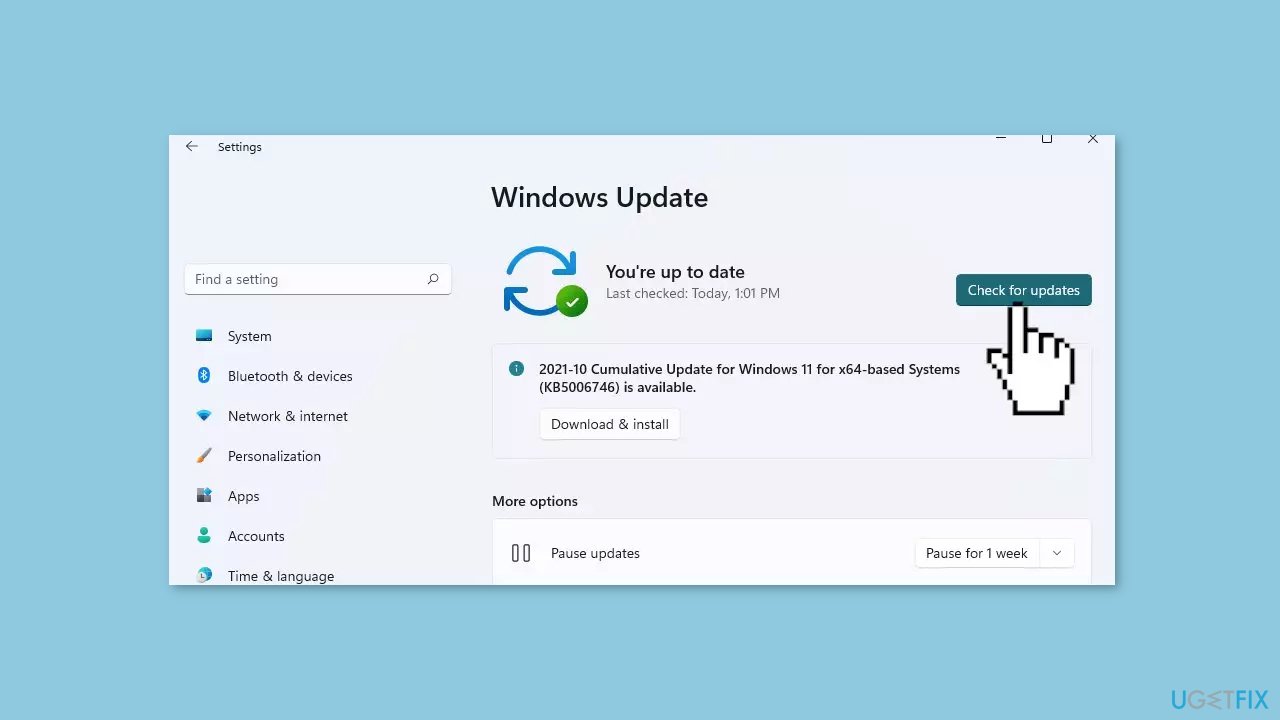
- Click Start on the taskbar.
- Select the Setting app pinned to the Start menu.
- Click Windows Update on the left side of Settings.
- Press the Check for updates button to download and install new patch updates.
Solution 3. Reinstall the Nvidia Driver
- Right-click the Start Menu.
- Select Device Manager from the menu.
- Expand the Display adapter section.
- Select your Nvidia driver from the list.
- Right-click on the driver and select Uninstall device.
- Confirm the process by clicking on Uninstall.
- Go to the Nvidia driver’s download page.
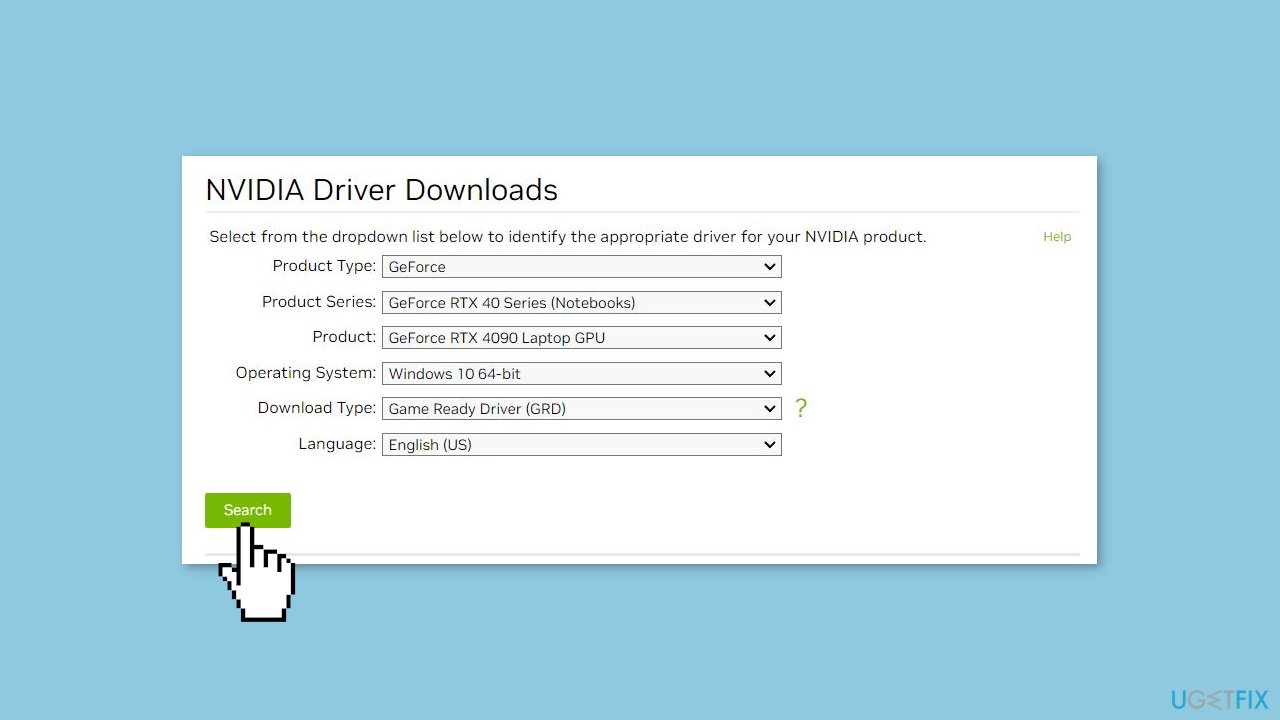
- Input your PC’s information (such as the model and operating system).
- Click on Search to find the appropriate driver.
- Locate the driver from the list of results and click Download.
- Double-click the downloaded file to start the installation process.
- Follow the prompts given by the installer to complete the driver installation.
You can also use a dedicated utility like [rev id="DriverFix"] that can find the best drivers for your machine and install them automatically.
Solution 4. Run a Malware Scan
It is possible that a malware infection may be the cause of the Nvcpl.dll missing or not found error in Windows. It is important to run a comprehensive security scan to rule out this possibility and ensure that the computer is not infected. This can help to prevent further issues with the Windows operating system and ensure that it is functioning properly.
If you have access to a security scanner, or if your organization pays for one, you can use it to scan your entire system to check for a virus infection. Otherwise, you can use Windows Defender to scan your system:
- Click on the Windows Start menu or press the Windows key on your keyboard
- Type Microsoft Defender in the search bar and click on Microsoft Defender Antivirus to open the application
- Click on the Virus & threat protection option in the left-hand menu
- Click on the Quick scan or Full scan option, depending on your preference
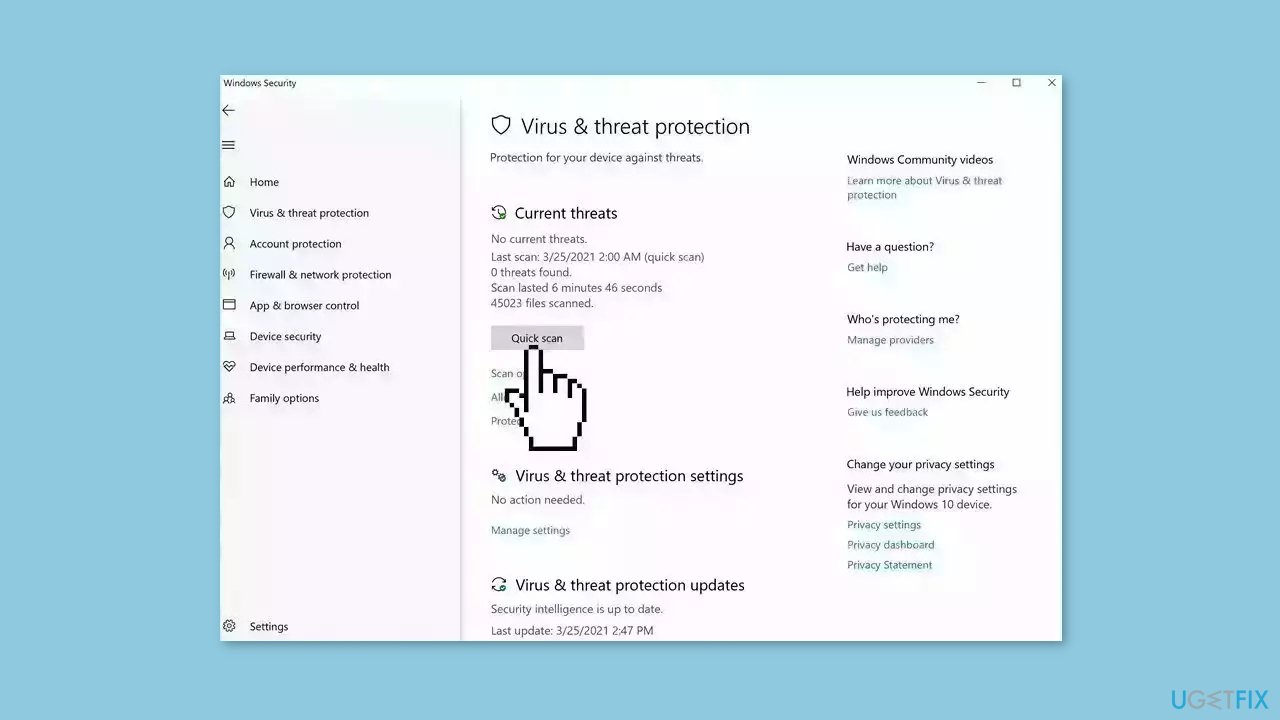
- If you choose Quick scan, Microsoft Defender Antivirus will scan the most vulnerable and commonly infected areas of your computer
- If you choose Full scan, Microsoft Defender Antivirus will scan your entire computer, including all files, folders, and programs
- Click on the Scan now button to start the selected scan type and wait for the scan to complete
- The time it takes will depend on the size of your hard drive and the number of files being scanned
- Once the scan is complete, you will be informed of any detected threats, and you can choose to quarantine or remove them
- If no threats are found, Microsoft Defender Antivirus will inform you that your device is secure
Solution 5. Use System Restore
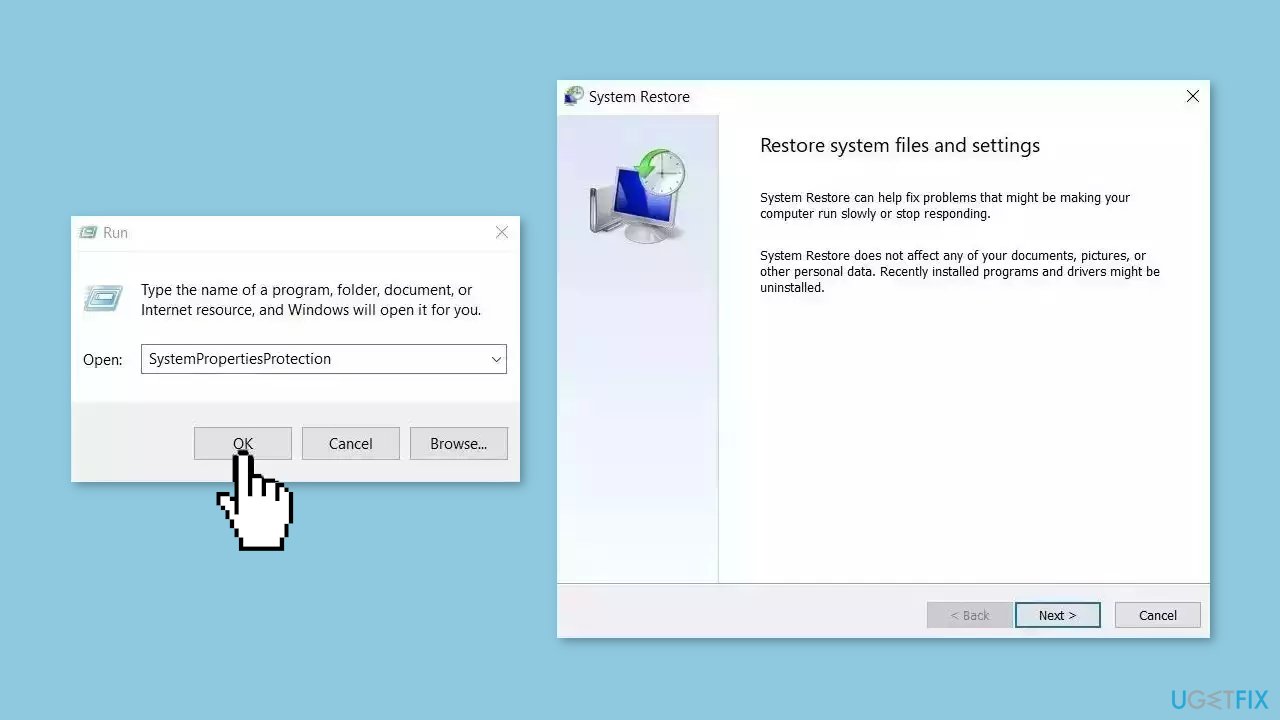
System Restore is a feature in Microsoft Windows that allows users to revert their computer's state to a previous point in time. This can be helpful if you have made changes to your system that are causing problems.
- Go to the Start menu, type restore, and click on Create a restore point.
- Click System Restore, then follow the prompts until you can select a restore point.
- Select the one you want (ideally before the issue started occurring) and go ahead with the process.
Solution 6. Repair Install Windows
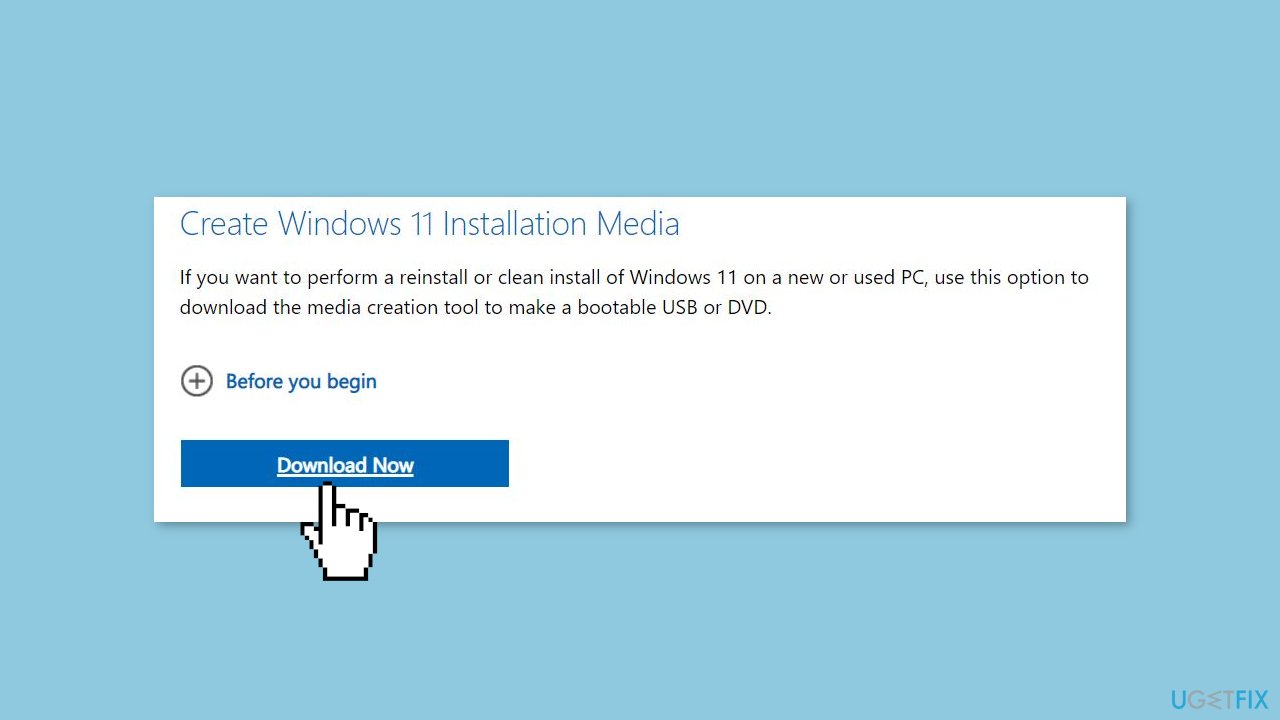
- Visit the official Microsoft website to download Windows 11 or Windows 10 Installation Media
- Run the Media Creation Tool and select Create Installation Media for another PC.
- Select your USB drive.
- Let the Process complete of writing the Installation files to the USB drive.
- Click Finish.
- On the PC you wish to upgrade, Press Windows + E to open the File Explorer.
- Open the Removable drive and click Setup.exe.
- Accept the license terms on the next screen.
- Confirm the Upgrade options – Files, apps and Settings are kept.
- Click Install, and the upgrade should start.
Bottom line
To fix the Nvcpl.dll missing or not found error, you can reinstall the Nvidia graphics driver, perform a clean installation of the graphics driver, or run the System File Checker (SFC) utility. If these solutions do not resolve the issue, consider downloading the missing DLL file from a trustworthy source or using a system repair tool.
Frequently asked questions
The Nvcpl.dll missing error typically occurs due to corrupted NVIDIA graphics drivers, malware infections, or accidental deletion of the file. Ensuring that your drivers are up to date can often resolve the issue.
You can restore the Nvcpl.dll file by reinstalling the NVIDIA graphics drivers or using the System File Checker tool to repair any corrupted system files. Running 'sfc /scannow' in the Command Prompt can help fix the issue.
Downloading Nvcpl.dll from third-party websites is not recommended, as it may lead to further issues or malware infections. Always obtain the file through official NVIDIA drivers or system recovery options.




Report an issue
What's wrong with this guide? We review every report and update or remove content.
Report received — thank you. We'll review and fix it.
You need a free account to submit a report.
Be the first to comment