How to fix
Windows update error 0x80070008
on Windows
Resolve Windows update error 0x80070008 quickly with expert-tested solutions. Get your system running smoothly again in minutes with easy-to-follow steps.

What causes How to fix Windows update error 0x80070008?
- Lack of available disk space
- Problems with the update service
- Issues with the system's network connectivity
- Corrupted system files
- SoftwareDistribution folder issues
Repairs Windows system files, removes malware, and restores a clean OS state — without reinstalling.
Hello. I tried to install the most recent update on my Windows 10 computer but I received the 0x80070008 error. What should I do to fix this?
Error 0x80070008 is a common error that can occur when trying to install updates on a Windows operating system. This error can be caused by a variety of factors, including a lack of available disk space, problems with the update service, or issues with the system's network connectivity.
If the issue is related to network connectivity, you may be able to resolve it by checking your internet connection and ensuring that it is stable. You can also try resetting your network settings or restarting your router. One possible resolution for this error is to ensure that the system has enough available disk space to install the updates. To do this, you can try deleting unnecessary files or programs or moving large files to an external hard drive or cloud storage.
If the issue is related to the update service, you may be able to resolve it by stopping the update service and then restarting it. Since it is unknown why exactly this error occurs, you will find 7 possible solutions in this guide. However, the manual troubleshooting process can be lengthy.
If you want to avoid it, you can try using a maintenance tool like [d1]. It can automatically fix most system errors, BSODs,[ref en-1] corrupted files, registry[ref en-2] issues, or clear cookies and cache.[ref en-3] Otherwise, follow the step-by-step instructions below.
Solution 1. Repair Corrupted System Files
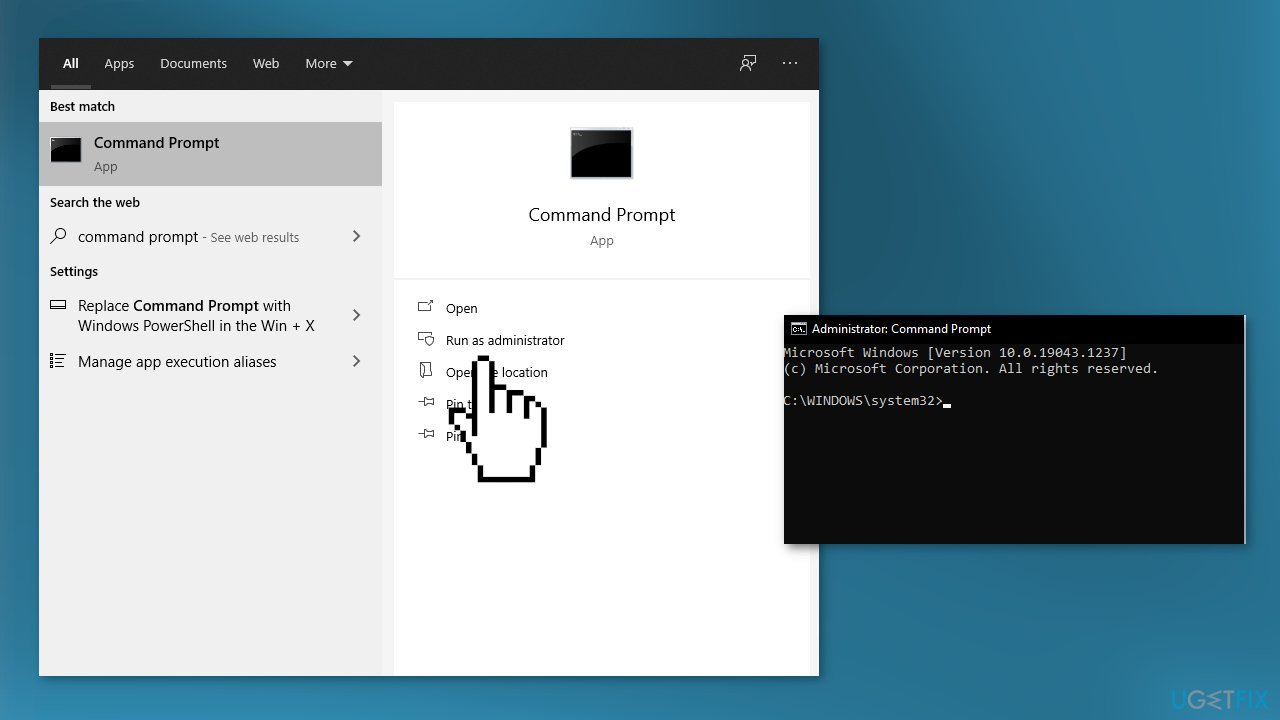
Use Command Prompt commands to repair system file corruption:
- Open Command Prompt as administrator
- Use the following command and press Enter:
sfc /scannow
- Reboot your system
- If SFC returned an error, then use the following command lines, pressing Enter after each:
DISM /Online /Cleanup-Image /CheckHealth
DISM /Online /Cleanup-Image /ScanHealth
DISM /Online /Cleanup-Image /RestoreHealth
Solution 2. Run the Update Troubleshooter
- Press the Windows + X keys and go to Settings
- Go to Update and Security
- Click Troubleshooter
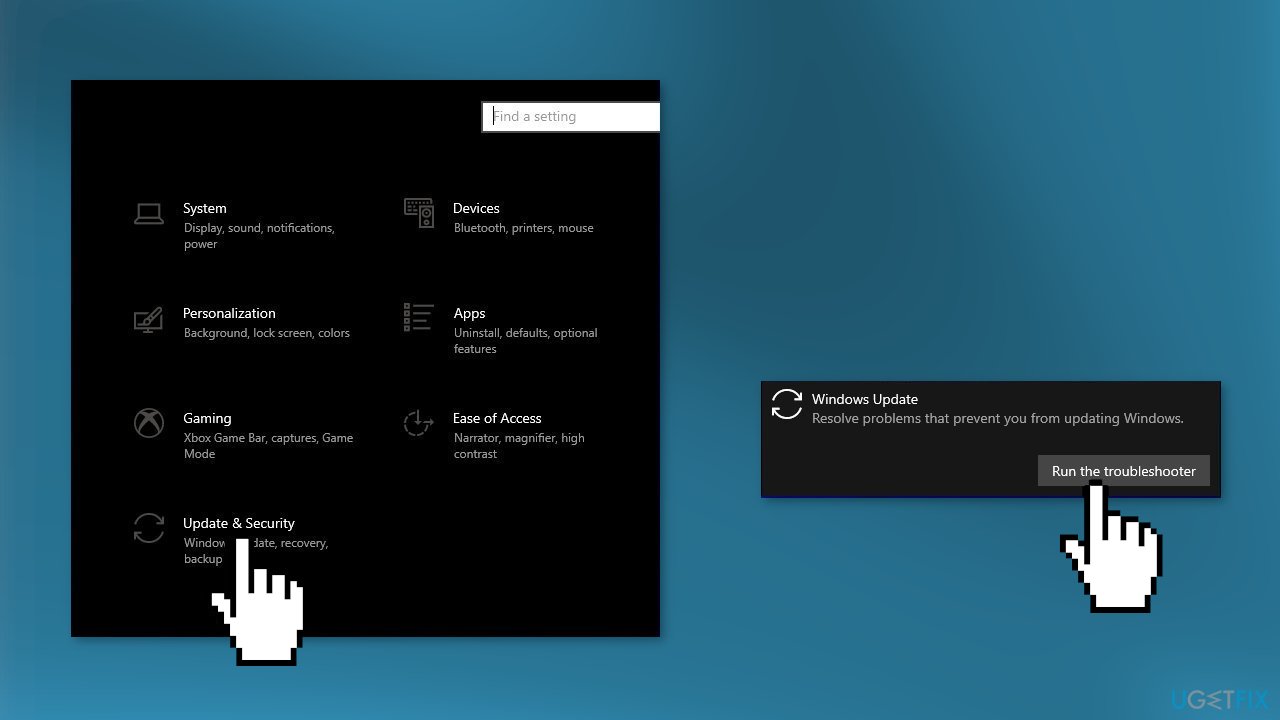
- Select Additional troubleshooters
- Run the Update troubleshooter
- Restart
Solution 3. Clear the SoftwareDistribution Folder
- Press the Windows key + R to open the Run command box
- Type services.msc and click OK
- In the Services control panel locate the Windows Update service
- Right-click on the Windows Update service and select Stop
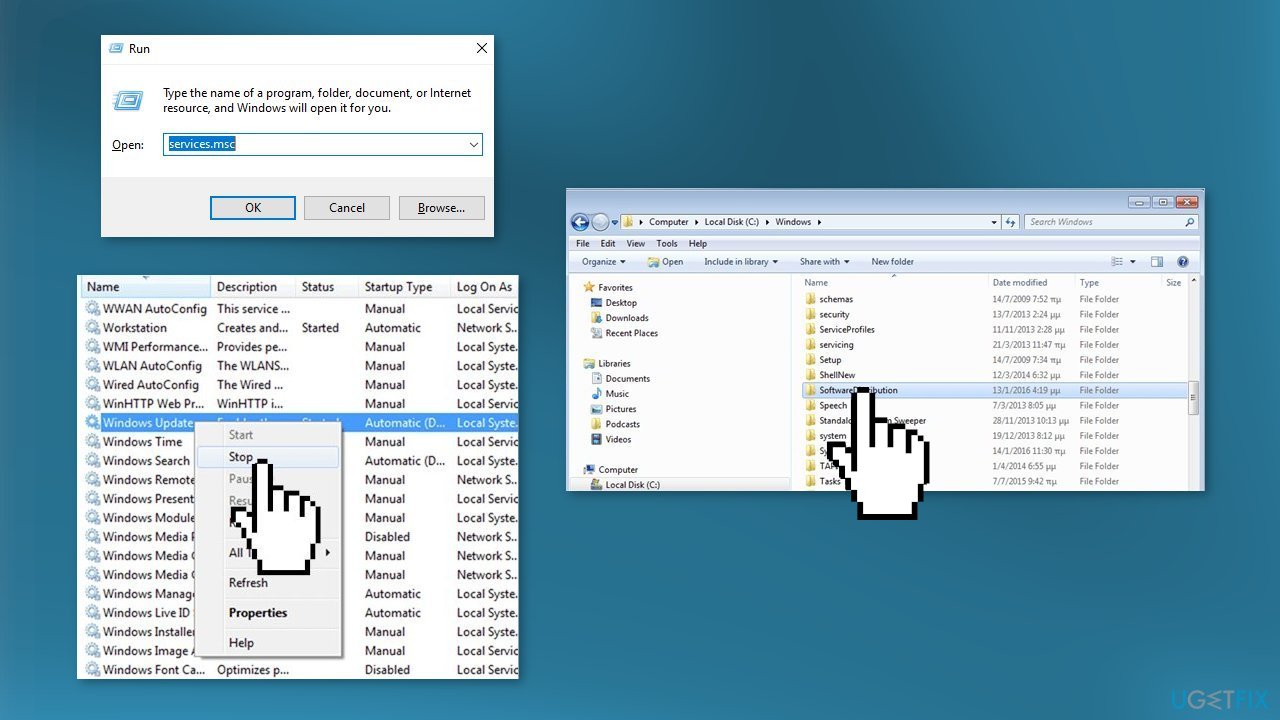
- Now open Windows Explorer and navigate to: C:\Windows folder
- Find the SoftwareDistribution folder and Delete its contents
Solution 4. Restart Windows Update Service
- Press the Windows key + R to open the Run window
- Type services.msc and press Enter
- Find the Windows Update service
- Right-click on it and select Properties
- Change the Startup type to Automatic
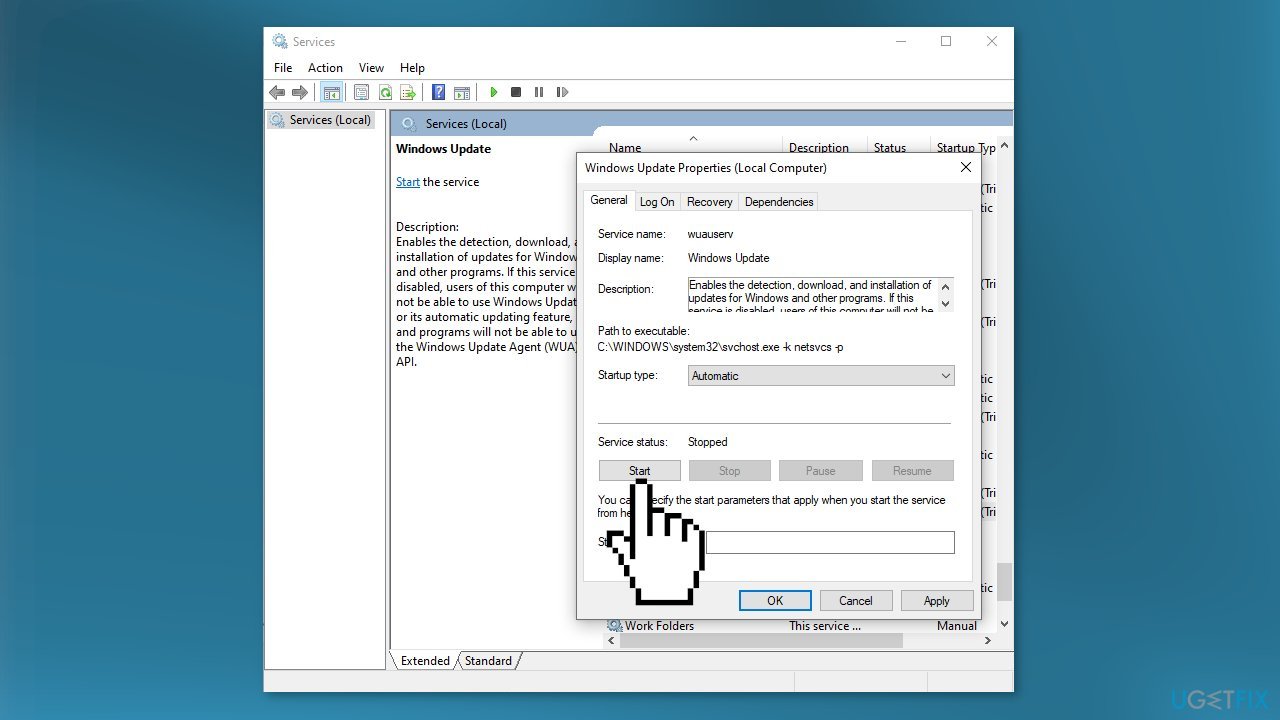
- Click on Apply button to save the changes
- Start the Windows Update service by clicking on the Start button
- If your service is already enabled then click on Restart
- Reboot your computer and check if the issue is fixed
Solution 5. Reset Windows Update Components
- Press the Windows key + R to open the Run dialog box
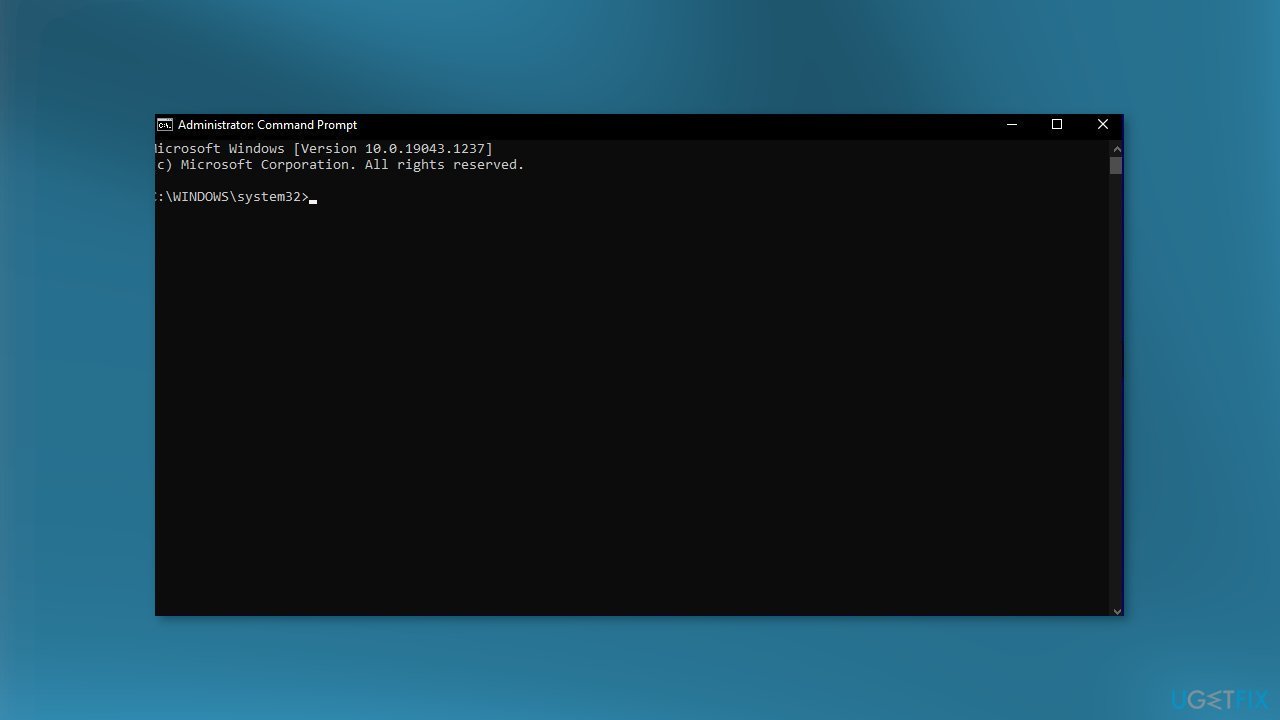
- Type cmd and press Ctrl + Shift + Enter to open up an elevated Command Prompt
- Type the following commands in order and press Enter after each one:
net stop wuauserv
net stop cryptSvc
net stop bits
net stop msiserver
ren C:\Windows\SoftwareDistribution SoftwareDistribution.old
ren C:\Windows\System32\catroot2 Catroot2.old
net start wuauserv
net start cryptSvc
net start bits
net start msiserver
- Restart your computer
Solution 6. Install the Update Manually
Whenever Windows updates fail to install automatically, you can always try doing it manually. First, you need to find out which KB number is relevant to you.
- Right-click Start button and pick Settings
- Go to Update & Security
- On the right, locate and click View update history
- From the list, note the KB number that fails to install with the error code
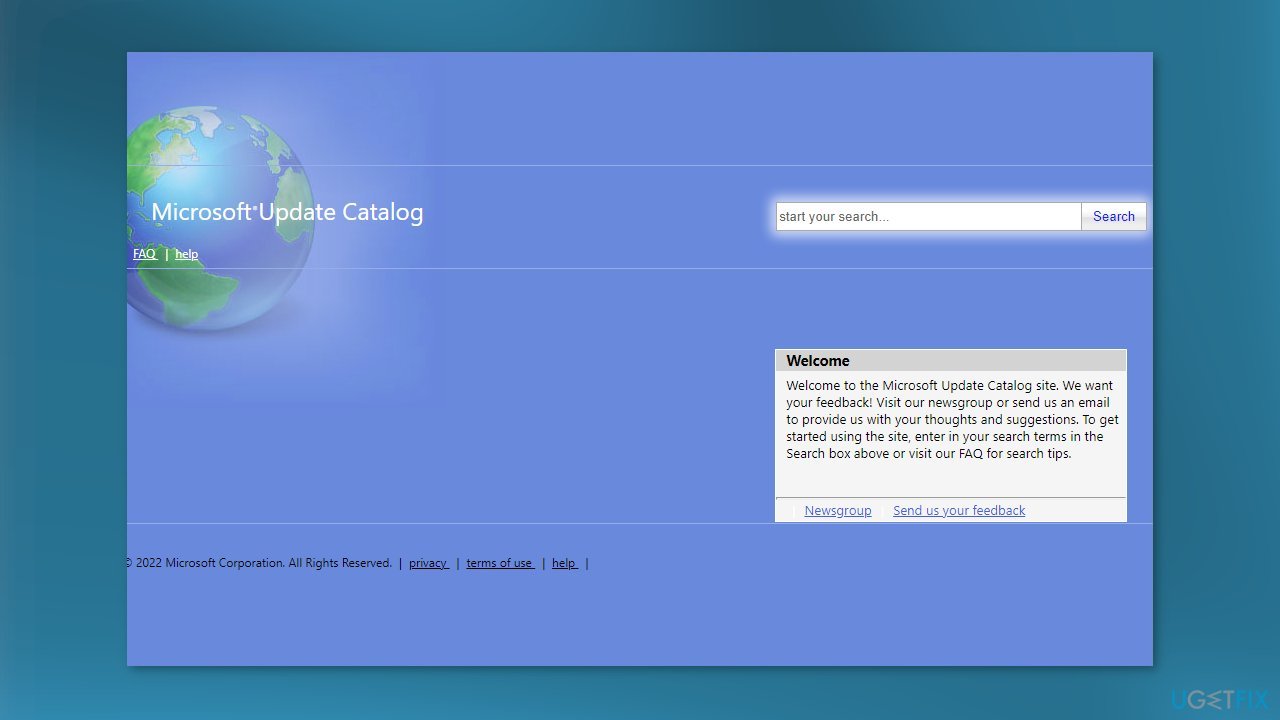
- Go to Microsoft Update Catalog page, type in the KB number and press Search
- Download the update and install it manually
Solution 7. Update via Media Creation Tool
- Download Windows 10 installation media from the official website
- Open the tool once it installed
- Agree to license terms
- Choose Upgrade this PC now
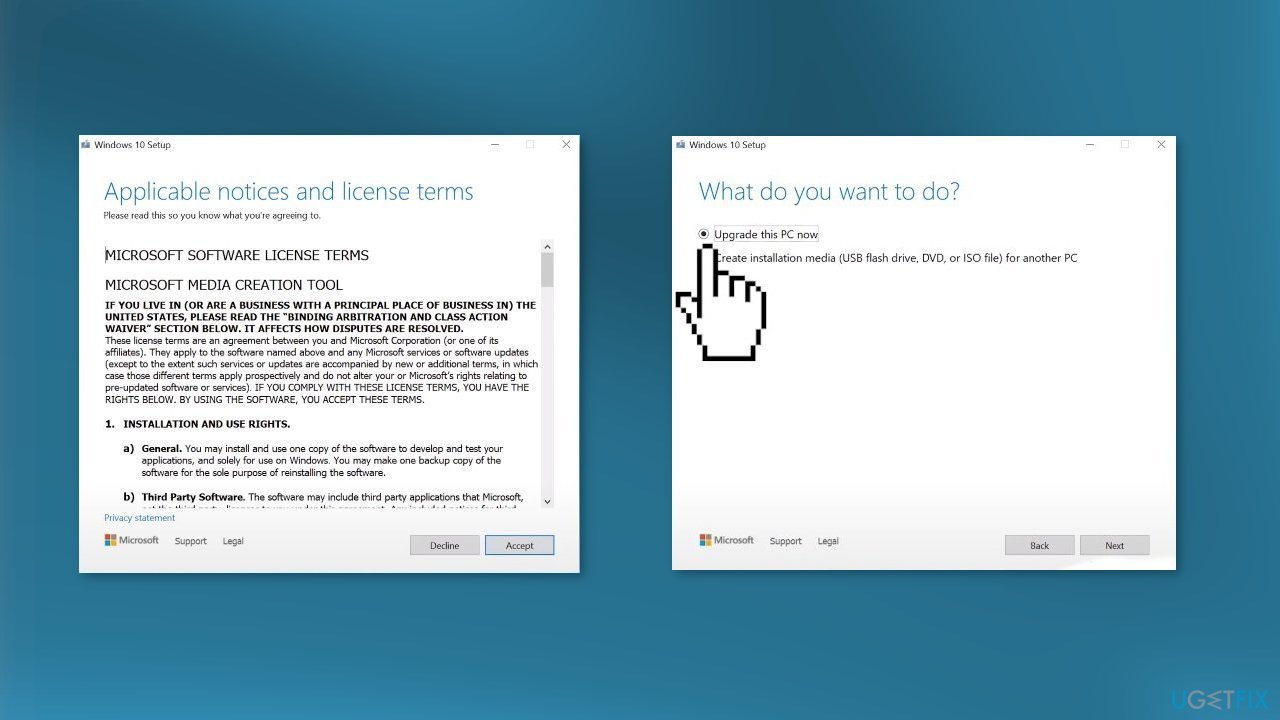
- Wait for the update to be installed
Bottom line
To fix the Windows update error 0x80070008, you can repair corrupted system files using Command Prompt, run the update troubleshooter, and clear the SoftwareDistribution folder. If these solutions do not resolve the issue, consider using a maintenance tool to automatically fix system errors.
Frequently asked questions
The error 0x80070008 indicates that there is not enough storage space available to complete the Windows update process on Windows 10 or Windows 11.
You can free up space by using the Disk Cleanup tool, uninstalling unnecessary applications, or deleting temporary files on your Windows 10 or Windows 11 system.
Yes, you can reset Windows Update components by running specific commands in Command Prompt, which can help resolve the error on both Windows 10 and Windows 11.




Report an issue
What's wrong with this guide? We review every report and update or remove content.
Report received — thank you. We'll review and fix it.
You need a free account to submit a report.
Be the first to comment