How to fix
Windows update error 0x800700d
on Windows
Resolve Windows update error 0x800700d quickly and efficiently. Our expert-tested solutions ensure your system runs smoothly—fixed in minutes!

What causes How to fix Windows update error 0x800700d?
- Problem with Windows Update
- Corrupted system file
- Disk damage
- Issues with Windows Update components
- User experience frustration
Repairs Windows system files, removes malware, and restores a clean OS state — without reinstalling.
Hello. When I try to install Windows updates, I receive the 0x800700d error. Is there a way to fix this?
Windows is a popular operating system created by Microsoft Corporation that is installed on millions of personal computers, laptops, and servers around the world. Microsoft releases updates for the Windows operating system on a regular basis to improve functionality, security, and to address any bugs or issues that users may be experiencing. Updates for Windows can be installed manually or automatically via the Windows Update service.
When attempting to install updates, Windows users may encounter error 0x800700d. This error code typically indicates a problem with Windows Update or a corrupted system file. Error messages such as "Windows could not search for new updates" or "An unknown error has occurred" may also be displayed to users.
Error 0x800700d can prevent Windows from installing critical updates, leaving the system vulnerable to security threats and reducing overall computer performance if left unresolved. The problem can also have an impact on the user experience, causing frustration and inconvenience.
Running the Windows Update troubleshooter, resetting the Windows Update components, or performing a clean boot are all possible solutions to the error. To resolve the issue, users may need to repair or reinstall Windows in some cases. This guide contains 8 steps that should assist you.
However, you may also try using a maintenance tool like [d1] that can fix most system errors, BSODs,[ref en-1] corrupted files, registry[ref en-2] issues, or clear cookies and cache[ref en-3] automatically. Otherwise, follow the step-by-step instructions below.
Method 1. Check Disk
Ensure that your disk is not damaged. You can perform checks using Administrative Command Prompt:
- If you are using an HDD as your main driver (where your operating system is installed – C: by default), use the following command and press Enter:
chkdsk c: /f - If you are using SSD, use this command:
chkdsk c: /f /r /x
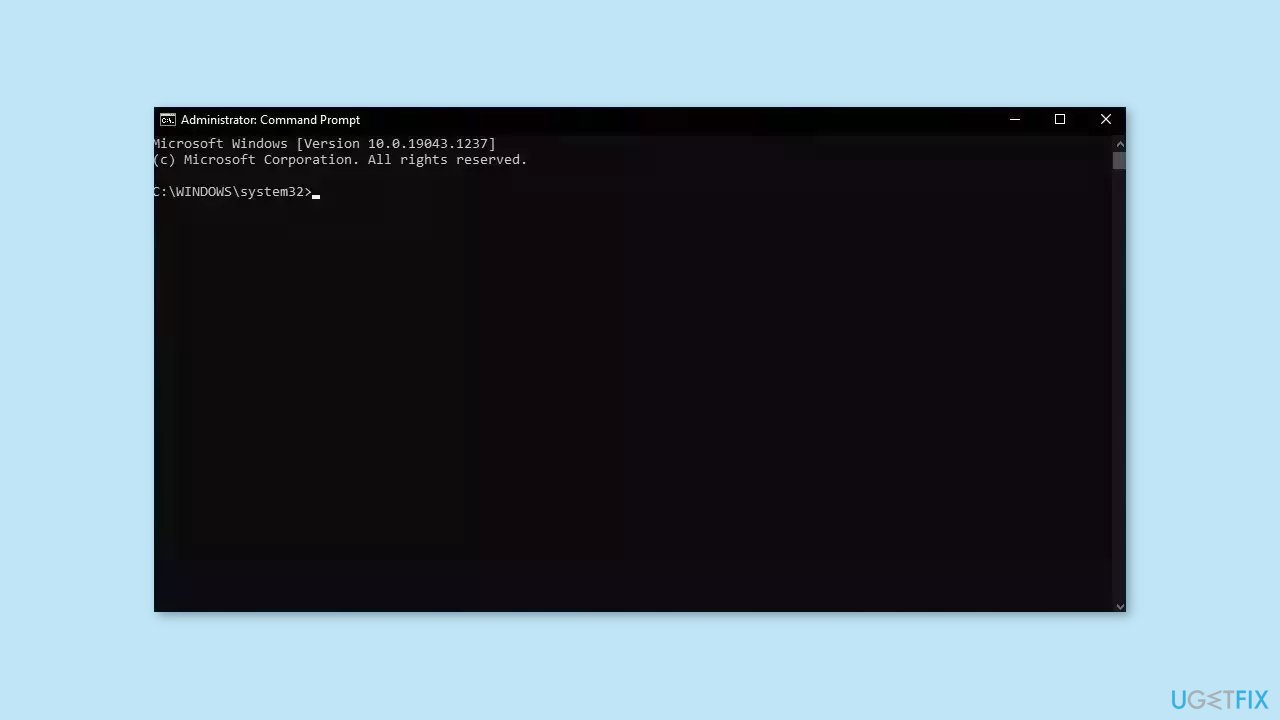
- If you receive an error, type in Y and hit Enter
- Restart your device to perform the check
Method 2. Repair Corrupted System Files
Use Command Prompt commands to repair system file corruption:
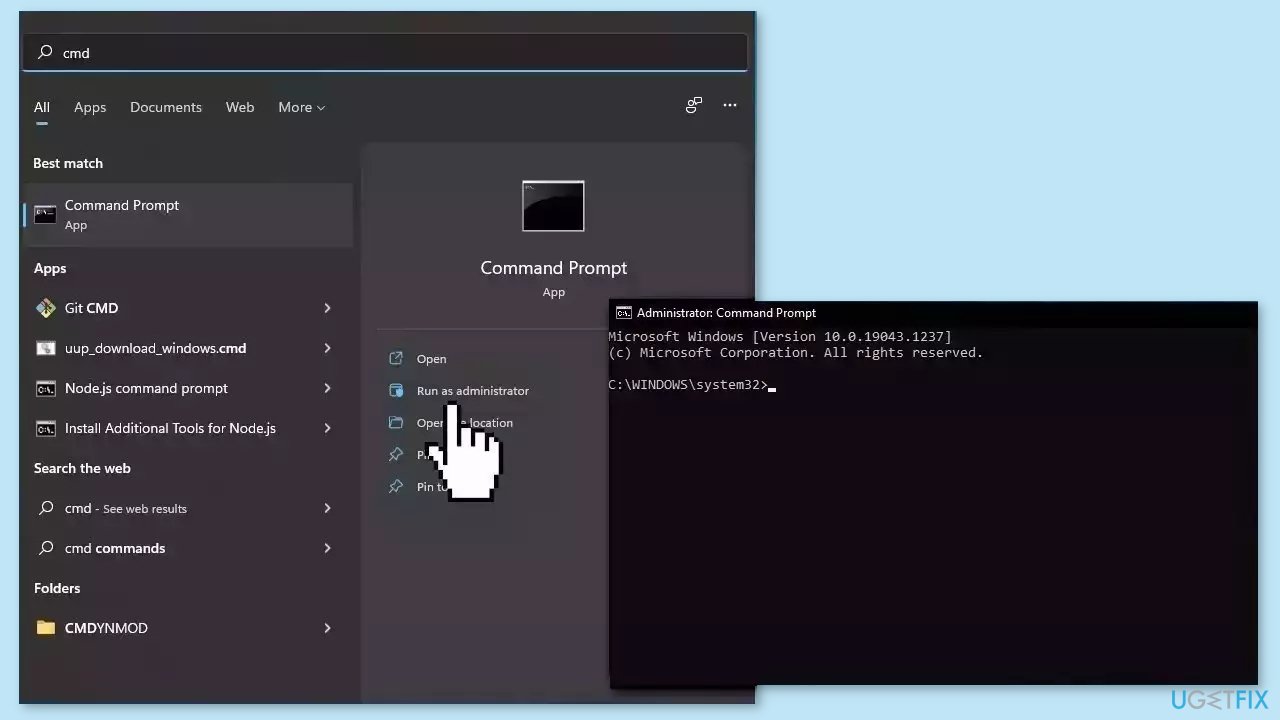
- Open Command Prompt as administrator
- Use the following command and press Enter:
sfc /scannow
- Reboot your system
- If SFC returned an error, then use the following command lines, pressing Enter after each:
DISM /Online /Cleanup-Image /CheckHealth
DISM /Online /Cleanup-Image /ScanHealth
DISM /Online /Cleanup-Image /RestoreHealth
Method 3. Run the Update Troubleshooter
- Press the Windows key + X and go to Settings.
- Go to Update and Security.
- Click Troubleshooter.
- Select Additional troubleshooters.
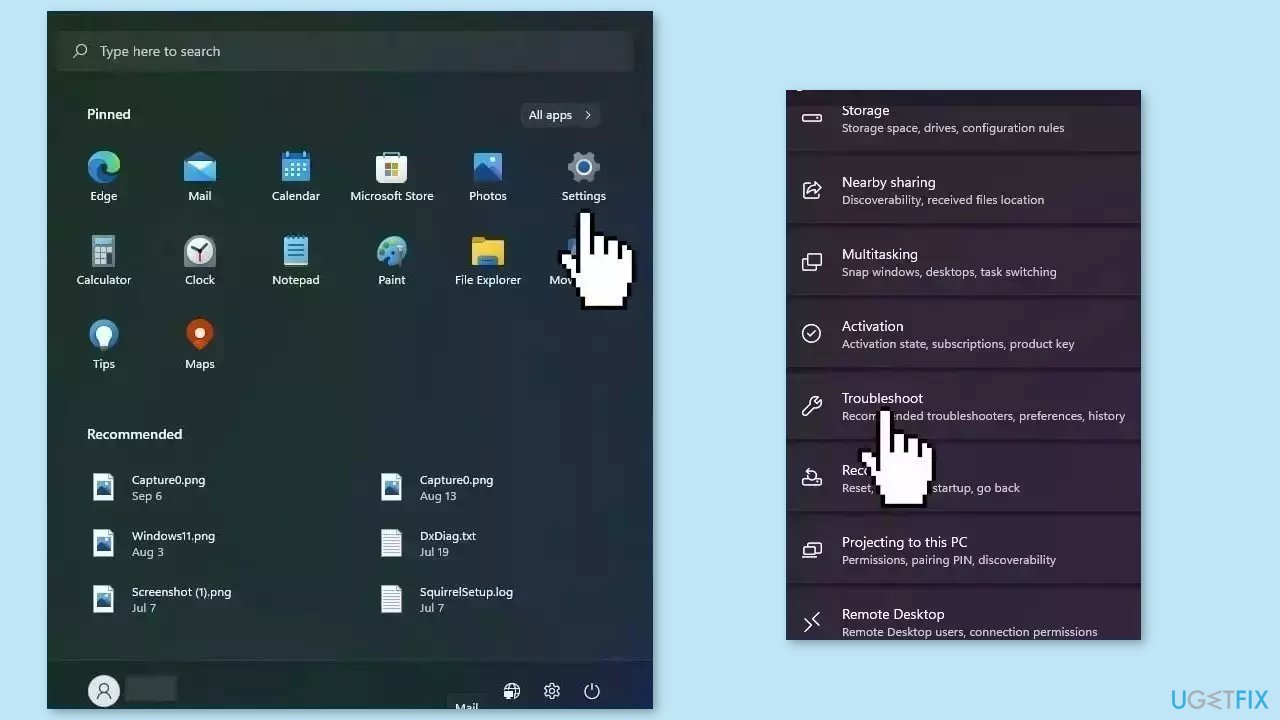
- Run the Update troubleshooter.
- Restart the computer.
Method 4. Restart Windows Services
- Press Windows + R to open the Run box.
- Type in services.msc and press OK.
- Double-click Background Intelligent Transfer Service.
- If the Startup status lists Stopped, click Start and then click OK.
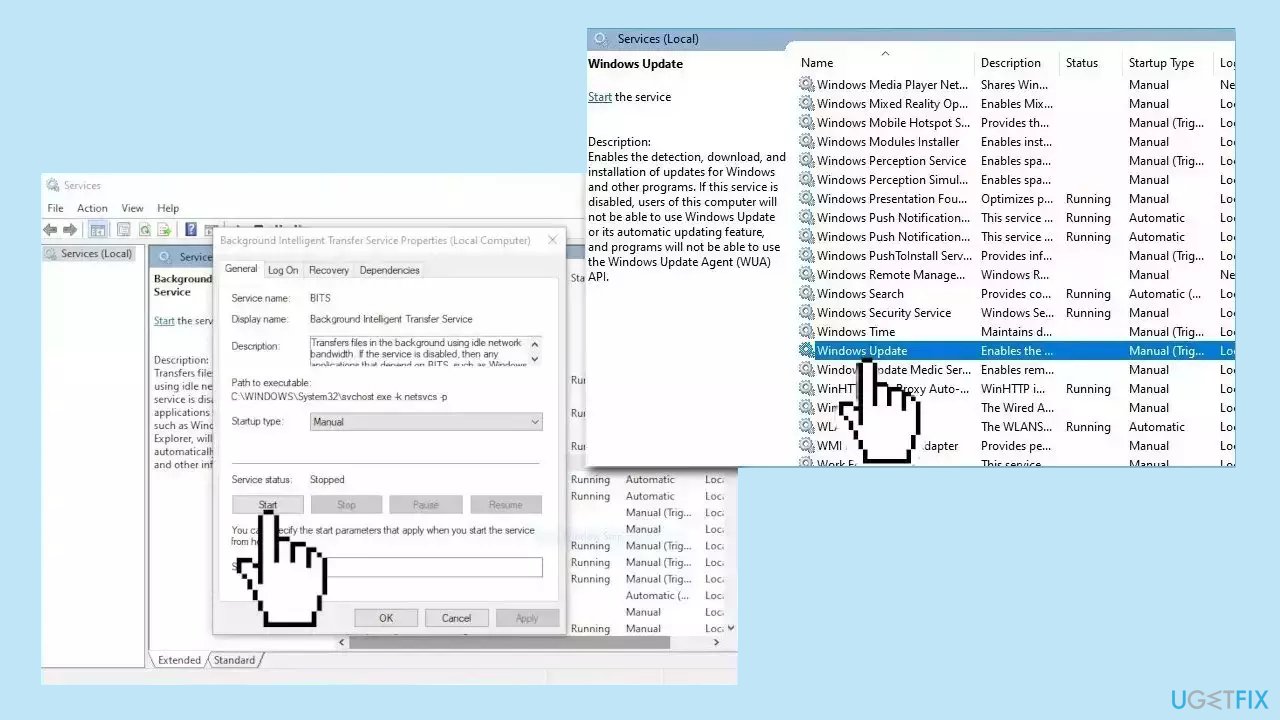
- If the status is Running, right-click then select Restart.
- Locate the Windows Update service and double-click it.
- If the Startup status lists Stopped, click Start and OK. If the status is Running, right-click, then select Restart.
Method 5. Update Drivers
Outdated drivers could be the cause of this issue. In this case, you can fix it automatically by using [rev id="DriverFix"], which will scan your PC for missing and out-of-date device drivers. Or you can update them manually:
- Open Settings
- Click on Update & Security
- Click on Windows Update
- Click the Check for updates button
- Click the View optional updates option
- Click the Driver updates tab
- Select the driver you want to update
- Click the Download and install button
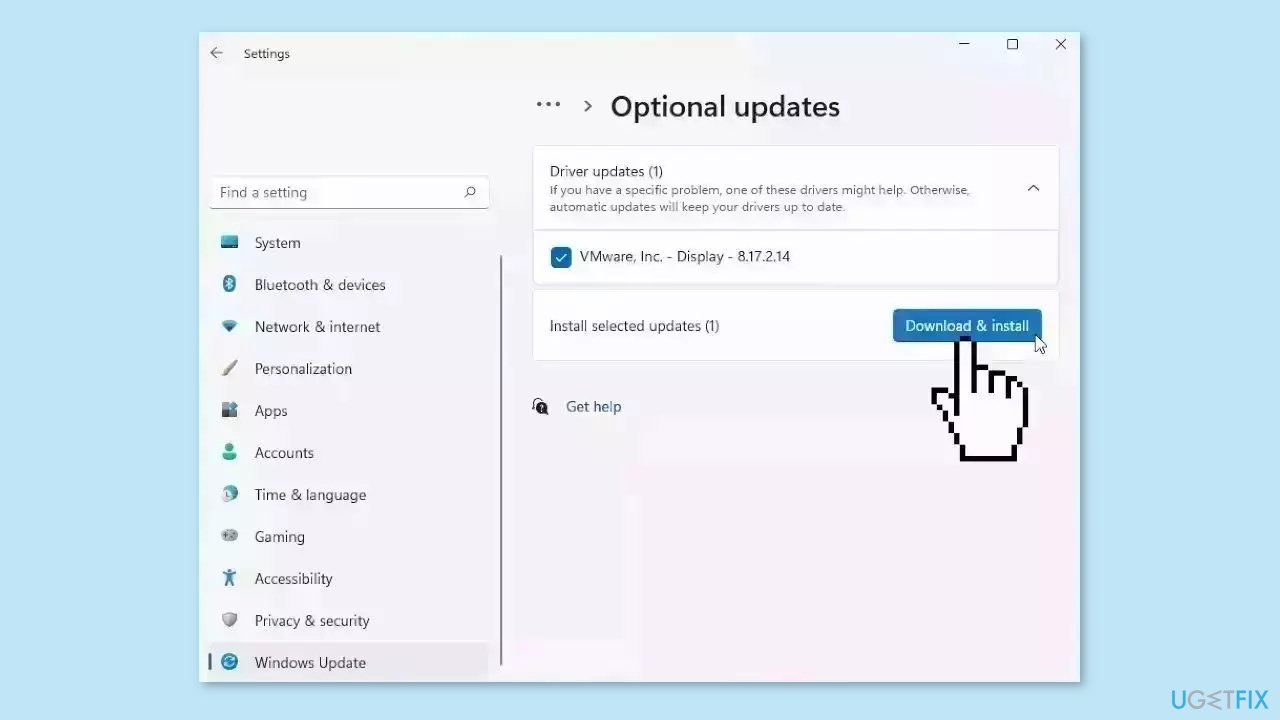
If the View optional updates link is not available after checking for updates, then Windows Update does not have any new drivers or any updates for other products at that particular time.
Method 6. Use the Microsoft Update Catalog
Whenever Windows updates fail to install automatically, you can always try doing it manually. First, you need to find out which KB number is relevant to you.
- Right-click Start button and pick Settings.
- Go to Update & Security.
- On the right, locate and click View update history.
- From the list, note the KB number that fails to install with the error code.
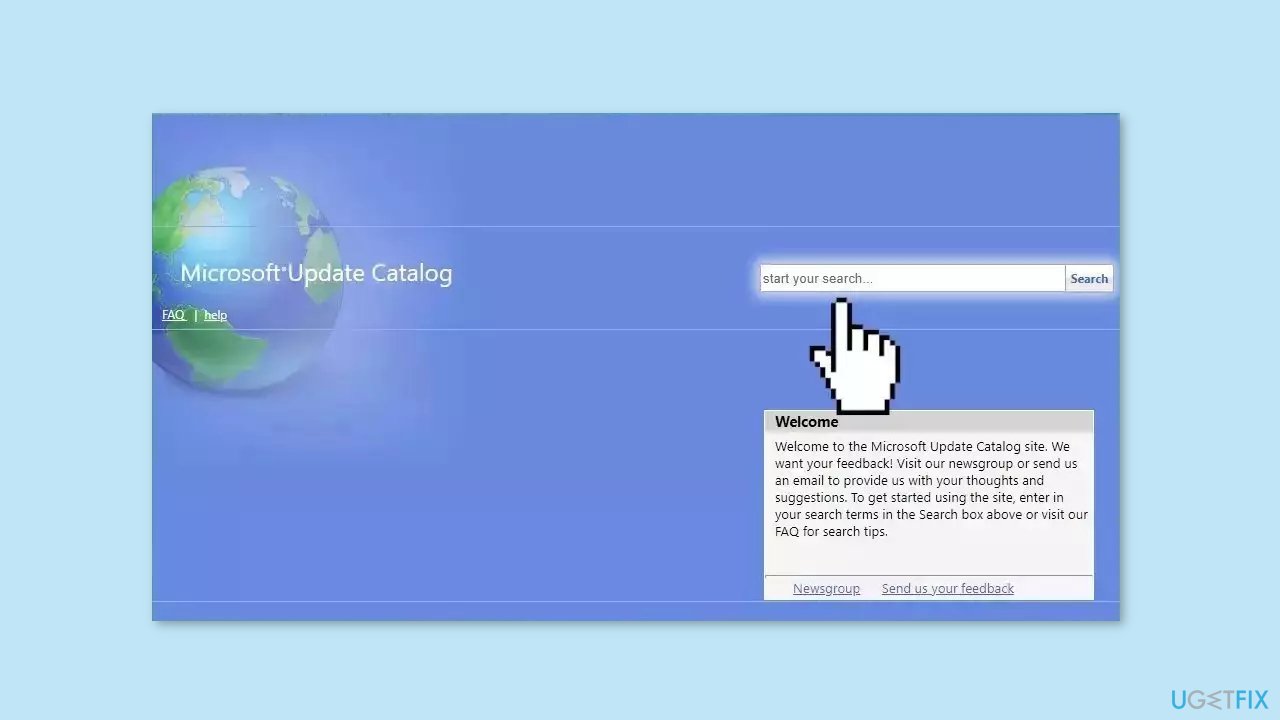
- Go to Microsoft Update Catalog page, type in the KB number, and press Search.
- Download the update and install it manually.
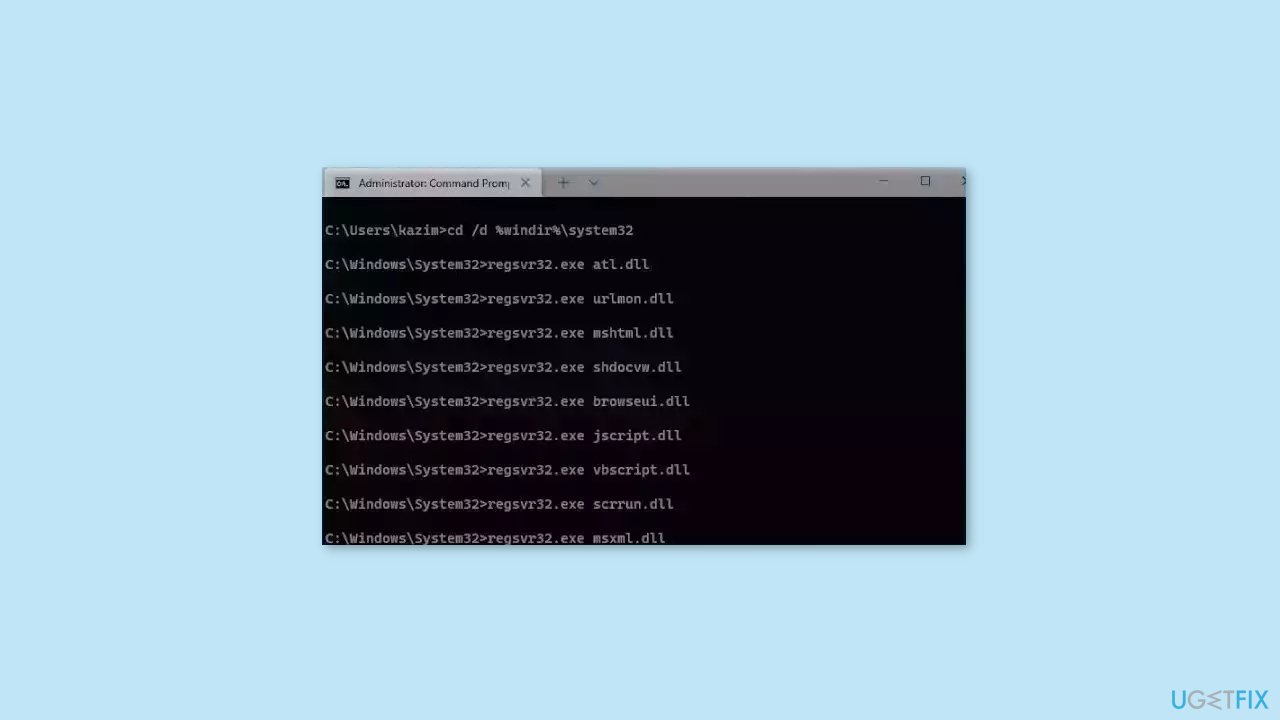
Method 7. Reset Windows Update Components
- Open Command Prompt as administrator again.
- Copy and paste the following commands, pressing Enter after each:
net stop bits
net stop wuauserv
net stop appidsvc
net stop cryptsvc
Del “%ALLUSERSPROFILE%\Application Data\Microsoft\Network\Downloader\*.*”
rmdir %systemroot%\SoftwareDistribution /S /Q
rmdir %systemroot%\system32\catroot2 /S /Q
regsvr32.exe /s atl.dll
regsvr32.exe /s urlmon.dll
regsvr32.exe /s mshtml.dll
netsh winsock reset
netsh winsock reset proxy
net start bits
net start wuauserv
net start appidsvc
net start cryptsvc
- Restart your PC.
Method 8. Upgrade Install Windows
- Download Windows 10 installation media or Windows 11 installation media from the official website.
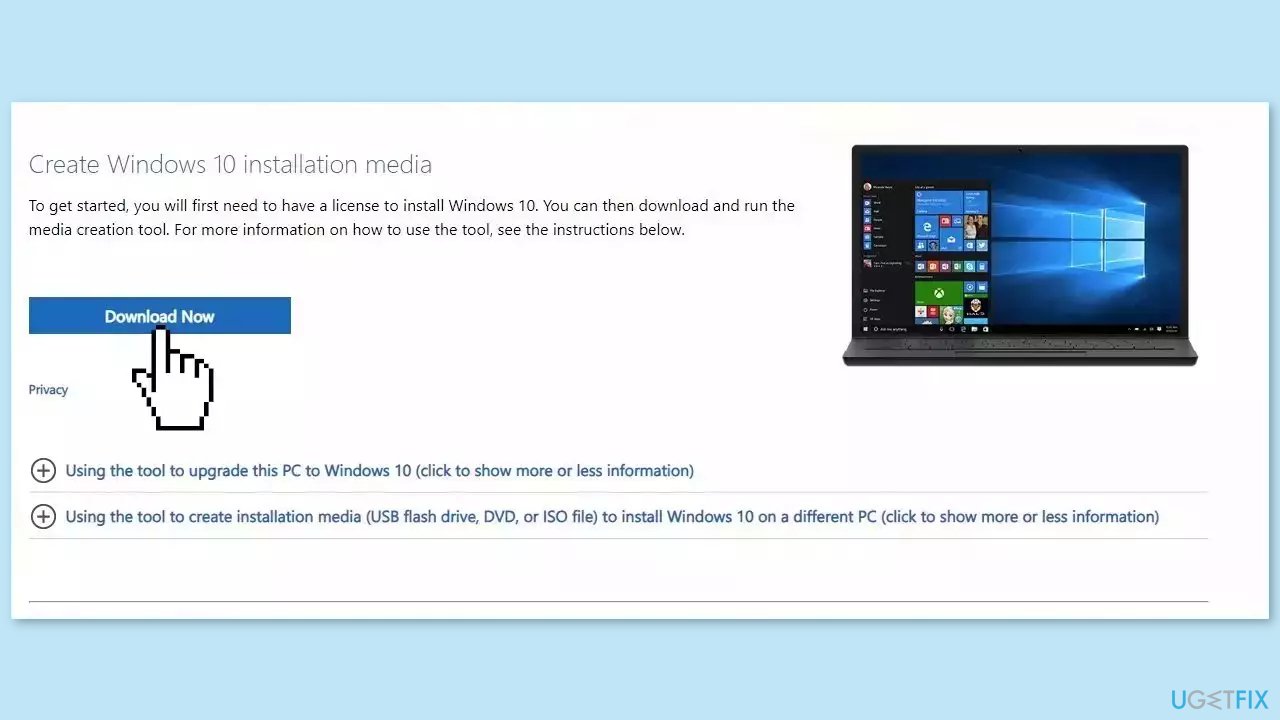
- Open the tool once it installed.
- Agree to license terms.
- Choose Upgrade this PC now.
- Wait for the update to be installed.
Bottom line
To fix the Windows update error 0x800700d, you can run the Windows Update troubleshooter, reset the Windows Update components, or perform a clean boot. If these methods do not resolve the issue, consider repairing or reinstalling Windows, or using a maintenance tool to address system errors.
Frequently asked questions
The error 0x800700d usually indicates that there is a problem with the Windows update components or the update files themselves on Windows 10 or Windows 11.
To fix error 0x800700d in Windows 10, you can run the Windows Update Troubleshooter and reset the Windows Update components using Command Prompt.
Yes, you can use commands like 'net stop wuauserv', 'net stop cryptSvc', 'net stop bits', and 'net stop msiserver' followed by 'net start' commands to reset the update services on Windows 11.




Report an issue
What's wrong with this guide? We review every report and update or remove content.
Report received — thank you. We'll review and fix it.
You need a free account to submit a report.
Be the first to comment