How to fix
Windows update error 0x800F0242
on Windows
Resolve Windows 10 and 11 update error 0x800F0242 quickly with proven solutions. Get your system running smoothly again—expert-tested!

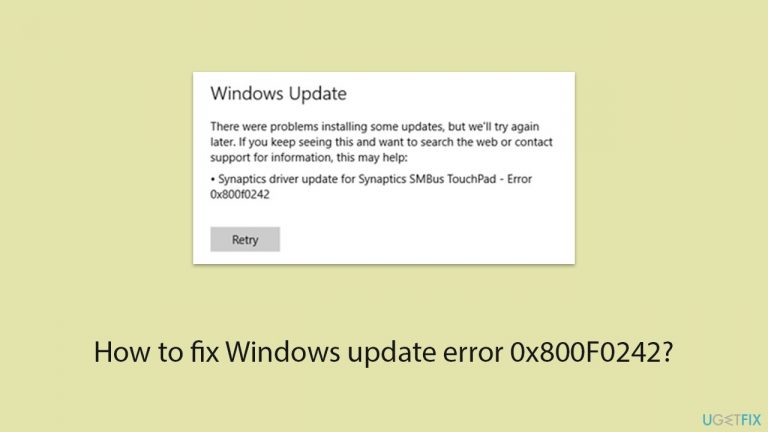
What causes How to fix Windows update error 0x800F0242?
- Corrupted update files
- Issues with the Windows Update service
- Conflicts with existing software or drivers
- Insufficient disk space
- Temporary glitches in the system
Repairs Windows system files, removes malware, and restores a clean OS state — without reinstalling.
I can't install the latest Windows updates because of the 0x800F0242 error. Never had this before. I am using the latest version of Windows 11 Home.
As Windows updates are mandatory for everyone who wants to keep their systems secure and bug-free, update failures like the 0x800F0242 error can be frustrating. It can occur whether you are using an automatic or manual update process; the update gets interrupted during the installation and provides the error code.
The 0x800F0242 error can happen when installing various updates, such as security, feature, cumulative, NET Framework, Visual C++, and others. Since the issue can have different causes, the solution for it may vary from person to person.
The causes of error code 0x800F0242 are generally straightforward but significant. It can be due to corrupted update files, issues with the Windows Update service, or conflicts with existing software or drivers. Sometimes, insufficient disk space or temporary glitches in the system can also produce the error.
To fix error code 0x800F0242, you need to address the underlying issues that are causing the update to fail. Ensuring that your system has enough disk space, checking for software conflicts, and verifying the integrity of update files are some of the steps you could use. Additionally, you can try resetting Windows update components and see if that works for you.
For detailed manual instructions, please check out the special section below. Alternatively, using the [d1] repair software is another method to fix the 0x800F0242 error, especially if its root cause lies in broken registries or DLLs, corrupted system files, or bugged caches.
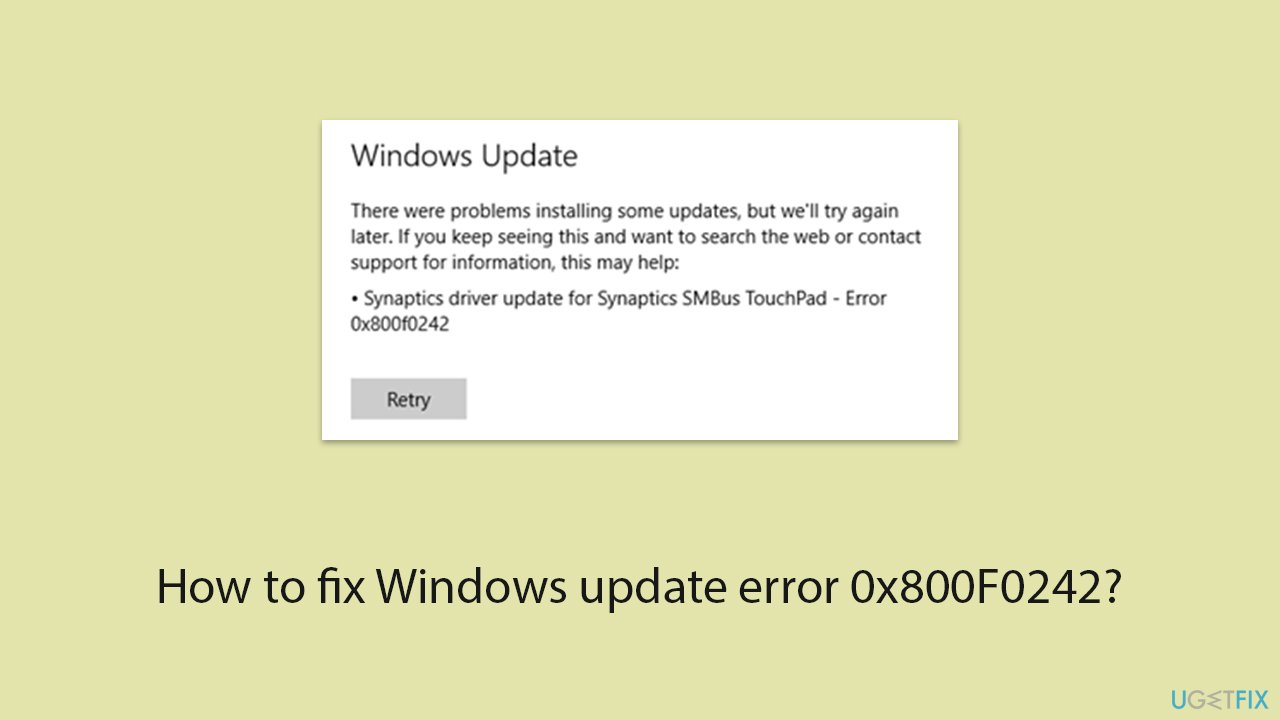
Fix 1. Check relevant services
Ensuring that the necessary Windows Update services are running can resolve error 0x800F0242 by allowing updates to be processed correctly.
- Type in Services in Windows search and press Enter.
- Find Background Intelligent Transfer Service (BITS).
- If it is already running, right-click and pick Restart.
- If the service is not running, double-click it, and select Automatic under the Startup type from the drop-down menu.
- Click Start, Apply, and OK.
- Repeat this process for Windows Update and Cryptographic services.
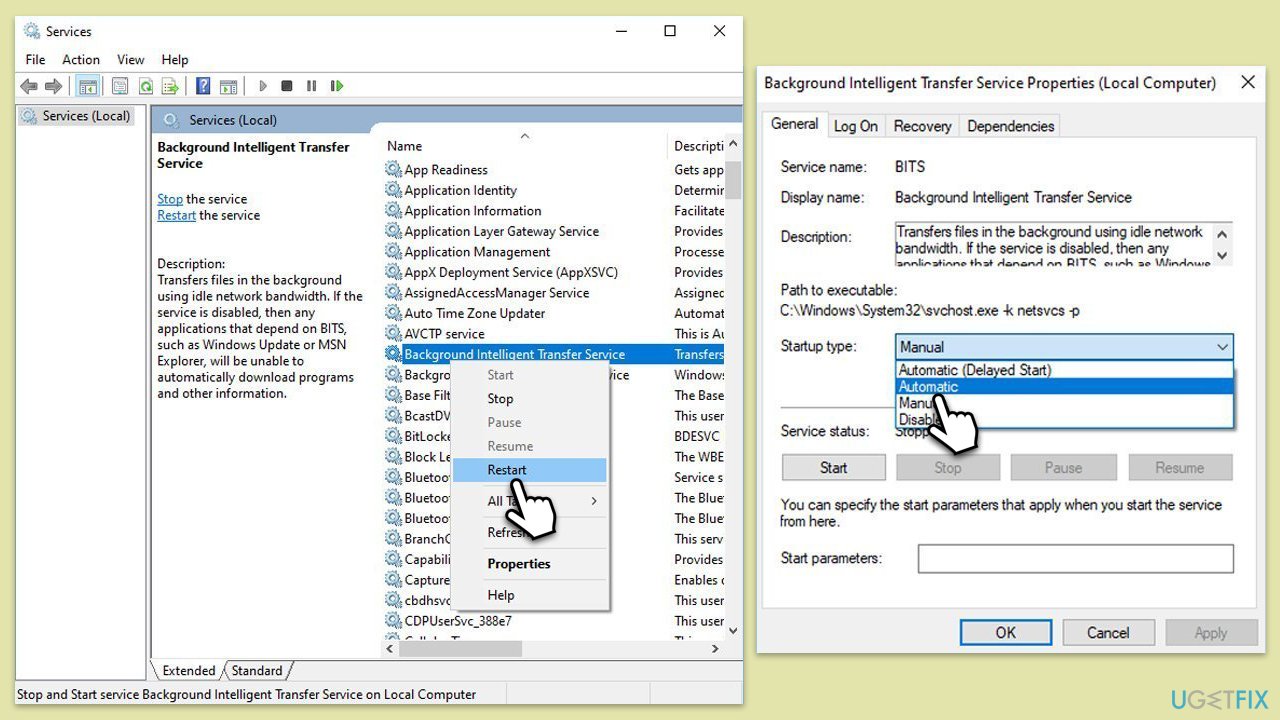
Fix 2. Run Windows update troubleshooter
- Type Troubleshoot in Windows search and press Enter.
- On the right side of the window, click Additional troubleshooters/Other troubleshooters.
- Scroll down and select Windows update.
- Click Run the troubleshooter/Run.
- Wait for the troubleshooter to finish.
- Restart your system once done.
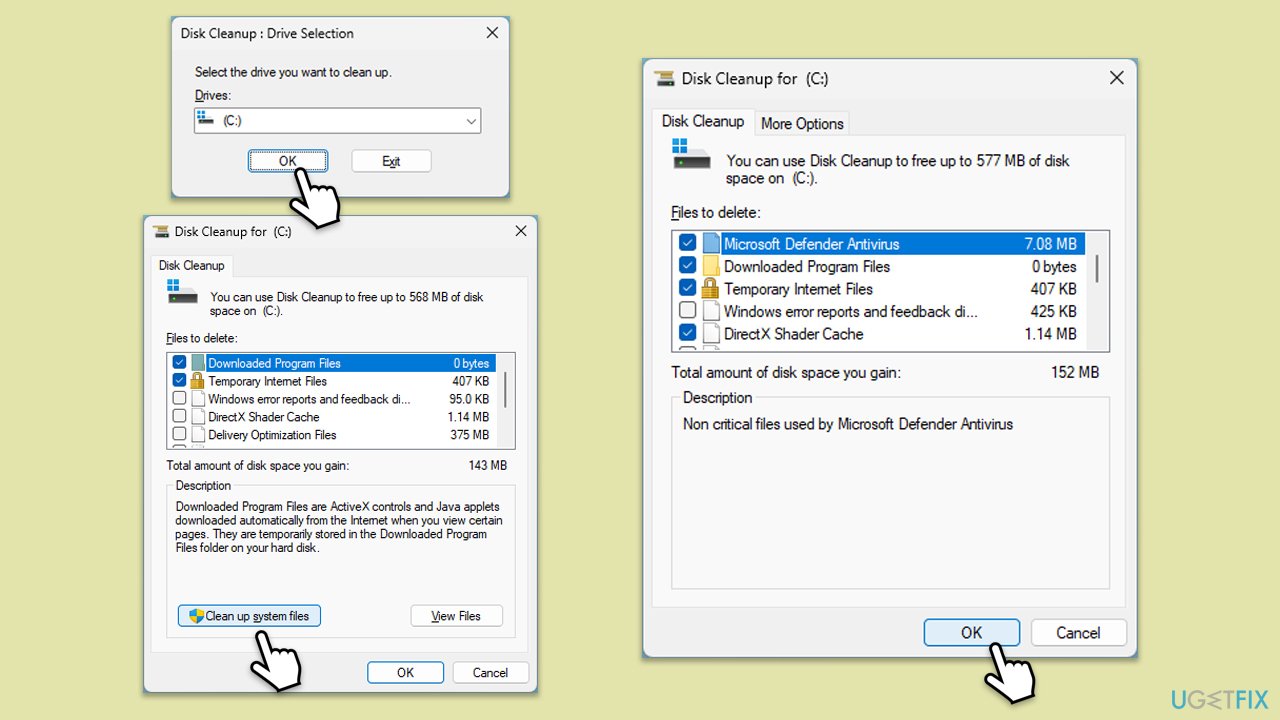
Fix 3. Perform Disk Cleanup
Performing Disk Cleanup can free up space on your hard drive and remove corrupted update files that might be causing the error.
- Type Disk Cleanup in Windows search and hit Enter.
- If your Windows is installed on drive C, pick it from the list (it should be by default) and press OK.
- Click Clean up system files.
- Select your main disk again and click OK.
- Here, select the largest portions of the data used - these typically include Temporary Internet Files, Windows Update, Temporary Files, Recycle Bin, Delivery Optimization Files, and others.
- Click OK - the process should be finished shortly.
Fix 4. Run Clean Boot
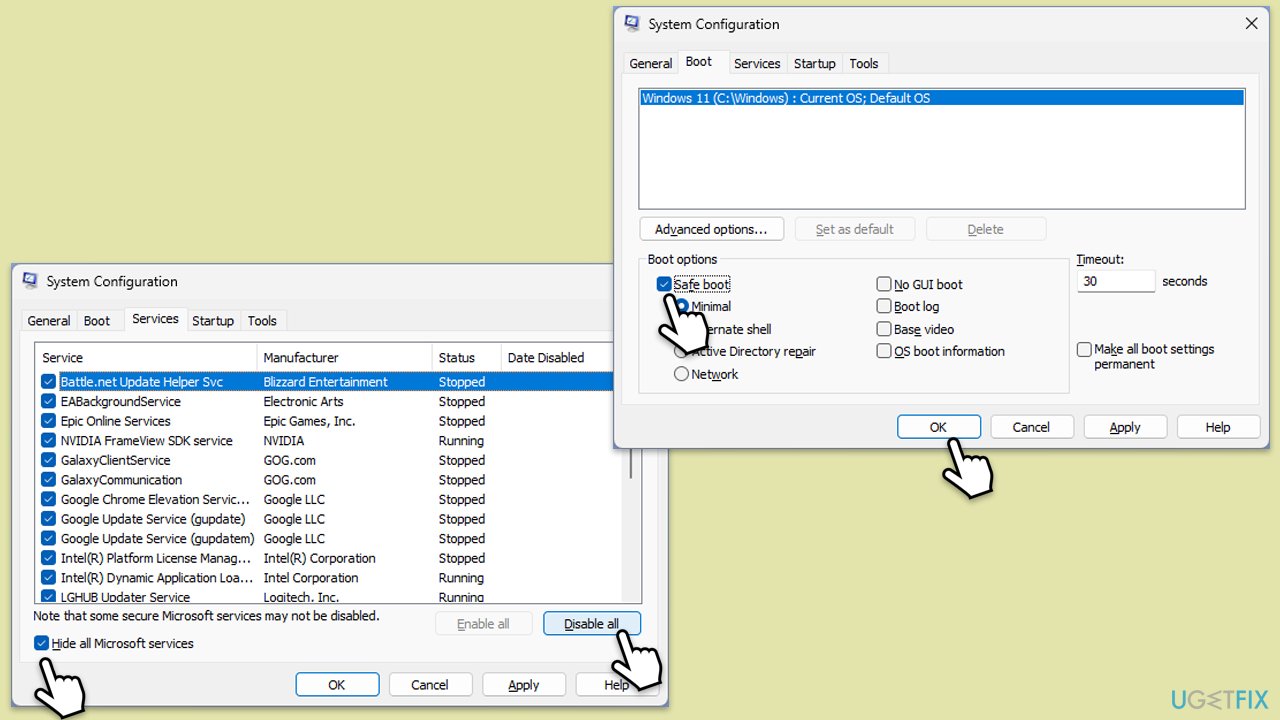
Running a clean boot can help identify if background programs or services are causing conflicts with Windows Update.
- Type msconfig inWindows Search and press Enter to open the System Configuration window.
- Click on the Services tab and check the Hide all Microsoft Services box.
- Click Disable all to disable non-Microsoft services, then click the Startup tab.
- Open the Task Manager, disable all startup items, and close the Task Manager.
- Go to the Boot tab and mark the Safe boot option.
- Click OK on the System Configuration window and restart your computer.
- Try installing the update again.
Fix 5. Install the update manually
Manually installing the update can bypass issues with the automatic update process.
- Type Updates in Windows search and hit Enter.
- Click View update history.
- Here, note down the KB number which failed to be installed.
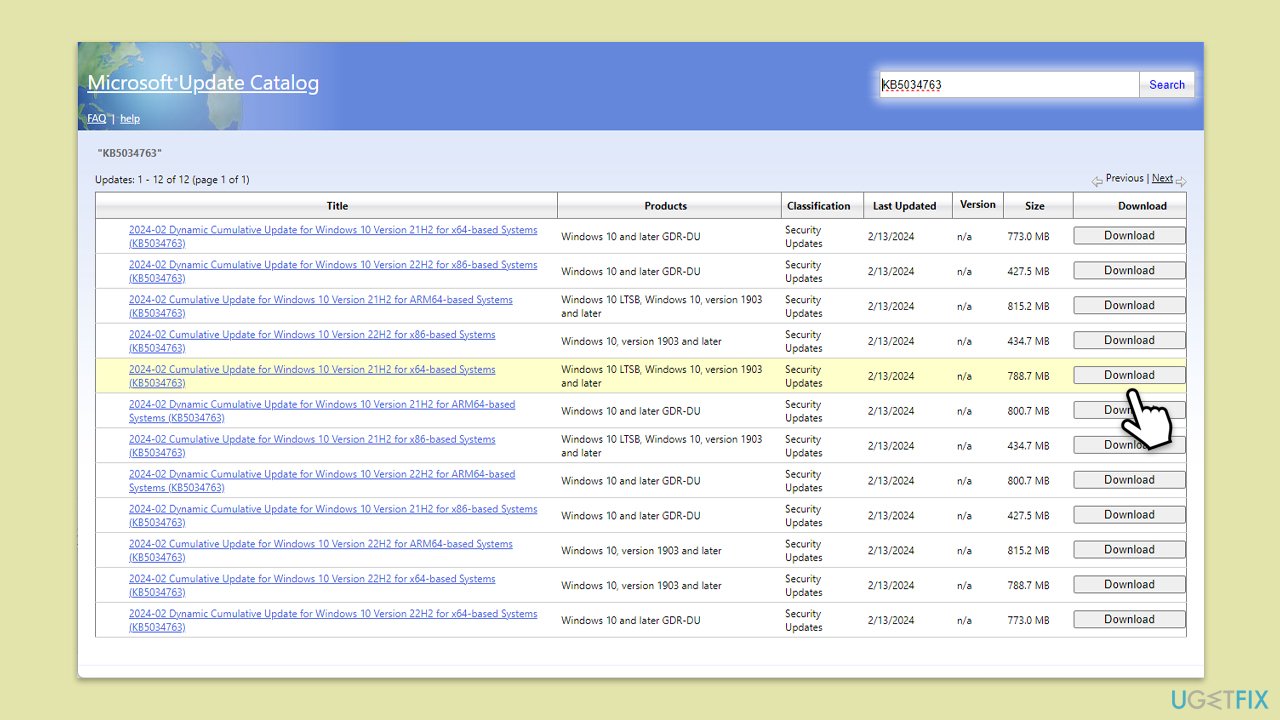
- Go to the official Microsoft Update Catalog website.
- Type the KB number into the search bar, and press Enter or click Search.
- You will find many different versions on the update – you need to find the one that matches your PC specs and Windows version (as a home user, ignore Windows server versions).
- Right-click on Start and pick System.
- Under Device specifications, check the System type section: it should either be 64-bit or 32-bit.
- Scroll down to Windows specifications and check the Version section.
- With all this information, pick the correct version for your device.
- Go back to the Microsoft Update catalog, download the appropriate version, and install it.
Fix 6. Reset Windows update components
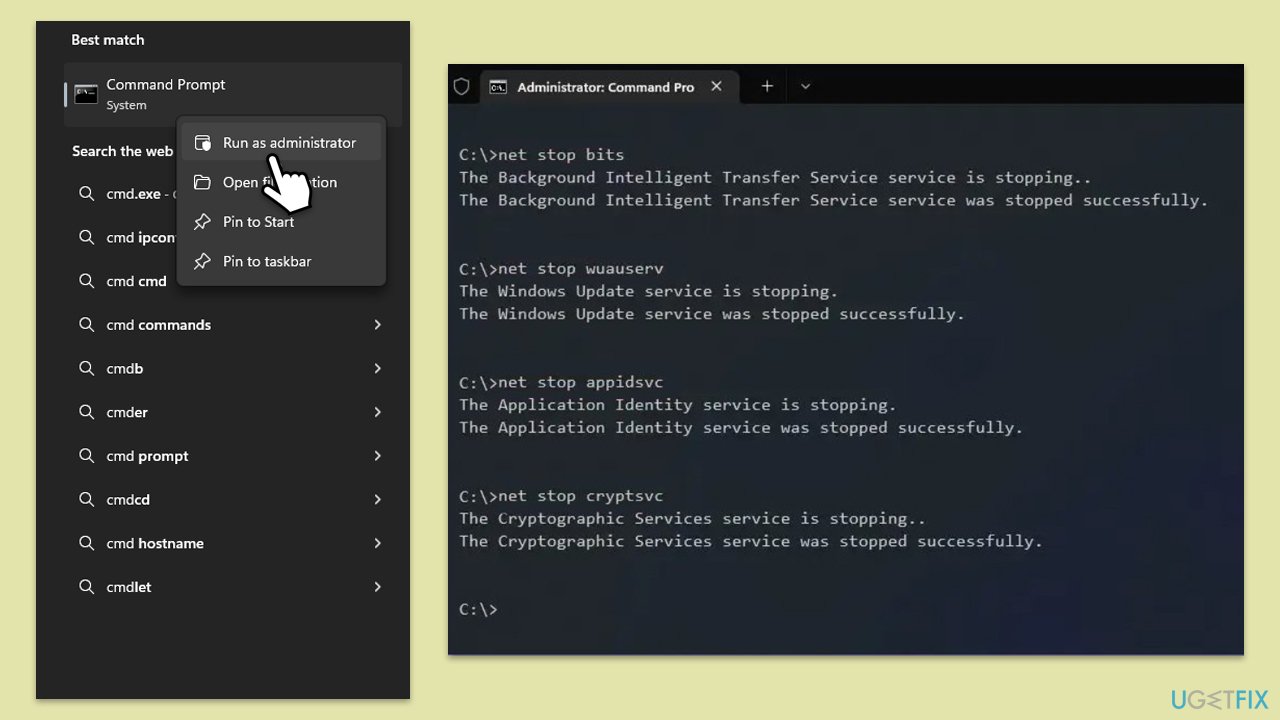
- Type cmd in Windows search.
- Right-click on the Command Prompt result and select Run as administrator.
- When the UAC window pops up, click Yes.
- Paste in each of these commands, pressing Enter every time:
net stop bits
net stop wuauserv
net stop appidsvc
net stop cryptsvc
Del “%ALLUSERSPROFILE%\Application Data\Microsoft\Network\Downloader\*.*”
rmdir %systemroot%\SoftwareDistribution /S /Q
rmdir %systemroot%\system32\catroot2 /S /Q
regsvr32.exe /s atl.dll
regsvr32.exe /s urlmon.dll
regsvr32.exe /s mshtml.dll
netsh winsock reset
netsh winsock reset proxy
net start bits
net start wuauserv
net start appidsvc
net start cryptsvc - Restart your system.
Fix 7. Employ Media Creation Tool
Using the Media Creation Tool can help update Windows to the latest version and fix issues preventing updates.
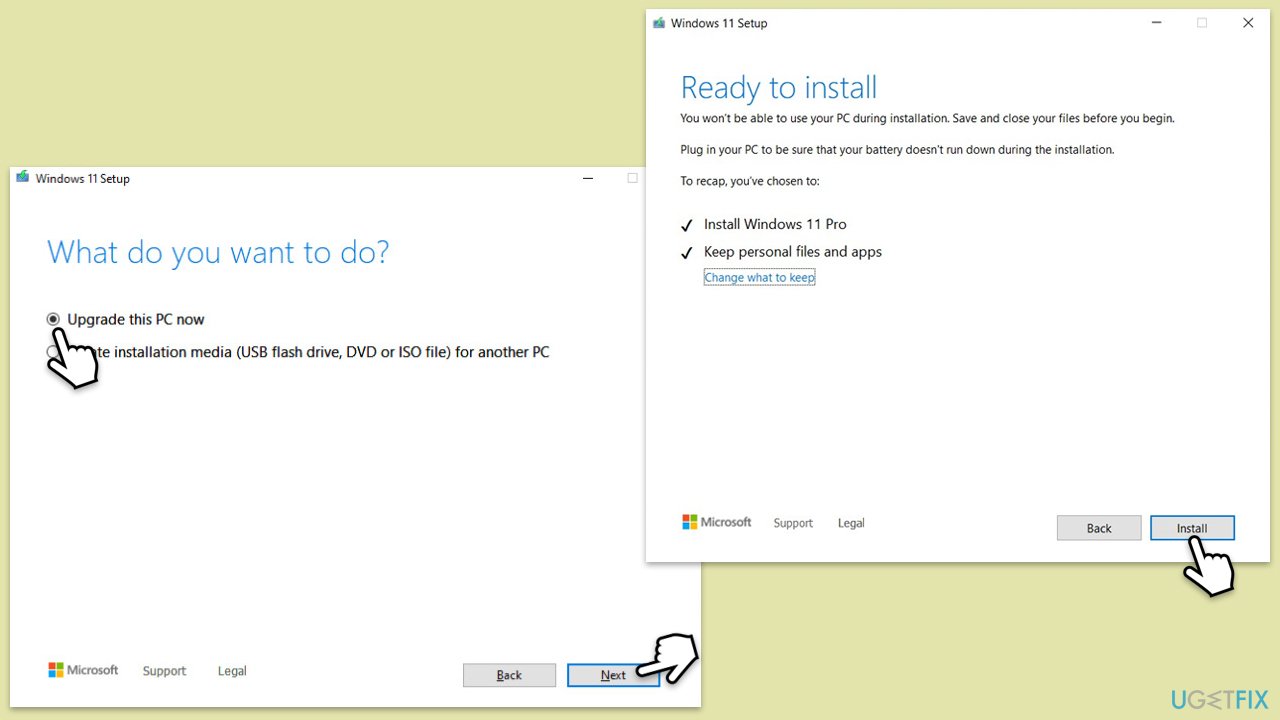
- Visit the official Microsoft website and download Windows 10 installation media (Windows 11 version)
- Double-click the installer and select Yes when UAC shows up.
- Agree to terms.
- Select Upgrade this PC now and select Next.
- Windows will now download all the necessary files – it might take awhile.
- Agree to terms once again and click Next.
- Before installing, make sure that you are happy with your choices (otherwise, you can click Change what to keep option).
- Click Install to begin the upgrade process.
Bottom line
To fix the 0x800F0242 error, ensure necessary Windows Update services are running, check for software conflicts, and verify the integrity of update files. You can also try resetting Windows update components or using repair software. If none of these solutions work, consider seeking further assistance or exploring additional troubleshooting methods.
Frequently asked questions
This error typically occurs due to missing or corrupted system files, issues with Windows Update components, or problems with the Windows Update service itself.
You can reset Windows Update components by running Command Prompt as an administrator and executing a series of commands to stop the Windows Update services, rename the SoftwareDistribution and Catroot2 folders, and then restart the services.
Yes, you can use the Windows Update Troubleshooter available in the Settings app under 'Update & Security' to automatically detect and fix issues related to Windows updates.




Report an issue
What's wrong with this guide? We review every report and update or remove content.
Report received — thank you. We'll review and fix it.
You need a free account to submit a report.
Be the first to comment