How to fix
IaStorAC.sys BSOD
on Windows
Resolve iaStorAC.sys BSOD errors in Windows 10 and 11 effortlessly with our expert-tested solutions. Get back to smooth computing with zero traces left.

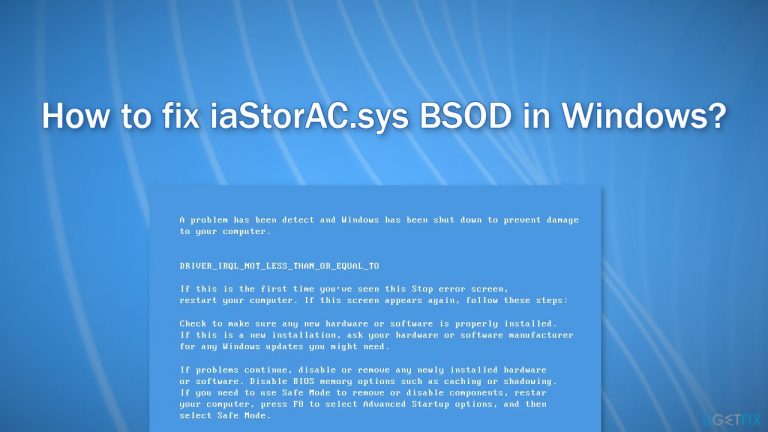
What causes How to fix iaStorAC.sys BSOD in Windows?
- RAM failure
- Corrupted system files
- Driver software issues
- Hardware problems
- Registry issues
Repairs Windows system files, removes malware, and restores a clean OS state — without reinstalling.
Hello. I encountered an iaStorAC.sys Blue Screen of Death error on my Windows 10 computer. The PC is relatively new, how can it be fixed?
Witnessing a BSOD (Blue Screen of Death)[ref en-1] error can be very intimidating. It appears seemingly out of nowhere and interrupts users' work. Unfortunately, if they have not saved the progress, it is most likely gone. Another reason why it is so scary is that it is often caused by problems with the computer’s hardware or issues with its driver software. Although many will not want to hear it, there is a big chance you might have to replace some parts.
A particular error that users have been experiencing lately is the iaStorAC.sys BSOD. It can be caused by many things, including RAM[ref en-2] failure but let's not jump to conclusions. There are many "Stop Errors" that can come with that screen, and some of them are:
- SYSTEM_THREAD_EXCEPTION_NOT_HANDLED
- IRQL_NOT_LESS_OR_EQUAL
- ATTEMPTED_WRITEN_TO_READONLY_MEMORY
- SYSTEM_SERVICE_EXCEPTION
- KMODE_EXCEPTION_NOT_HANDLED
As you can imagine, thousands of components running in the background are responsible for keeping the system working smoothly, so you should not start to worry about buying and replacing parts of your PC without completing our troubleshooting guide first. Simple steps like a system file scan could be able to fix the issue for you.
However, the troubleshooting process could take a while, so you can use a repair tool like [d1] that can fix various system errors (including BSODs), corrupted files, and registry[ref en-3] issues. Otherwise, you can start with the steps below if you want to try to fix iaStorAC.sys BSOD in Windows yourself.
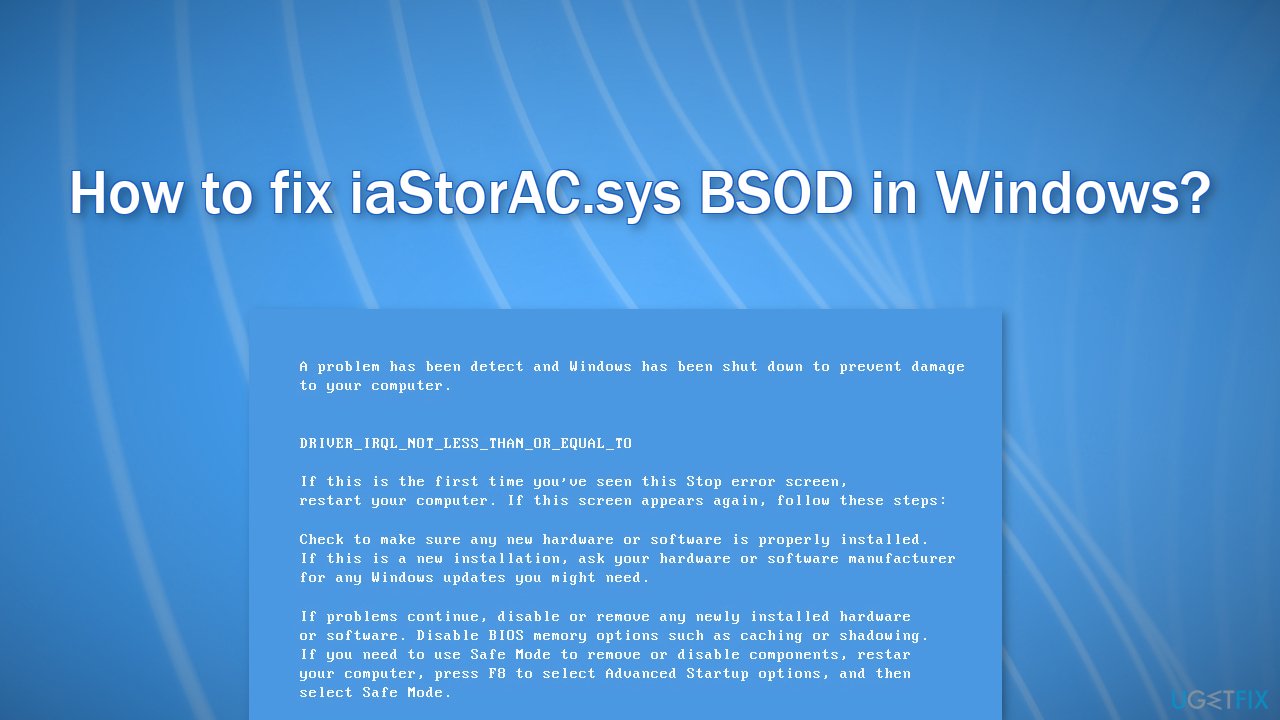
Solution 1. Fix Corrupted System Files
Use Command Prompt commands to repair system file corruption:
- Open Command Prompt as administrator
- Use the following command and press Enter:
sfc /scannow
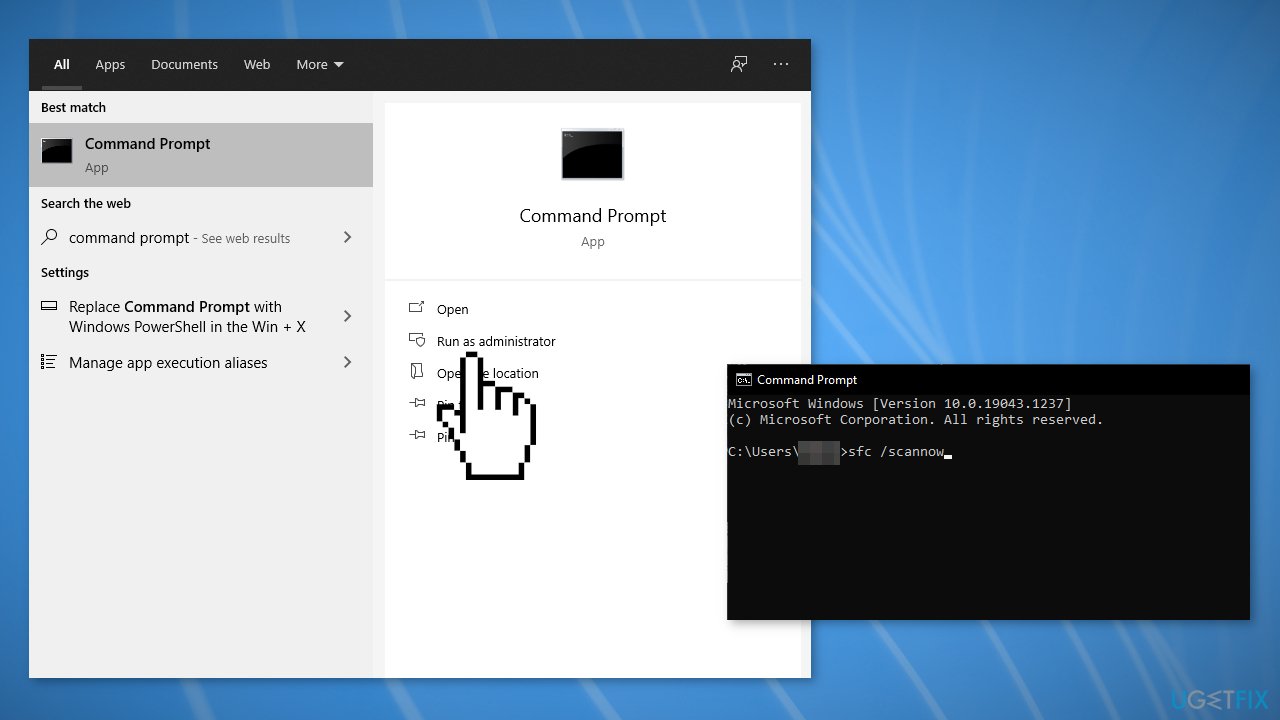
- Reboot your system
- If SFC returned an error, then use the following command lines, pressing Enter after each:
DISM /Online /Cleanup-Image /CheckHealth
DISM /Online /Cleanup-Image /ScanHealth
DISM /Online /Cleanup-Image /RestoreHealth
Solution 2. Run Windows Memory Diagnostic Tool
Windows has a built-in RAM testing tool. It’s included on Windows 10, Windows 11, Windows 7, and all other modern versions of Windows.
- Open the Start menu, type Windows Memory Diagnostic, and press Enter
- Click Restart now and check for problems (recommended)
- Your computer will now restart
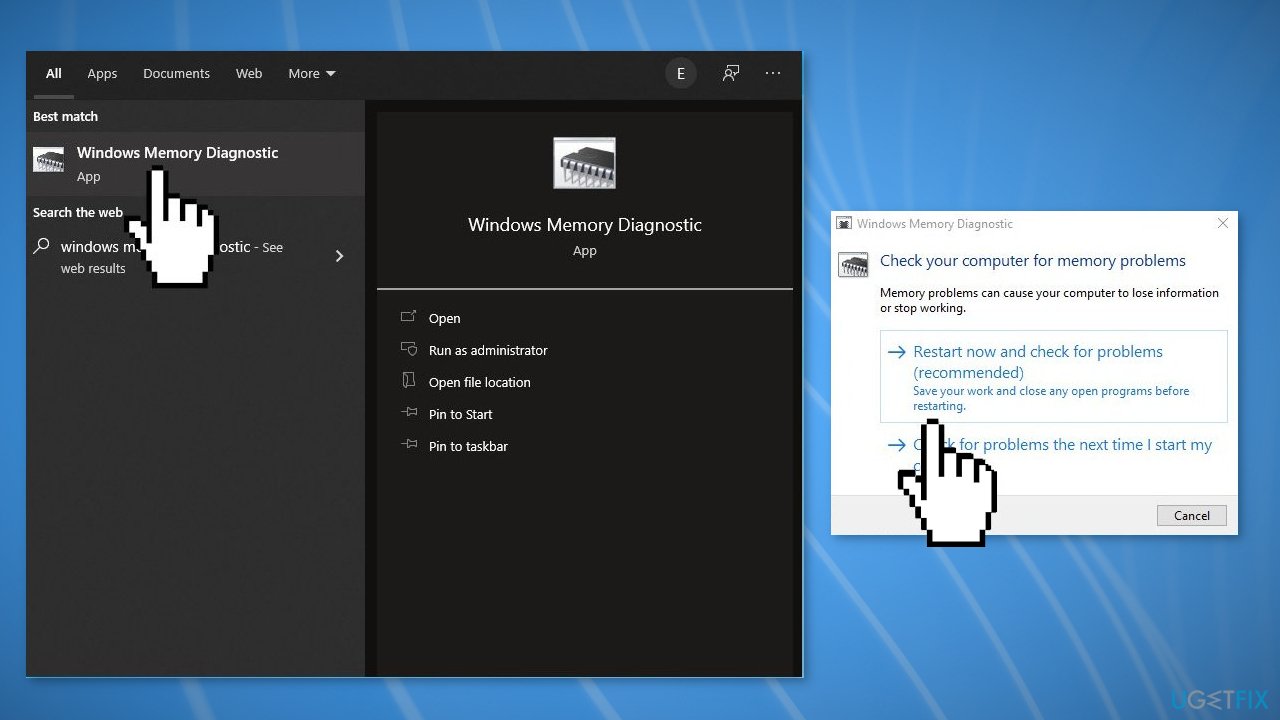
- The test may take several minutes. You will see a progress bar and a Status message will inform you if any problems have been detected during the process
Solution 3. Disable Fast Startup
- Search for Control Panel in the Windows search bar
- Click Power Options
- On the left-hand menu, select Choose what the power buttons do
- If prompted, select the Change settings that are currently available
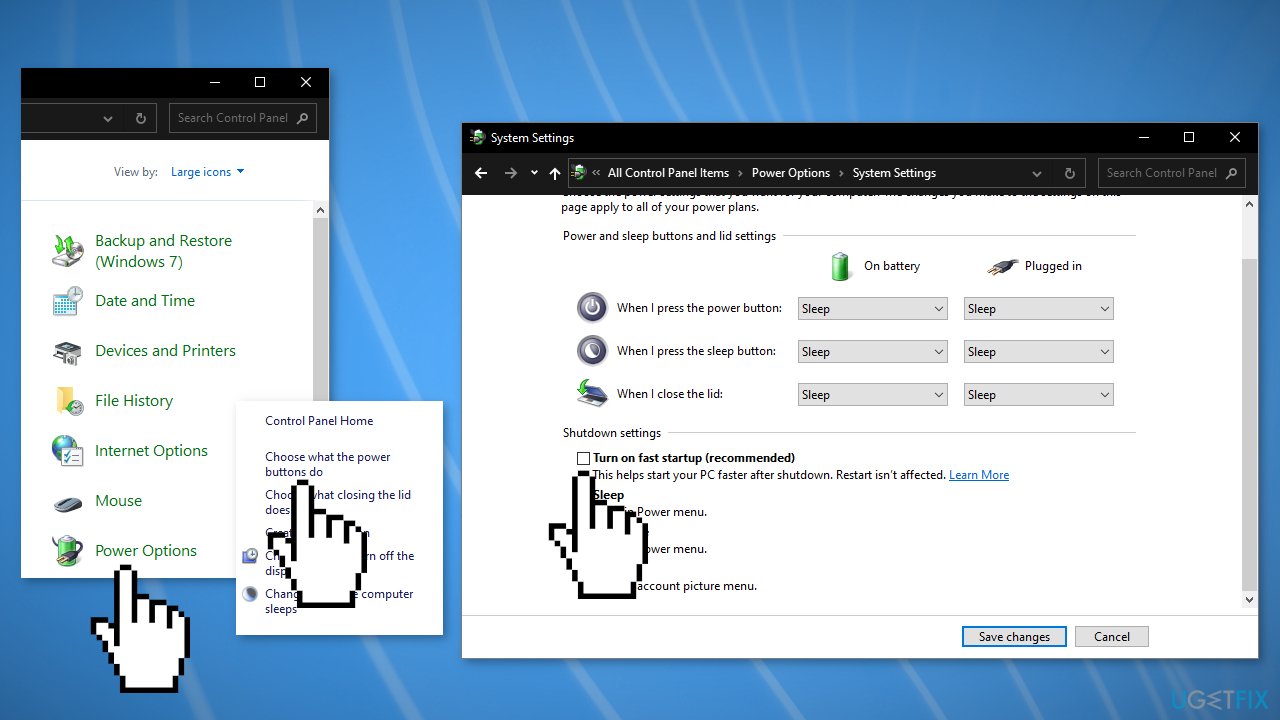
- Untick the box that says Turn on Fast Startup
- Click Save changes
Solution 4. Delete Windows.old folder
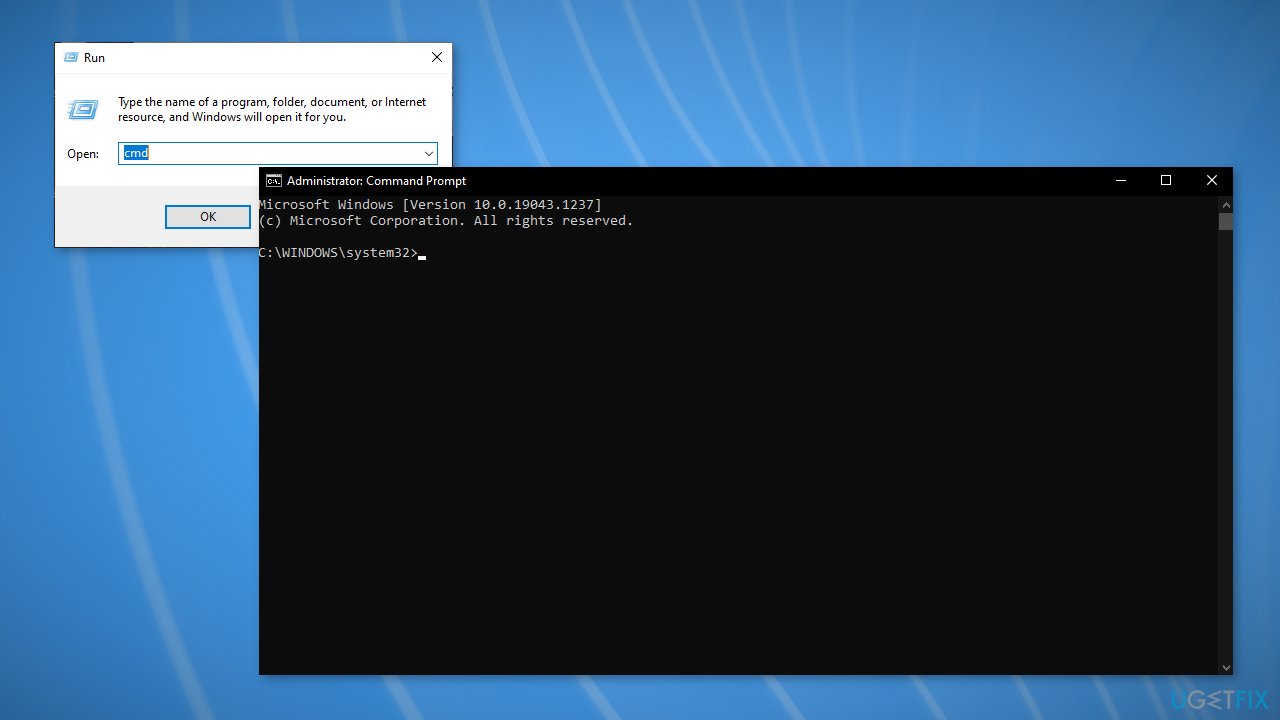
- Press Windows key + R to open the Run box
- Type cmd and simultaneously hit Ctrl+Shift and Enter keys
- Execute the following commands by pressing Enter after each one:
attrib -r -a -s -h C:Windows.old /S /D
RD /S /Q %SystemDrive%windows.old
- Restart your system
Solution 5. Reinstall IRST Drivers
- Press Windows key + R to open the Run box
- Type devmgmt.msc and press Enter.
- Double-click on IDE ATA/ATAPI, then right-click on every item below and click Uninstall device
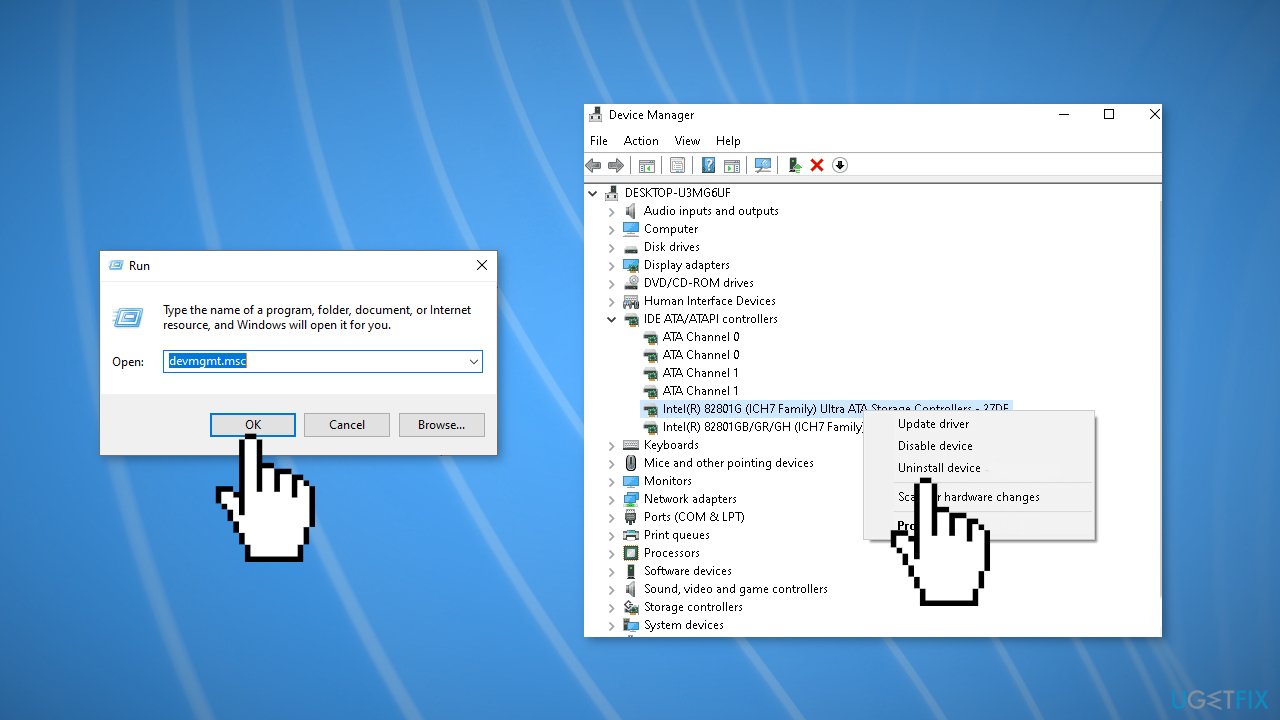
- Restart your computer, drivers will be downloaded automatically upon reboot
Solution 6. Use System Restore Point
System Restore can roll back the system back to a previous point when the error was not present. Use this utility and choose a restore point before the error started appearing.
- Search for Control Panel in your taskbar
- Change the view mode to Large icons
- Click on Recovery, then Open System Restore
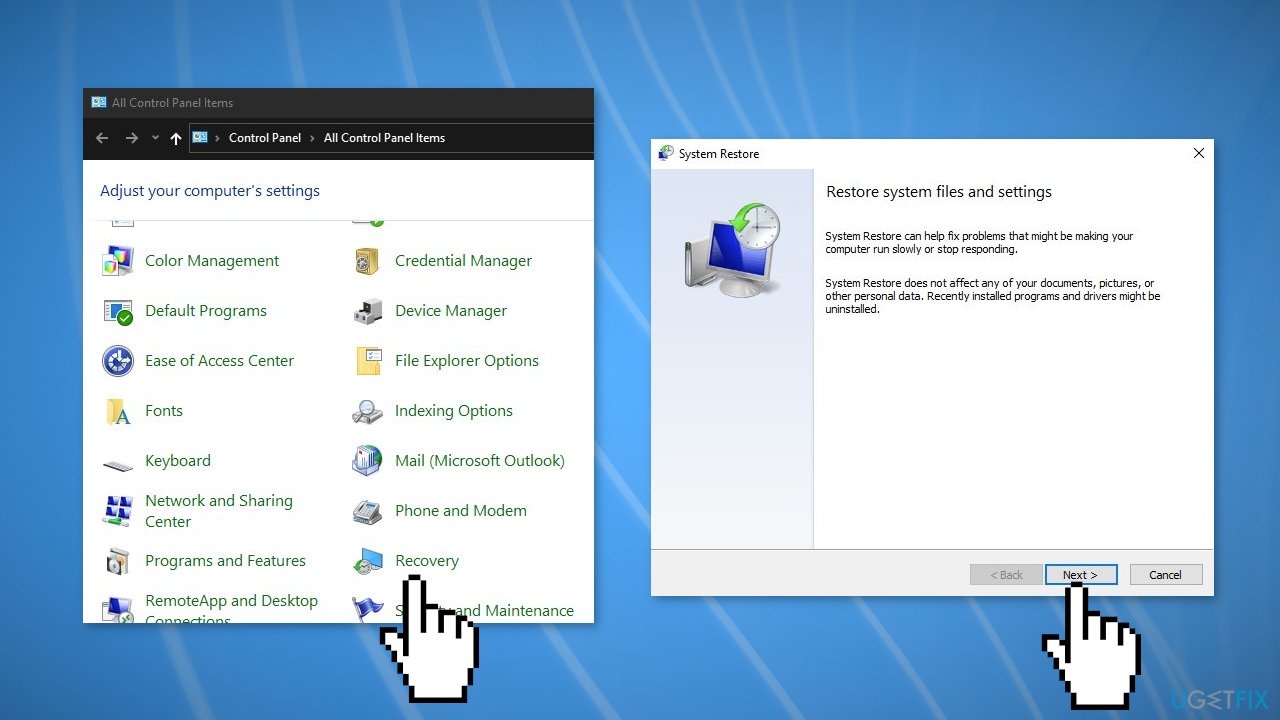
- If prompted, enter your user password
- Follow the on-screen instructions and wait for the wizard to complete the restoration
- Restart your computer
Solution 7. Clean Install Windows
Performing a clean install wipes out data from the PC, so please create backups before you proceed.
- Download the ISO file
- Select Create installation media for another PC and click Next
- Select ISO file and click Next
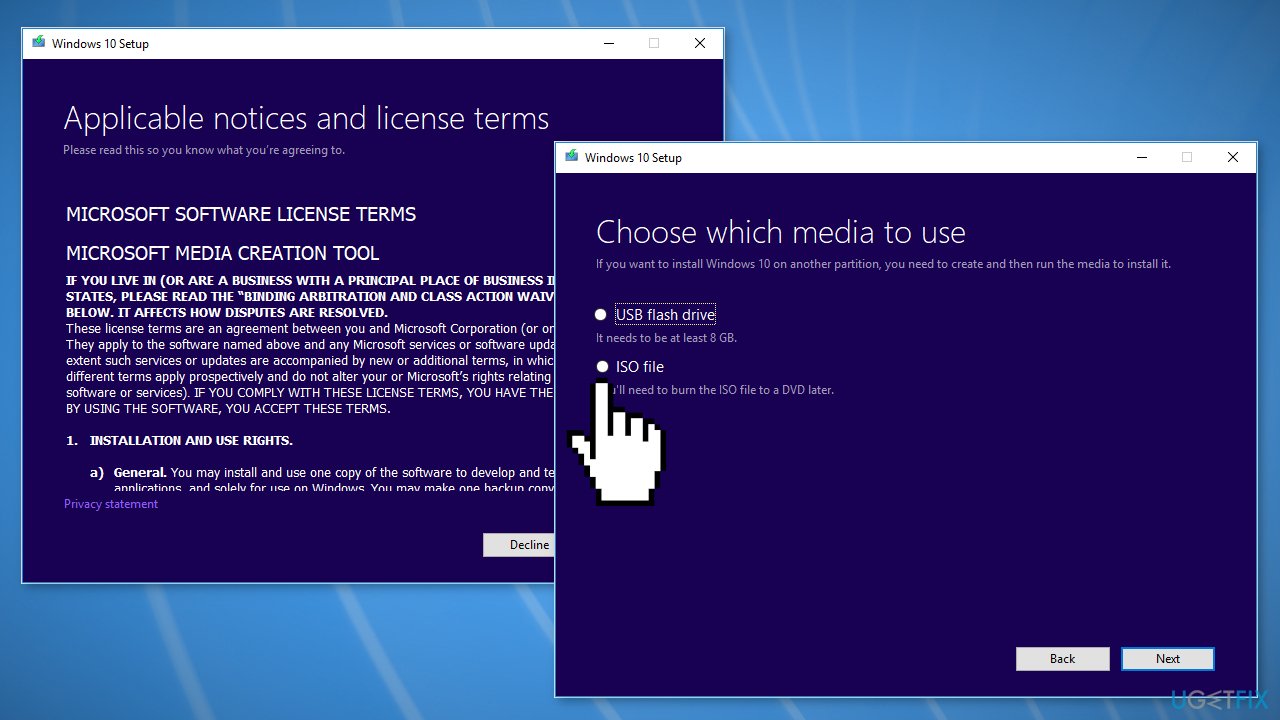
- Click Finish
- Open the Windows ISO file you downloaded
- Open Setup and click Next
- Click Accept (Be prepared to wait; this next part may take a while)
- Click Install
- Wait for your system to restart and install Windows
Bottom line
To fix the iaStorAC.sys BSOD error, you can start by repairing corrupted system files using Command Prompt commands and running the Windows Memory Diagnostic Tool. If these steps do not resolve the issue, consider using a repair tool or further troubleshooting to identify potential hardware replacements.
Frequently asked questions
The iaStorAC.sys BSOD error is typically caused by issues with Intel Rapid Storage Technology drivers or corrupted system files. This can occur after system updates or hardware changes.
To update the drivers, go to Device Manager, expand 'Storage controllers', right-click on Intel Rapid Storage Technology, and select 'Update driver'. You can also download the latest drivers directly from Intel's website.
If updating the drivers doesn't work, try running the System File Checker tool by executing 'sfc /scannow' in Command Prompt to repair corrupted system files.




Report an issue
What's wrong with this guide? We review every report and update or remove content.
Report received — thank you. We'll review and fix it.
You need a free account to submit a report.
Be the first to comment