How to fix
KB5012599 failed to install
on Windows
Resolve the KB5012599 installation error on Windows 10 and 11 effortlessly with expert-tested solutions. Fix it in minutes and get your updates back!

What causes How to fix KB5012599 failed to install on Windows?
- System file corruption
- Malfunctioning Windows update components
- Issues with the SoftwareDistribution folder
- Corrupted system files
- Network issues
Repairs Windows system files, removes malware, and restores a clean OS state — without reinstalling.
Hello. I have been trying to install the Windows 10 update KB5012599 but it fails every time. I receive an error code 0x800f0831. What should I do?
The 0x800f0831 error code was reported to appear after trying to install the KB5012599 Windows 10 update. People that experience the issue say that the update package downloads successfully but the installation process fails and produces an error message. Microsoft releases important feature updates and security patches[ref en-1] so an update error is a problem that needs to be fixed.
The KB5012599 package is said to make quality improvements to the servicing stack. It can fail to install for a number of reasons. Most of the time, the error is caused by system file corruption, malfunctioning Windows update components, or the SoftwareDistribution folder. Usually, the updating process can be restored by running a built-in update troubleshooter or resetting the update components.
You can also use a maintenance tool like [d1] that can fix most system errors, BSODs,[ref en-2] and registry[ref en-3] issues. It can also automatically clear the system from cookies and cache which are often the culprits of many malfunctions. This powerful software will help you avoid a lengthy troubleshooting process. Otherwise, follow the step-by-step guide provided below carefully.
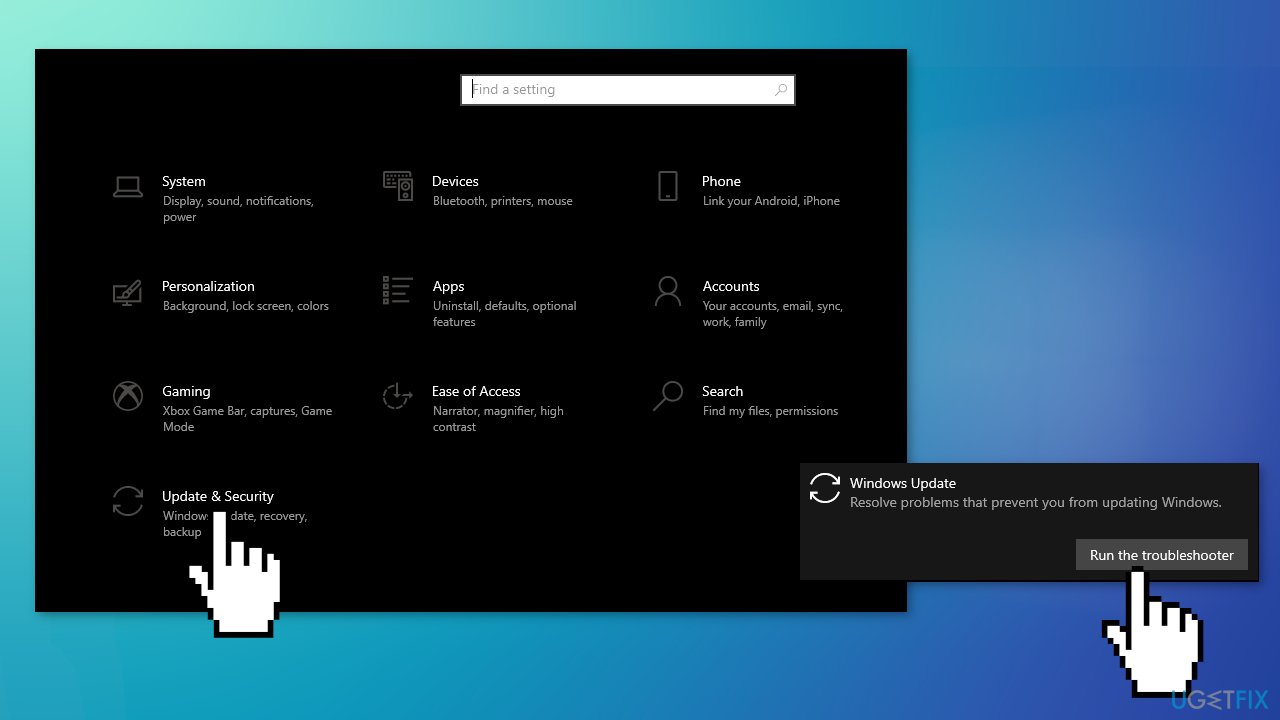
Solution 1. Run the Update Troubleshooter
- Press the Windows + X keys and go to Settings
- Go to Update and Security
- Click Troubleshooter
- Select Additional troubleshooters
- Run the Update troubleshooter
- Restart
Solution 2. Repair Corrupted System Files
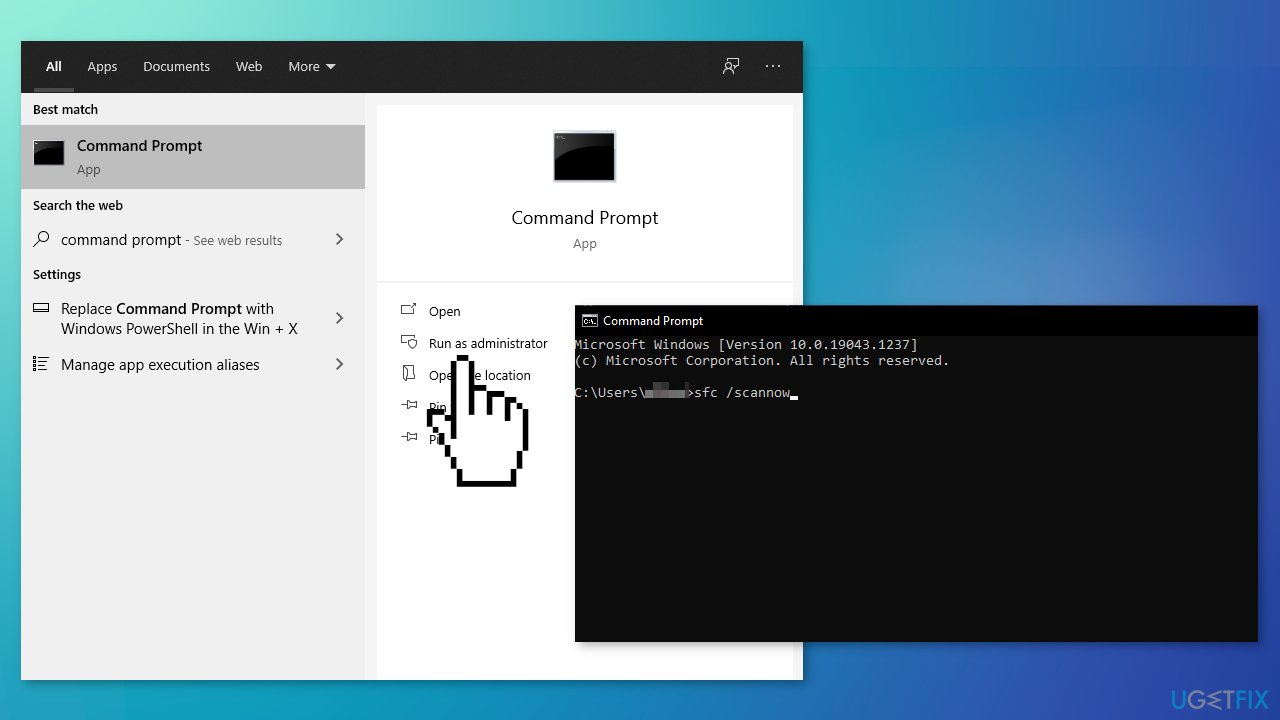
Use Command Prompt commands to repair system file corruption:
- Open Command Prompt as administrator
- Use the following command and press Enter:
sfc /scannow
- Reboot your system
- If SFC returned an error, then use the following command lines, pressing Enter after each:
DISM /Online /Cleanup-Image /CheckHealth
DISM /Online /Cleanup-Image /ScanHealth
DISM /Online /Cleanup-Image /RestoreHealth
Solution 3. Reset Windows Update Components
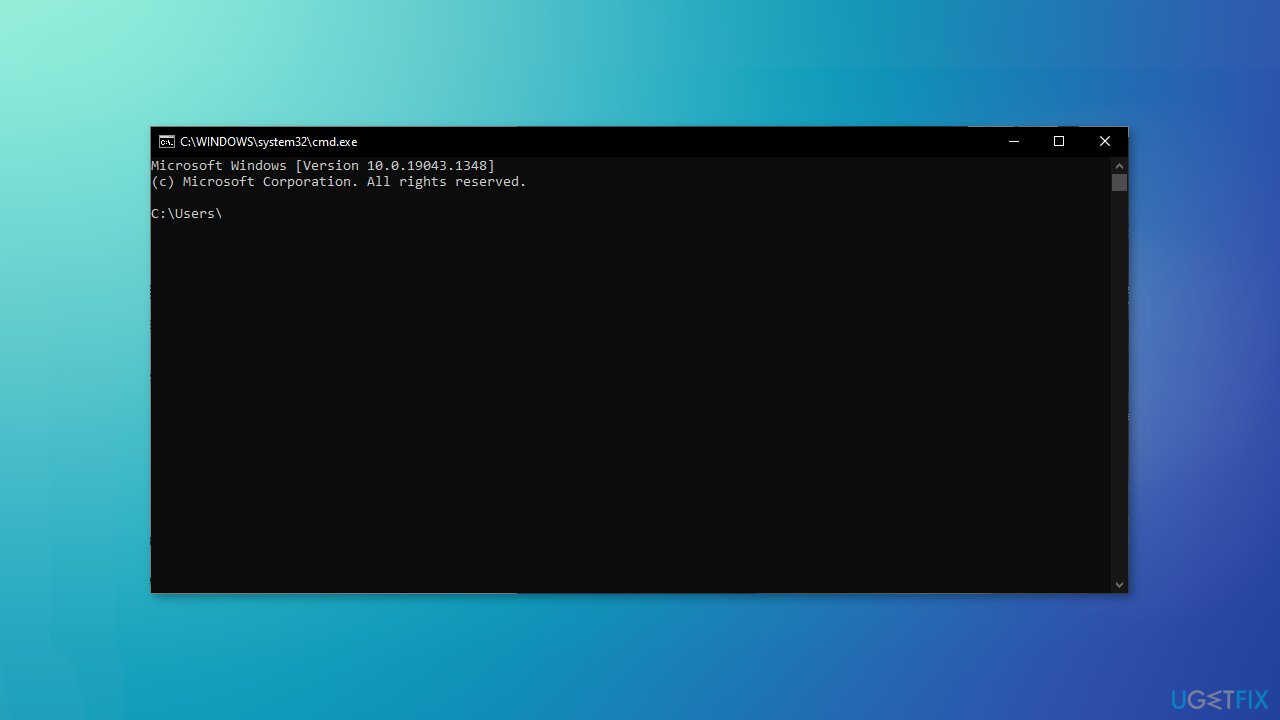
- Open Command Prompt as administrator again
- Copy and paste the following commands, pressing Enter after each:
net stop bits
net stop wuauserv
net stop appidsvc
net stop cryptsvc
Del “%ALLUSERSPROFILE%\\Application Data\\Microsoft\\Network\\Downloader\\*.*”
rmdir %systemroot%\\SoftwareDistribution /S /Q
rmdir %systemroot%\\system32\\catroot2 /S /Q
regsvr32.exe /s atl.dll
regsvr32.exe /s urlmon.dll
regsvr32.exe /s mshtml.dll
netsh winsock reset
netsh winsock reset proxy
net start bits
net start wuauserv
net start appidsvc
net start cryptsvc
- Restart your PC
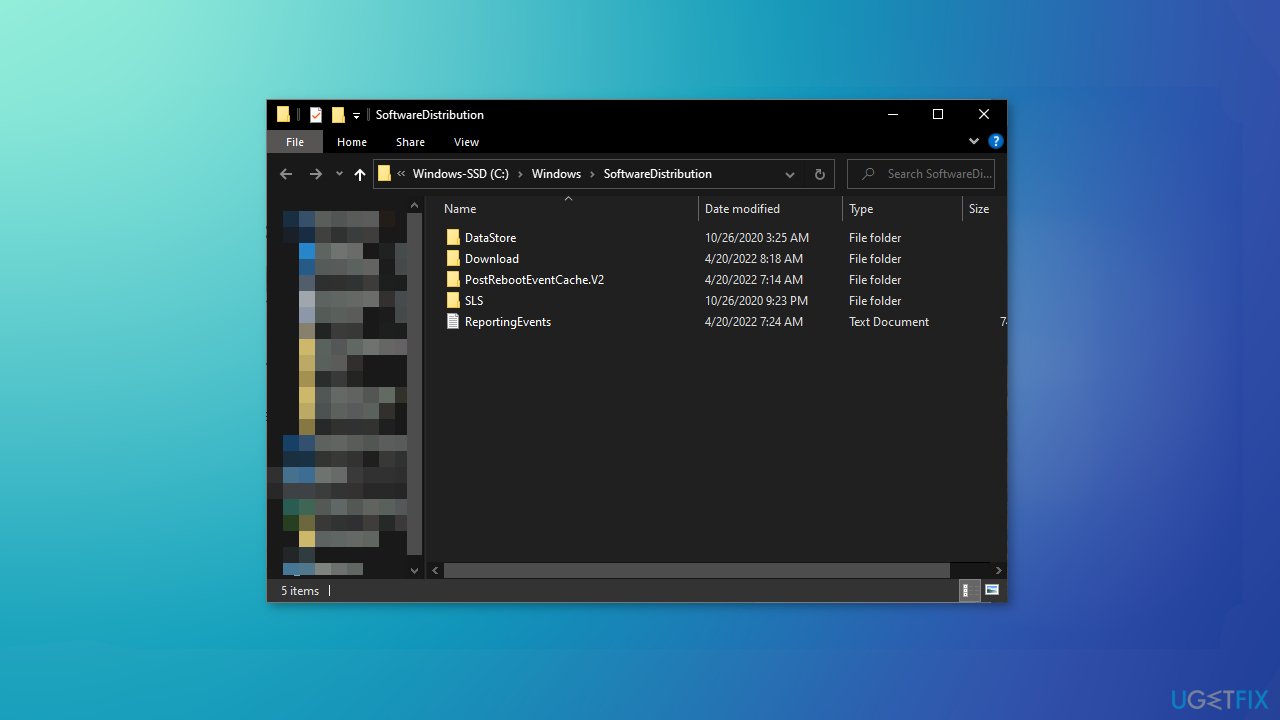
Solution 4. Delete the SoftwareDistribution Folder
- Search the taskbar for C:\\Windows\\SoftwareDistribution
- Select all the files inside the folder and deleted them
Solution 5. Update via Media Creation Tool
- Download Windows 10 installation media from the official Microsoft website
- Open the tool once it installed
- Agree to license terms
- Choose Upgrade this PC now
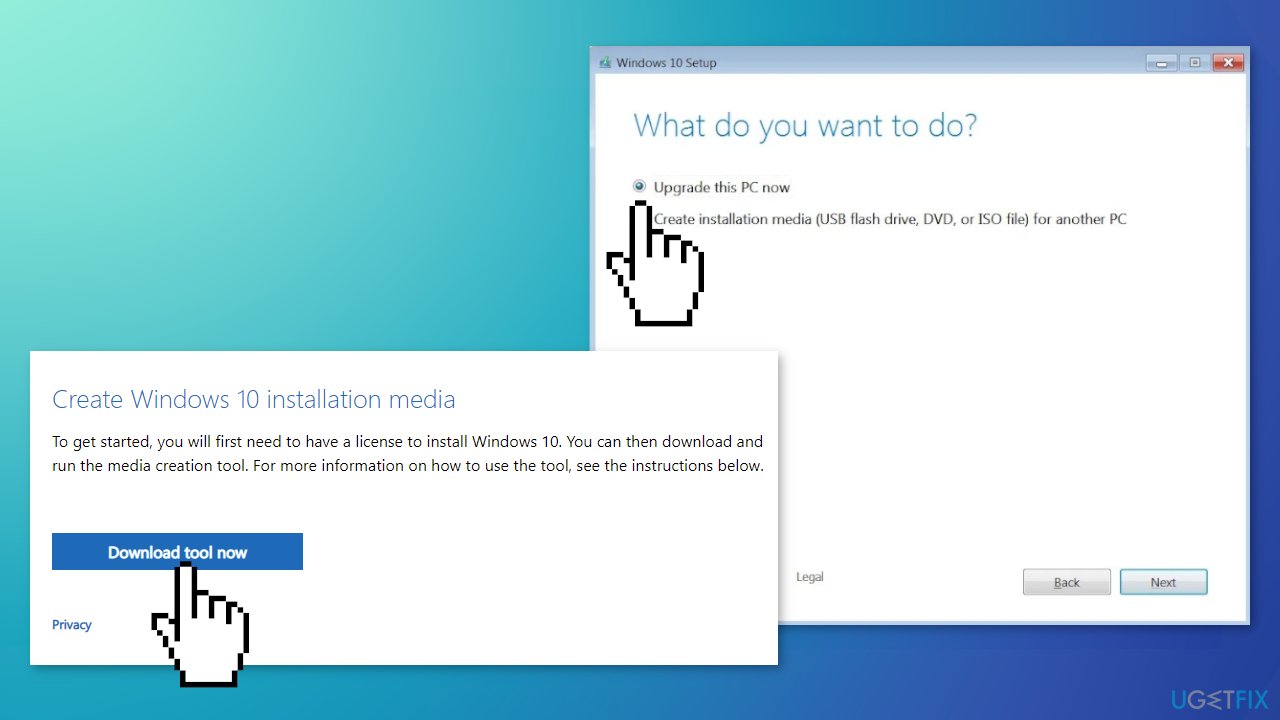
- Wait for the update to be installed
Bottom line
To fix the KB5012599 installation error, you can run the Update Troubleshooter, repair corrupted system files using Command Prompt, or reset Windows Update components. If these solutions do not resolve the issue, consider using a maintenance tool or seeking further assistance.
Frequently asked questions
Try running the Windows Update Troubleshooter to identify and fix any issues preventing the installation of KB5012599. If that doesn't work, consider manually downloading and installing the update from the Microsoft Update Catalog.
Check for any pending updates and ensure your system is fully updated before attempting to install KB5012599 again. You can also reset the Windows Update components to resolve persistent error codes.
Yes, you can uninstall the update if it is partially installed, but ensure to back up your data first and monitor your system for any issues related to the update.




Report an issue
What's wrong with this guide? We review every report and update or remove content.
Report received — thank you. We'll review and fix it.
You need a free account to submit a report.
Be the first to comment