
How to fix the latest Windows security update KB5005565 not installing?

Prefer to fix it yourself? The manual steps follow.
7 methods in this guide
There are many operating systems, but one of the most popular ones is Windows created by Microsoft. It is widely preferred among home users and corporate environments. It has many customization functions and has built-in troubleshooters that fix different issues automatically. However, these troubleshooters do not always work and users are forced to look for solutions themselves.
Besides all its useful functions, Windows also has the ability to update itself automatically. Microsoft releases many security patches and other updates frequently, so it is important to update the system to keep it working properly. Users can also update turn off automatic updates, and perform them themselves when they want to, but that does not always go well.
Issues with Windows updates is a common occurrence. Recently some users started experiencing troubles while trying to install the latest security update KB5005565 for Windows 10 version 21H1. Users experienced different errors including 0x800f0922, 0x8000ffff, 0x800f0826 and more. Some report that they downloaded the update successfully, but it got stuck while installing them. There are many reasons why this could be happening so it is not the easiest issue to take care of.
Another possibility is that some of your system files are damaged. This software can find the underlying problems on a PC, replace the damaged system components within just a few minutes, and fix BSODs, registry issues, and errors. Besides, the app can be used as a maintenance utility for freeing up space, and increase the performance of the machine.
If you have come across the "Updates failed" error, you need to fix it as soon as possible. Make sure to follow the guides step-by-step carefully:
Solution 1. Run the Windows Update Troubleshooter
One of the first things you should do, is use the built-in Windows Update Troubleshooter to see if it can take care of the problem for you:
- Select Start and go to Settings
- Choose Update & Security
- Click Troubleshoot and Additional troubleshooter
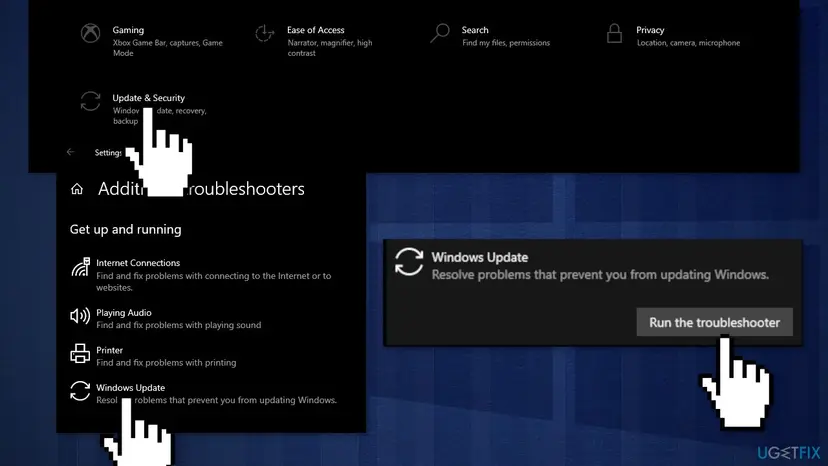
- Select Windows Update and Run the troubleshooter
- Restart
Solution 2. Create a system restore point
- In the search box on the taskbar, type Create a restore point and select it from the list of results
- On the System Protection tab in System Properties, select Create
- Type a description for the restore point, then select Create and OK
- Open the Command prompt as administrator on your computer
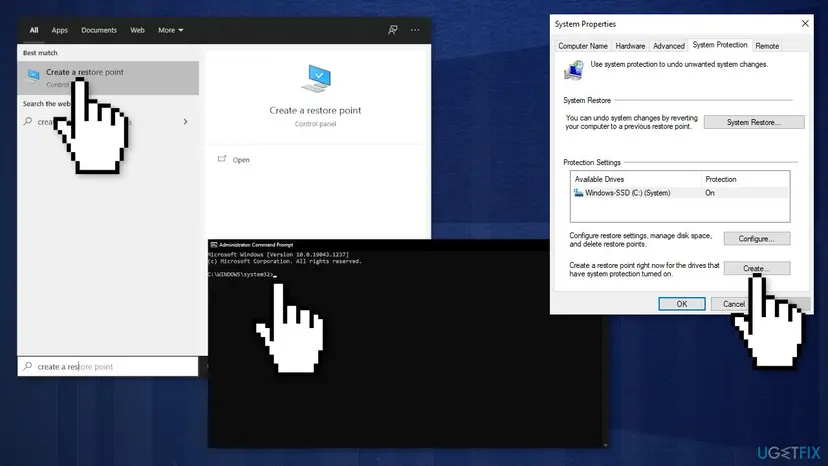
- Type each command below and press Enter after each one:
net stop wuauserv
net stop bits
net stop cryptsvc
net stop trustedinstaller
You may need to run the command more than once until you see the message that the service has stopped successfully.
Solution 3. Clear the Windows Update cache
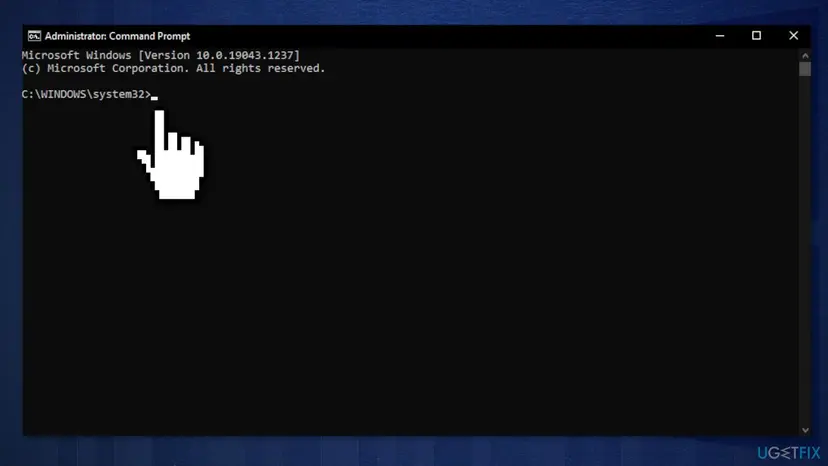
- Open the Command prompt as administrator
- Type the following commands and press Enter after each one:
ren %systemroot%\\softwaredistribution softwaredistribution.bak
ren %systemroot%\\system32\\catroot2 catroot2.bak
Solution 4. Restart Windows Update Service
Restarting Windows Update Service will undo any configurations done by the user or application:
- Press Windows + R to open the Run dialog
- Type services.msc and click OK
- In the Services window, scroll down to find Windows Update Service
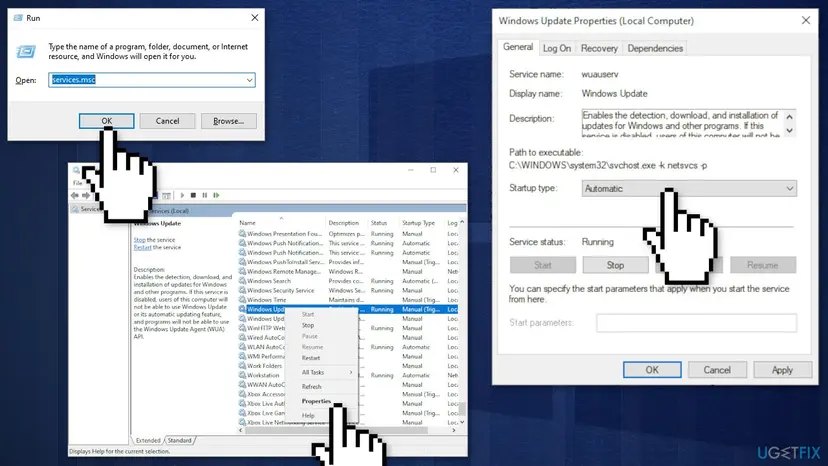
- Right-click, select Properties, change its Startup type to Automatic, and change its Service status to Running
- Click Apply and OK
- Restart
Solution 5. Clean boot
Clean boot is one of the troubleshooting techniques that help identify if an app is causing the issue. It is usually performed when non-Microsoft products cause software conflicts. A clean boot helps in the easy start-up of OS by only loading essential files and programs:
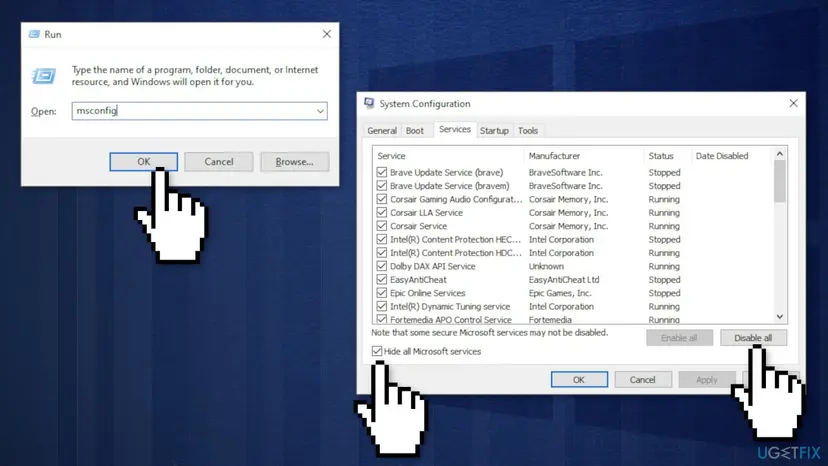
- Press Windows + R, type msconfig, and hit Enter
- Go to Services tab and tick the Hide all Microsoft services checkbox
- Select Disable all
- Go to Startup tab and click Open Task Manager
- Here, right-click on each of the non-Windows entries and select Disable
- Close down the Task Manager
- Go to Boot tab and tick the Safe boot option
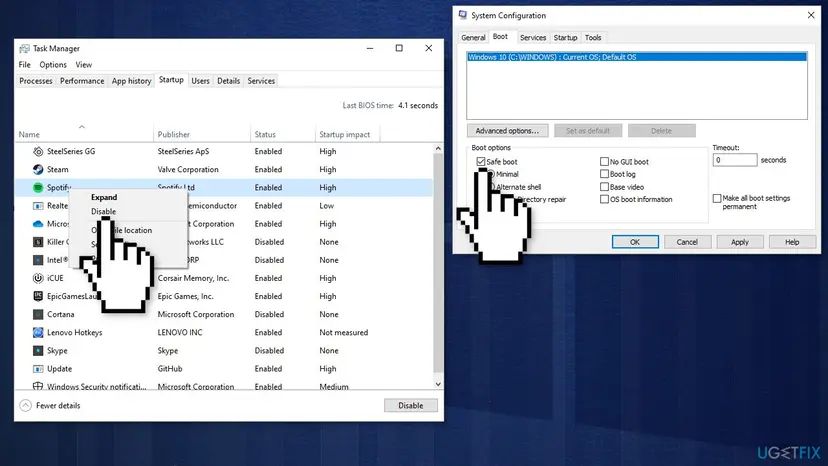
- Click Apply, OK, and restart your computer
Solution 6. Repair and Restore system files
Use Command Prompt commands to repair system file corruption:
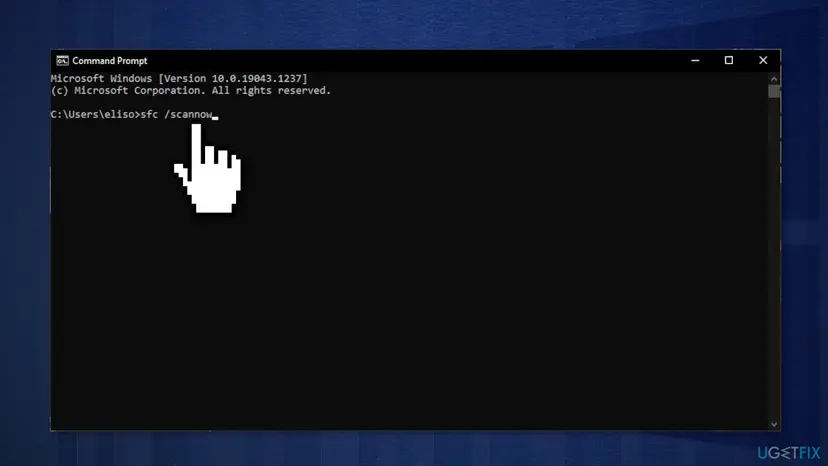
- Open Command Prompt as administrator
- Use the following command and press Enter:
sfc /scannow - Reboot your system
- If SFC returned an error, then use the following command lines, pressing Enter after each:
DISM /Online /Cleanup-Image /CheckHealth
DISM /Online /Cleanup-Image /ScanHealth
DISM /Online /Cleanup-Image /RestoreHealth
Solution 7. Use Media Creation Tool
Those who tried most of the solutions available online and nothing has worked said that they could fix the error after using Media Creation Tool's upgrade feature. Before you begin, make sure that all the external devices (printers, phones, cameras, etc.) are disconnected from your system. Also, backup your files just in case something goes wrong.
- Download the installer from the official Microsoft website
- Launch it, agree to terms and click Next
- From the available options, select Upgrade this PC now and click Next
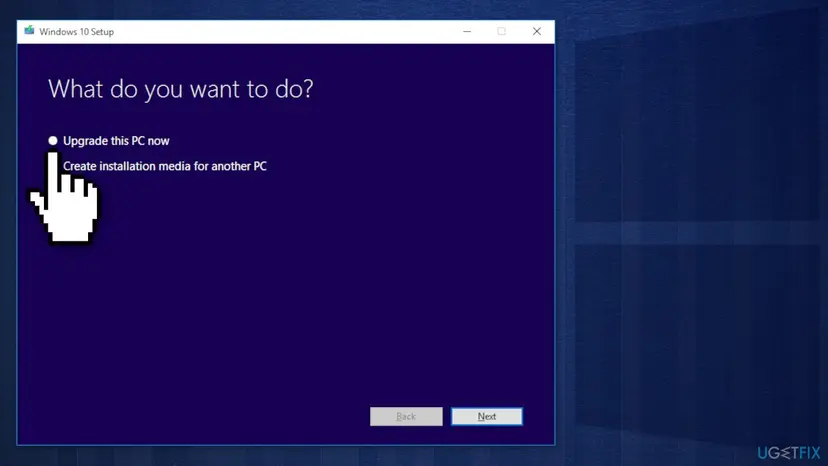
- The necessary files should be then downloaded
- Once the installation is complete, reboot your system
Did this fix work?
One click, no account. It tells the next reader which guides are worth their time.
Questions and experiences: fix the latest Windows security update KB5005565 not installing
Still broken, or found a fix we did not cover? Ask here: members and our editors answer. Reading is open; writing needs a free account.
…