How to fix
Make computer shut down on a timer
on Windows
Easily set your Windows 10 or 11 computer to shut down on a timer with our expert-tested tips. Optimize your settings for hassle-free sleep mode!

Why does How to make computer shut down on a timer in Windows occur?
- Users may want to take advantage of the automatic shutdown feature
- Leaving the computer in sleep mode for extended periods can be draining
- Not shutting down can be environmentally unfriendly
- Users may forget to manually shut down their computer
- Users may need to schedule shutdowns for specific tasks
Repairs Windows system files, removes malware, and restores a clean OS state — without reinstalling.
Hello. Is there a way to program a Windows computer to shut down automatically after a certain time?
Sometimes, users may want to take advantage of the automatic shutdown in Windows. Even though the computer usually goes into sleep mode[ref en-1] after some period of inactivity, it is best to shut it down for longer breaks. Sleep mode uses very little power, RAM,[ref en-2] the PC starts up faster, and users do not lose any work progress.
However, leaving it on sleep mode longer can be quite draining and not environmentally friendly. According to the U.S. Department of Energy, it is recommended that you put your computer into sleep mode if you are not going to be using it for more than 20 minutes. It is also recommended that you shut down your computer if you are not going to use it for more than two hours.[ref en-3]
That is why in that case, users can schedule a sleep timer shutdown in Windows. This can be done in several different ways. People can use the command prompt, the run dialog box, a desktop shortcut, or the Task Scheduler application to perform it. In this guide, you will find 4 methods to make computer shut down on a timer in Windows. We will also show you how to cancel the sleep shutdown command.
Method 1. Use the Command Prompt
- Press Windows key + R to open the Run the dialog box
- Type cmd and hit Enter
- Type in the following command, and hit Enter:
Shutdown -s -t 3000
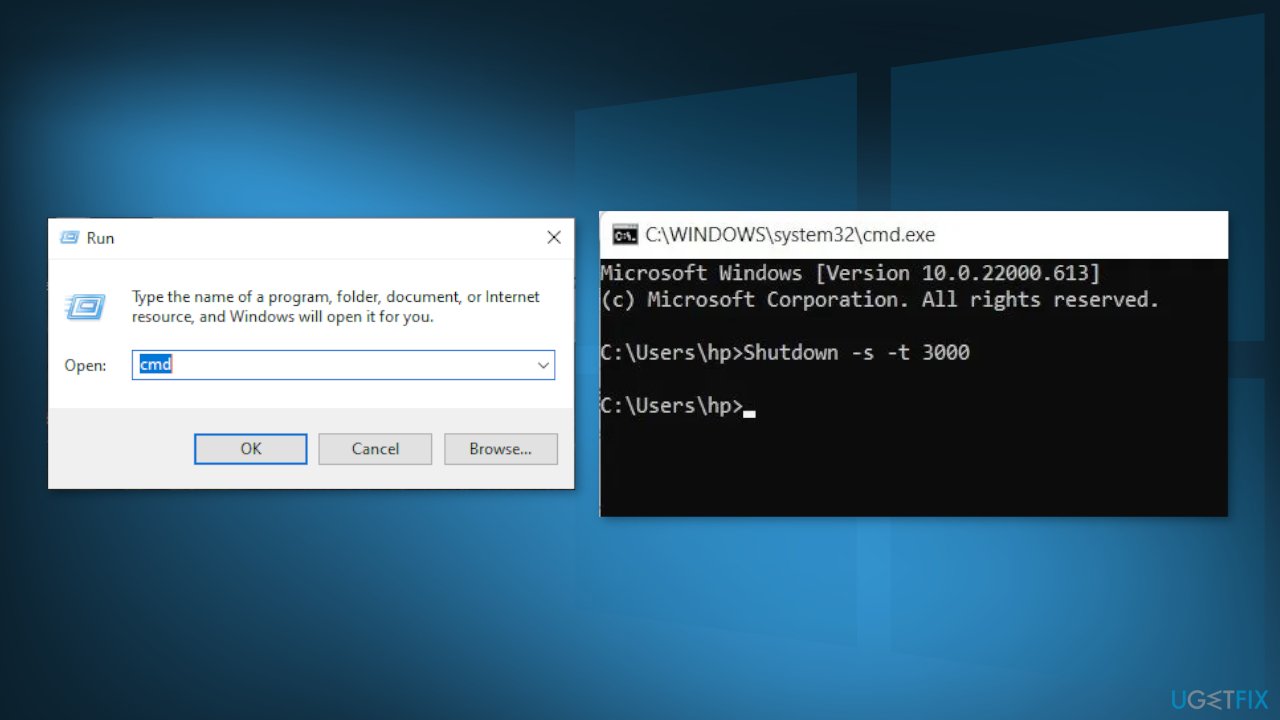
- -s is giving the command to shut down and -t is the number of seconds, you want it to wait
- You can change the timing to your own liking
Method 2. Use the Run box
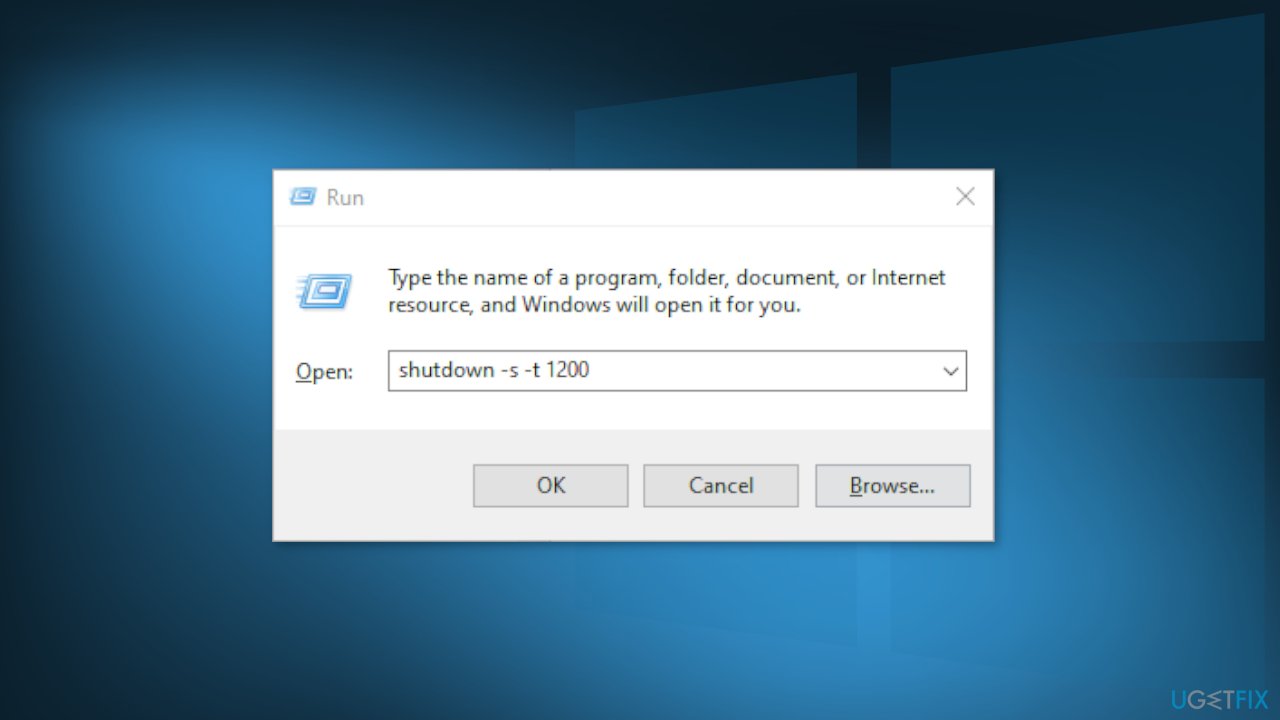
- Press Windows key + R to open the Run the dialog box
- Type shutdown -s -t and the number of seconds you need
- Select OK
Method 3. Use a Desktop Shortcut
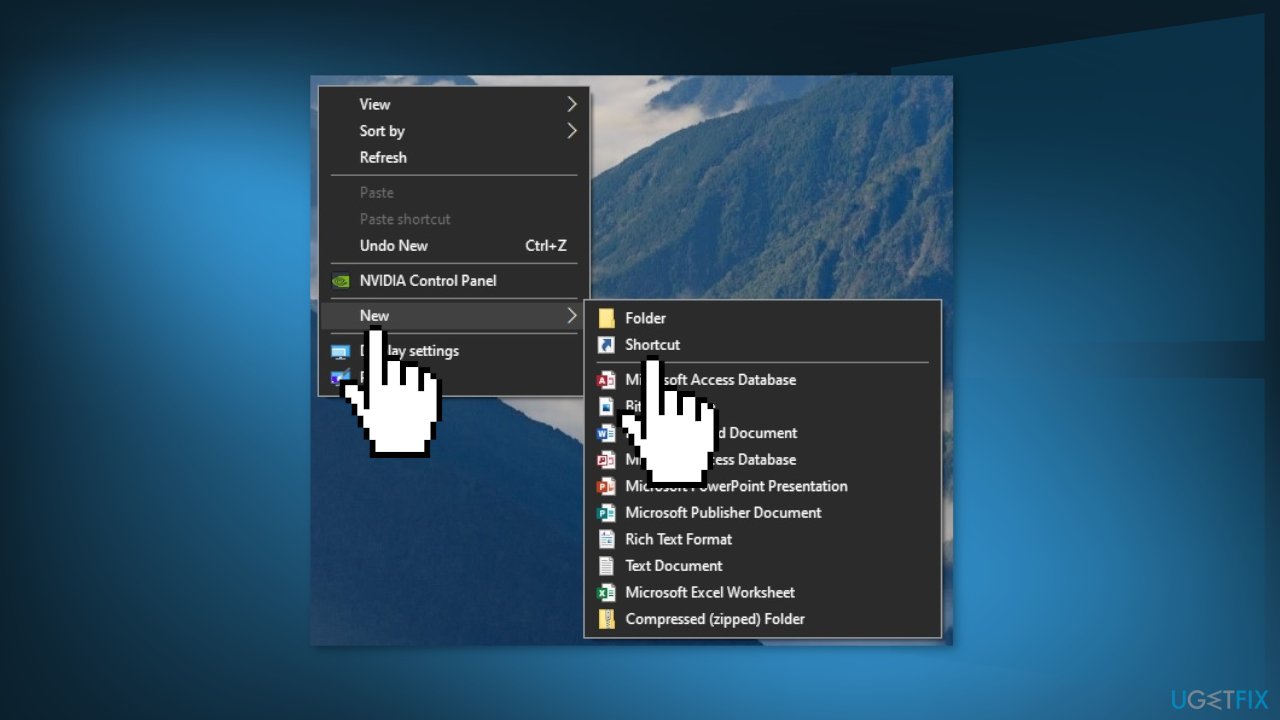
- Go to your Desktop and right-click anywhere
- Select New, and then Shortcut
- Type in the command Shutdown -s -t 3600 and click on Next
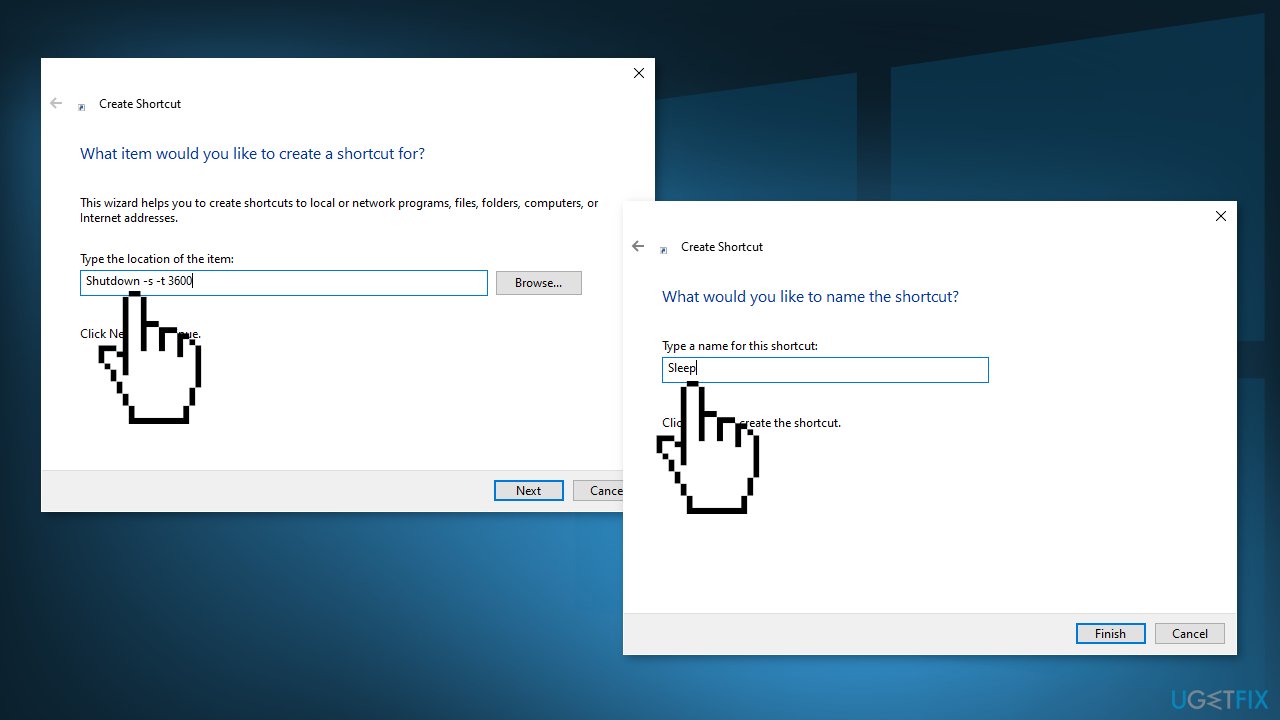
- Give the shortcut a name and click on Finish
- A shortcut will be created on your Desktop
Method 4. Use Task Scheduler to Set up Regular Shutdowns
- Open the Task Scheduler by typing Schedule into the Windows search box
- Go to Actions and choose Create Basic Task
- In the Name and Description boxes, enter a name and description of your task and click Next
- In the Create Basic Task Wizard window, select a Trigger and go to the Next window
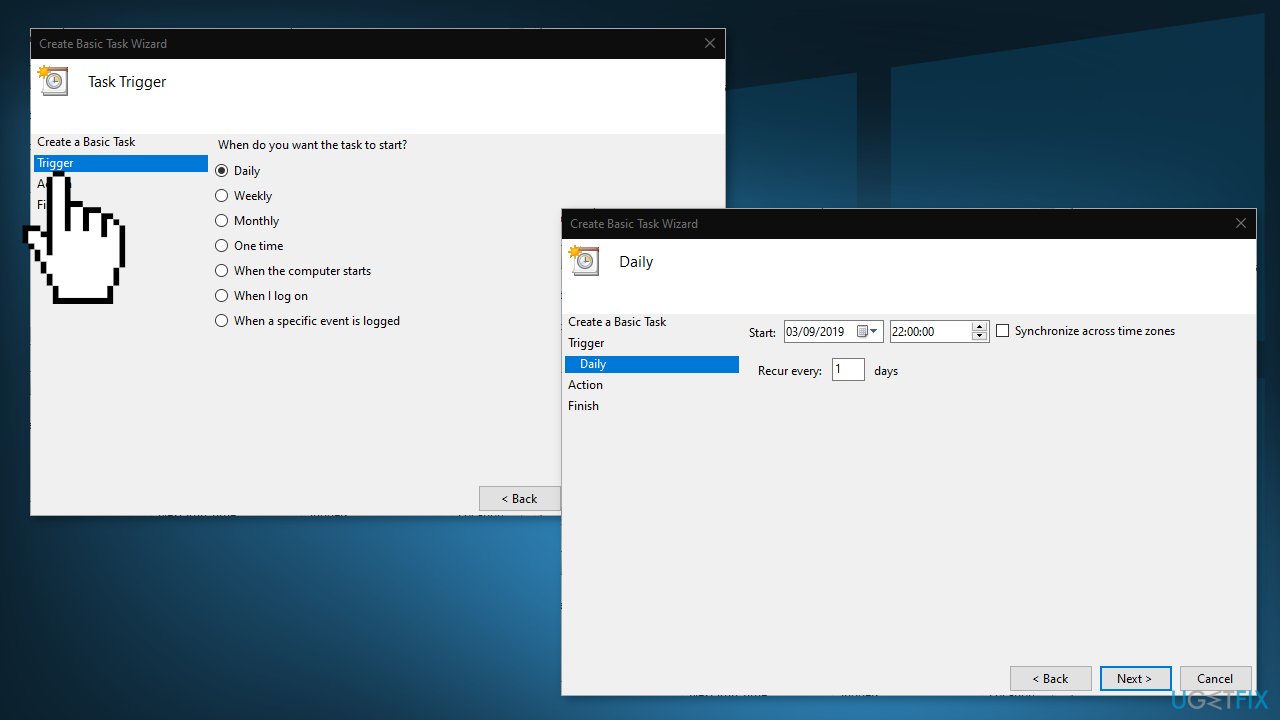
- Enter the dates and times as needed using the prompts from the Wizard
- In the Action window, select Start a program and click Next
- In the Start a Program window, use the Browse button to select the shutdown program on your computer. It might be named shutdown.exe or some other form of shutdown, depending on your computer
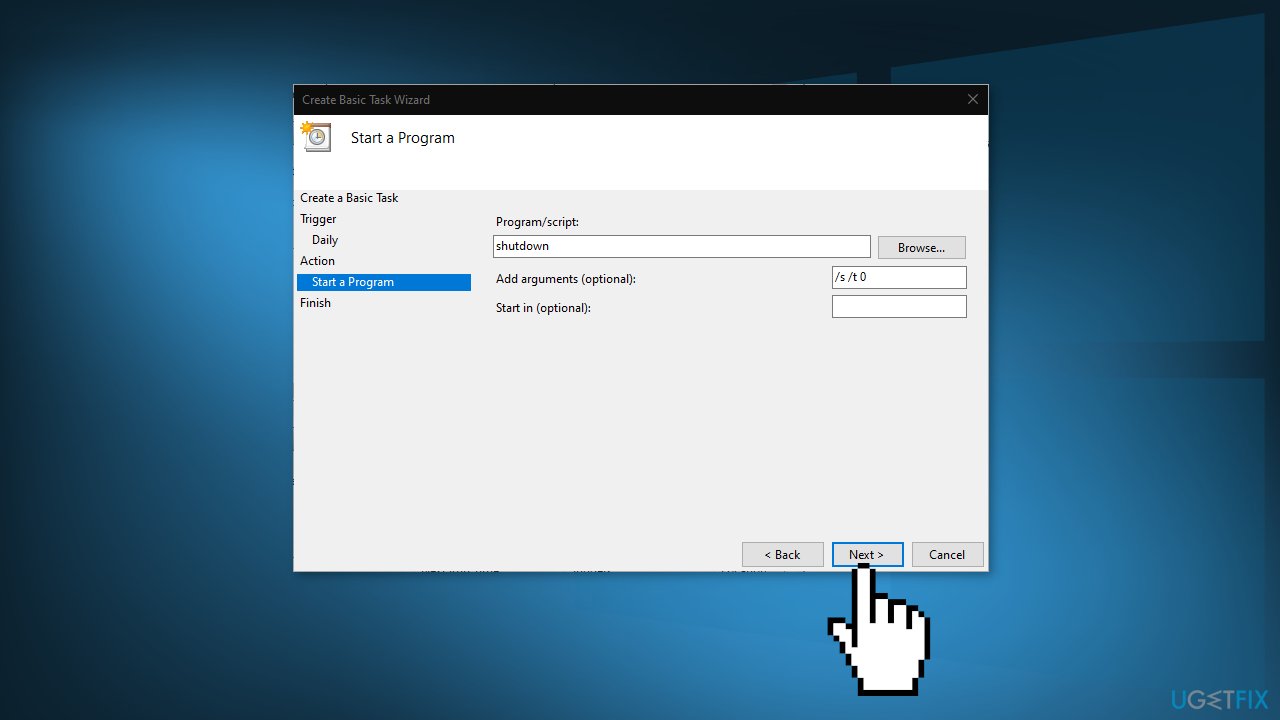
- After you have selected the shutdown file, select Open
- In the Start a Program window, select Next
- In the Summary window, select Finish
Cancel the Sleep Shutdown Command in Windows
- Go to your Desktop and right-click anywhere
- Select New, and then Shortcut
- Type in the following command:
Shutdown -a
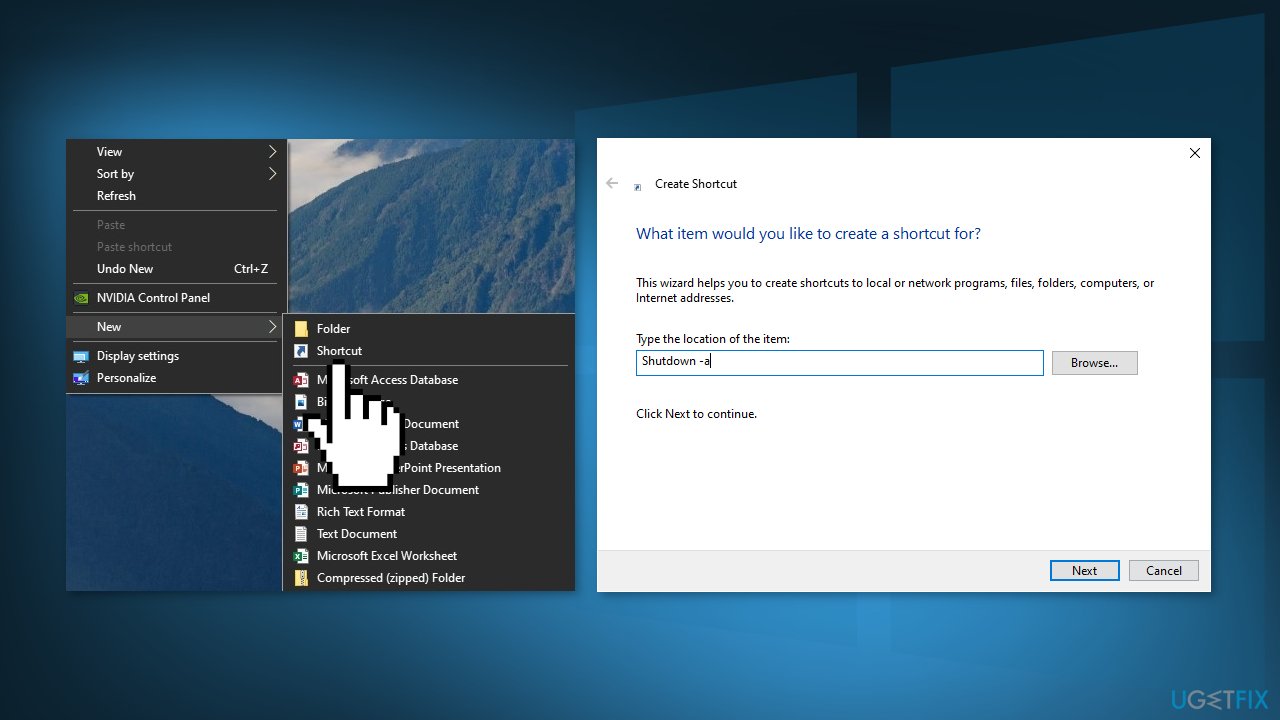
- Type the name for this shortcut and click on Finish
Bottom line
This guide provides four methods to schedule a shutdown on a timer in Windows, including using the Command Prompt, the Run box, and creating a desktop shortcut. If these methods do not work, consider using the Task Scheduler application for more advanced scheduling options.
Frequently asked questions
You can use the Command Prompt by typing 'shutdown -s -t [time in seconds]' to schedule a shutdown in Windows 10.
Yes, you can create a task in Task Scheduler to run the shutdown command at a specified time in Windows 11.
Yes, you can cancel a scheduled shutdown by typing 'shutdown -a' in the Command Prompt before the timer expires in both Windows 10 and Windows 11.




Report an issue
What's wrong with this guide? We review every report and update or remove content.
Report received — thank you. We'll review and fix it.
You need a free account to submit a report.
Be the first to comment