How to fix
4 Ways To Update Antivirus Software
on Windows
Keep your Windows 10 secure by updating your antivirus software effortlessly. Discover four efficient methods with expert-tested tips for optimal protec…

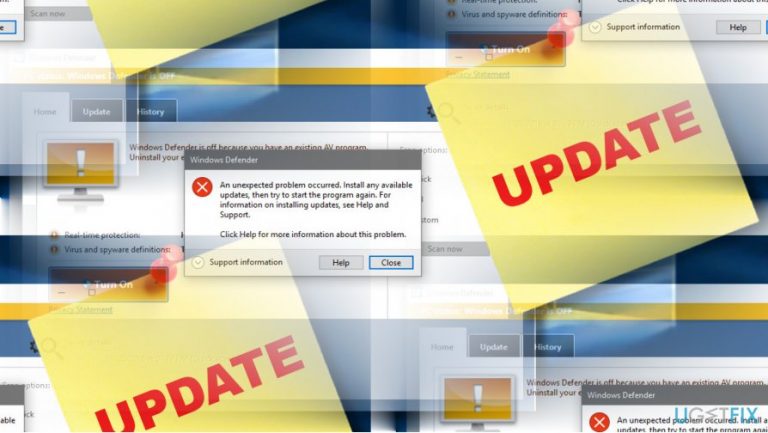
Why does 4 Ways To Update Antivirus Software on Windows 10 occur?
- Windows 10 automatic updates fail to work frequently
- Users are not informed about missing updates
- Users may not check for updates manually
- Windows Defender may be outdated without user knowledge
- Third-party antivirus utilities may also be outdated
Repairs Windows system files, removes malware, and restores a clean OS state — without reinstalling.
Hello. I wonder how can I know if Windows Defender is up-to-date? Does it receive updates automatically or should I update it manually?
Although Windows Defender[ref en-1] is an in-built Windows 10 antivirus utility, which is supported by Microsoft and receives updates regularly, it doesn’t mean that Windows 10 device’s users should stop caring if it's updated with the latest security definitions. 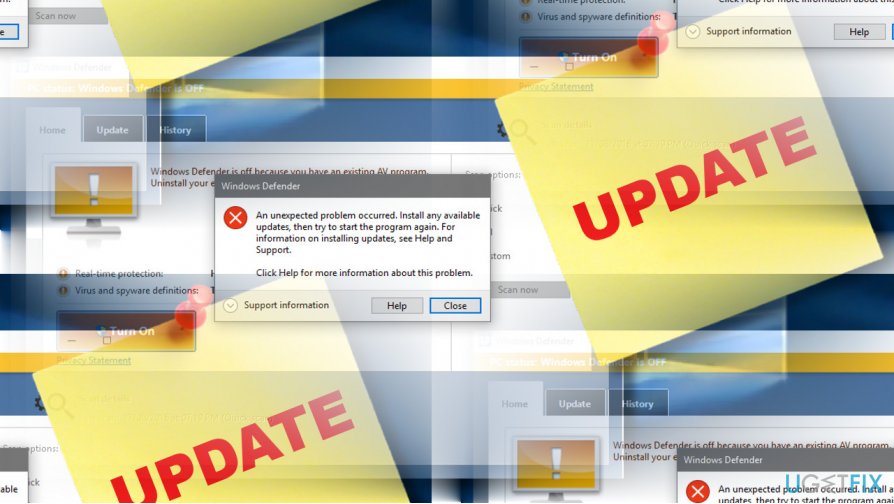
Windows 10 OS has an automatic system update feature,[ref en-2] which should automatically install Windows 10 patches, regular updates, and security updates. However, the automatic update quite frequently fails to work. On top of that, the PC’s owner is not informed about the missing updates and malfunctioning update service as long as he or she does not check for updates manually.
It means that people can be using an outdated Windows Defender or third-party antivirus utility without suspecting that, thus pushing the system into a high-risk of malware infection. To prevent this from happening, we would recommend installing Windows Defender definitions manually.
If you have doubts whether Windows Defender is fully updates, you can check that by following these steps:
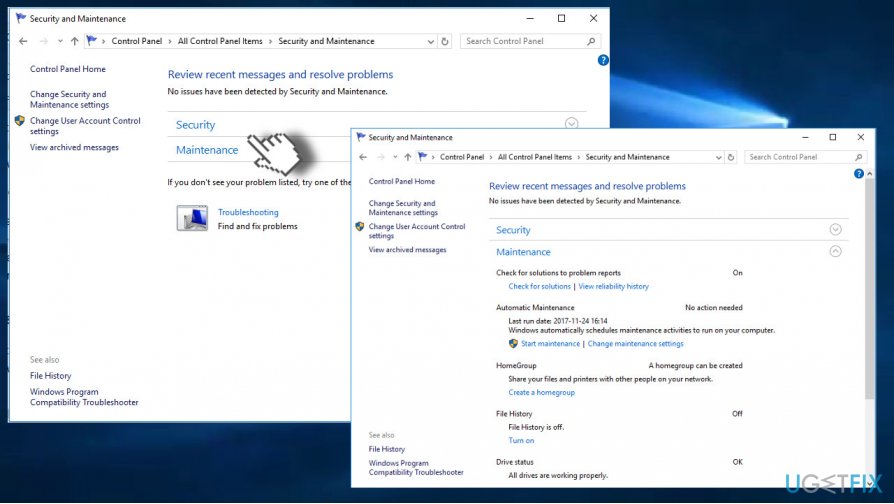
- Press Windows key + S and type Control Panel.
- Open the Control Panel and go to Security and Maintenance.
- Expand Security section to see the status of your antivirus.
- Then expand Maintenance system to check what the last time your antivirus was updated.
4 Ways To Update Antivirus Software on Windows 10
Even if it turns out that your anti-virus is fully up-to-date, you should be aware of the methods that can be applied for installing Windows Defender security definitions.
Method 1. Check for Windows Updates
The easiest method to install Windows Defender Updates is to use an in-built Windows update service. To run Windows Updates you should press Windows key + I and select Update & Security. Click Check for updates button and wait while the system performs a scan.
If the system detects Windows Defender definitions, you will get the following notification:
“Definition Update for Windows Defender – KB267602 (Definition 1.213.1379.0)” (the numbers differ each time).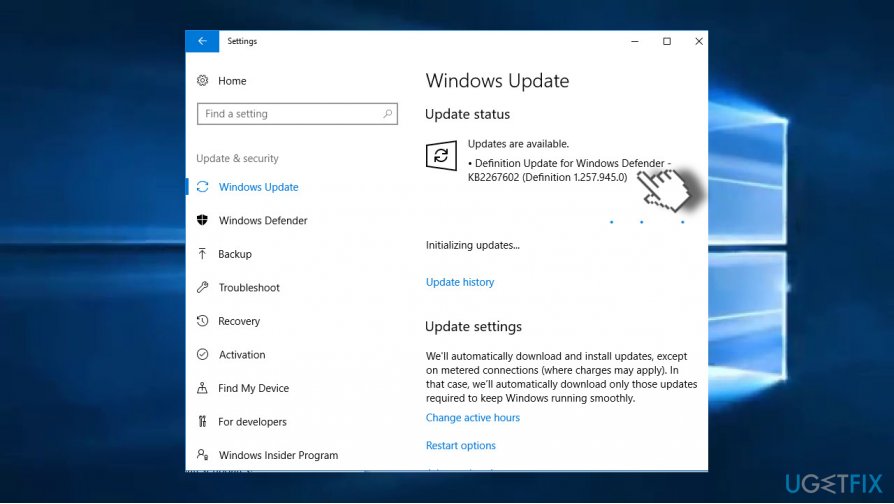
Method 2. Install Updates through Windows Defender
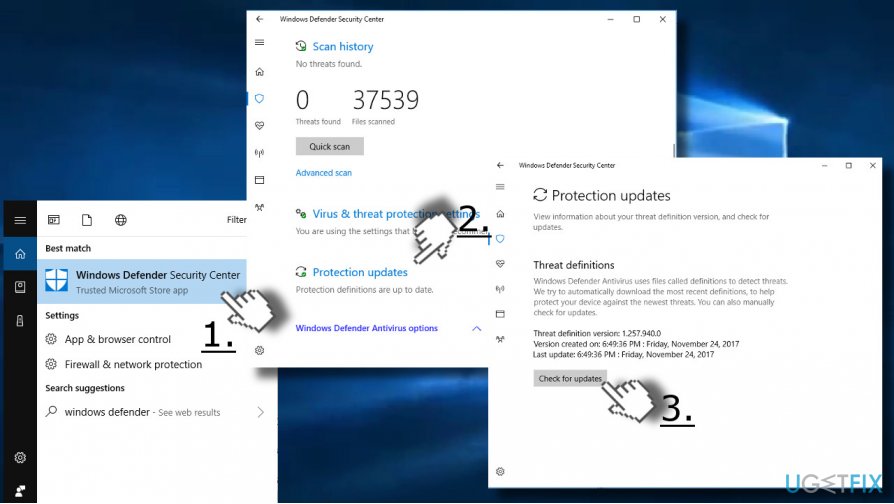
- Press Windows key + S and type Windows Defender Security Center.
- Open Windows Defender Security Center and click Virus & Threat Protection.
- Scroll down until you find Protection updates and click it.
- Click Check for Updates and wait while the scan is being executed.
NOTE: Sometimes the installation of Windows Defender definition updates end up with an error, for example, “Virus and spyware definitions couldn’t be updated” with a code 0x8024402c, 0x80240022, 0x80004002, etc. If you got such a notification when trying to update your antivirus, please refer to this post for help.
Method 3. Install Windows Defender definitions from the catalog
If you can’t update Windows Defender via Windows Update or through Windows Defender Security Center due to one or another reason, you can do that on the official Microsoft’s website. There’s a section called “Definition updates for Windows Defender Antivirus and other Microsoft antimalware, ” which you can access by clicking on this link.
NOTE: before updating, check whether your Windows PC is 32-bit or 64-bit. Besides, check the version of your antivirus tool. You can do that by following these steps:
- Press Windows key + I and open Settings.
- Select Update & Security and click on Windows Defender option on the left pane.
- At the right side of the window, you’ll see all information regarding Windows Defender version and definitions.
Method 4. Install PC Optimization Utility
The last option that you have is to install a professional optimization utility, for example, [d1]. This particular program is not capable of installing missing updates forcefully as it does not have a Windows Update database.
Nevertheless, Reimage will let you know as soon as the antivirus tool gets out of date or starts malfunctioning, thus preventing the system loosing protection.
On top of that, this program will fix issues with Windows Registry, Windows files, and will work as a second hand antivirus as it has an inbuilt Avira-Antivir anti-malware engine.
IMPORTANT: Except the first method, all the other three methods for updating antivirus software can be applied for third-party anti-virus, so if you are using Kaspersky, Avast,[ref en-3] Norton or another utility, you can update it from within the application or the manufacturer's website. Finally, Reimage tool can identify the problems with third-party antivirus and report them to the device's user, except that it won't fix them.
Bottom line
To ensure your antivirus software is up-to-date, you can check for Windows Updates, install updates through Windows Defender, or manually install Windows Defender definitions. If these methods do not resolve the issue, consider seeking further assistance or using alternative antivirus solutions.
Frequently asked questions
To manually update your antivirus software, open the program, navigate to the update section, and click on 'Check for updates.' This ensures that you have the latest virus definitions installed.
Yes, regularly updating your antivirus software on Windows 10 is crucial for protection against new threats and vulnerabilities. Updates often include essential security patches and improved detection capabilities.
Most antivirus programs offer an option to enable automatic updates; simply go to the settings menu of your antivirus software and turn on automatic updates. This will help keep your protection current without requiring manual intervention.




Report an issue
What's wrong with this guide? We review every report and update or remove content.
Report received — thank you. We'll review and fix it.
You need a free account to submit a report.
Be the first to comment