How to fix
High CPU Usage by IAStorDataSvc
on Windows
Resolve high CPU usage by IAStorDataSvc on Windows 10 and 11 with expert-tested solutions. Boost your PC's performance and fix it in minutes!


What causes How to Fix High CPU Usage by IAStorDataSvc?
- High CPU usage due to cache management
- Driver version 11.5 causing issues
- Service running continuously in the background
- Unnecessary for home users
- Potential conflicts with other processes
Repairs Windows system files, removes malware, and restores a clean OS state — without reinstalling.
I’ve just run a Windows 10 upgrade and everything seems working great. However, I wonder if it's normal that IAStorDataSvc process is running all the time and consuming almost 30% CPU. I’ve stopped it via Task Manager, but once I restart my laptop, it starts running on the background all the time. Can anyone help with a solution, please?
IAStorDataSvc service is a part of Intel Rapid Storage software, which is a part of the Windows system. The name of the service is translated as Intel Storage Data Service. Its function is to ensure proper data transfer on your PC, as well as grant quick access to programs/apps you frequently use. For the proper performance, the service requires SSD card as it seeks to maintain access to Hard Disk Drive by automatically saving apps/programs to SSD.[ref en-3]
If you noticed a high IAStorDataSvc CPU usage on your home PC, one of the solutions would be its removal. That’s because home users can easily do without Intel Rapid Storage Technology.[ref en-2] However, the software should remain in the company PC because it ensures fast access to important data and programs.
The majority of users who experienced IAStorDataSvc high CPU usage problem were using driver version 11.5. In general, no matter what drivers are run on your device, IAStorDataSvc service should not use so much CPU.[ref en-1] The reason why it does so frequently is related to cache. To save new data, it identifies/creates most frequently used programs, apps, upgrades, etc. as its cache.
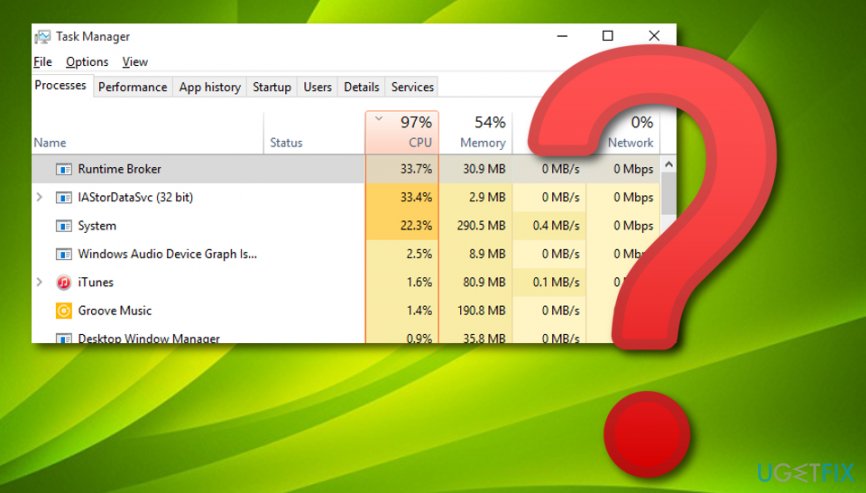
The problem is that IAStorDataSvc high CPU consumption may influence PC’s slowdowns and freezes. In case you’ve decided to keep this process, then wait for a while and let for it to put things into places by itself. However, it may take several hours for IAStorDataSvc process to start using CPU normally. If, however, you think that this process is not needed for you, then follow the instructions give below and uninstall IAStorDataSvc on Windows now.
By the way, things related to CPU consumption, registry errors, slowdowns, and similar can be fixed by a PC optimization tool such as [d1]. Therefore, we recommend installing one and running a scan with it before performing any IAStorDataSvc fixes manually.
How to Fix High CPU Usage by IAStorDataSvc?

Method 1: Uninstall Intel Rapid Storage Technology
- Hold Windows key + press R.
- Type appwiz.cpl in the search box and click OK.
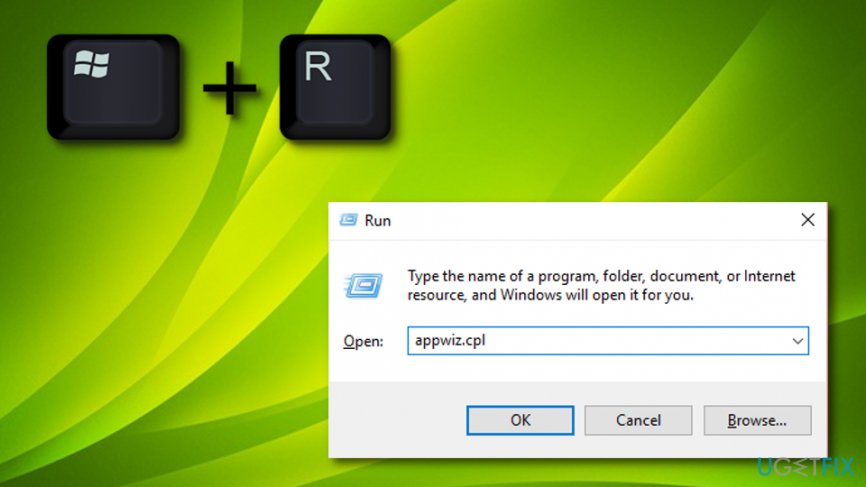
Fix problem - Find Intel Rapid Storage Technology in the list, right-click on it and select Uninstall.
- Then, click Ctrl + Alt + Delete to open Task Manager.
- Check if IAStorDataSvc process has successfully been disabled. If it’s still running, right-click on it and select End Task.
Method 2: Reinstall Intel Rapid Storage Technology
- Hold Windows key + press R.
- Type appwiz.cpl in the search box and click OK.
- Find Intel Rapid Storage Technology in the list, right-click on it and select Uninstall.
- Reboot your PC.
- Install Intel Rapid Storage Technology on the official website, run it, and install it.
Method 3. Go to services.msc and deactivate IAStorDataSvc
- Hold the Windows key and the R button together.
- Wait for the white run box to loads and type "services.msc".
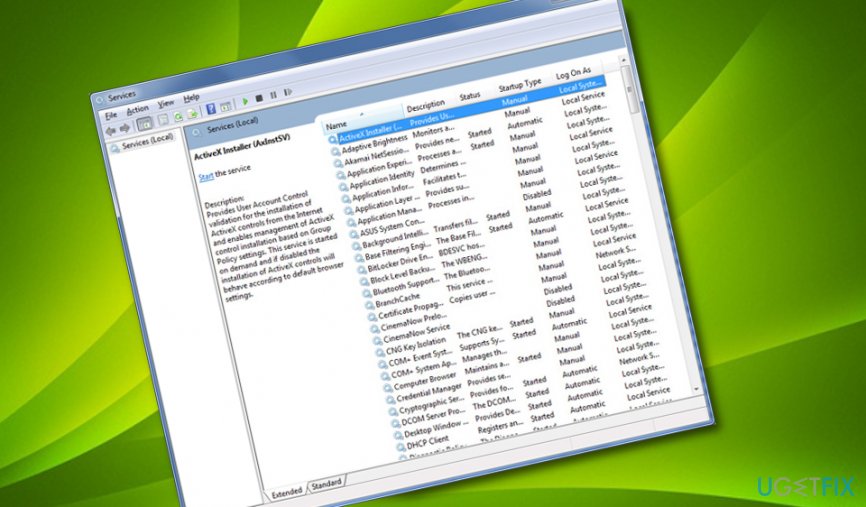
Fix problem - Locate services related to Intel Rapid Storage Technology services.
- Select Disabled in Startup type.
- Hit Apply and OK.
Some of these methods should have helped you to fix the High CPU Usage by IAStorDataSvc problem. However, if you have found the techniques unhelpful, you should go back to the automatical repair method. Use the same software that we have mentioned at the start of the article for scanning your system and searching for the cause of this error.
Bottom line
To fix high CPU usage by IAStorDataSvc, you can consider uninstalling Intel Rapid Storage Technology if it's not needed for your home PC. If you choose to keep the process, allow it time to optimize its cache. If these solutions do not resolve the issue, consider using a PC optimization tool.
Frequently asked questions
High CPU usage by IAStorDataSvc is often caused by issues with Intel Rapid Storage Technology drivers or background tasks related to storage management. This can lead to system slowdowns and unresponsive applications.
You can reduce CPU usage by updating your Intel Rapid Storage Technology drivers or disabling the service if it's not needed for your system. Additionally, running a full system scan can help identify and fix underlying issues.
Yes, it is generally safe to disable IAStorDataSvc if you do not use Intel Rapid Storage Technology features, but be aware that doing so may affect the performance of your storage devices.




Report an issue
What's wrong with this guide? We review every report and update or remove content.
Report received — thank you. We'll review and fix it.
You need a free account to submit a report.
Be the first to comment