How to fix
OneDrive is very slow in File Explorer
on Windows
Experience smooth file access again! Fix OneDrive's slow performance in File Explorer on Windows 10 and 11 with expert-tested solutions.

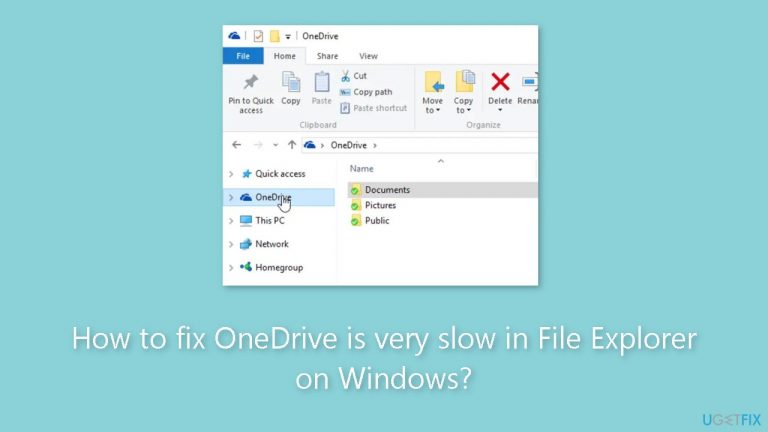
What causes How to fix OneDrive is very slow in File Explorer on Windows?
- Slow response when interacting with OneDrive files
- Network connectivity issues
- Outdated OneDrive software
- Cache buildup
- Background processes consuming resources
Repairs Windows system files, removes malware, and restores a clean OS state — without reinstalling.
Hello. When I navigate OneDrive files in File Explorer on Windows, it works extremely slowly. Is there any way to fix this?
It can be quite difficult for users to navigate OneDrive folders quickly in Windows Explorer, which has a negative influence on their daily productivity and user experience. When attempting to interact with OneDrive files and folders, particularly when attempting operations like right-clicking or accessing drop-down menus, this issue, according to one user's description, manifests as an excruciatingly slow reaction. The green loading bar at the top of the screen and the presence of the "processing" blue circle icon are the symptoms that stand out the most, making it nearly impossible to use OneDrive via Windows Explorer.
Users are impacted by this problem in many ways. First of all, it decreases productivity because routine actions like opening, copying, and sharing files take more time and effort. Users could experience long wait times, which can be frustrating and make it harder for them to do activities effectively. The overall user experience is negatively impacted by the delayed response, which creates an unfavorable impression of OneDrive and Windows Explorer.
This issue can be especially troublesome in office settings where OneDrive is used for file sharing and collaboration. The efficiency of collaborative work can be negatively impacted by slow performance since it might cause delayed answers and prevent real-time teamwork. Additionally, the amount of time lost waiting for tasks to finish as a result of this problem adds up over time, resulting in severe productivity losses.
Additionally, the issue raises the possibility of data loss. Due to the sluggish access to files, users could not save their work as frequently, making their data exposed in the event of system failures or disruptions. For affected consumers, this possible loss of crucial data adds yet another level of worry and stress.
To address this issue, possible solutions may include optimizing OneDrive settings, checking for network connectivity issues, ensuring that OneDrive software is up to date, clearing the cache, managing background processes, or using the OneDrive web interface as a temporary workaround.
In this guide, you will find step-by-step instructions that should help you fix OneDrive working slow in File Explorer on Windows. You can also use a maintenance tool like [d1] that can fix most system errors, BSODs,[ref en-1] corrupted files, registry[ref en-2] issues, or clear cookies and cache.[ref en-3]

Step 1. Terminate OneDrive Processes
- Open the Start menu.
- Type CMD.
- Choose the option Run as Administrator.
- In the Command Prompt, type the following command:
taskkill /f /im OneDrive.exe
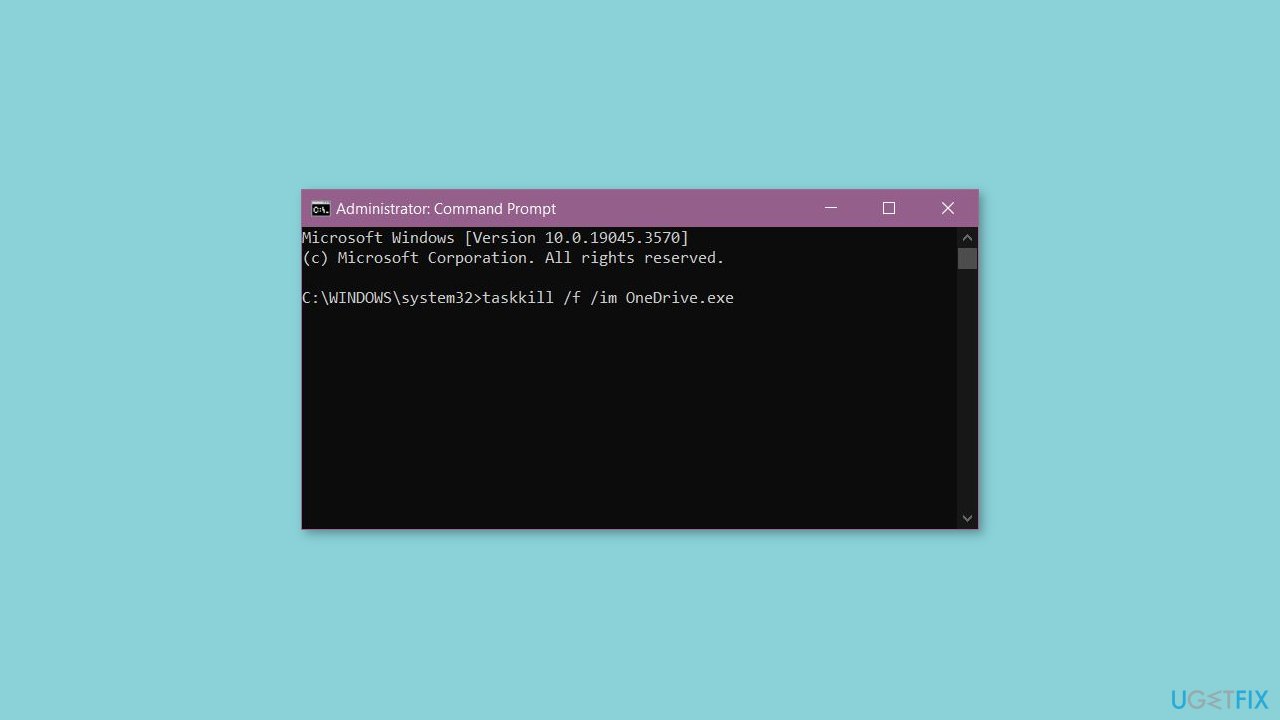
- Press Enter.
- This command terminates all program processes running in the background.
Step 2. Install App Installer
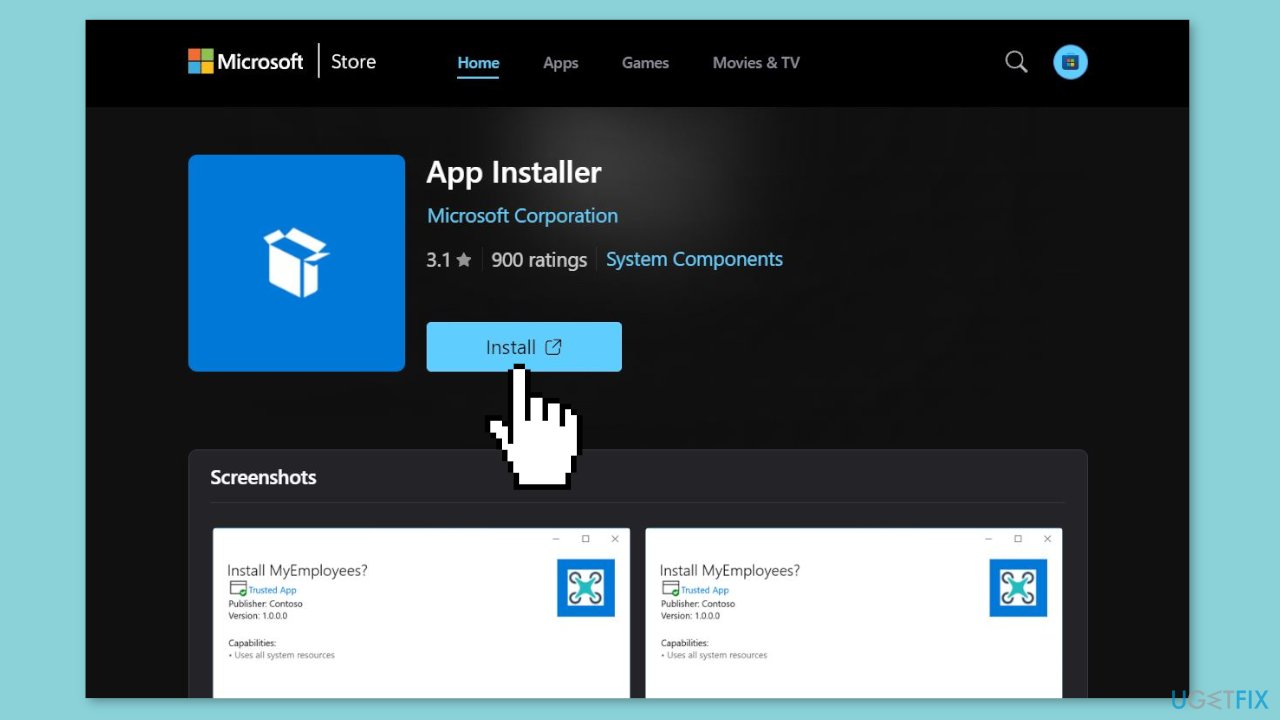
- Go to the Microsoft Store.
- Install the App Installer.
Step 3. Unhide and Delete OneDrive Files
- Open File Explorer.
- Click View.
- Check the Hidden items box to display hidden folders.
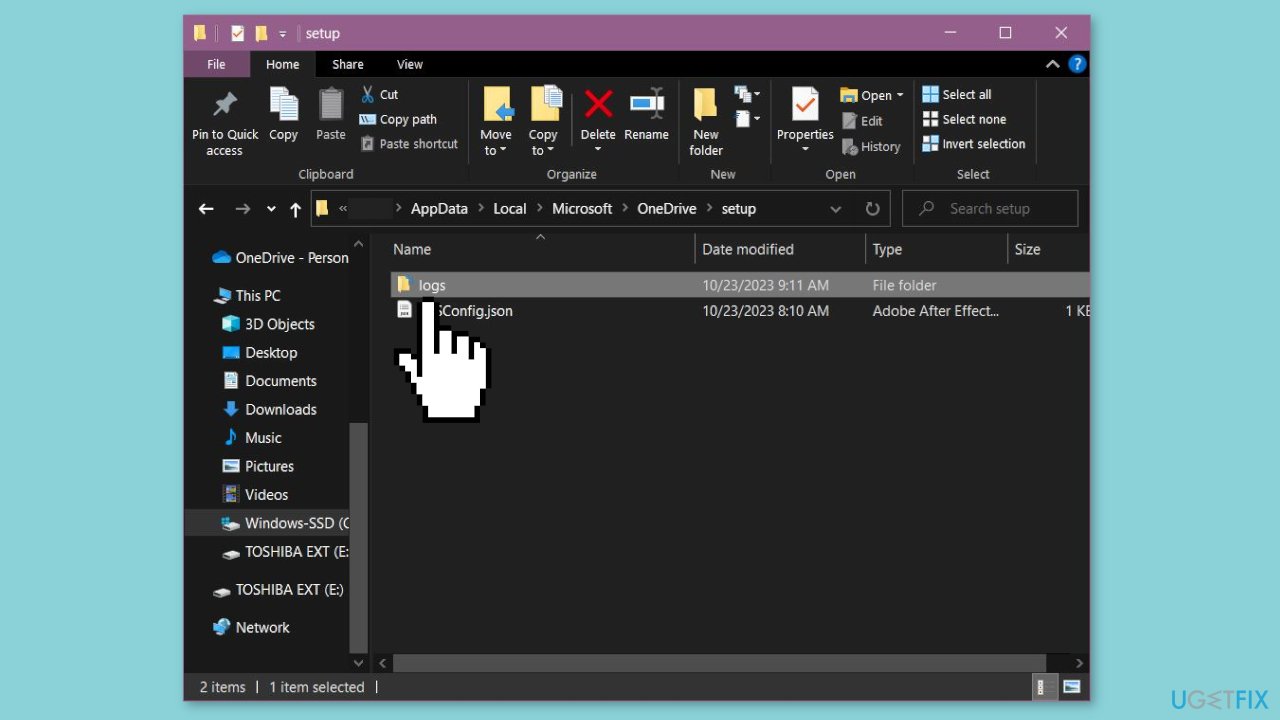
- Navigate to the following location:
C:\Users\UserName\AppData\Local\Microsoft
- Replace UserName with your username.
- Look for the OneDrive > Setup > Logs folder.
- Locate and delete the following files:
userTelemetryCache.otc
userTelemetryCache.otc.session
parentTelemetryCache.otc
Step 4. Uninstall OneDrive
- Click the Start menu.
- Search for Windows PowerShell.
- Open Windows PowerShell with Administrative privileges.
- Copy and paste the following command, hitting Enter after each one.
winget uninstall Microsoft.OneDrive
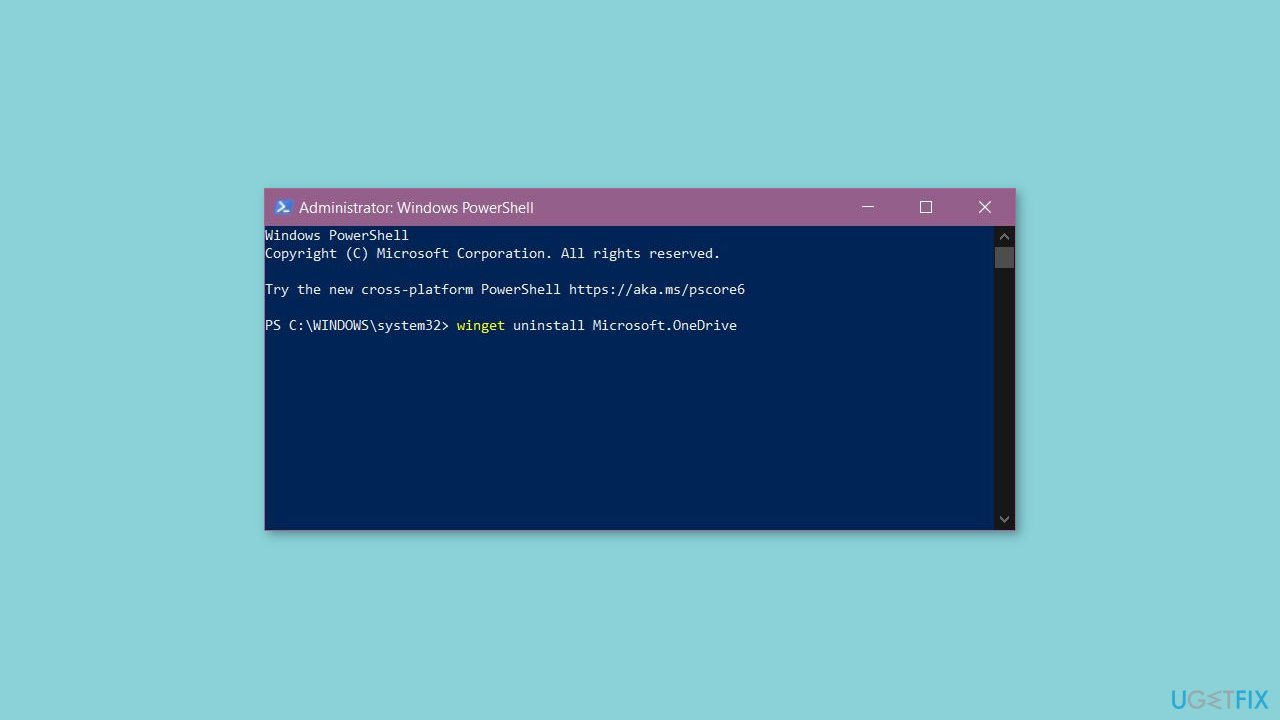
- When a confirmation message appears, type Y.
- This command uninstalls OneDrive.
Step 5. Install OneDrive
- With Windows PowerShell open with administrative privileges, run the following command.
winget install Microsoft.OneDrive
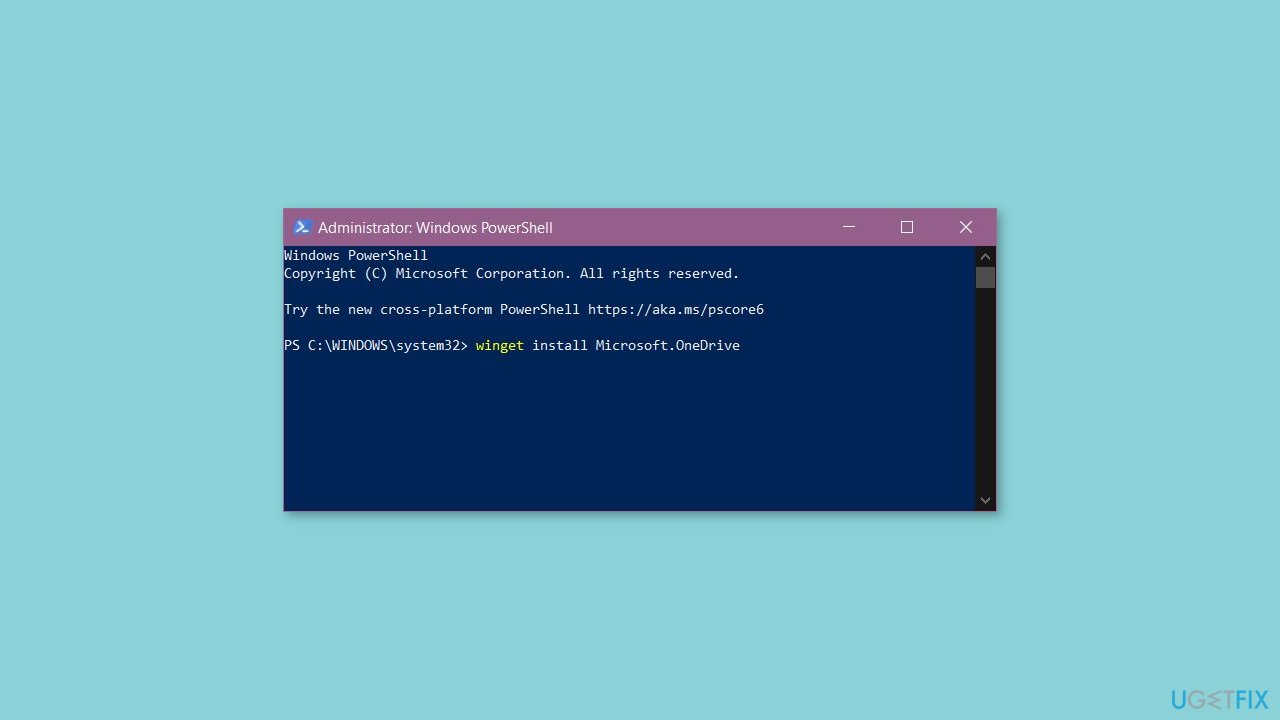
- This command installs OneDrive.
- After the installation process is complete, restart Windows and test.
Bottom line
To address the slow performance of OneDrive in File Explorer, consider optimizing OneDrive settings, checking network connectivity, ensuring the software is up to date, clearing the cache, and managing background processes. If these solutions do not resolve the issue, using the OneDrive web interface may serve as a temporary workaround.
Frequently asked questions
OneDrive may be slow due to network issues or insufficient bandwidth. Check your internet connection and consider pausing syncing temporarily to improve performance.
To speed up OneDrive, ensure that the app is updated and optimize its settings under the 'Settings' menu by limiting the number of files being synced.
If OneDrive is consistently slow, try resetting the app or clearing the cache, as this can often resolve performance issues.



Report an issue
What's wrong with this guide? We review every report and update or remove content.
Report received — thank you. We'll review and fix it.
You need a free account to submit a report.
Be the first to comment