How to remove
Uninstall VMware Player
from Windows
Easily uninstall VMware Player from Windows 10 or 11 with our expert-tested guide. Follow these steps and enjoy a clutter-free system, fixed in minutes!


How does How to Uninstall VMware Player on Windows end up on your PC?
- Inactive 'Uninstall' or 'Remove' button
- Program not found in the list of system applications
- MSI 'Failed' error
- Installed on a different user account
- Installed from secondary or insecure domains
- Hidden objects preventing uninstallation
Repairs Windows system files, removes malware, and restores a clean OS state — without reinstalling.
I’m having difficulties uninstalling VMware Player. The button Uninstall is inactive. I’d appreciate your assistance.
VMware Player (also called as VMware Workstation Player) is the software package which allows users run and set up virtual machines[ref en-1] on Windows. Mac OS users can enjoy its counterpart – VMware Fusion[ref en-2]. Though the platform has ample of advantages and useful functions, once in a while, users report having difficulties uninstalling it, especially during the upgrade process. Such complains include Workstation 9.0 and most recent 12 version[ref en-3].
The problem turns out to be the inability to uninstall the program due to inactive “Uninstall” or “Remove” button. Alternatively, they struggle to find the program in the list of system applications. In other cases, The MSI ” Failed error prevents users from eliminating the program.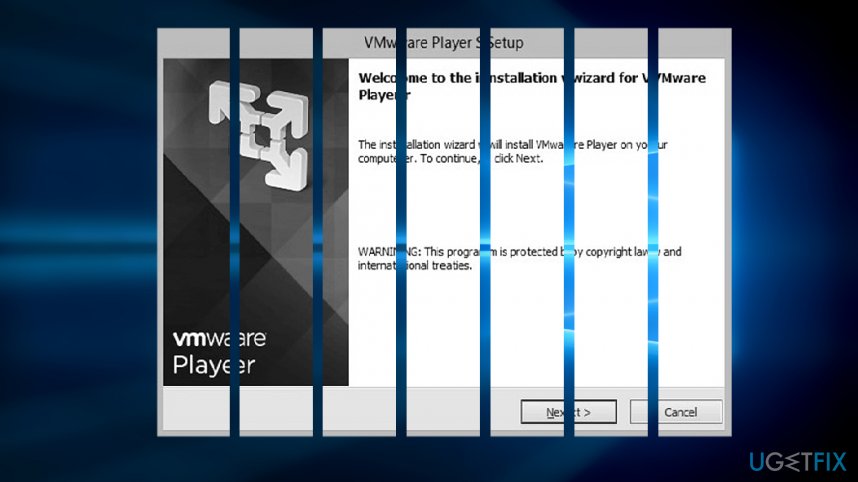
In most cases, the main cause lies in the user account. If the program was installed on one user account, another user would not be able to uninstall VMware Player. In order to uninstall VMware Player successfully, log in as an administrator account.
Note that if you installed the program or associated software from secondary and potentially insecure domains, it might also result in uninstallation issues. Scan the system with [d1] or another utility to eradicate possible malware.
Step 1. Identify hidden objects
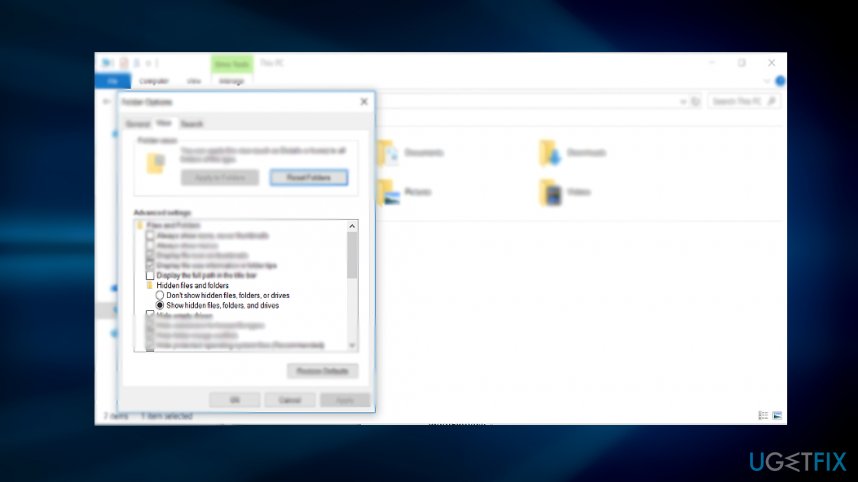
Before you uninstall the program, make sure all hidden objects are seen.
1. Open File Explorer.
2. Enter View section.
3. Choose Options at the right above the corner.
4. Click twice on it. Once the additional window appears, opt for View tab.
5. Make sure the option Show hidden files, folders, and drives is marked under Hidden files and folders option. Click Apply, then OK and exit the window.
Step 2. Launch Registry Editor
In case the uninstallation process of previous VMware Player version was unsuccessful, you may have troubles (un)installation problems. You need to delete associated registry keys.
- Press Windows key+R. Type regedit.
- Once the program opens, go to HKEY_LOCAL_MACHINE, then Software, and Microsoft. Look for VMware Player files. If you find files associated with the previous versions, delete them.
- Close Registry Editor and reboot the system.
Step 3. Uninstall VMware Player
1. Once the system restarts, click on the Start button and type VMware Player. If the command finds it, right-click on the entry and choose Open file location.
2. There, look for the setup.exe or uninstaller.exe. Launch it and follow the instructions. If there is none, proceed further.
Step 4. Remove VMware Player
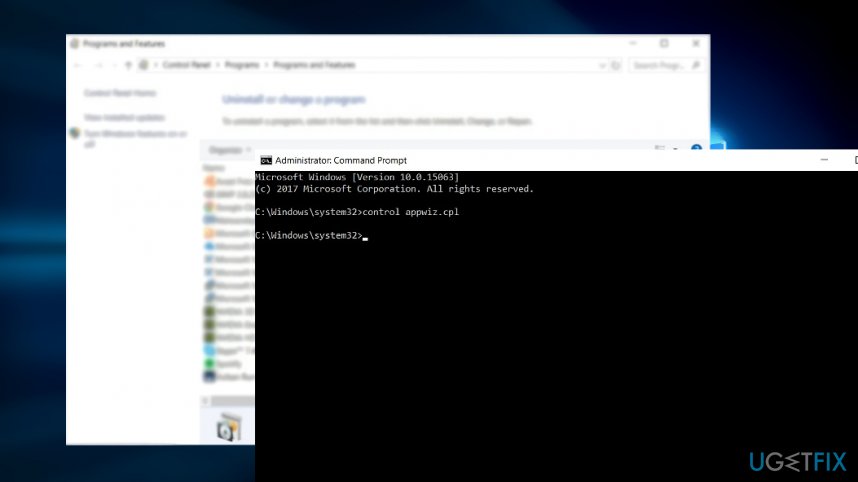
1. You can access the list of system apps via Settings and then Apps and Features (Programs and Features on Windows 7).
2. Locate VMware Player and opt for Uninstall function.
3. You can also access this location, by launching Command Prompt (as administrator). Then, type the command – control appwiz.cpl – and press Enter.
If these steps do not help, you might use third-party uninstallation apps. However, choose wisely if you opt for the latter method. There are dozens of rogue and malicious software. Luckily, Microsoft offers a solution for users struggling to eradicate one or another program – Microsoft Cleanup Utility.
Bottom line
To uninstall VMware Player successfully, log in as an administrator account and ensure all hidden objects are visible. If issues persist, delete associated registry keys for previous versions and reboot the system. If none of these solutions work, consider scanning the system for malware or seeking further assistance.
Frequently asked questions
To uninstall VMware Player from Windows 10, go to Settings > Apps, find VMware Player in the list, click on it, and select Uninstall.
Yes, you can remove VMware Player on Windows 11 by opening the Control Panel, selecting Programs and Features, finding VMware Player, and clicking Uninstall.
If VMware Player won't uninstall, try using the VMware Uninstaller tool, or boot your Windows 10 or Windows 11 system in Safe Mode and attempt the uninstallation again.




Report an issue
What's wrong with this guide? We review every report and update or remove content.
Report received — thank you. We'll review and fix it.
You need a free account to submit a report.
Be the first to comment