How to fix
New Ways to Speed Up Your Computer
on Windows
Boost your Windows 10 or Windows 11 performance with innovative tweaks and configurations. Experience faster speeds today with expert-tested solutions!

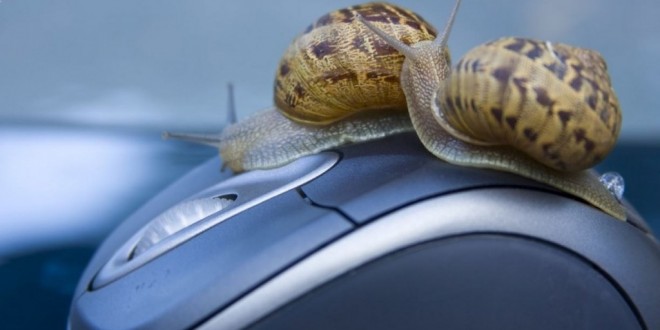
Why does New Ways to Speed Up Your Computer occur?
- Operating systems becoming more intricate
- Accumulation of unnecessary files
- Running too many software applications
- Potential malware infections
- Insufficient hard drive space
Repairs Windows system files, removes malware, and restores a clean OS state — without reinstalling.
I need a piece of advice. It seems that my PC gets sluggish, so I wonder what measures should I take to optimize it and keep its best performance? Thanks a lot!
Operating Systems for PCs and laptops are getting more and more intricate. People must have noticed that engineers create systems that exhibit more and more speed, better performance, more functions, new hardware, software, and so on. Unfortunately, nobody has created a device yet that would be fully optimized automatically and demonstrate unchanging performance. The only way to keep it in the stage of recently purchased is not to use it, but, indeed, PCs and laptops have been developed not for keeping in a shelf.
Since we are performing various tasks with our machines, it’s natural that they get sluggish over time. That’s why it’s vital to optimize the system regularly. By optimize we mean that it’s a must to sort out system files, create copies of personal data and remove it from the system, carefully select what software to run, prevent malware infections, and so on. The list of tasks recommended for PCs optimization is endless and continuously changing. What applied for the earlier types of operating system, does not work in on the newly released/updated OS in the same way. Therefore, in this short post, we are going to describe five ways that will help you to optimize and speed up your PC. While for some people these methods might seem well known, for others they may appear unseen, so lets begin.
Step 1. Create more free space on hard drive
To start with, you should check and free up hard drive. You should navigate to This PC or My Computer (depending on the OS that you are using), right click on the C: drive and select Properties to see how much of free space it contains. Usually, when the system gets too clogged, operating system automatically generates a notification saying “Low Disc Space” or something similar. The most primitive way to empty your hard drive is to clean the system manually by deleting old movies, audio files, documents, games, etc. Besides, instead of keeping personal data, such as photos or videos, on your hard drive, it’s advisable to use USB drive, CD, DVD drives or Cloud Storage.
If you are using Windows 10 OS, you can run an automated Disk Cleanup function, which can be enabled by performing these simple steps:
- Open Cortana or click on Win key and type Disk Cleanup.
- Click on this option and wait for the system to free up hard disk automatically.
NOTE: Disk Cleanup does not affect personal files, so in order to increase the free space on hard disk significantly; you should also clean up it manually.
Step 2. Disable unnecessary background applications
When we work with our PCs intensively, we often forget to close unnecessary applications, which is why they keep working in the background and suck up system resources. As a consequence, system’s performance may get slow. At the moment of writing, it is known that high graphics games, most antivirus programs, and Google Chrome web browser are using the biggest amount of resources. Therefore, if you are not using them, disable with no consideration. This can be done via Task Manager. To open it, you should click Ctrl + Alt + Delete, select Task Manager, and then go to the Processes tab. Here you will see what programs are currently running and how many CPU they consume. If you want to stop any process, right click it and select End Task.
NOTE: it’s not advisable to stop anti-virus and keep the system unprotected. This way, you put your PC at the risk of getting infected with malware.
Step 3. Install all available updates
To keep the system performing at its best, it’s a must to install all available OS updates. Besides, the same should be done with drivers and software. Windows operating systems usually informs about pending updates or installs them automatically when the system is rebooted. However, automatic updates sometime fail to install, which is why it is recommended to check for available updates by yourself.
Update device drivers:
- Press Win key and type Device Manager.
- Open Device Manager. Expand the list of the devices on the left pane and check if any of them are marked with a yellow exclamation mark.
- If you find any, right-click on each of them, select Properties, and then click Update Drivers.
Install Windows updates
- Go to Start, select System and Security, and then got to Windows Updates.
- Select Check for updates and wait a while when the system performs a scan.
- When the list of available updates is ready, click Install Updates.
- When the update process is done, reboot the system.
Step 4. Remove third-party browser toolbars, add-ons, and plug-ins
Each time we install free software on our devices, we take a risk of ending up with a third-party add-on, plug-in or toolbar on our web browsers. That’s because free software developers often seek to monetize their products by attaching third-party toolbars or add-ons. Unfortunately, but the vast majority of such attachments are classified as PUPs (potentially unwanted programs) due to the fact that they contain potentially dangerous codes, which not only prevent web browsers from working normally, but negatively influence PC’s performance as well. Therefore, open each of your web browsers and check what kind of toolbars or add-ons are running on them.
If you find some questionable toolbars running, disable them and then reset your web browser. After that, you should run a scan with a tool that is capable of detecting and removing malware, for example, [d1].
Step 5. Upgrade your PC’s memory
If you are running a 32-bit system, it should have at least 1 GB of memory (RAM), while the 64-bit system should contain 2GB of memory on a minimum. The biggest problems arise when older PC owners install new OS, for example Windows , and try to run the latest software. As a consequence, PC, which does not have enough RAM works in a very slow manner or even crashes. Therefore, if you have some free memory slots, add some extra RAM or replace the old ones with new.
Bottom line
To optimize and speed up your PC, you should create more free space on your hard drive, sort out system files, and carefully select which software to run. Regular maintenance is essential to prevent sluggish performance. If these methods do not improve your PC's speed, consider seeking professional help.
Frequently asked questions
You can disable startup programs, adjust visual effects for better performance, and ensure that your hard drive is defragmented or optimized. Additionally, consider turning off background apps to free up system resources.
To enhance gaming performance on Windows 11, enable Game Mode in the settings and make sure your graphics drivers are up to date. You can also adjust the power settings to prioritize performance over energy savings.
Yes, you can change your DNS settings to use a faster DNS provider, disable background data usage, and ensure that your network drivers are updated. Additionally, consider using the built-in Network Troubleshooter to identify and fix connectivity issues.



Report an issue
What's wrong with this guide? We review every report and update or remove content.
Report received — thank you. We'll review and fix it.
You need a free account to submit a report.
Be the first to comment