How to fix
22H2 Windows 11 update fails with error 0x8007001F-0x3000D
on Windows
Resolve the 22H2 Windows 11 update error 0x8007001F-0x3000D quickly with our expert-tested solutions. Get back on track in minutes!

![[Fix] 22H2 Windows 11 update fails with error 0x8007001F-0x3000D](https://ugetfix.com/wp-content/uploads/articles/askit/fix-22h2-windows-11-update-fails-with-error-0x8007001f-0x3000d_en-768x432.jpg)
What causes [Fix] 22H2 Windows 11 update fails with error 0x8007001F-0x3000D?
- Invalid users
- Corrupted system files
- Outdated drivers
- Firmware issues
Repairs Windows system files, removes malware, and restores a clean OS state — without reinstalling.
Hello. I tried to install the 22H2 Windows 11 update but I received the 0x8007001F-0x3000D error. What should I do?
Windows 11 is the newest operating system version from Microsoft released at the end of 2021. Microsoft recently released Windows 11 22H2 (2022 Update).[ref en-1] The update package is available as a free upgrade for devices already running Windows 11 21H2 and computers running Windows 10.
It introduces a new set of features and enhancements to improve security, productivity, and the overall user experience. As part of the power menu settings, Microsoft added a quick access button that opens the “Sign-in options” page. The update now also allows customizing the “Recommended” section in the Start menu.
However, when people tried to install the 22H2 Windows 11 update, many of them encountered the 0x8007001F-0x3000D error. It is unknown why exactly it appears. The error could be caused by invalid users, corrupted system files, outdated drivers, or firmware. In this guide, you will find 8 steps that should help you fix the issue.
Since the exact reason is unknown, manual troubleshooting can be a lengthy process. You may use a maintenance tool like [d1] to scan your system and get rid of the 22H2 Windows 11 update fails with error 0x8007001F-0x3000D problem. This powerful software can fix most system errors, BSODs,[ref en-2] corrupted files, and registry[ref en-3] issues. Otherwise, follow the step-by-step instructions below.
Method 1. Delete Invalid Users from Registry
- Press the Windows key + R to open the Run box
- Type regedit and hit Enter
- When the Registry Editor opens navigate to:
HKLM\SOFTWARE\Microsoft\Windows NT\CurrentVersion\ProfileList
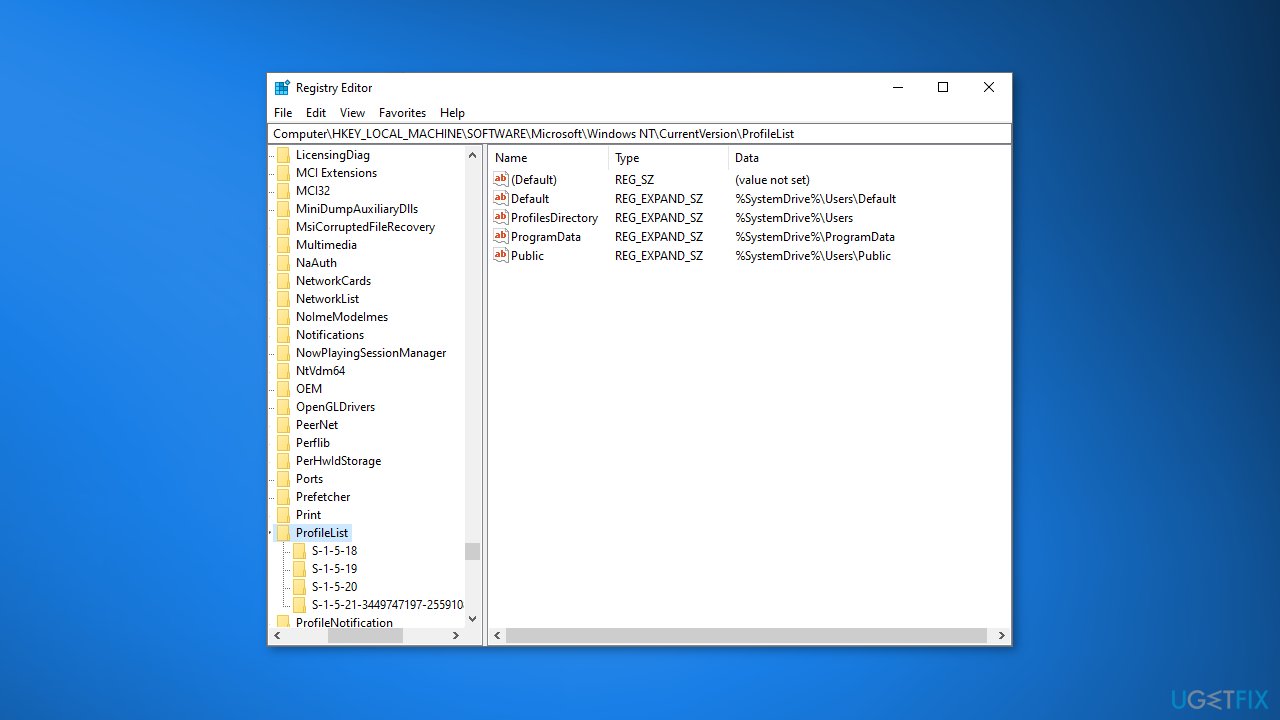
- Find out the list of profiles that are invalid and delete them
Method 2. Delete Invalid User Folders
- Go to the drive where Windows is installed
- Find invalid profiles that should not be there
- Delete them and empty the Recycle Bin
Method 3. Fix Corrupted System Files
Use Command Prompt commands to repair system file corruption:
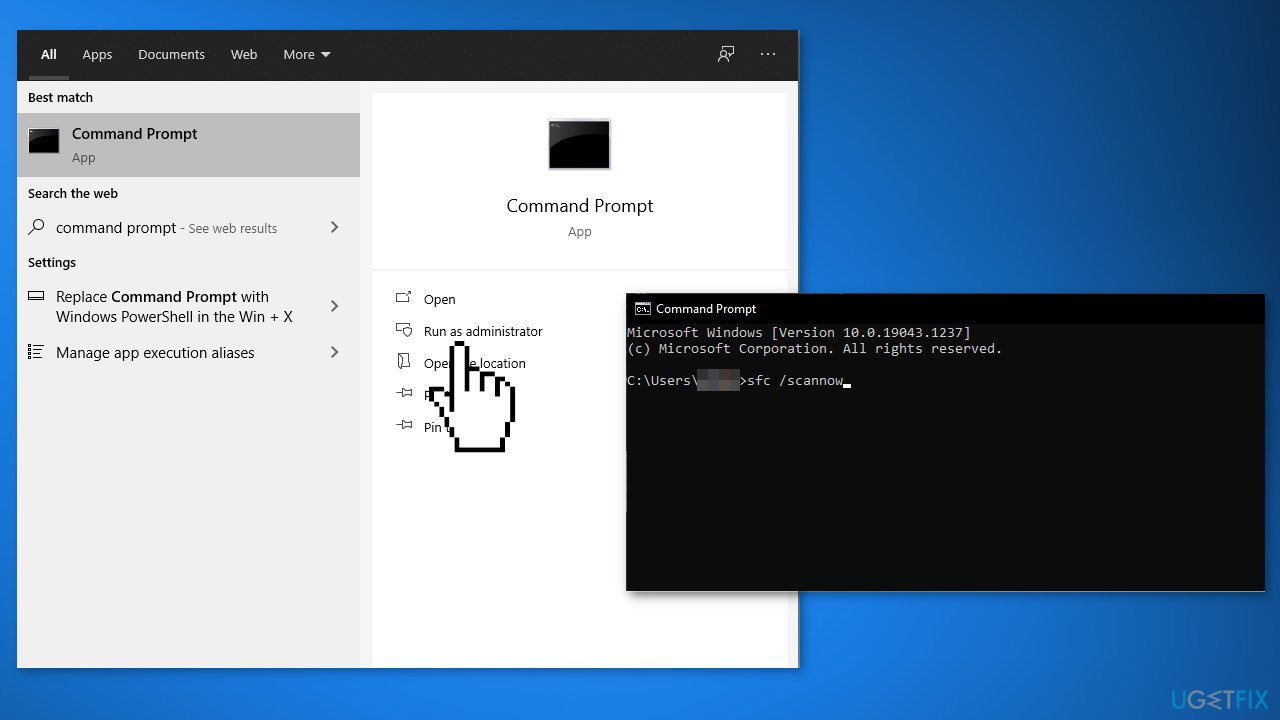
- Open Command Prompt as administrator
- Use the following command and press Enter:
sfc /scannow
- Reboot your system
- If SFC returned an error, then use the following command lines, pressing Enter after each:
DISM /Online /Cleanup-Image /CheckHealth
DISM /Online /Cleanup-Image /ScanHealth
DISM /Online /Cleanup-Image /RestoreHealth
Method 4. Check Disk
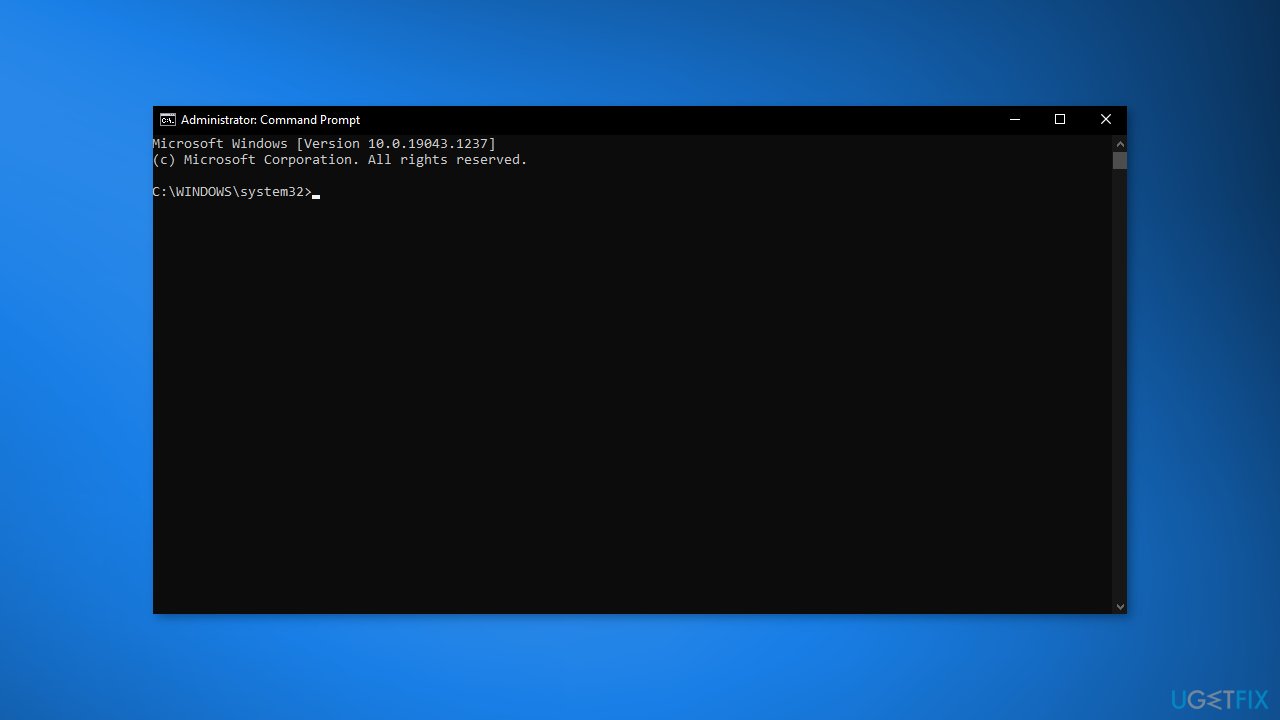
- Open the Command Prompt and click on the Run as administrator
- Then, type this command and press Enter:
chkdsk C: /f /r /x
Method 5. Update Drivers
Outdated drivers could be the cause of the error. In this case, you can fix it automatically by using [rev id="DriverFix"], which will scan your PC for missing and out-of-date device drivers. Or you can update them manually:
- Open Settings
- Click on Update & Security
- Click on Windows Update
- Click the Check for updates button
- Click the View optional updates option
- Click the Driver updates tab
- Select the driver you want to update
- Click the Download and install button
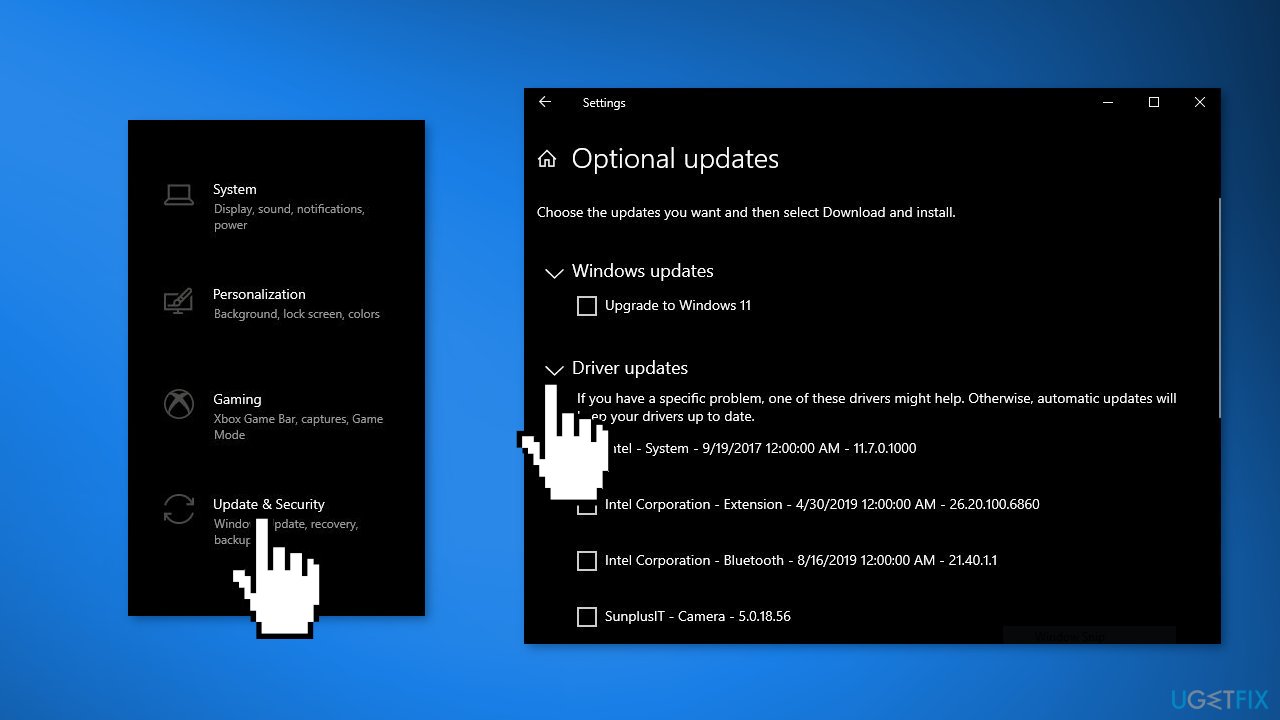
If the View optional updates link is not available after checking for updates, then Windows Update does not have any new drivers or any updates for other products at that particular time.
Method 6. Use Windows 11 Installation Assistant
- Visit the official Microsoft website to download the Installation Assistant
- Double-click on the setup file
- Click on the Refresh button if you haven’t downloaded the PC Health Check app earlier
- Click the Accept and Install
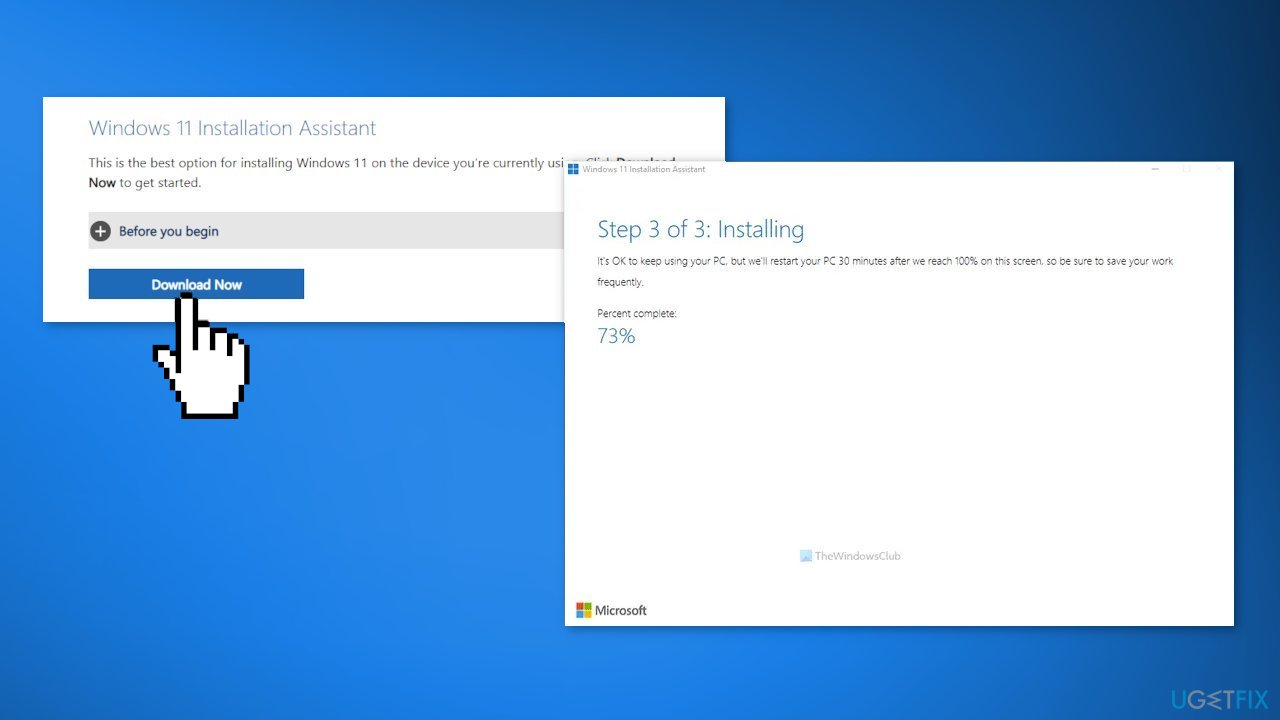
- Let it download and verify everything from the official resource
- Click the Restart now
- Continue with the installation
Method 7. Update BIOS
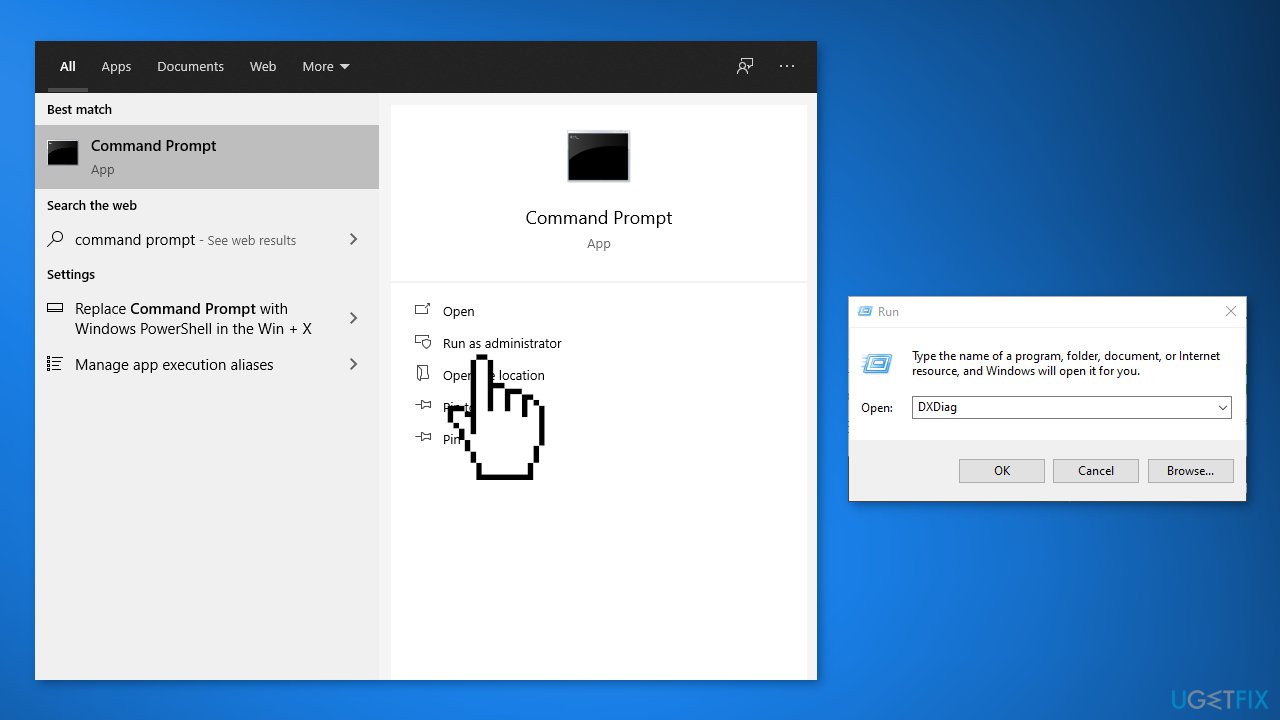
- Press Windows key + X and select Command Prompt (Admin)
- Type the wmic bios get smbiosbiosversion and hit Enter
- After this, you will see SMBIOSBIOSVersion and the BIOS version of your system
- Go to the System tab of the DxDiag tool and look for the BIOS section
- Go to the Website of your BIOS manufacturer
- Hover over the Support option and the website will display a drop-down menu
- Click on Support Home
- Scroll down to find the Downloads & Drivers option and click on it to open it
- Now, scroll down to find the BIOS category drivers and expand it
- Type System Information in the Start menu and open it
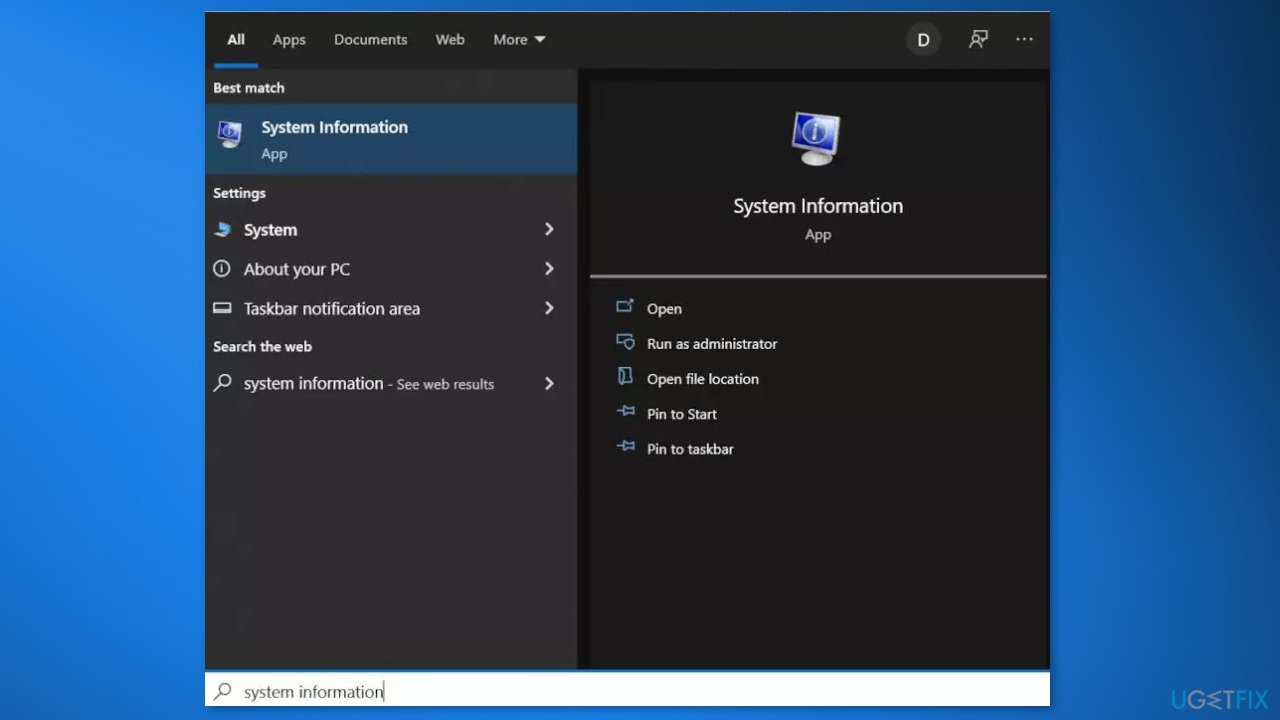
- Compare the BIOS Version/Date in the System Information with the version number specified on the official website
- Begin the downloading
- Once the download is complete, then double-click on the downloaded file
- Upon opening the file, the system will warn you that updating the BIOS process will reboot your system. Click on the OK button
- Next, the system will show you another information dialog, which indicates the current version of BIOS and the version you are installing. Click on the OK button again
- The system will begin the BIOS updating process
- Once the progress bar goes to 100%, you’ll see a black screen followed by the following screen
- After the updating procedure, the system will reboot normally
- Once the system has successfully rebooted, you can confirm that the latest BIOS version is installed
Method 8. Clean Install Windows 11
- Go to the official Microsoft page
- Open the Select Download dropdown, pick Windows 11, and hit the Download button
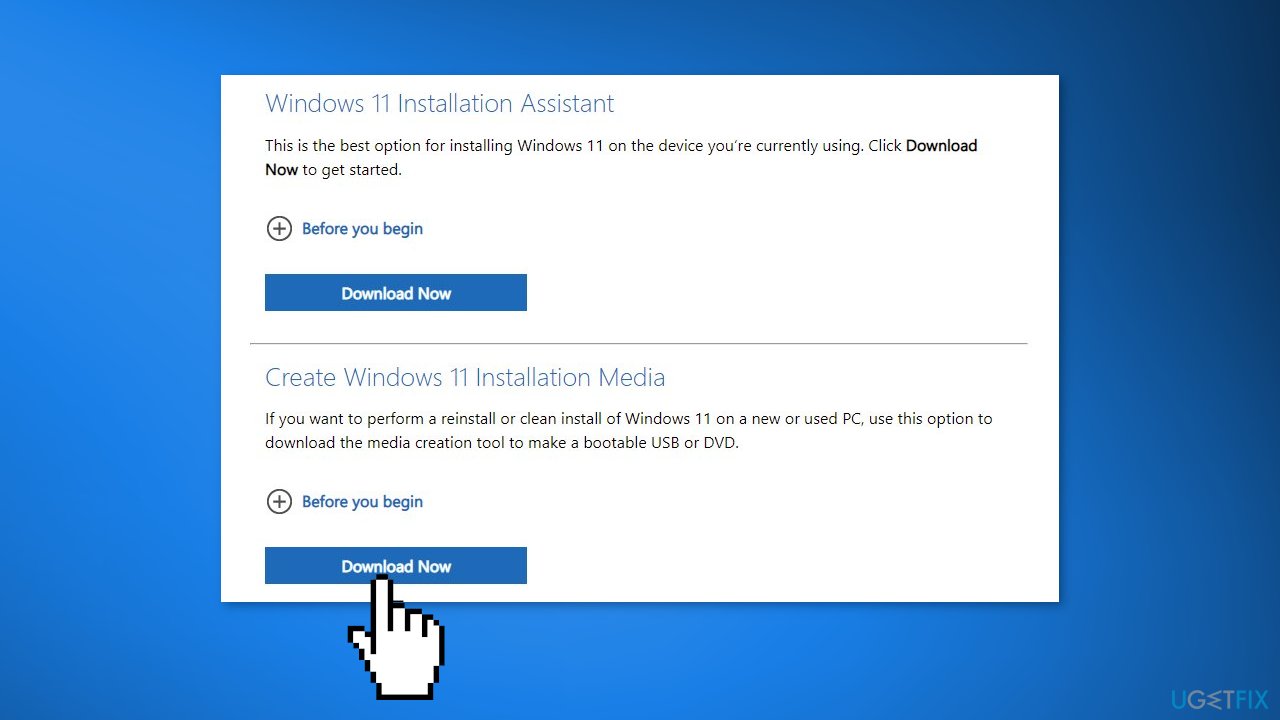
- Select your product language from the Choose one dropdown, hit Confirm, then click 64-bit Download
- When the .ISO file finishes downloading, right-click on it and pick Open with > Windows Explorer to mount the virtual disc, then double-click the setup file to begin the installation
- Follow the on-screen instructions
Bottom line
To resolve the 0x8007001F-0x3000D error, you can delete invalid users from the registry, remove invalid user folders, and repair corrupted system files using Command Prompt. If these methods do not work, consider using a maintenance tool to scan your system for further issues.
Frequently asked questions
This error typically indicates a problem with the device drivers or system files that prevent the update from completing successfully.
You can try updating your drivers, running the Windows Update Troubleshooter, or performing a clean boot to resolve conflicts.
Yes, using the Media Creation Tool to manually install the update or resetting Windows Update components may help bypass this error.




Report an issue
What's wrong with this guide? We review every report and update or remove content.
Report received — thank you. We'll review and fix it.
You need a free account to submit a report.
Be the first to comment