How to fix
Failed to update to Windows 11 22H2 with error code 0x80070001
on Windows
Fix the Windows 11 22H2 update error code 0x80070001 quickly and easily. Get back to smooth performance with our expert-tested solutions.

What causes How to fix failed to update to Windows 11 22H2 with error code 0x80070001?
- Insufficient free space on the device
- Outdated drivers
- Connected external devices interfering with installation
- Corrupted system files
- Issues with Windows Update service
Repairs Windows system files, removes malware, and restores a clean OS state — without reinstalling.
Hello. I tried to install Windows 11, version 22H2 but I received the 0x80070001 error code. I tried several times and it still does not work. Is there any way to fix this?
22H2 is the first major update for Windows 11. Microsoft has made a number of changes, including the Start Menu, Taskbar, Snap layouts, File Explorer, navigation pane, etc. However, many users have trouble when trying to install it. We previously wrote about 22H2 fails to install with error 0x8007000d. Now, some users report receiving the 0x80070001 error code when trying to update to Windows 11 22H2.
First of all, users should make sure that they meet all the needed requirements to update their system. Most importantly, people should make sure that they have at least 64GB of free space available. All drivers should be up-to-date. It is also best to disconnect any peripherals from the computer.
To fix Windows 11 22H2 failing to install with error code 0x80070001, the first step is to try running the Windows Update Troubleshooter. This is a built-in tool that can automatically diagnose and fix many common problems with Windows updates. In this guide, you will find 6 other steps that should help you fix this issue.
The manual troubleshooting process can be lengthy. If you want to avoid it, you can try using a maintenance tool like [d1]. It can fix most system errors, BSODs,[ref en-1] corrupted files, registry[ref en-2] issues, or clear cookies and cache.[ref en-3] Otherwise, follow the step-by-step instructions below.
Solution 1. Remove External Devices
If you have any external devices plugged in, such as a hard drive or a Bluetooth device, unplug them now. These devices might interfere with the installation process and cause errors. Therefore, it is recommended that you remove all external devices before beginning the updating process.
Solution 2. Run Windows Update Troubleshooter
- Click the Windows button and select Settings
- Select System from the left pane, then scroll down on the right pane, and click on Troubleshoot
- Click on Other troubleshooters
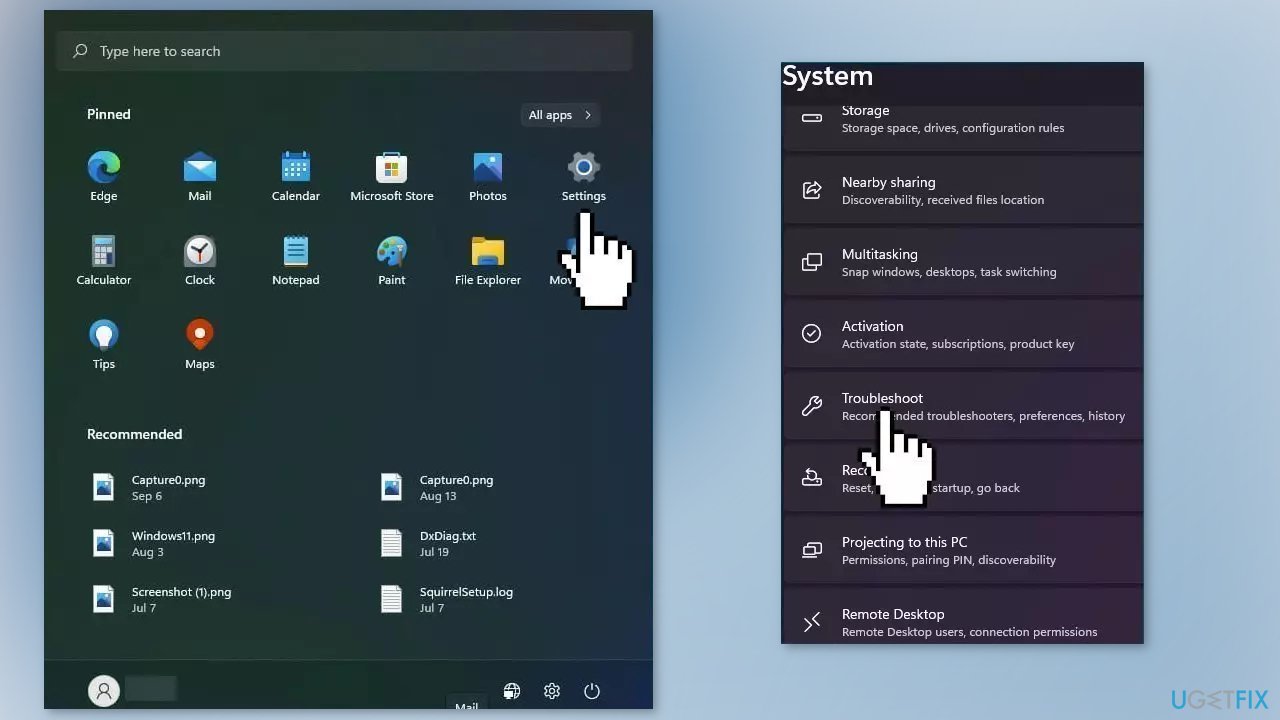
- Locate the Windows Update troubleshooter and hit the Run button
Solution 3. Repair Corrupted System Files
Use Command Prompt commands to repair system file corruption:
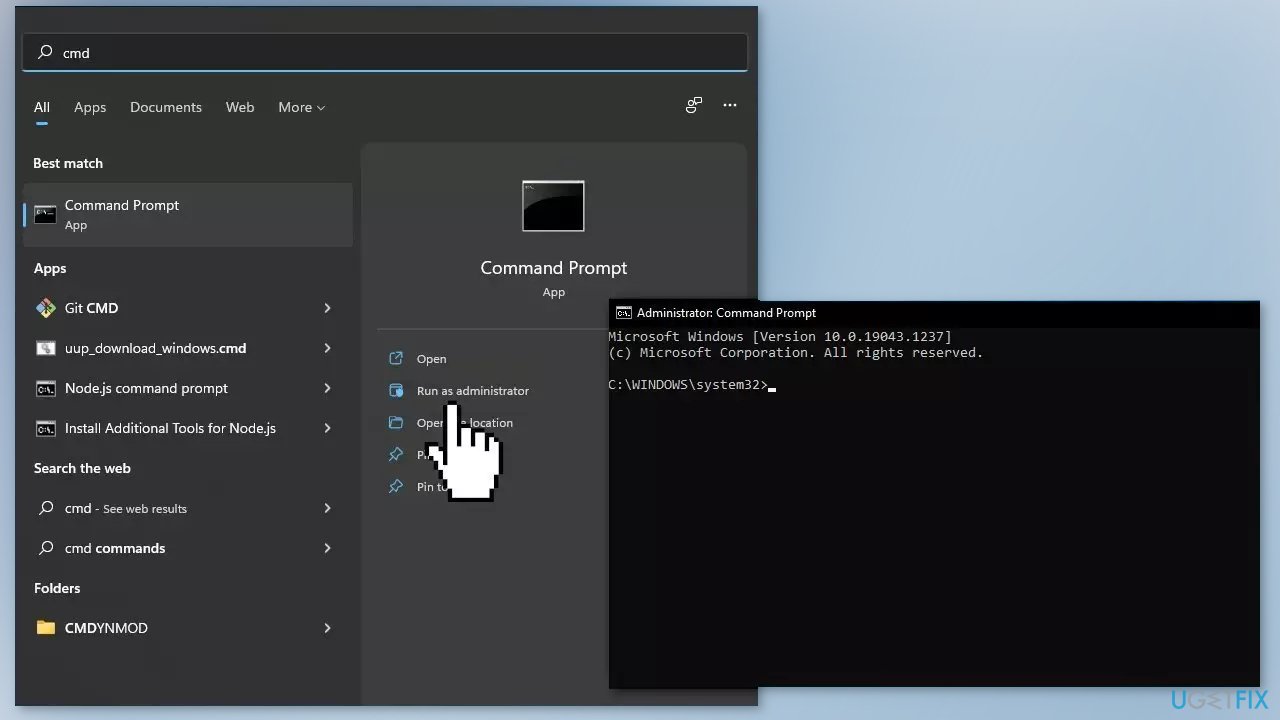
- Open Command Prompt as administrator
- Use the following command and press Enter:
sfc /scannow
- Reboot your system
- If SFC returned an error, then use the following command lines, pressing Enter after each:
DISM /Online /Cleanup-Image /CheckHealth
DISM /Online /Cleanup-Image /ScanHealth
DISM /Online /Cleanup-Image /RestoreHealth
Solution 4. Update Drivers
Outdated drivers could be the cause of the error. In this case, you can fix it automatically by using [rev id="DriverFix"], which will scan your PC for missing and out-of-date device drivers. Or you can update them manually:
- Open Settings
- Click on Update & Security
- Click on Windows Update
- Click the Check for updates button
- Click the View optional updates option
- Click the Driver updates tab
- Select the driver you want to update
- Click the Download and install button
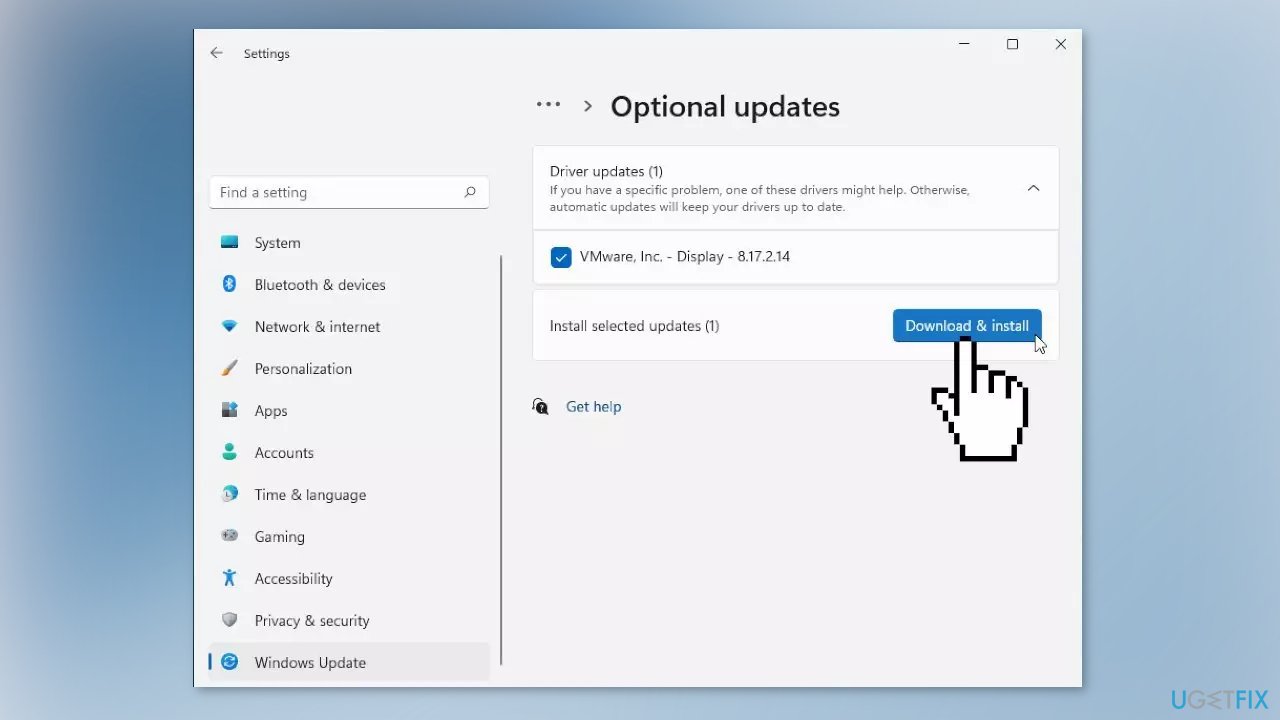
If the View optional updates link is not available after checking for updates, then Windows Update does not have any new drivers or any updates for other products at that particular time.
Solution 5. Change Registry Settings
- Open the Registry Editor
- Navigate to the following path:
HKEY_LOCAL_MACHINE\SOFTWARE\Policies\Microsoft\Windows\WindowsUpdate
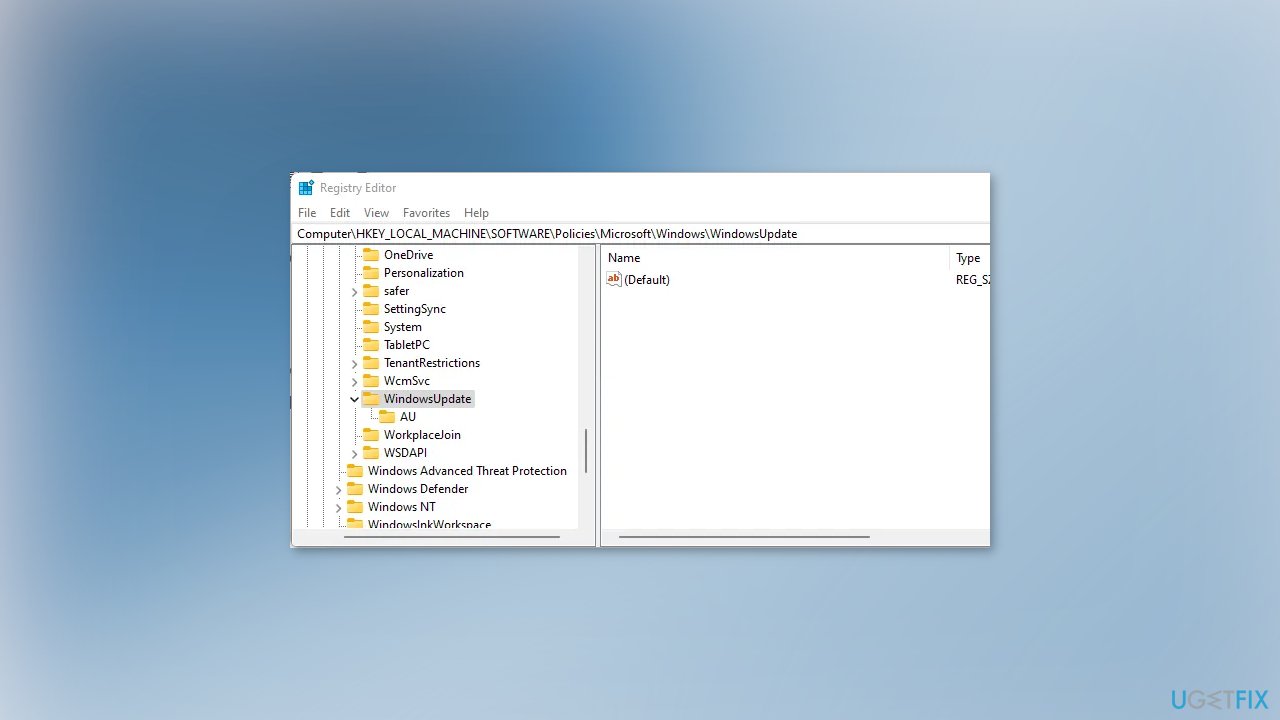
- Find WUServer and WIStatusServer
- Right-click on each of them and choose the Delete option
- Close all windows and try to install the update again
Solution 6. Reset BIOS
- Open the Settings app and go to Windows Update
- Click on Advanced options and Recovery
- Press on Restart now under Advanced Startup
- Your PC should boot into a blue screen
- Click on Troubleshoot, and then on Advanced options
- Select UEFI Firmware Settings
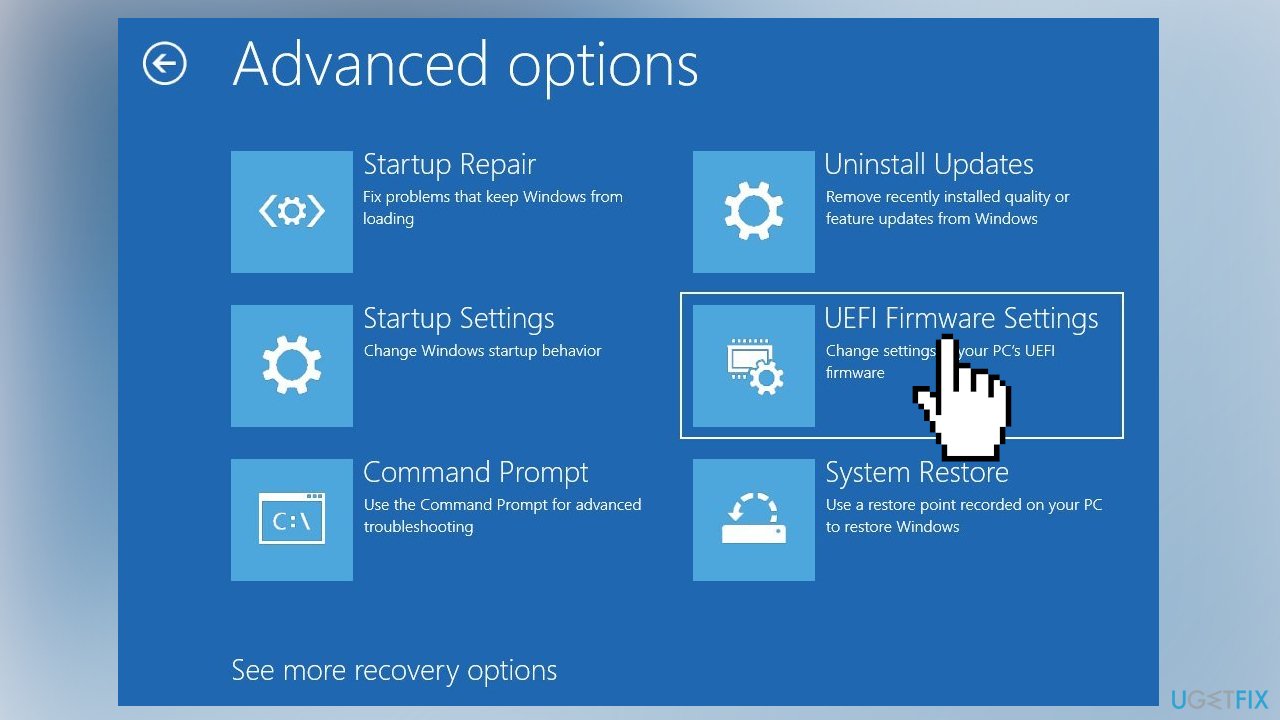
- Click Restart
- Your PC should now boot into the UEFI screen
Note: The BIOS layout depends on the manufacturer so the steps might be different than the ones we provide.
- Navigate to the Exit section
- Highlight the Load Setup Defaults option and hit Enter
- The same option can also be found at the bottom of our screen - Setup Defaults
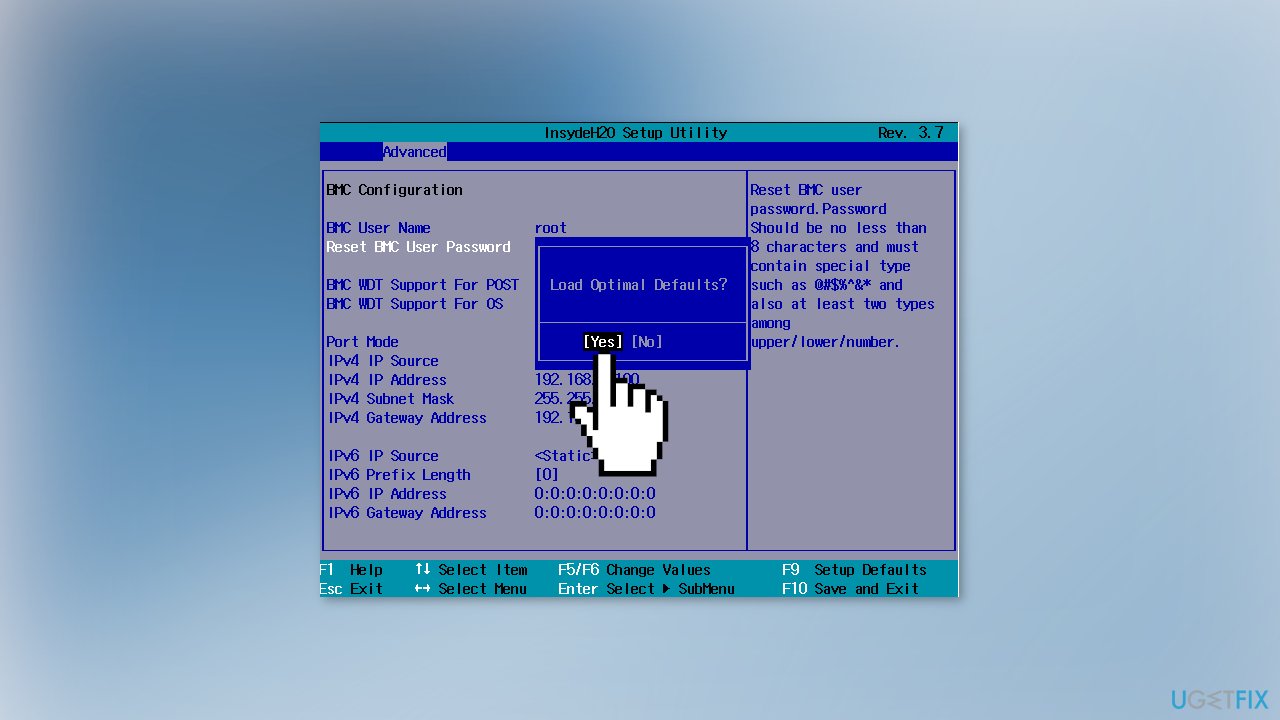
- Once selected, the BIOS should confirm the change
- Simply highlight the Yes option and hit Enter
- The BIOS should be reset
Solution 7. Repair Install Windows
- Visit the official Microsoft website to download Windows 11 Installation Media
- Run the Media Creation Tool and select Create Installation Media for another PC
- Select your USB drive
- Let the Process complete of writing the Installation files to the USB drive
- Click Finish
- On the PC you wish to upgrade, Press Windows + E to open the File Explorer
- Open the Removable drive and click Setup.exe
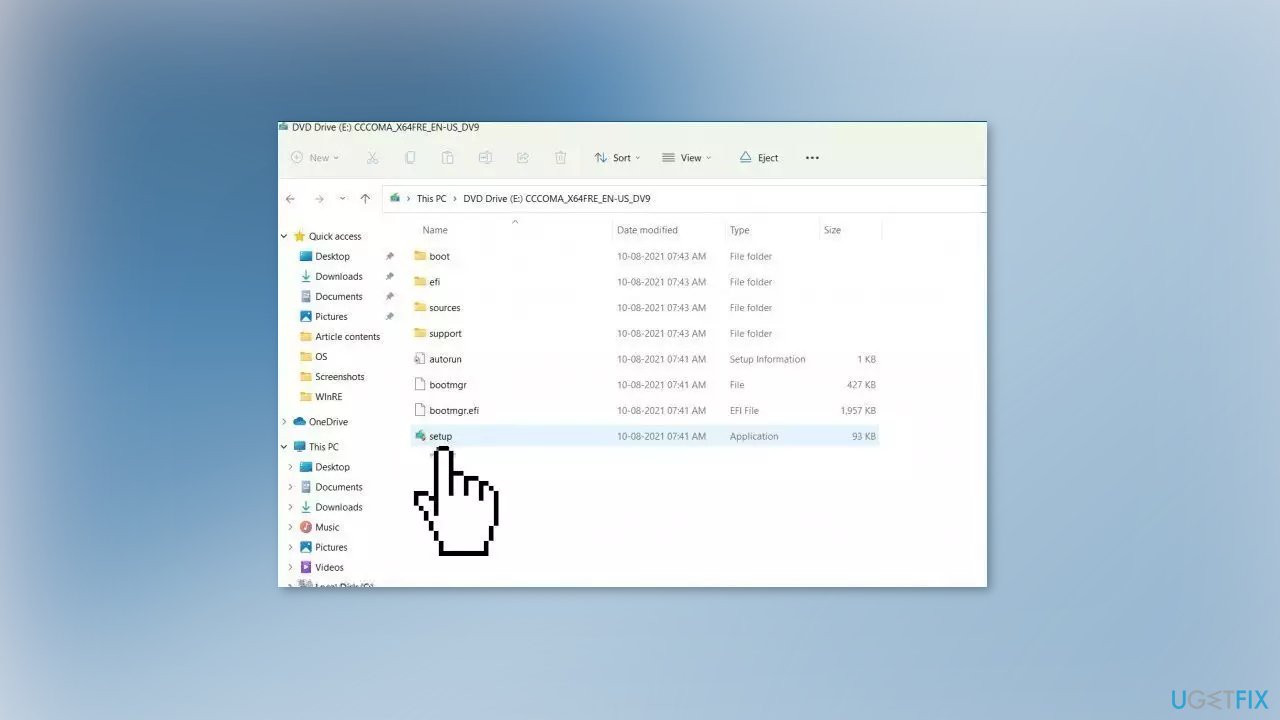
- Accept the license terms on the next screen
- Confirm the Upgrade options – Files, apps and Settings are kept
- Click Install, and the upgrade should start
Bottom line
To fix the error code 0x80070001 when updating to Windows 11 22H2, users should first ensure they have at least 64GB of free space and that all drivers are up-to-date. Additionally, removing any external devices and running the Windows Update Troubleshooter can help resolve the issue. If these steps do not work, consider using a maintenance tool or following additional troubleshooting steps.
Frequently asked questions
Error code 0x80070001 indicates that there is a problem with the file system, often due to corrupted files or an incomplete update process in Windows 11.
To troubleshoot, run the Windows Update Troubleshooter and check for any pending updates in Windows 10 or Windows 11 that may resolve the issue.
Yes, performing a system restore to a point before the update attempt can often resolve the error by reverting your system to a stable state in Windows 10 or Windows 11.




Report an issue
What's wrong with this guide? We review every report and update or remove content.
Report received — thank you. We'll review and fix it.
You need a free account to submit a report.
Be the first to comment