How to fix
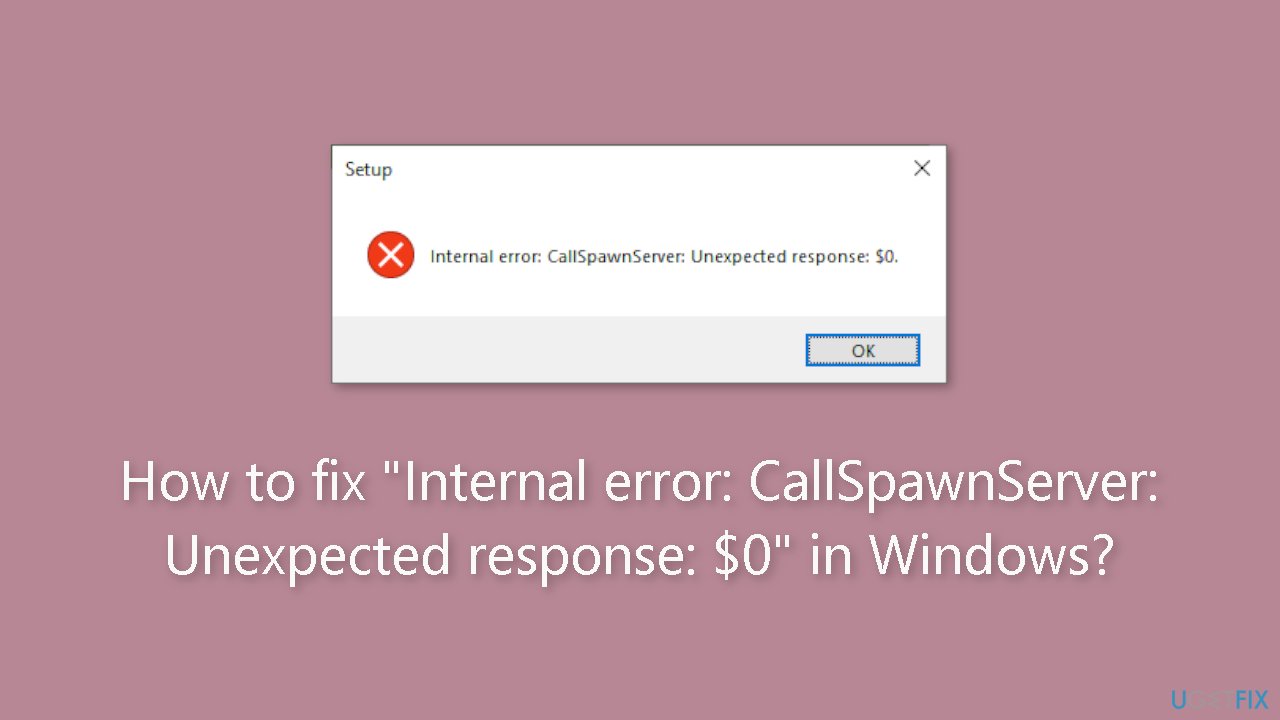
“Internal error: CallSpawnServer: Unexpected response: $0”
on Windows
Resolve the "Internal error: CallSpawnServer" issue on Windows 10 or 11 with expert-tested solutions for quick fixes and smooth performance.


What causes How to fix “Internal error: CallSpawnServer: Unexpected response: $0” in Windows?
- Communication error between programs or processes
- Unexpected response from CallSpawnServer process
- Corrupted system files
- Outdated drivers
- Third-party software conflicts
- Faulty hardware components
Repairs Windows system files, removes malware, and restores a clean OS state — without reinstalling.
Hello. I tried to install a program on my Windows PC but I received the "Internal error: CallSpawnServer: Unexpected response: $0" message. What could this be and how do I fix it?
When a program or process on your computer tries to communicate with another program or process but is unable to do so due to a communication error, the "Internal error: CallSpawnServer: Unexpected response: $0" error occurs. This error message indicates that the CallSpawnServer process, which is in charge of launching new processes on the system, provided an unexpected response.
Some users may manage to install the application, but it may close shortly after launch due to this error. This problem can have an impact on users because it prevents them from using the application or software that they require, which can have an impact on productivity and workflow.
This problem can be resolved by restarting the computer, running a virus scan, checking for third-party software conflicts, updating Windows, and inspecting for faulty hardware components. However, it is recommended that you seek assistance from technical support professionals or the Microsoft support team to properly diagnose and resolve the issue.
In this guide, you will find 6 steps that should help you fix "Internal error: CallSpawnServer: Unexpected response: $0" in Windows. However, we also recommend trying a system repair tool like [d1] that can fix most system errors, BSODs,[ref en-1] corrupted files, registry[ref en-2] issues, or clear cookies and cache[ref en-3] automatically. Otherwise, follow the step-by-step instructions below.
Method 1. Fix Corrupted System Files
Use Command Prompt commands to repair system file corruption:
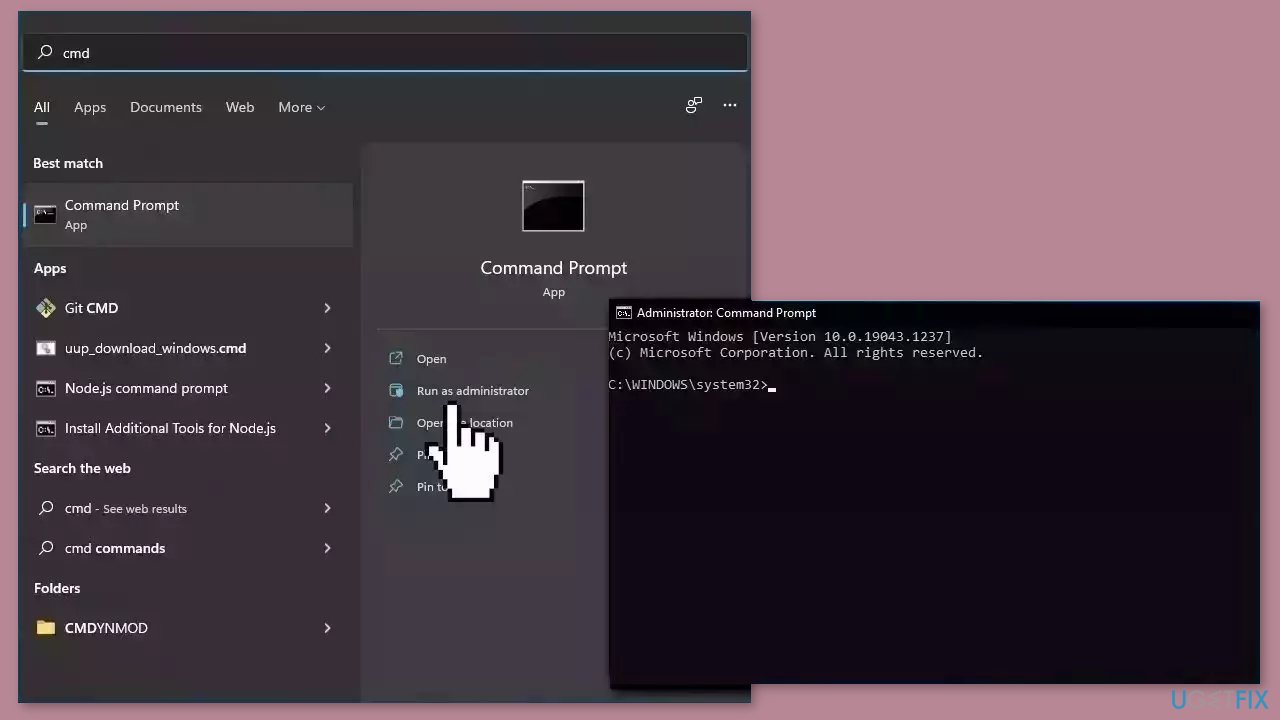
- Open Command Prompt as administrator
- Use the following command and press Enter:
sfc /scannow
- Reboot your system
- If SFC returned an error, then use the following command lines, pressing Enter after each:
DISM /Online /Cleanup-Image /CheckHealth
DISM /Online /Cleanup-Image /ScanHealth
DISM /Online /Cleanup-Image /RestoreHealth
Method 2. Update Drivers
Outdated drivers could be the cause of this issue. In this case, you can fix it automatically by using [rev id="DriverFix"], which will scan your PC for missing and out-of-date device drivers. Or you can update them manually:
- Open Settings
- Click on Update & Security
- Click on Windows Update
- Click the Check for updates button
- Click the View optional updates option
- Click the Driver updates tab
- Select the driver you want to update
- Click the Download and install button
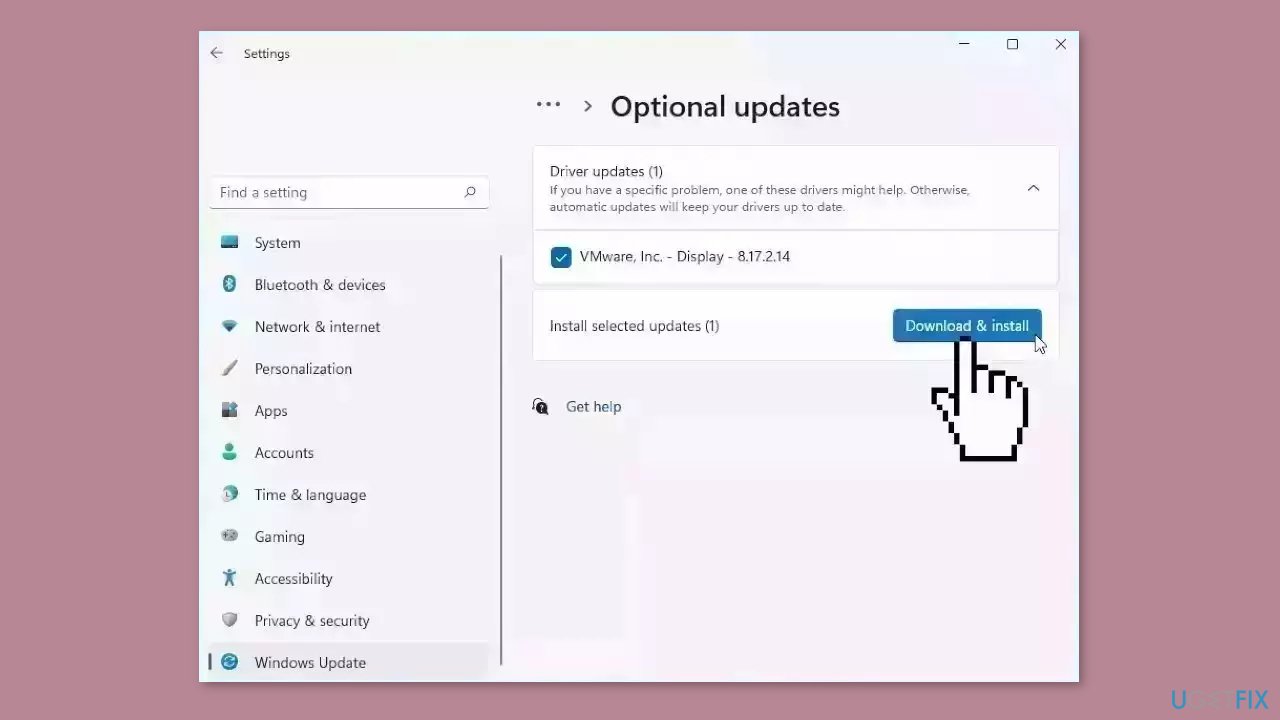
If the View optional updates link is not available after checking for updates, then Windows Update does not have any new drivers or any updates for other products at that particular time.
Method 3. Install Windows Updates
- Press the Windows key + R to open the Run box
- Type ms-settings:windowsupdate in the text box and press Enter
- Click the Check for updates button
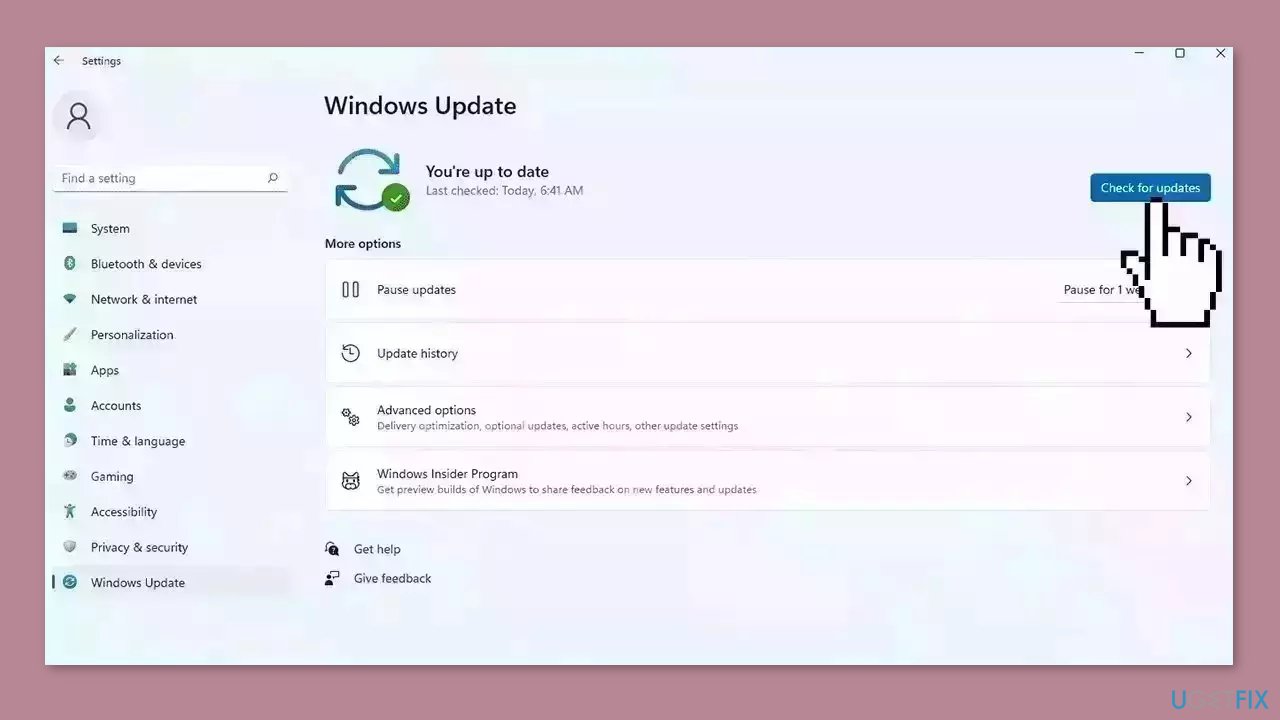
- If a new update is available, click the Download & Install all button.
- Restart your computer after the process is finished and check to see if the problem is fixed
Method 4. Perform a Malware Scan
Malware infections can cause a wide range of issues on your computer, including communication errors. It is important to run a comprehensive security scan to rule out this possibility and ensure that the computer is not infected. This can help to prevent further issues with the Windows operating system and ensure that it is functioning properly.
If you have access to a security scanner, or if your organization pays for one, you can use it to scan your entire system to check for a virus infection. Otherwise, you can use Windows Defender to scan your system:
- Click on the Windows Start menu or press the Windows key on your keyboard
- Type Microsoft Defender in the search bar and click on Microsoft Defender Antivirus to open the application
- Click on the Virus & threat protection option in the left-hand menu
- Click on the Quick scan or Full scan option, depending on your preference
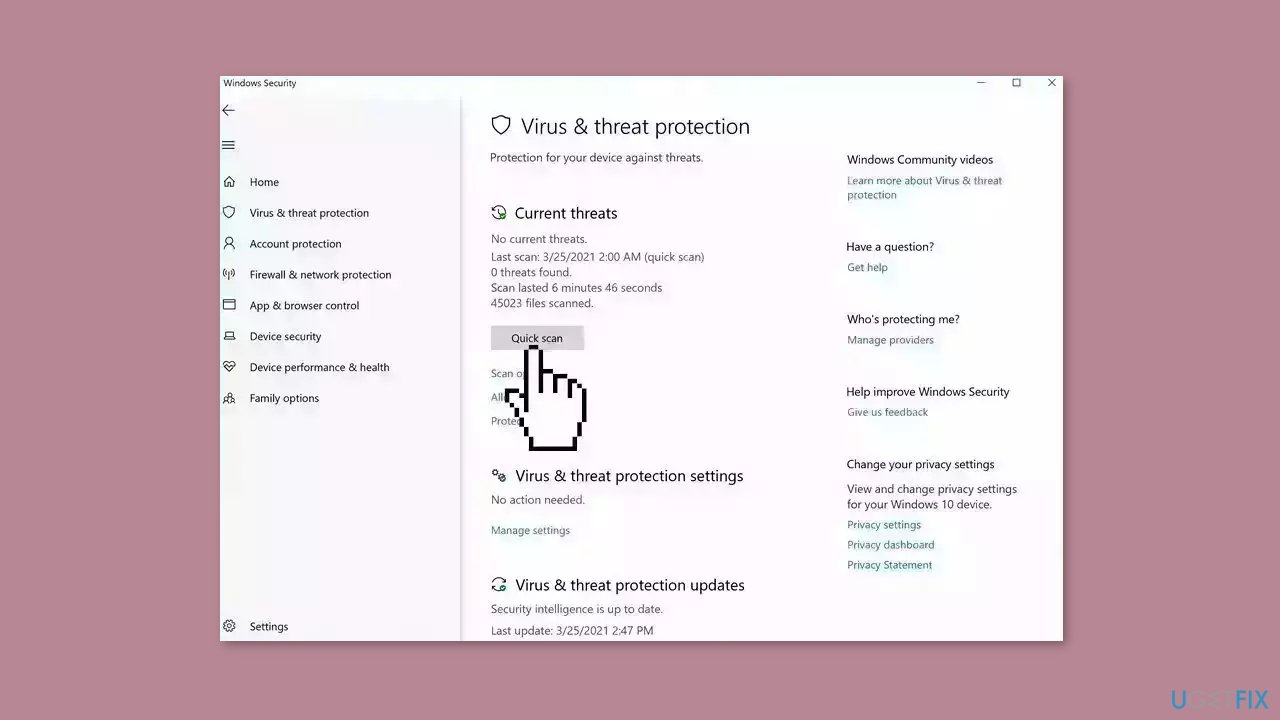
- If you choose Quick scan, Microsoft Defender Antivirus will scan the most vulnerable and commonly infected areas of your computer
- If you choose Full scan, Microsoft Defender Antivirus will scan your entire computer, including all files, folders, and programs
- Click on the Scan now button to start the selected scan type and wait for the scan to complete
- The time it takes will depend on the size of your hard drive and the number of files being scanned
- Once the scan is complete, you will be informed of any detected threats, and you can choose to quarantine or remove them
- If no threats are found, Microsoft Defender Antivirus will inform you that your device is secure
Method 5. Update .NET Framework
Updating the .NET Framework can help solve the issue, as this error can be caused by outdated or corrupted .NET Framework components. It is a software framework developed by Microsoft that is used to build and run Windows applications. Many applications rely on it to function properly, so it is essential to keep it up to date.
- Visit the official Microsoft website and search for the latest version of the .NET Framework that you want to install.
- Once you have located the .NET Framework update, click on the Download button to begin the download process.
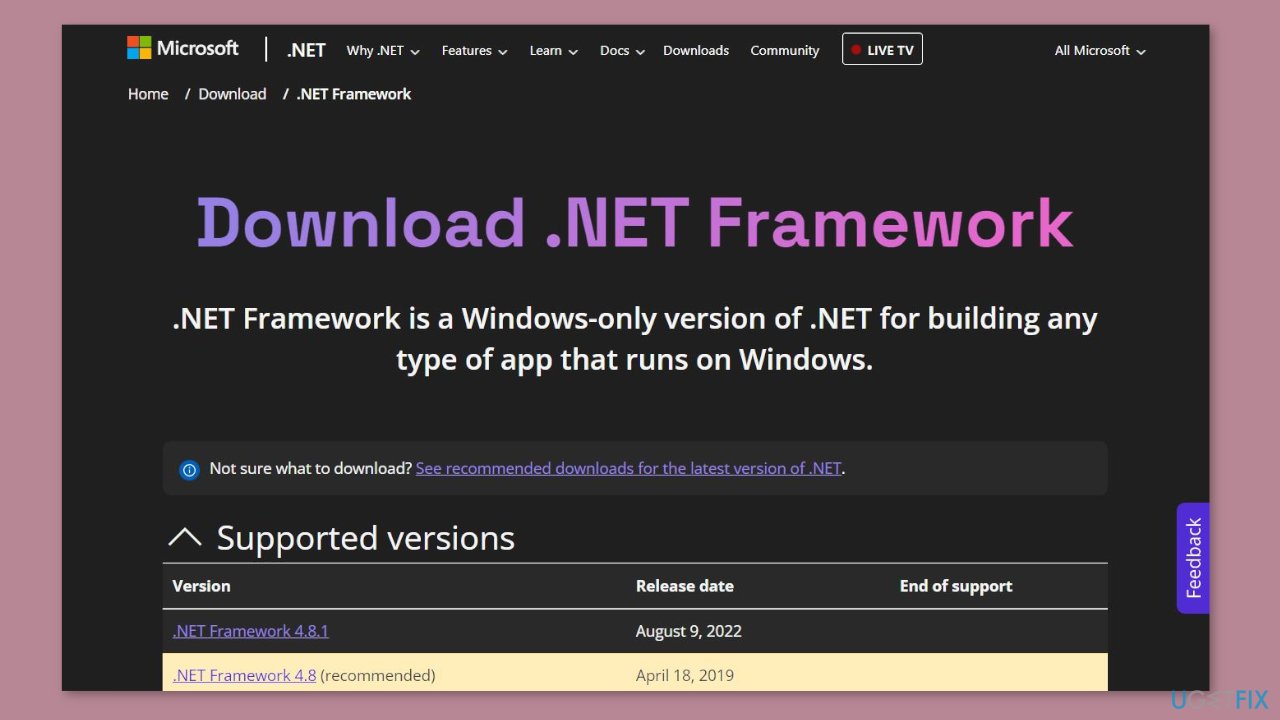
- Depending on your browser settings, you may be prompted to either run or save the file. If you are prompted to save the file, save it to a location on your computer that you can easily access.
- Once the download is complete, double-click on the downloaded file to begin the installation process.
- Follow the on-screen instructions to complete the installation process. You may be prompted to accept the Microsoft software license terms and conditions, select the installation location, or choose the components that you want to install.
- After the installation is complete, restart your computer to ensure that the changes are fully applied.
- To verify that the .NET Framework has been successfully installed, open the Control Panel and click on Programs or Programs and Features depending on your version of Windows.
- Look for the .NET Framework in the list of installed programs. If the version that you just installed is listed, then the installation was successful.
Method 6. Try Clean Boot
Some third-party programs can conflict with other programs on your computer and cause communication errors. A clean boot is a troubleshooting technique that can help identify and isolate issues with software or services that may be causing system problems.
By starting your computer with only the minimum set of drivers and services necessary to run the operating system, you can determine whether a particular program or service is causing the "Internal error: CallSpawnServer: Unexpected response: $0" error.
- Open the Search menu, type in system configuration, and press Enter.
- Under the Services tab, tick the Hide all Microsoft services box.
- Click on Disable all button.
- Head over to the Startup tab and click on Open Task Manager.
- Select a third-party program and click on Disable at the top.
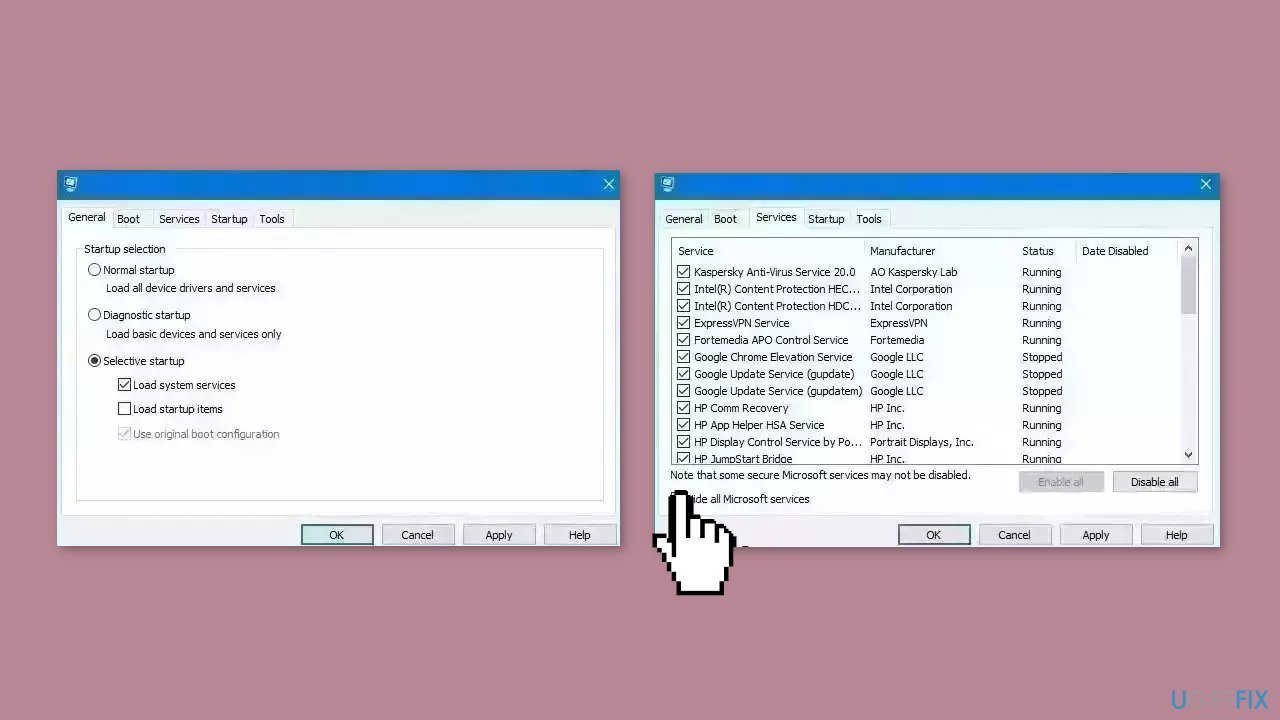
- Repeat this step to disable all third-party apps and programs.
- Restart your PC to enter the clean boot state and see if the issue persists.
- If the issue disappeared in the clean boot state, then you can be certain that a third-party app is causing it.
- Go through all recently installed apps or programs and remove them one by one.
Bottom line
To fix the "Internal error: CallSpawnServer: Unexpected response: $0" error, you can try restarting your computer, running a virus scan, updating Windows, and checking for third-party software conflicts. Additionally, repairing corrupted system files and updating drivers may resolve the issue. If none of these solutions work, it is recommended to seek assistance from technical support professionals or the Microsoft support team.
Frequently asked questions
This error typically indicates a communication issue between Windows 10 services or applications, often linked to corrupted files or misconfigured settings. It can hinder the normal functionality of certain applications, requiring troubleshooting to resolve.
To fix this error on Windows 11, try running the System File Checker tool to repair any corrupted system files, and ensure that all relevant drivers and updates are installed. Additionally, resetting the affected application may also help.
Yes, this error is often associated with applications that require network communication or server interaction, such as certain gaming clients or software development tools on Windows 10 and Windows 11. Identifying the specific application can help in applying targeted fixes.




Report an issue
What's wrong with this guide? We review every report and update or remove content.
Report received — thank you. We'll review and fix it.
You need a free account to submit a report.
Be the first to comment