How to fix
IP Helper Service (Iphlpsvc) high CPU usage
on Windows
Resolve high CPU usage from the IP Helper Service in Windows 10 and 11 easily. Get expert-tested solutions and fix the issue in minutes.

What causes How to fix IP Helper Service (Iphlpsvc) high CPU usage?
- Service running unnecessarily in the background
- Conflicts with third-party software
- Network configuration issues
- Malware or virus interference
- Outdated drivers affecting performance
Repairs Windows system files, removes malware, and restores a clean OS state — without reinstalling.
Hello. Yesterday I was analyzing my GPU usage when playing a game, and I spotted something unusual - IP Helper service (Iphlpsvc) was using 20-25% of CPU. I found it rather unusual, as Windows services usually lay doormat most of the time. I thought it's just a spike, but when I checked it again in the evening, it still consumed the same amount of resources. What is IP Helper service, and is it OK to disable it?
IP Helper (Iphlpsvc) is otherwise known as Internet Protocol Helper and functions as a Service that allows a Windows computer to retrieve and modify network configuration settings. It allows remote computers to correctly identify and retrieve tunnel connectivity for IPv6[ref en-2] connection types.
Windows services are mandatory for any Windows system o to operate correctly. There are numerous services that the OS uses at any time during the operation, for example, with Windows update service disabled, users would not be able to update their operating system, either manually or automatically. They can be set to manual or automatic start and can be easily accessed via the
There are types of IP addresses that can be used for the networking connection over the internet - IPv4, and IPv6, with the former being the older connection type, released as early as 1982.[ref en-1] It is a 32-bit IP address that uses a numeric addressing method, while the IPv6 is a 128-bit IP address that uses the alphanumeric method.
Without IP Helper service, connectivity through IPv6 would be impossible. That being said, you will rarely find a website or a network that would use IPv6 - this due to various technological advance difficulties the latest technology faces. Some companies and ISPs have already shifted to the latest IP version.
While some services are imported by third-party programs and used for their functionalities, IP Helper is a built-in service that comes pre-installed with the operating system. It is also, by default, set to be started automatically whenever the PC is launched.

Some people claimed that they noticed IP Helper Service high CPU usage at all times. If everything works correctly, this should not happen - the service should not go above 0% unless it is actually in use. Therefore, something might not function as intended. The first thing to check is to scan your PC for malware, as it could be the reason why the resources of the service are so extensive.
As a regular computer user, there are almost no reasons why you couldn't disable IP Helper Service. However, before you do that, you could try other methods that could help you fix high CPU usage of the service. Also, we recommend you scan your device with PC repair software [d1] - it can help with most common Windows issues automatically, without you having to troubleshoot problems that could arise at any time.
1. Run a scan with anti-malware
One of the reasons why you could be facing IP Helper high CPU usage is due to a worm[ref en-3] known as Conficker. You can use any reputable third-party anti-malware, although a deep scan with Microsoft Defender should suffice:
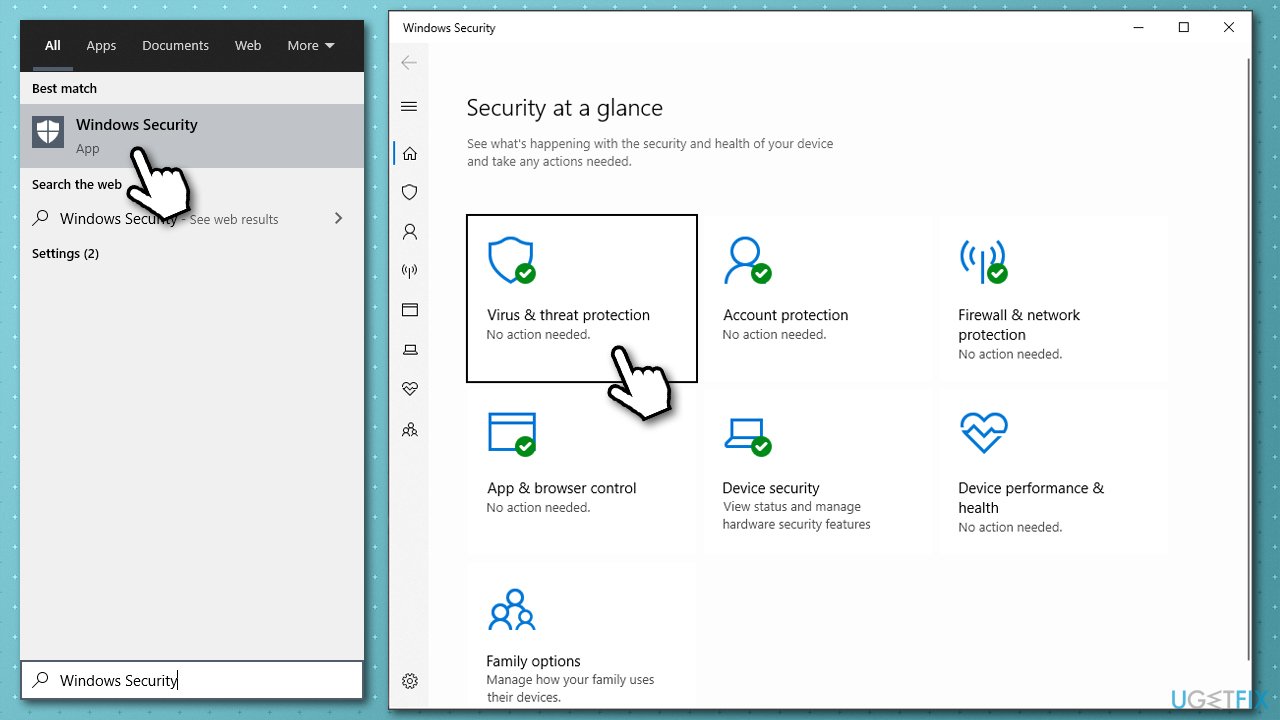
- Type Windows Security in Windows search bar and hit Enter
- Select Virus & threat protection
How to fix ip helper service iphlpsvc high cpu usage on windows scan for malware - Pick Scan options
- Choose Microsoft Defender Offline scan and click Scan now
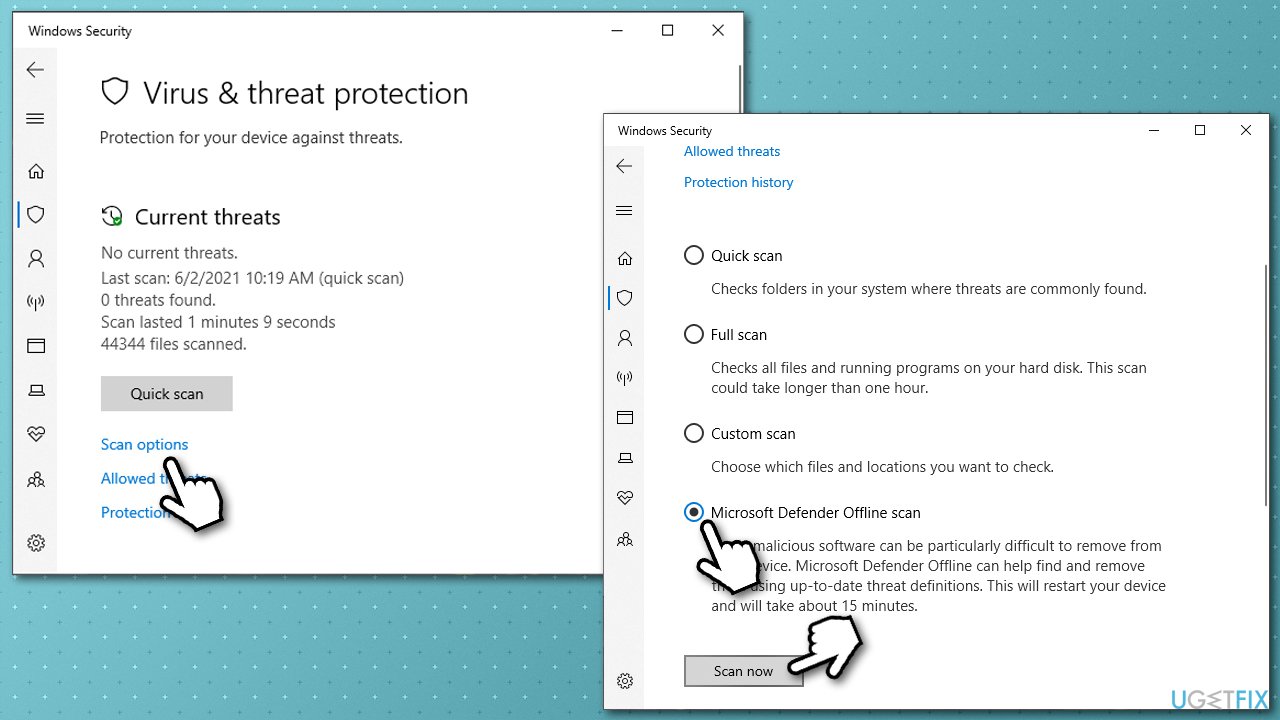
How to fix ip helper service iphlpsvc high cpu usage on windows scan for malware2 - Your computer should then restart and a scan begin.
2. Disable or uninstall third-party antivirus
In some cases, third-party security tools can interfere with certain connections and cause high resource usage for certain Windows components. For example, WaasMedic Agent Exe was recently found causing high disk usage for thousands of people, and it turned out that turning off antivirus helped many of them.
While you can try to disable your antivirus real-time protection via the settings of the app, it might not always be possible. In such a case, simply uninstall the program, reboot, and see if that helped you solve the issue (you can later install the AV once again if this solution does not help).
3. Perform Clean Boot
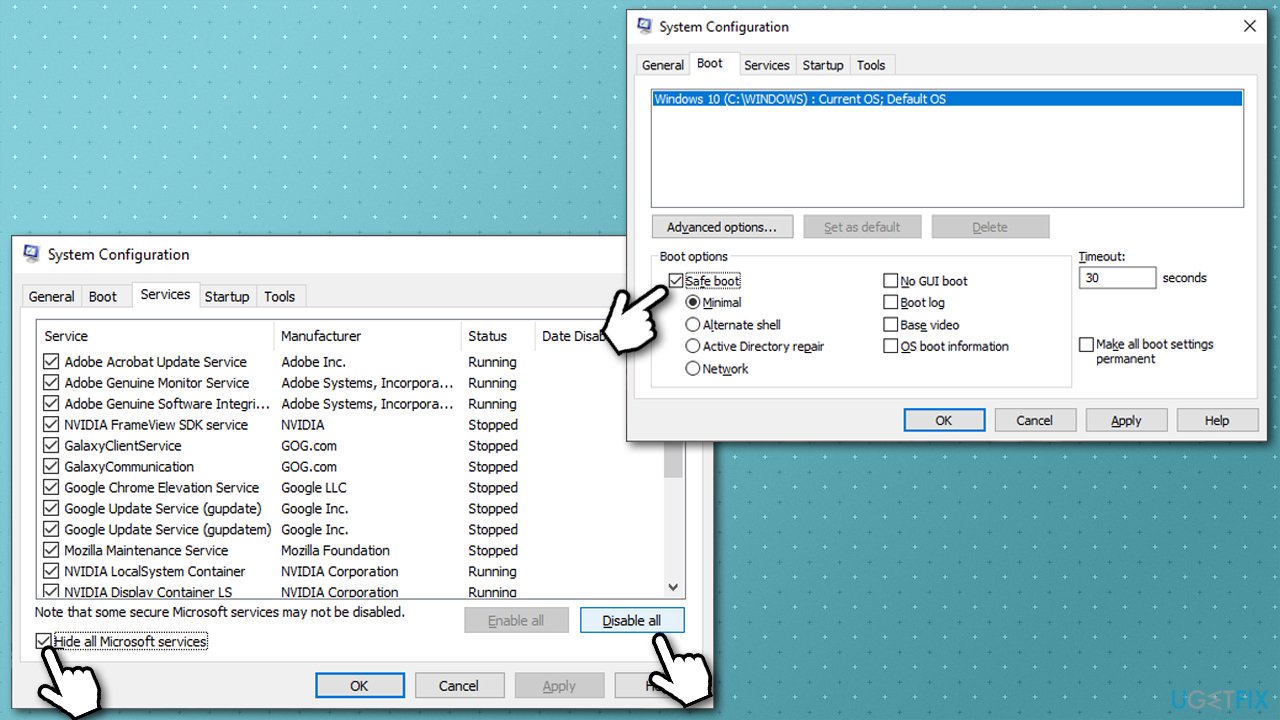
- Type msconfig in Windows search and press Enter
- Select Services tab
- Check the Hide all Microsoft services box and pick Disable all
- Go to Startup tab and select Open Task Manager
- In the Task Manager, right-click on every entry and select Disable, then close the Task Manager
- Go to Boot tab, tick Safe Boot, then click Apply and OK.
How to fix ip helper service iphlpsvc high cpu usage on windows try clean boot
If the problem is gone in this environment, it means that some third-party application or program is causing this it. What you should do is load back into normal mode and uninstall the most recent programs you have installed - this should help you resolve the high CPU usage of the IP Helper.
4. Disable IP Helper Service
As previously mentioned, you can simply disable the service if you are not using it. There are a few methods you can do this, so let's start from the most simple one:
- Type Services in Windows search bar and press Enter
- Once the new window opens, scroll down until you find IP Helper - double-click it
- Under Startup type, click on the drop-down menu and pick Disabled
- Click Stop, Apply and OK
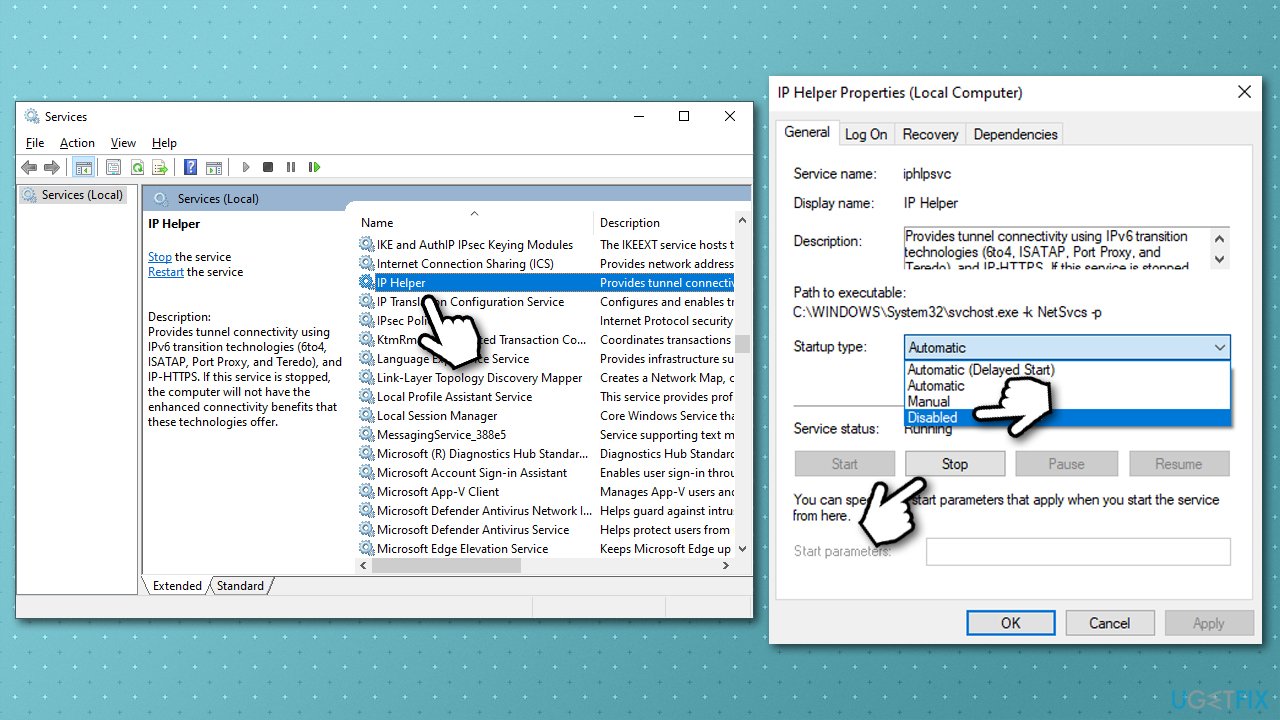
How to fix ip helper service iphlpsvc high cpu usage on windows disable via services - Restart your computer.
5. Use Command Prompt
- Type cmd in Windows search
- Right-click on Command Prompt result and select Run as administrator
- If User Account Control shows up, click Yes
- Type in the following command to permanently disable the service:
REG add “HKLM\\SYSTEM\\CurrentControlSet\\services\\iphlpsvc” /v Start /t REG_DWORD /d 4 /f
- Press Enter.
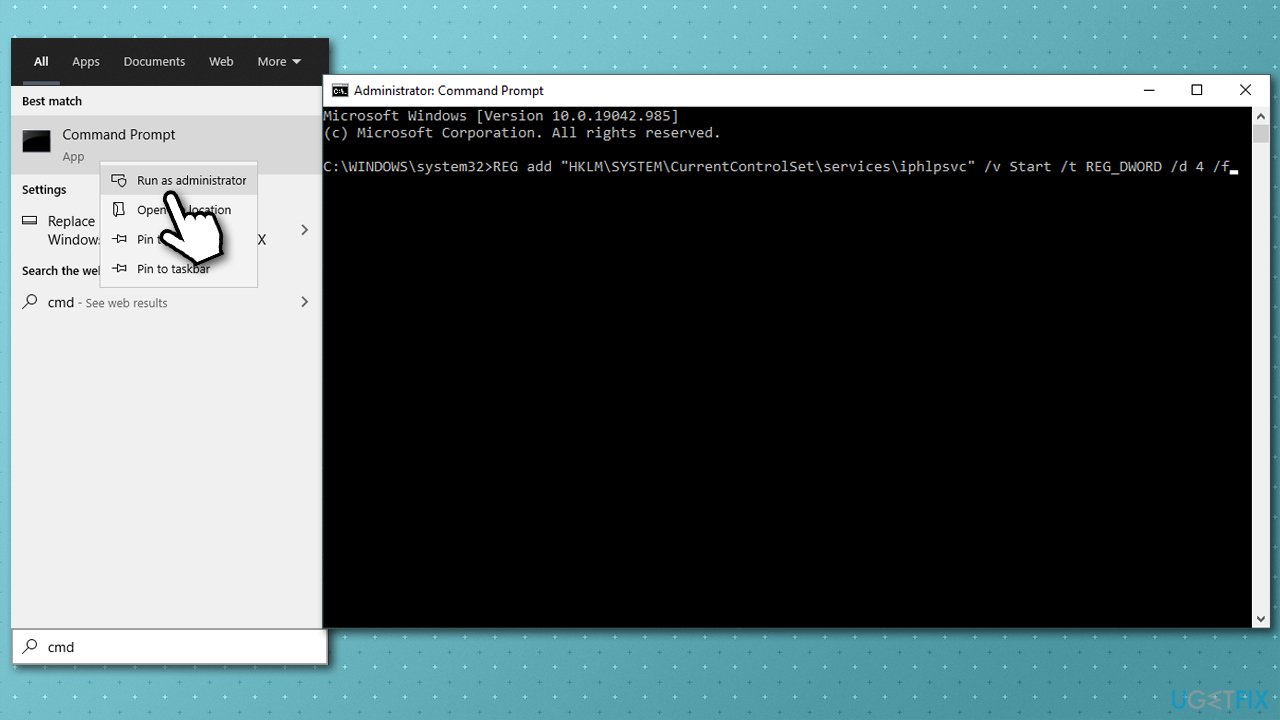
How to fix ip helper service iphlpsvc high cpu usage on windows disable via cmd
If you ever want to re-enable to service, paste the following command into Command Prompt (Admin):
REG add “HKLM\\SYSTEM\\CurrentControlSet\\services\\iphlpsvc” /v Start /t REG_DWORD /d 2 /f
6. Try Registry Editor
- Type regedit in Windows search and hit Enter
- When UAC shows up, click Yes
- Navigate to the following location:
HKEY_LOCAL_MACHINE\\SYSTEM\\CurrentControlSet\\services\\iphlpsvc
- Once you click iphlpsvc folder, you should be able to see several entries on the right side of the window
- Double-click the Start entry
- Here, type in 4 instead of 2 and click OK
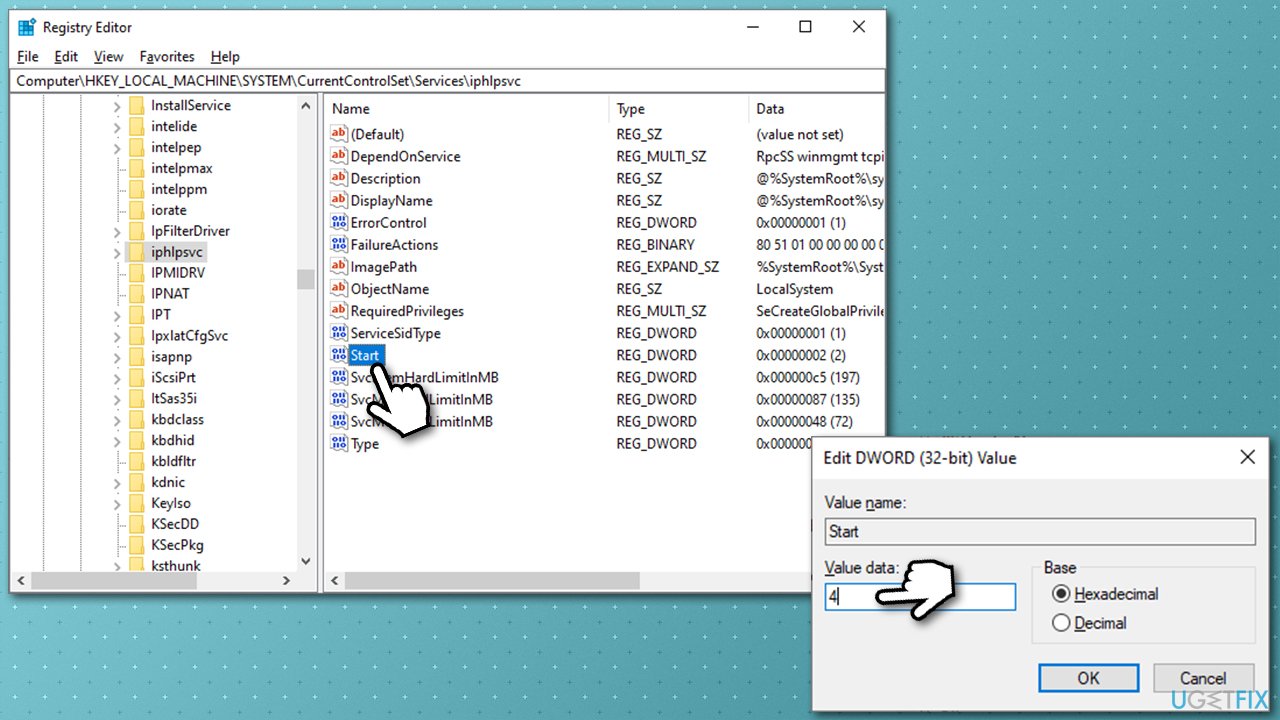
How to fix ip helper service iphlpsvc high cpu usage on windows disable via registry editor - Restart your computer.
Bottom line
To address high CPU usage by the IP Helper service, consider disabling the service, checking for malware, or updating your network drivers. If these solutions do not resolve the issue, further investigation into system performance may be necessary.
Frequently asked questions
The IP Helper Service (Iphlpsvc) is a Windows service that facilitates IPv6 connectivity, but it can lead to high CPU usage due to conflicts with network drivers or third-party applications.
You can troubleshoot high CPU usage by restarting the IP Helper Service, updating your network drivers, or disabling the service if it's not needed for your tasks.
Permanent fixes include checking for Windows updates, performing a clean boot to identify conflicting software, or using the Windows Troubleshooter to resolve network-related issues.




Report an issue
What's wrong with this guide? We review every report and update or remove content.
Report received — thank you. We'll review and fix it.
You need a free account to submit a report.
Be the first to comment