How to fix
Slow login screen
on Windows
Resolve slow login screen issues on Windows 10 effortlessly. Boost your PC's performance with expert-tested solutions for a faster start! Fixed in minutes.

What causes How to fix slow login screen on Windows 10?
- Default configuration settings
- Accumulation of variables affecting loading times
- Presence of malware from pirated programs
- Stuck bootup process
- Improperly installed applications
Repairs Windows system files, removes malware, and restores a clean OS state — without reinstalling.
Hello. Back when I bought my PC two years ago, Windows startup was very quick - as expected. Right now, it takes Windows around 40 seconds to one minute to boot to a login screen. It just seems way too long by current standards. Is there anything that could be done to fix this?
Windows startup problems are something that many users, unfortunately, had to experience, as the problem was consistent from the very beginning of modern operating system versions. Upon the release of Windows10, which is considered to be by far the most innovative and feature-packed OS version,[ref en-1] not much has changed in this regard.
When you buy a new PC or implement a fresh installation of Windows, the configuration settings and other parameters are set to default. In other words, these are perfect conditions for the startup to be swift. Over time, the operating system is affected by many other variables that might affect the loading times and result in a slow login screen on Windows 10.
Users reported that it took them a long time to boot into the Welcome screen, i.e., Windows startup took way too long before it reached the login screen. According to many reports, once the bootup process is initiated, the screen is stuck on the circular dot pattern going around for a prolonged period of time. For some people, this takes minutes, and it is obviously not normal behavior.
While older operating systems indeed had problems keeping up with speed when too many programs are installed, it is not the case for Windows 10. Essentially, as long as the apps are installed correctly and are legitimate (pirated programs might be infected with malware, consequently causing a slow login screen), they should not drastically impact the loading times on startup.
However, not everything always works as intended due to the mentioned variables within any Windows computer. To fix slow login screen on Windows, you will have to perform several troubleshooting tasks in order to get to the root cause of the problem.
Below you will find the steps that could help you do just that. However, if you want a quick solution for all-your-Windows-issues, we highly recommend you try employing [d1], as this repair software is capable of repairing Windows system files, registries, and other OS problems automatically.
Note: If you can't bypass your login screen due to it not working completely, we recommend checking our How to fix Windows 10 login not working? article.
1. Disable Fast startup
While it might seem ironic, but Fast Startup might actually cause your PC not only to be slower at startup but also prevent Windows from waking up or cause other issues. Thus, it is recommended you disable it as follows:
- Type in Control Panel into Windows Search and hit Enter
- Select Small icons view from the drop-down menu
- Go to Power Options
- On the left side of the window, select Choose what the power buttons do
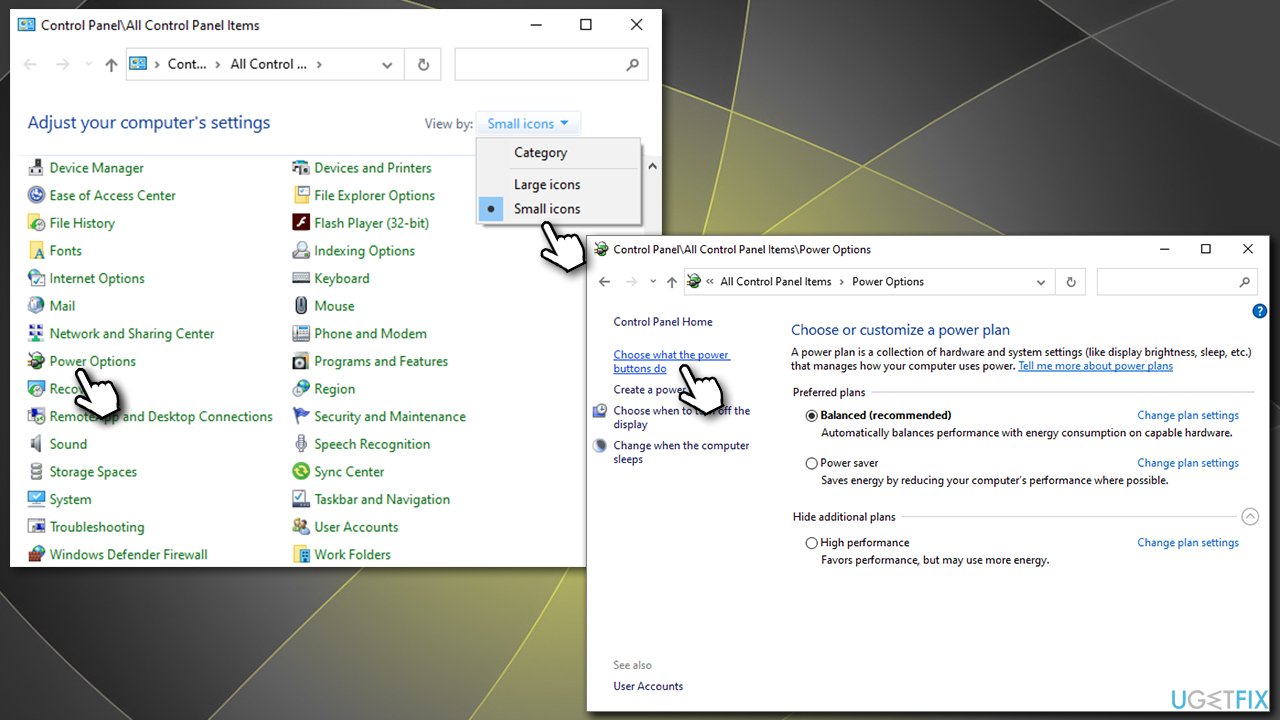
How to fix slow login screen on windows10 go to power options - Pick the Change settings that are currently unavailable option
- Untick the Turn on fast startup (recommended) and click Save changes.
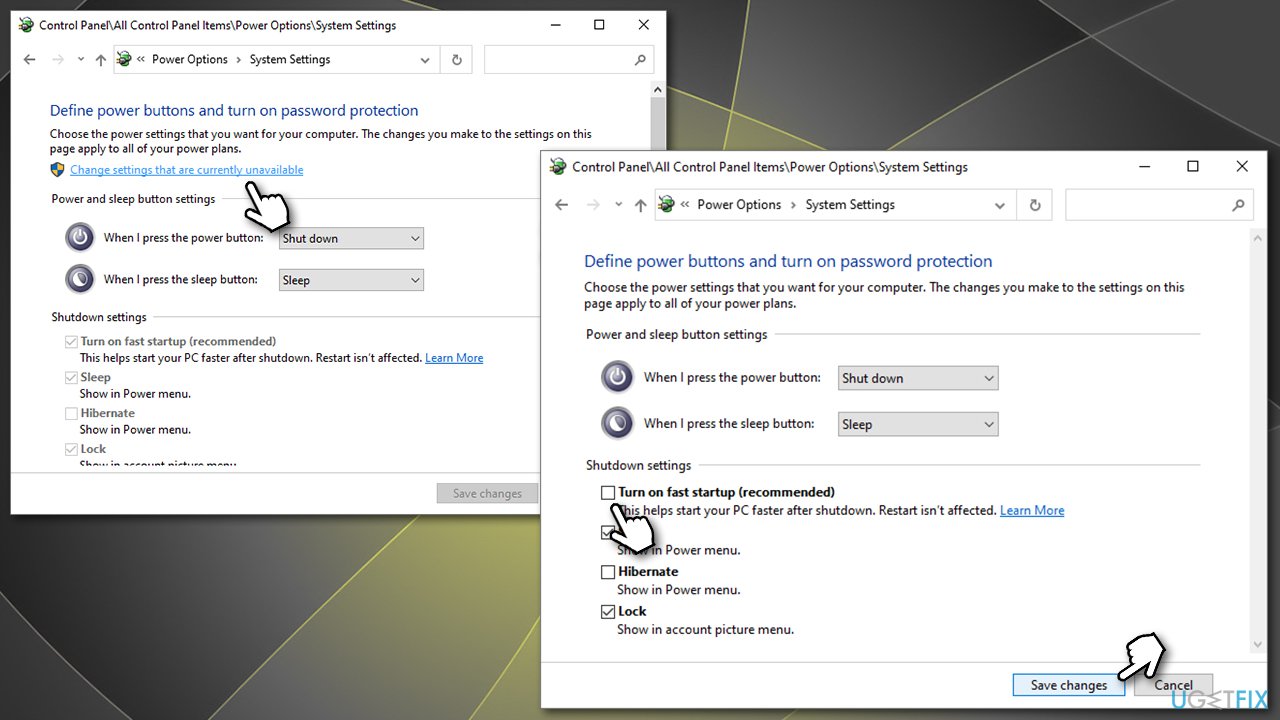
How to fix slow login screen on windows10 turn off fast startup
2. Check for driver problems
If you have recently installed any drivers[ref en-2] and the slow startup on Windows 10 started happening after that, you should uninstall them:
- Right-click on Start and pick Device Manager
- Expand the device section you installed drivers for recently, e.g., Display adapters
- Right-click and select Uninstall device
- Tick the Delete the driver software for this device and click Uninstall.
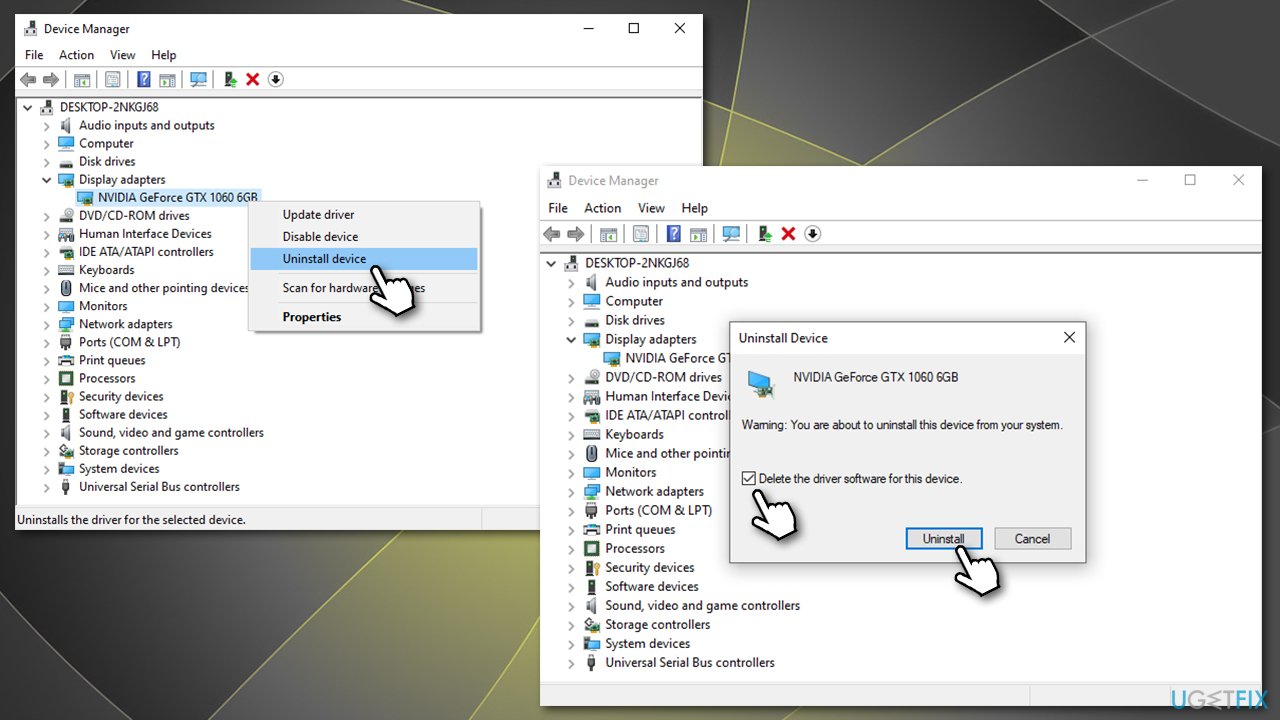
How to fix slow login screen on windows10 reinstall drivers
Keep in mind that any drivers could be causing issues (for example, one user claimed that SATA[ref en-3] Controller Driver was at fault). Therefore, in order to ensure that the best drivers for your configuration are installed, we highly recommend you use a third-party solution [rev id="DriverFix"]. It can check for the newest drivers automatically.
3. Use Safe boot
Use Safe boot to check for software conflicts and buggy apps:
- Type in msconfig in Windows search and pick System Configuration
- Go to Services tab, tick the Hide all Microsoft services box, and click on Disable all
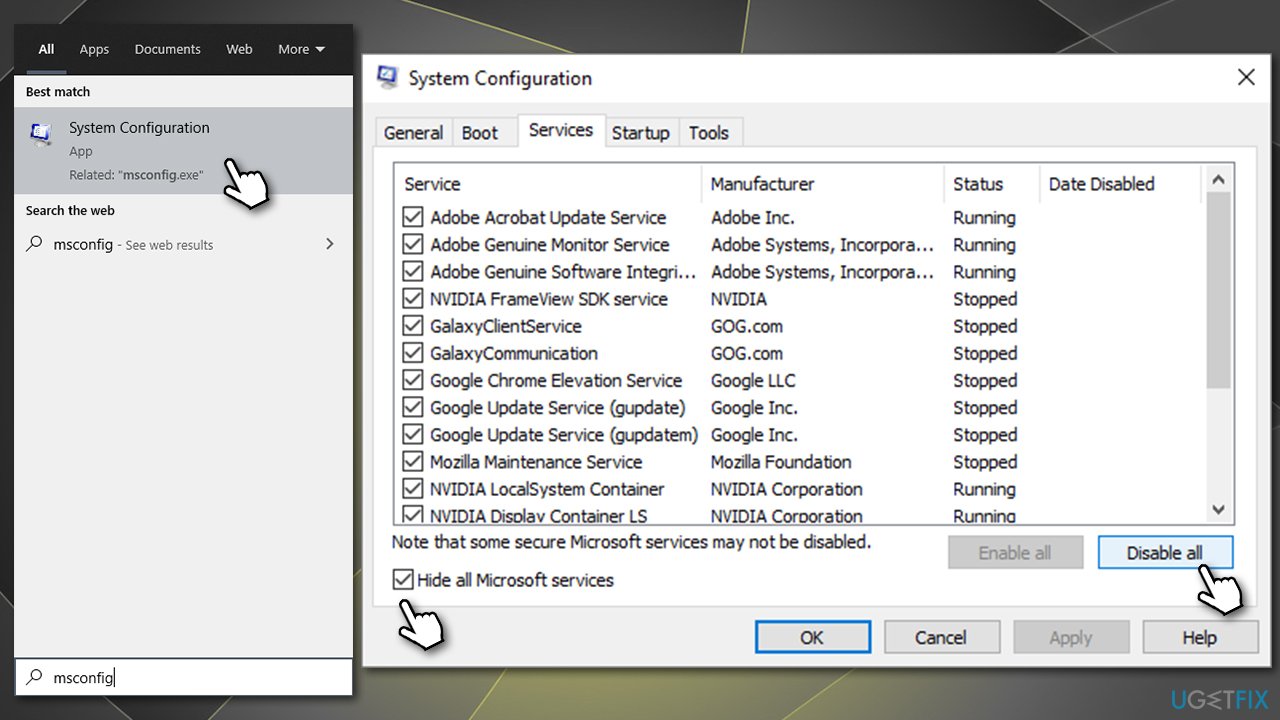
How to fix slow login screen on windows10 use safe boot - Next, go to Startup tab and select Open Task Manager
- In there, select each of the entries and pick Disable
- Go back to System Configuration window and pick the Boot tab
- Tick the Safe Boot option, click Apply and OK.
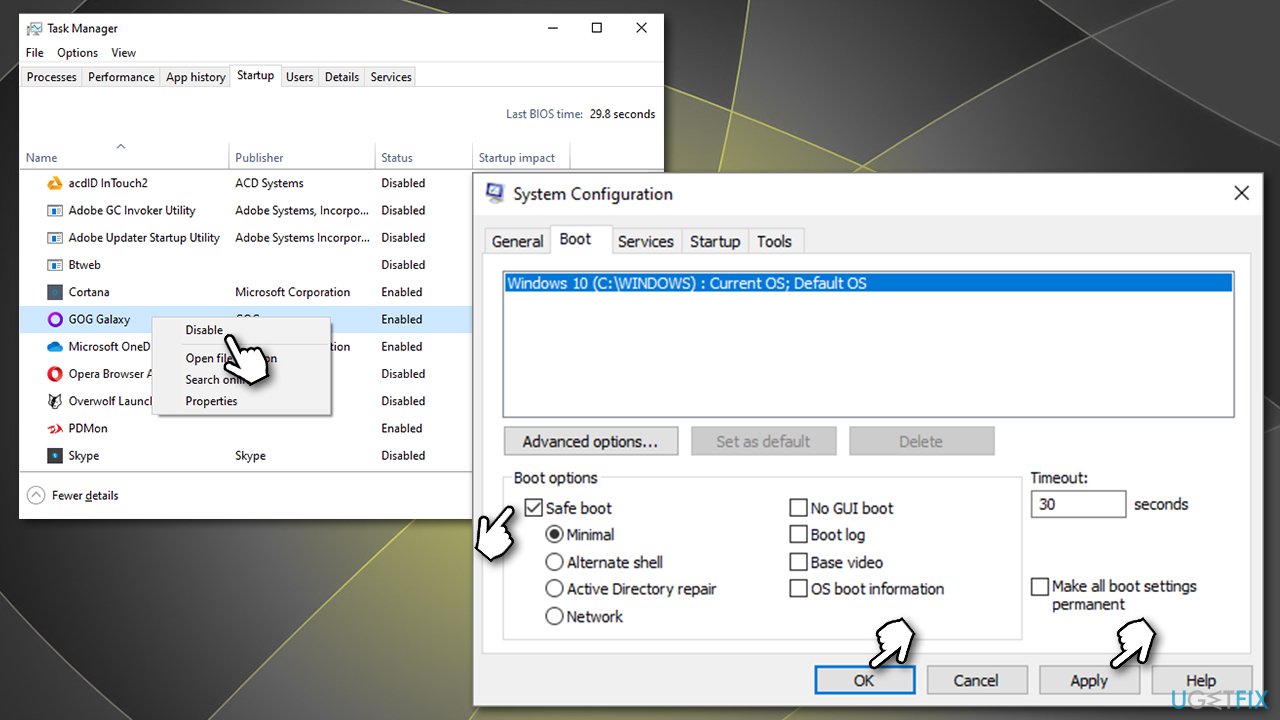
How to fix slow login screen on windows10 use safe boot2
If your slow login screen problem is gone, the problem lies within a problematic app. You can try uninstalling the recently installed programs and see if that helps. Otherwise, we suggest you remove all programs and then re-install them one-by-one to see which one is causing the issue.
4. Run System maintenance troubleshooter
- Type in Control Panel in Windows search and press Enter
- Under View By, select Small icons from the drop-down menu
- Go to Troubleshooting and then select System and Security
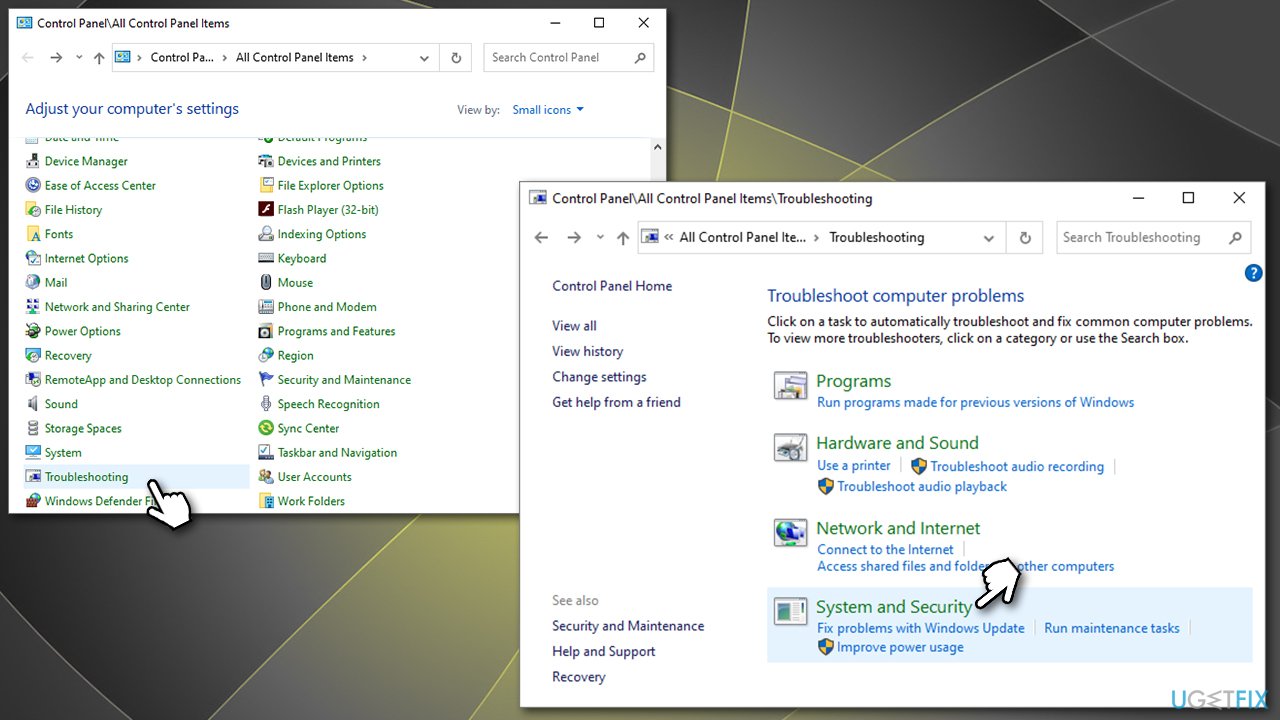
How to fix slow login screen on windows10 run maintenance troubleshooter - Click on System Maintenance
- Click Next to run the troubleshooter.
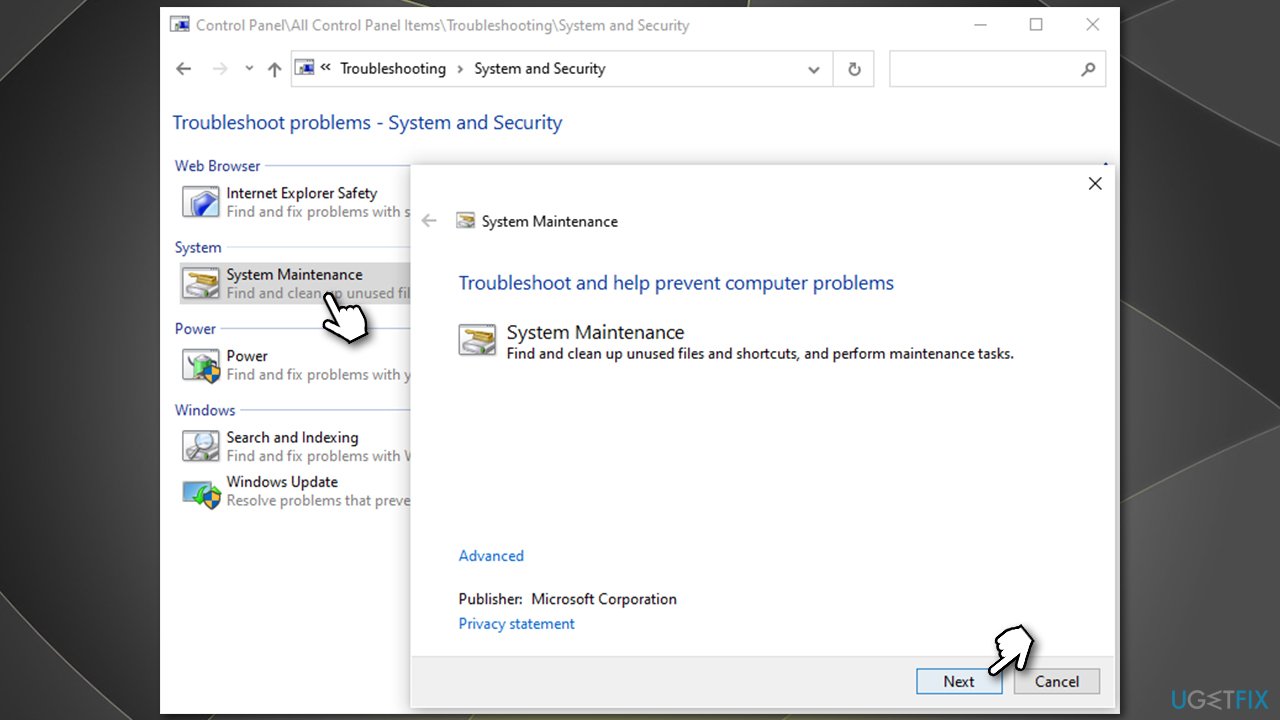
How to fix slow login screen on windows10 run maintenance troubleshooter2
5. Clean your disk from temp files and other junk
Slow startup might be a result of accumulated junk files. Clean them as follows:
- Type in Disk Cleanup in Windows search and press Enter
- Select your main drive (C: by default) and click OK
- Click Cleanup system files
- Select your drive again
- Now tick Windows Update Cleanup, Temporary Internet Files and other relevant sections
- Click OK to cleanup junk.
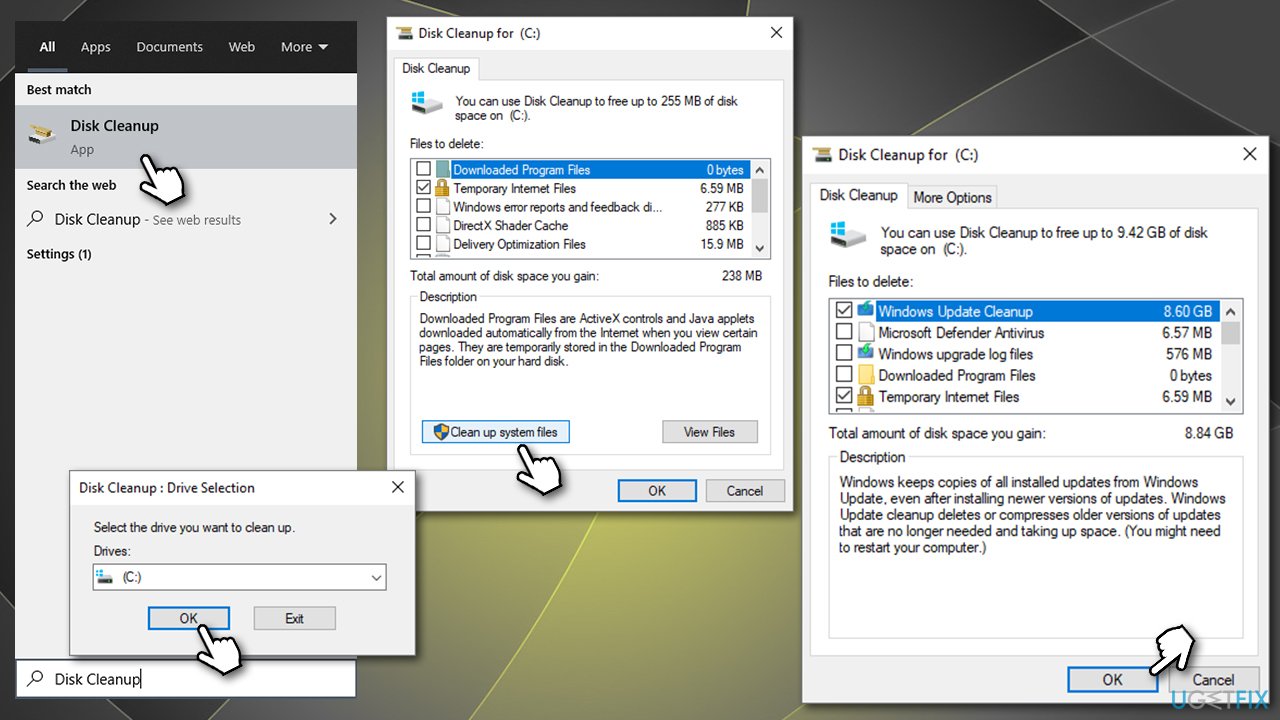
How to fix slow login screen on windows10 use disk cleanup
6. Change SysMain service startup option to Automatic
- Type in services.msc in Windows search and press Enter
- In the new window, double-click on SysMain service
- Select: Startup type: Automatic and then click Start (if the service is not running already)
- Click Apply and OK.
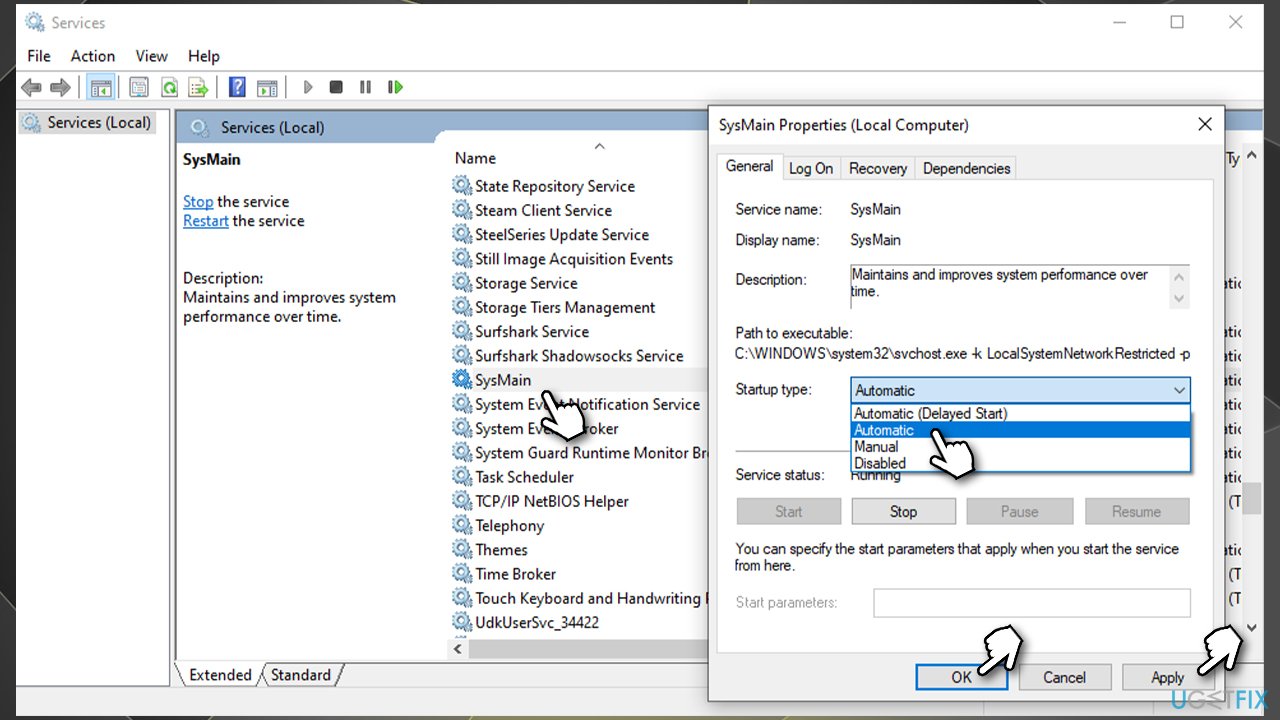
How to fix slow login screen on windows10 change sysmain service to automatic
7. Reset Windows
If none of the above helped you, we recommend you reset Windows, which will reinstall the operating system, removing all the programs (your personal files will not be affected).
- Right-click on Start and pick Settings
- Go to Update & Security and pick Recovery
- Find Reset this PC section and click Get Started
- Select Keep my files and Cloud download.
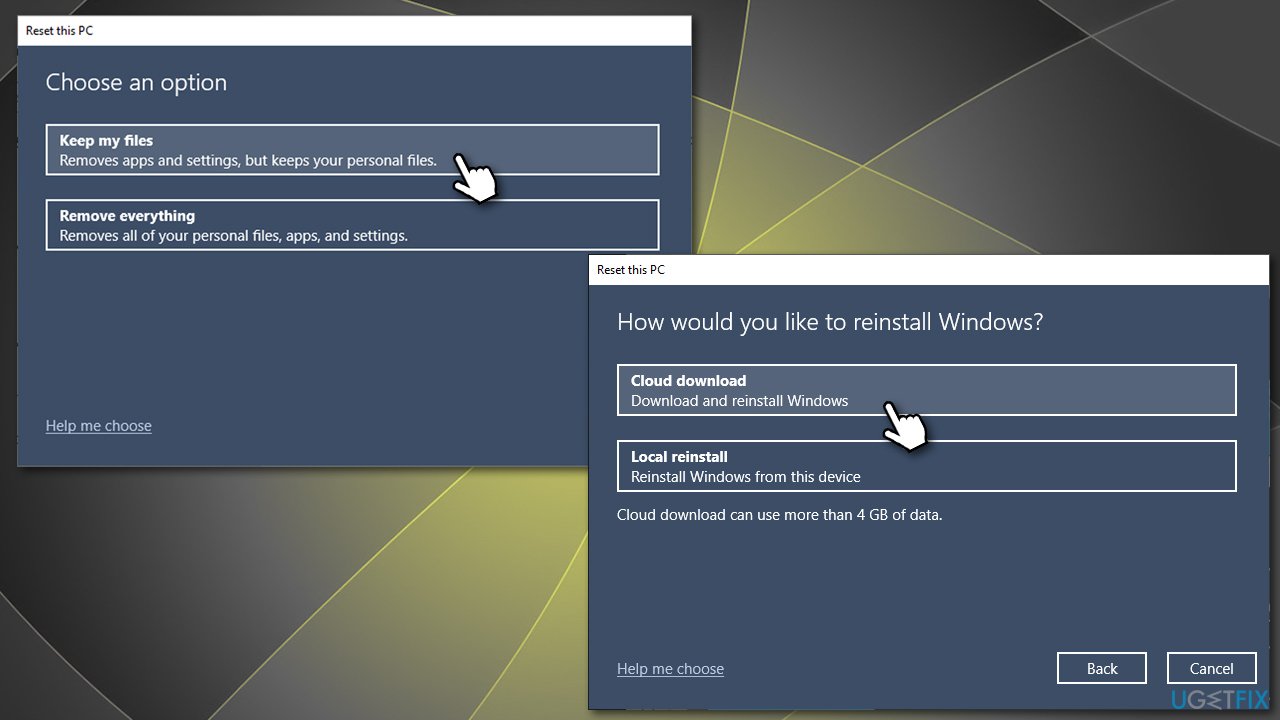
How to fix slow login screen on windows10 reset windows
Bottom line
To fix the slow login screen on Windows 10, you should perform several troubleshooting tasks such as checking for malware, ensuring applications are installed correctly, and addressing any configuration issues. If none of these steps resolve the problem, consider seeking further technical assistance.
Frequently asked questions
Common reasons include excessive startup programs, outdated drivers, or Windows updates that need to be installed. Checking these factors can help speed up the login process.
You can disable unnecessary startup programs by pressing Ctrl + Shift + Esc to open Task Manager, then navigating to the Startup tab and disabling unwanted applications. This can help reduce the load during the login process.
Yes, keeping Windows 10 updated can improve overall performance, including the login screen speed, by ensuring that you have the latest features and security patches. Check for updates in Settings under Update & Security.




Report an issue
What's wrong with this guide? We review every report and update or remove content.
Report received — thank you. We'll review and fix it.
You need a free account to submit a report.
Be the first to comment