How to fix
“The driver may be corrupted or missing (Code 39)” error
on Windows
Resolve the "Code 39" driver error in Windows 10 or Windows 11 easily and efficiently. Expert-tested solutions to get your device running smoothly, fixe…


What causes How to fix “The driver may be corrupted or missing (Code 39)” error in Windows?
- Driver may be corrupted
- Driver may be missing
- USB controller issues
- Conflicts with other devices
- Corrupted system files
Repairs Windows system files, removes malware, and restores a clean OS state — without reinstalling.
Hello. After I updated my Windows computer my camera stopped working. When I tried to update the driver I received the "Windows cannot load the device driver for this hardware. The driver may be corrupted or missing. (Code 39)" error. How do I fix this?
The "Windows cannot load the device driver for this hardware. The driver may be corrupted or missing. (Code 39)" error is a common issue that can occur when trying to use a USB device, such as a standard USB drive, hard disk drive/solid-state drive, or even a webcam on a Windows computer. This error is typically displayed in the General tab of the Properties window for the device in the Device Manager.
This error can impact users in a number of ways, including preventing them from being able to access the data on their USB device or using the device's functionality. This can make it difficult or impossible to transfer files, backups, or other important data. Additionally, the error can also prevent the device from working properly, making it difficult to use the device for its intended purpose, such as for storage or as a webcam.
Possible solutions for this issue include updating or reinstalling the device driver,[ref en-1] troubleshooting the USB controller, and checking for any conflicts with other devices. If none of these solutions work, the issue may be with the device itself, and it may need to be repaired or replaced.
In this guide, you will find 6 steps that should help you fix "The driver may be corrupted or missing (Code 39)" error in Windows. Keep in mind that the manual troubleshooting process can be lengthy. You can use a maintenance tool like [d1] that can fix most system errors, BSODs,[ref en-2] corrupted files, and registry[ref en-3] issues. Otherwise, follow the step-by-step instructions below.
Solution 1. Fix Corrupted System Files
Use Command Prompt commands to repair system file corruption:
- Open Command Prompt as administrator
- Use the following command and press Enter:
sfc /scannow
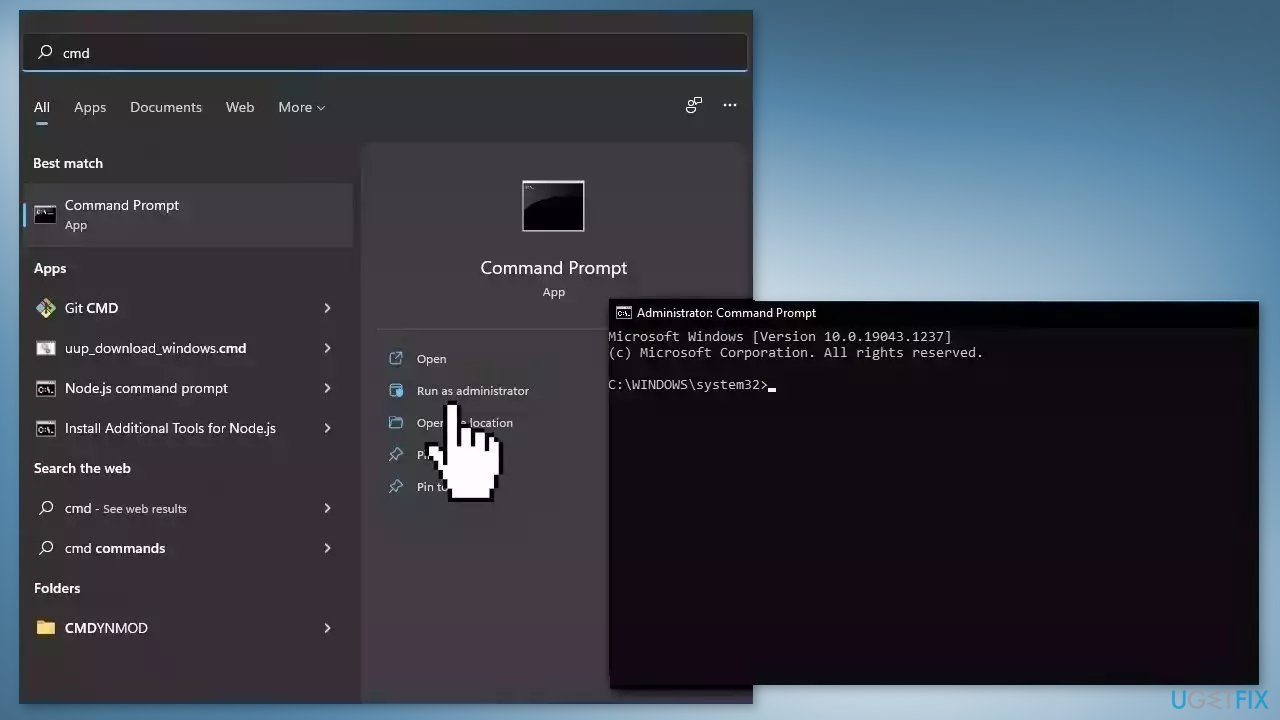
- Reboot your system
- If SFC returned an error, then use the following command lines, pressing Enter after each:
DISM /Online /Cleanup-Image /CheckHealth
DISM /Online /Cleanup-Image /ScanHealth
DISM /Online /Cleanup-Image /RestoreHealth
Solution 2. Reinstall Driver
When a device is connected to a Windows PC, it automatically detects and installs the appropriate driver to ensure that the device is ready to use when reconnected. If you need to reinstall the driver, you can remove the device from the system and then have Windows detect it again.
- Press the Windows key + X to open the Power Menu
- Press M to open the Device Manager
- Locate the USB device, right-click on it
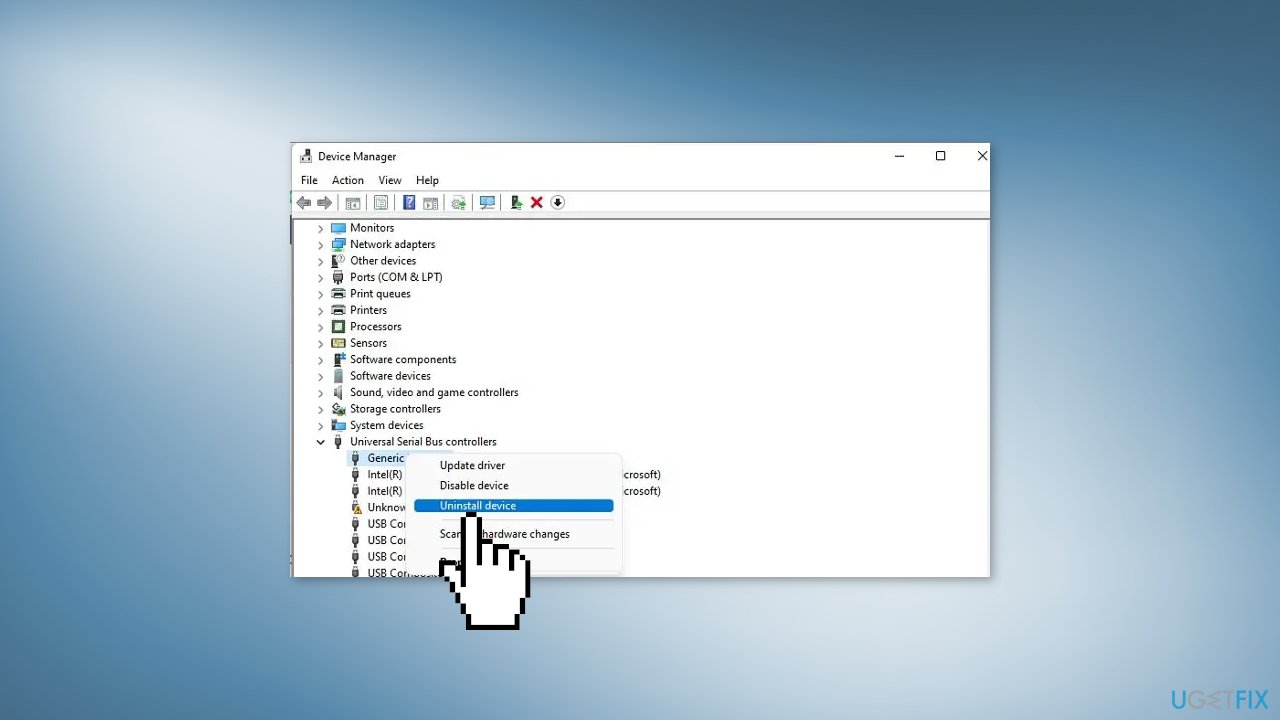
- Select the Uninstall device option from the context menu
- Restart the PC
- Replug the hardware
- Windows will detect the device again and install the required driver
Solution 3. Update USB Device Driver
All USB devices, even those that use standard drivers, require a specific driver to function properly. This includes storage drives, cameras, and any other device that uses a USB interface. To ensure optimal performance and compatibility, it's a good idea to regularly update the drivers for these devices.
One way to do this is to download the latest drivers directly from the original equipment manufacturer (OEM) website, rather than relying on Windows Update. You can also use a dedicated utility, like [rev id="DriverFix"] that can find and install the best drivers for your machine automatically.
Solution 4. Disable Memory Integrity
Memory integrity is a security feature that prevents attackers from injecting malicious code into high-security processes. If Windows Security detects a driver with an invalid signature, it may indicate that the driver is outdated and needs to be updated. However, it does not necessarily mean that the driver is malicious. By disabling Memory Integrity, you can check if this is the issue that is preventing the USB device from working properly.
- Open Windows Security
- Navigate to Device Security > Core isolation
- Turn off Memory Integrity
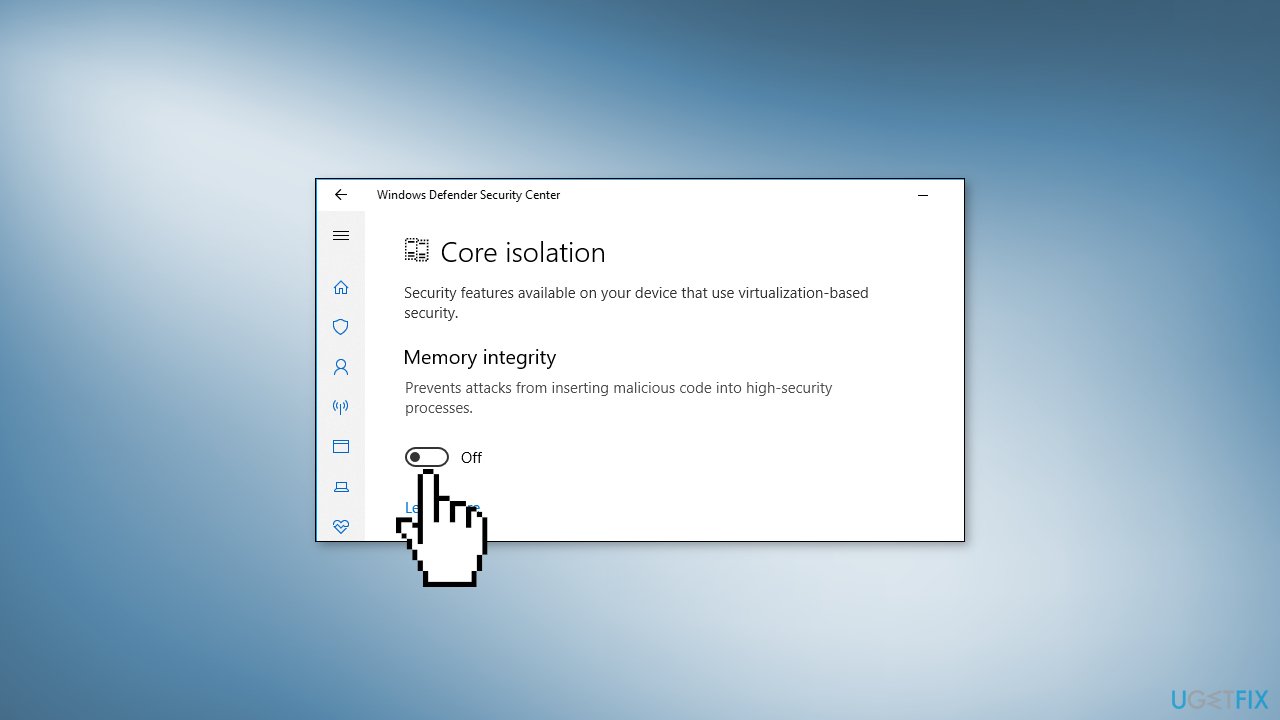
- Try accessing the USB device
- If the USB device loads, the issue is with the driver
- Find and install the appropriate driver for the USB device.
Solution 5. Perform an Upgrade Install
- Visit the official Microsoft website and download the Windows 11 or Windows 10 installation media
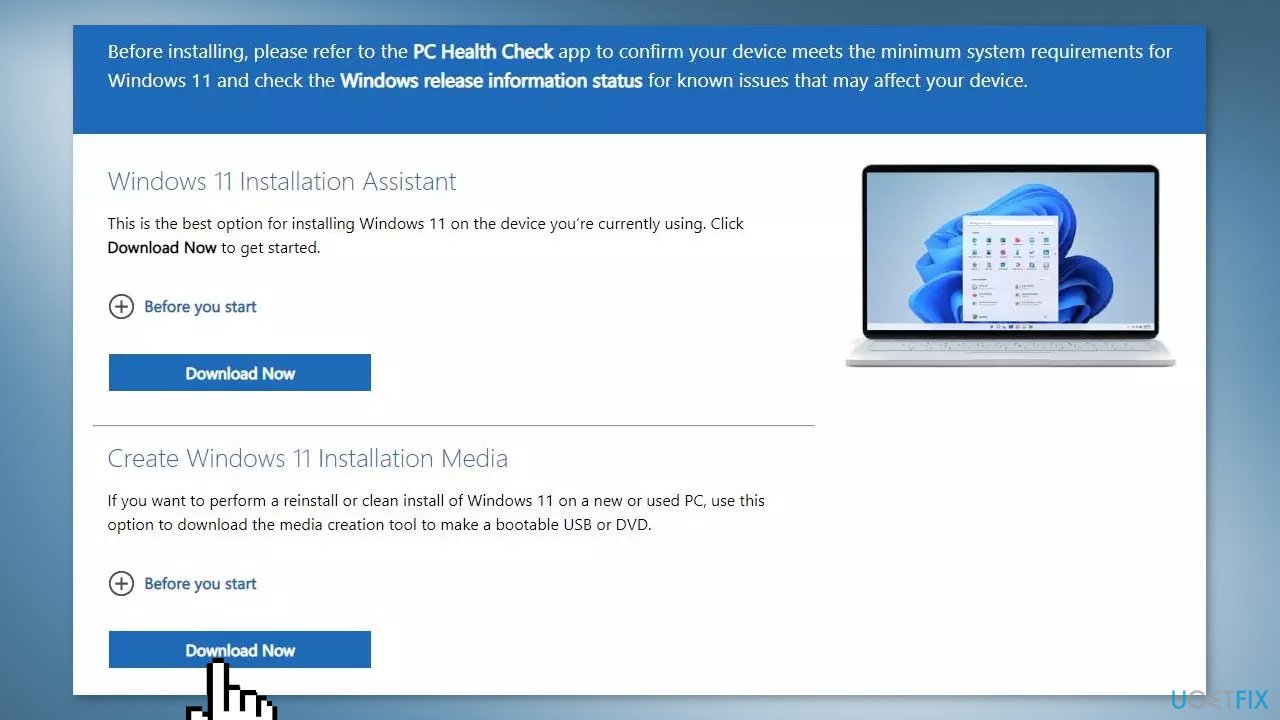
- Double-click the installer and select Yes when UAC shows up
- Agree to the terms and click Next
- Select Upgrade this PC now and select Next
- Windows will now download all the necessary files – it might take sometime
- Agree to terms once again and click Next
- Before installing, make sure that you are happy with your choices (otherwise, you can click Change what to keep option)
- Click Install to begin the upgrade process.
Solution 6. Replace Hardware
If the previous steps did not resolve the issue with the USB device, it may be helpful to try the device on a different computer to determine if the problem is with the hardware or the specific computer. If the device does not work on another computer, it is likely a hardware issue.
If the device is still under warranty, you can contact the manufacturer's customer support for a replacement. If the device is out of warranty, customer support may still be able to assist you in getting it repaired for a fee.
Bottom line
To fix the 'The driver may be corrupted or missing (Code 39)' error, you can try updating or reinstalling the device driver, troubleshooting the USB controller, and repairing corrupted system files using Command Prompt. If these solutions do not resolve the issue, the device itself may need to be repaired or replaced.
Frequently asked questions
This error indicates that Windows cannot load the driver for a device, often due to corruption or a missing file. It typically affects hardware functionality and can prevent devices from working properly.
You can fix the Code 39 error by uninstalling the problematic driver from Device Manager, then restarting your computer to allow Windows to reinstall the driver automatically. If that doesn't work, consider updating the driver manually from the manufacturer's website.
Yes, you can run the 'Device Manager' to identify any devices with a yellow triangle icon, indicating issues. Additionally, using the 'sfc /scannow' command in Command Prompt can help detect and repair corrupted system files.




Report an issue
What's wrong with this guide? We review every report and update or remove content.
Report received — thank you. We'll review and fix it.
You need a free account to submit a report.
Be the first to comment