How to fix
Shell Infrastructure Host high CPU
on Windows
Resolve Shell Infrastructure Host high CPU issues in Windows 10 and 11 effortlessly with expert-tested solutions and clear screenshots. Fixed in minutes!


What causes How to fix Shell Infrastructure Host high CPU in Windows?
- System bug
- System file corruption
- Corrupted files
- Bugged caches
- Issues with Windows updates
Repairs Windows system files, removes malware, and restores a clean OS state — without reinstalling.
Hello, I have a problem with my Windows laptop. I have recently noticed that Shell Infrastructure Host high CPU - usually 50-80% when my PC is idle. Can I end this task without doing any harm? Please advise what to do otherwise.
Task Manager is a great built-in Windows element that can help users observe which processes are currently running and how many resources are used by them. While third-party applications often bring in their own processes, there are plenty of built-in processes that are used by Windows. In fact, some of them are vital for the normal operation of the system.
Some users have recently experienced an abnormal CPU usage of Shell Infrastructure Host. Under normal circumstances, it shouldn't costume more than three percent of the CPU. Unfortunately, some users reported that they've seen the process spike as high as 60%, which is surely not normal behavior.
To clarify the situation, we must first look at the process and what it does. Shell Infrastructure Host usually runs under the sihost.exe file and is a core component of any Windows operating system. Its main function is to support the start menu layout, taskbar transparency, and other graphical UI[ref en-2] elements of Windows.

There could be multiple reasons for Shell Infrastructure Host high CPU. For example, a simple system bug[ref en-1] could cause the issue to arise, so updating it would be the first solution we would recommend. System file corruption can also be causing the problem, so you should address that aspect as well.
Speaking of which, if you want to fix the most common Windows problems automatically, we highly recommend you try running a scan with [d1] PC repair and maintenance tool. It can address corrupted files and registries, fix Blue Screen[ref en-3] crashes, resolve bugged caches, and much more.
Solution 1. Install all Windows updates
- Type Update in Windows search and hit Enter
- Click Check for updates
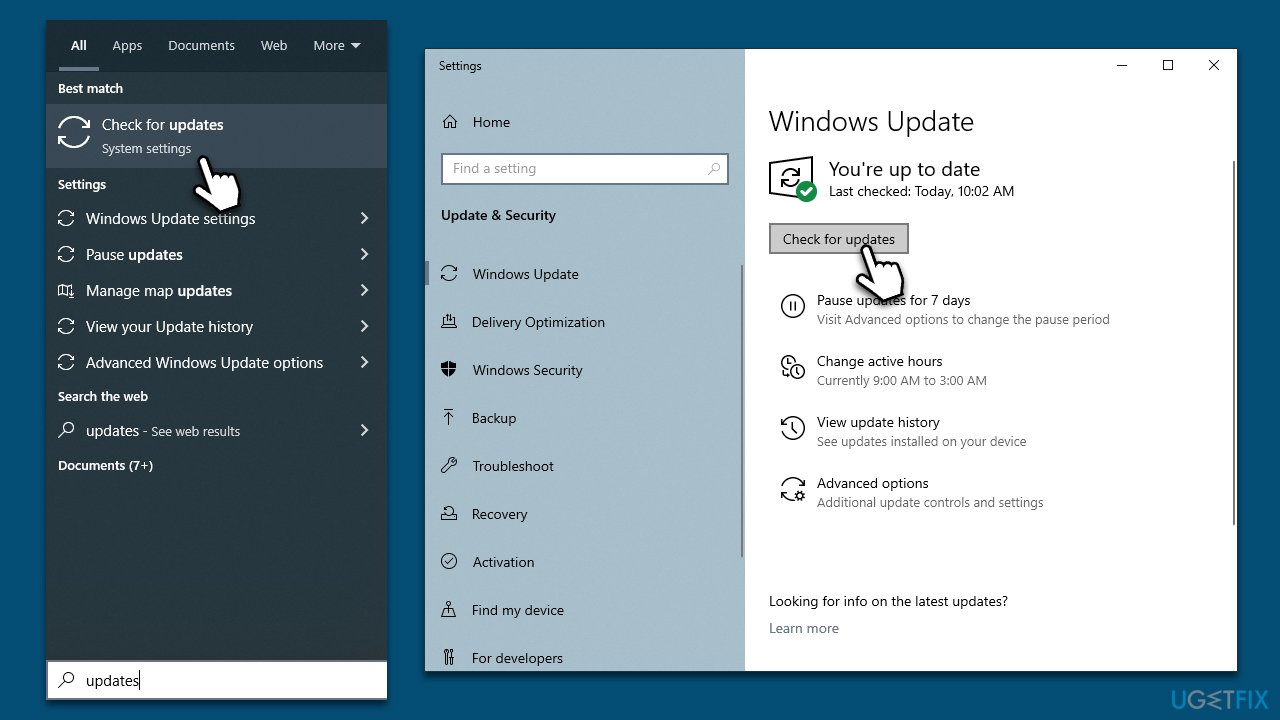
How to fix shell infrastructure host high cpu in windows install updates - Wait till Windows downloads all the necessary files (don't forget to install all the optional updates)
- Once done, restart your system.
Solution 2. Run SFC and DISM
System File Checker and DISM commands can help you find and repair corrupted system files and remove integrity violations automatically. For that, you need to run an elevated Command Prompt - here's how:
- In Windows search, type cmd
- Right-click on Command Prompt and select Run as administrator
- When User Account Control shows up, click Yes
- In the new window, use the following command and press Enter:
sfc /scannow - Wait till the scan is finished, and then run the following commands (press Enter after each):
DISM /Online /Cleanup-Image /CheckHealth
DISM /Online /Cleanup-Image /ScanHealth
DISM /Online /Cleanup-Image /RestoreHealth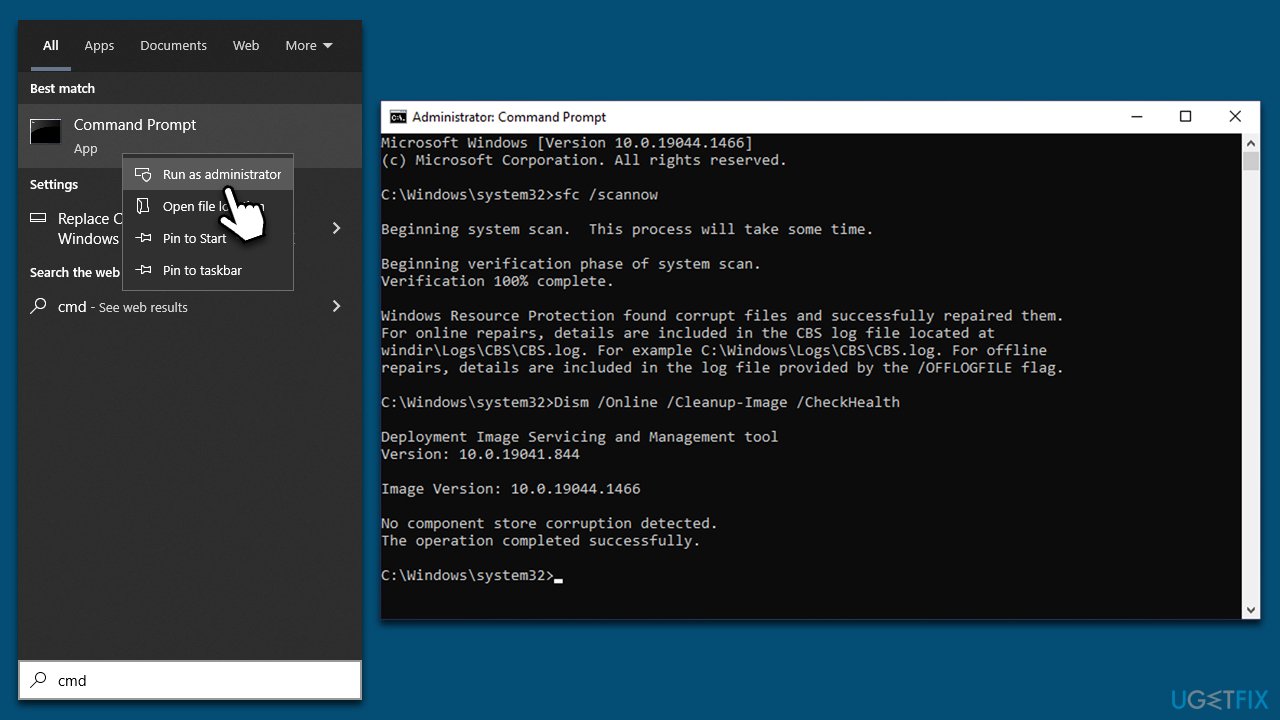
How to fix shell infrastructure host high cpu in windows run sfc dism - Once all the commands are completed, close down the Command Prompt and reboot your system.
Solution 3. Check for program conflict
You can launch the system in Clean Boot and see if Shell Infrastructure Host high CPU is gone. If that's the case, there's some third-party software causing the issue.
- Type msconfig in Windows search and press Enter
- Select Services tab
- Check the Hide all Microsoft services box and pick Disable all
- Go to the Startup tab and select Open Task Manager
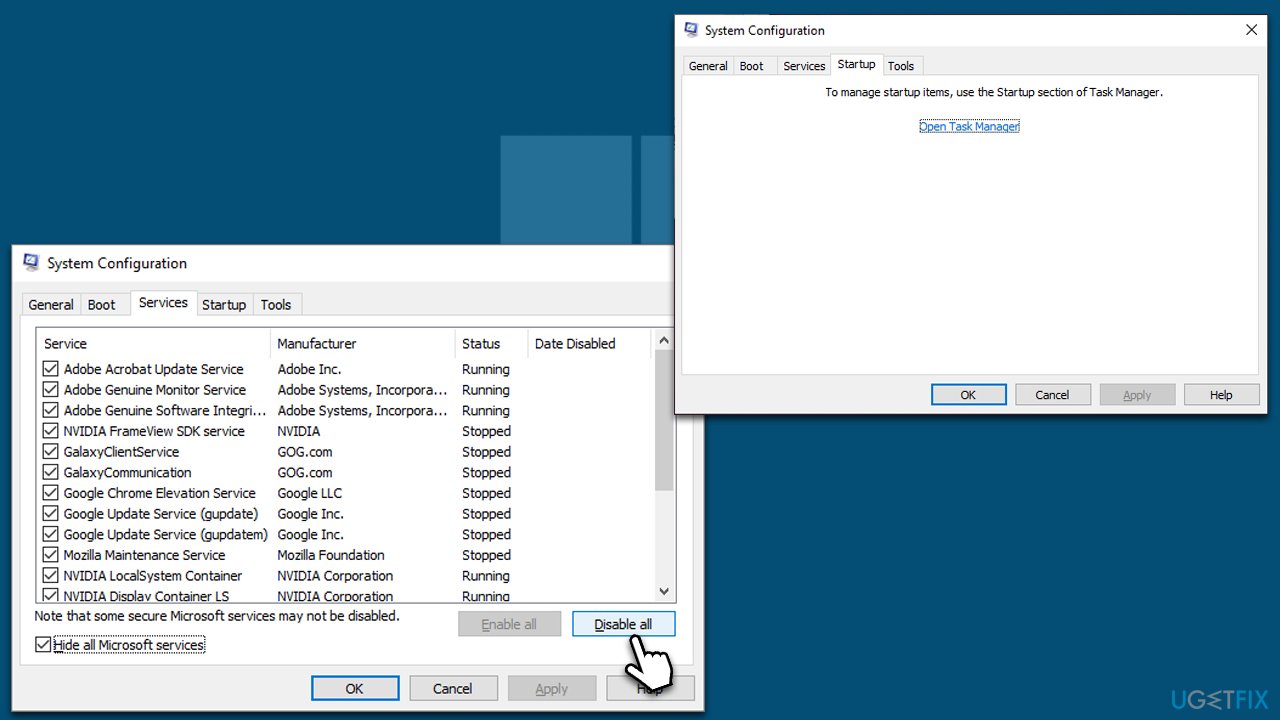
How to fix shell infrastructure host high cpu in windows try clean boot - In the Task Manager, right-click on every entry and select Disable, then close the Task Manager
- Go to the Boot tab, tick Safe Boot, then click Apply and OK.
Solution 4. Uninstall third-party security software
In some cases, overly aggressive antivirus applications can cause high resource usage of the PC - users have experienced the same issue with WaasMedic Agent Exe. In order to remove security applications properly, you should employ a special removal tool provided by its vendor - you can find all of them on this list.
Bottom line
To address the high CPU usage of Shell Infrastructure Host, you can install all Windows updates and run SFC and DISM commands. If these solutions do not resolve the issue, consider using a PC repair and maintenance tool to fix corrupted files and registries.
Frequently asked questions
High CPU usage by Shell Infrastructure Host can be caused by issues with visual effects, problematic updates, or corrupt system files. Identifying and addressing these underlying problems can help resolve the CPU spikes.
You can reduce CPU usage by disabling unnecessary visual effects in System Properties or ensuring that your Windows 10 is updated to the latest version. Additionally, running the System File Checker can help repair any corrupted files affecting performance.
Disabling Shell Infrastructure Host is not recommended as it may lead to system instability and loss of functionality related to user interface elements. Instead, focus on troubleshooting the underlying causes of the high CPU usage.




Report an issue
What's wrong with this guide? We review every report and update or remove content.
Report received — thank you. We'll review and fix it.
You need a free account to submit a report.
Be the first to comment