How to fix
Explorer.exe high CPU and memory usage
on Windows
Resolve Explorer.exe high CPU and memory usage issues on Windows 10 or 11 effortlessly. Get expert-tested solutions and fix it in minutes!


What causes How to fix Explorer.exe high CPU and memory usage?
- Corrupted system files
- Leftover files
- Registry issues
- Windows updates
- Third-party applications
Repairs Windows system files, removes malware, and restores a clean OS state — without reinstalling.
Hello. I have recently noticed that my Explorer.exe is using a lot of CPU and sometimes memory - it never used to be the case before. I did not install any new apps or anything like that. I think the only thing that changed that I remember was Windows updates were installed, but that's pretty much it. Any ideas on how to fix this?
If you open the Task Manager on a Windows computer, you will see several entries. Some of the processes running in the background are implemented by third-party applications or programs, while most of these are used by Windows in order to operate properly. Without many of these, the operating system could not perform regular tasks that many take for granted.
Explorer.exe is the name of the main file responsible for the Windows Explorer operations, which is otherwise known as File Explorer. It serves as the main UI[ref en-3] component which allows users to browse files, interact with the taskbar and other elements, etc. Without it, users would have to manually input commands via the Command Prompt or the Task Manager. In other words, disabling it would make the operation and hanging of any Windows OS a much worse experience.
At the same time, users can get very frustrated when they have to deal with Explorer.exe high CPU, memory,[ref en-1] or other resource usage. Excessive resource consumption of certain Windows system components is not something unheard of - we already talked about similar issues regarding IP Helper, WaasMedic Adent Exe, Searchindexer.exe, and many others.
Reasons for the high CPU and memory of a process could be plenty. For example, corrupted system files can cause major system components to not work properly, thus restoring them could resolve the issue. In order cases, leftover files or registries can also be the cause of the problem.

Below you will find several methods that should help you fix Explorer.exe high CPU and memory usage. If you would rather do many of the troubleshooting below automatically, we recommend running a scan with [d1] PC repair and maintenance utility, with which you could clean your system from damaged files, repair the registry,[ref en-2] and get rid of various junk files automatically.
Method 1. Perform Disk Cleanup
Old and temporary files might cause Windows Explorer high CPU usage. In order to address this, you can use the System Cleanup feature in Windows:
- Type Disk Cleanup in Windows search and press Enter
- Drive Selection window will show up - select the drive Windows is installed on (C: by default)
- Select the categories you would like to clean (make sure you tick all Temp files and caches)
- Click OK.
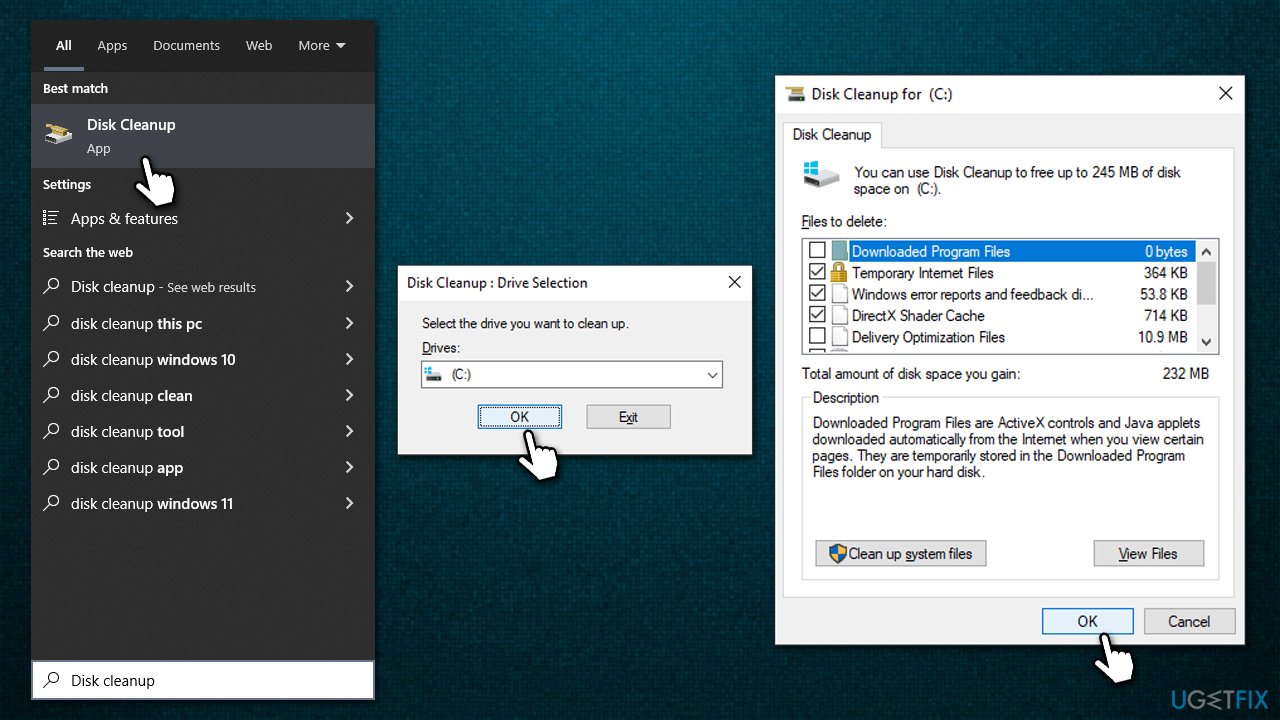
How to fix explorer exe high cpu and memory usage use disk cleanup
Method 2. Repair corrupted system files
System file checker and Deployment Image Servicing and Management (DISM) can help you resolve most of the issues related to corrupted system files.
- Type cmd in Windows search, right-click on Command Prompt, and select Run as administrator
- When User Account Control shows up, click Yes
- Use the following command and press Enter:
sfc /scannow - Once the scan is complete, you should also run the following commands to repair Windows image files (don't forget to press Enter after each):
DISM /Online /Cleanup-Image /CheckHealth
DISM /Online /Cleanup-Image /ScanHealth
DISM /Online /Cleanup-Image /RestoreHealth - Restart your system.
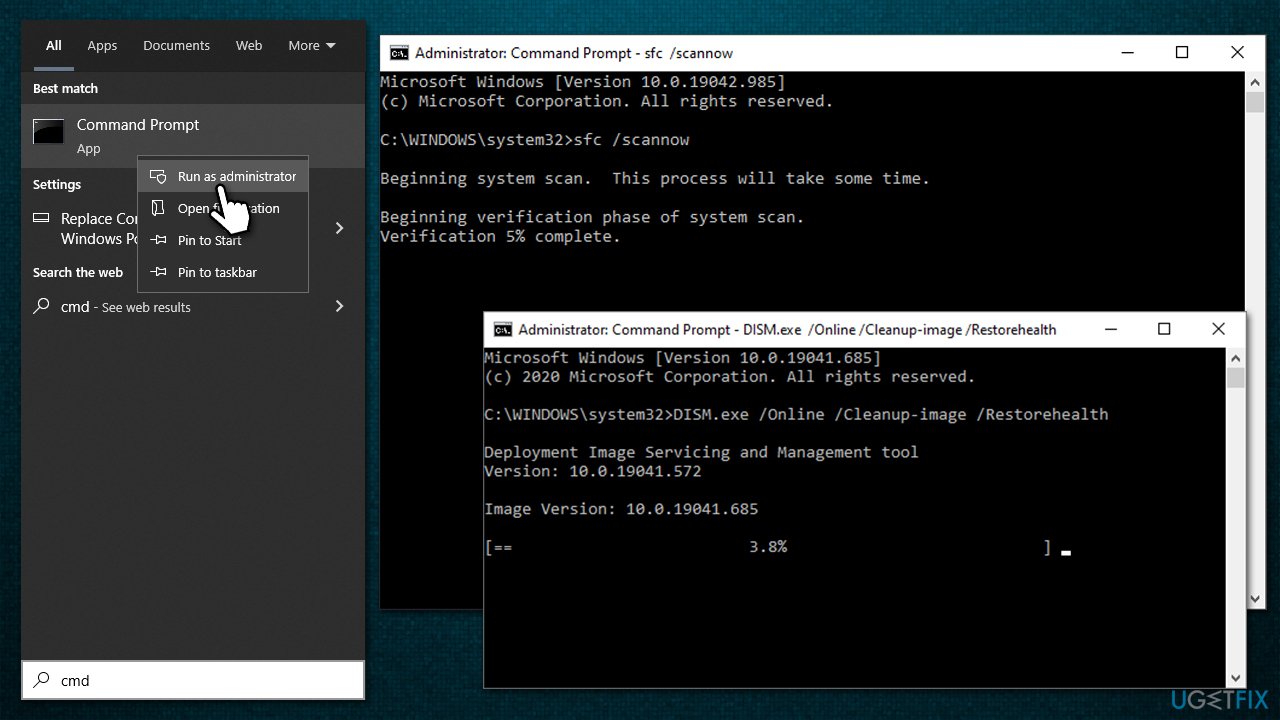
How to fix explorer exe high cpu and memory usage run sfc dism
Method 3. Perform CHKDSK check
A corrupted disk can be the cause of all sorts of problems. A CHKDSK command can check for both physical and disk errors that could prevent Windows from locating files on the drive.
- Open Command Prompt as administrator as explained above
- In the new window, type in the following command and press Enter after:
chkdsk c: /f
(Note: use chkdsk c: /f /r /x command if you are using SSD as your primary partition) - If you receive an error, type in Y, press Enter, close down Command Prompt, and restart your computer
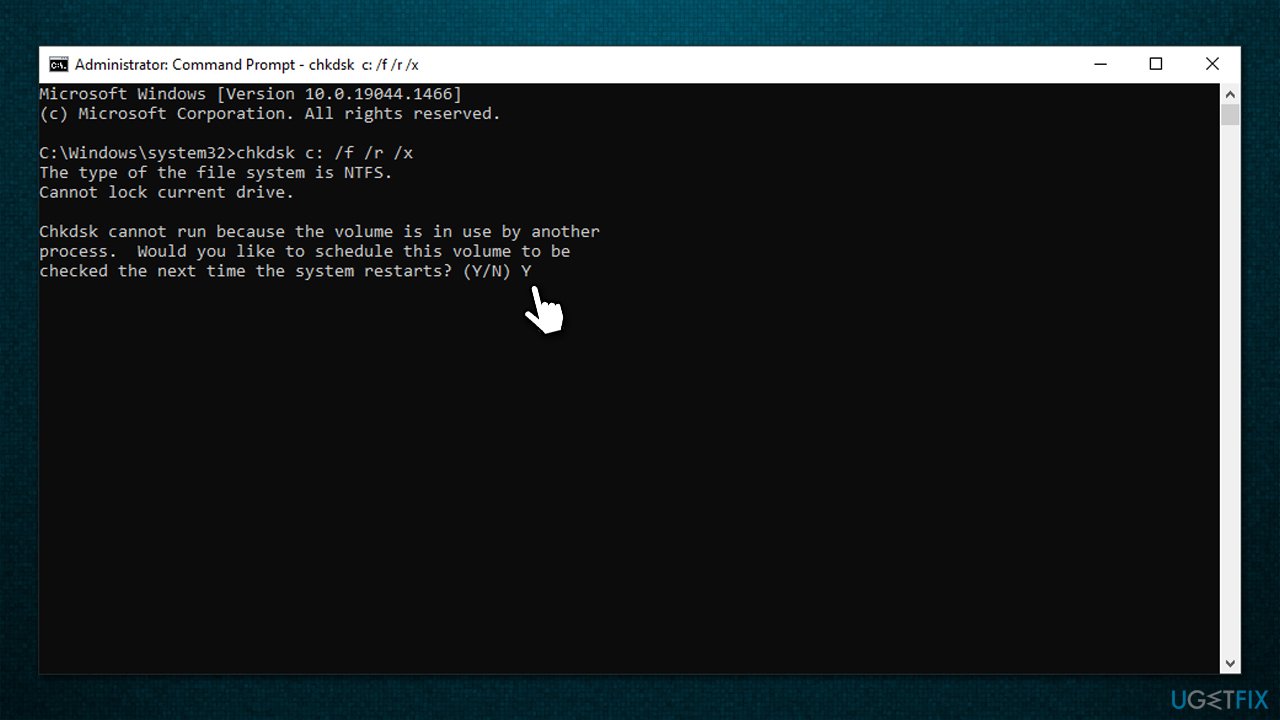
How to fix explorer exe high cpu and memory usage run check disk - Wait till the scan is complete - the results will be displayed after the PC starts up.
Method 4. Uninstall the corrupted update
Windows updates are known for causing unstable CPU or memory usage of various system processes. If the issue started occurring after an installation of a Windows update, you should uninstall it as follows:
- Type Control Panel in Windows search and hit Enter
- Go to Programs > Uninstall a program
- Select View installed updates
- From the list, uninstall the most recent Windows update (right-click > Uninstall)
- Restart your PC and see if the problem persists.
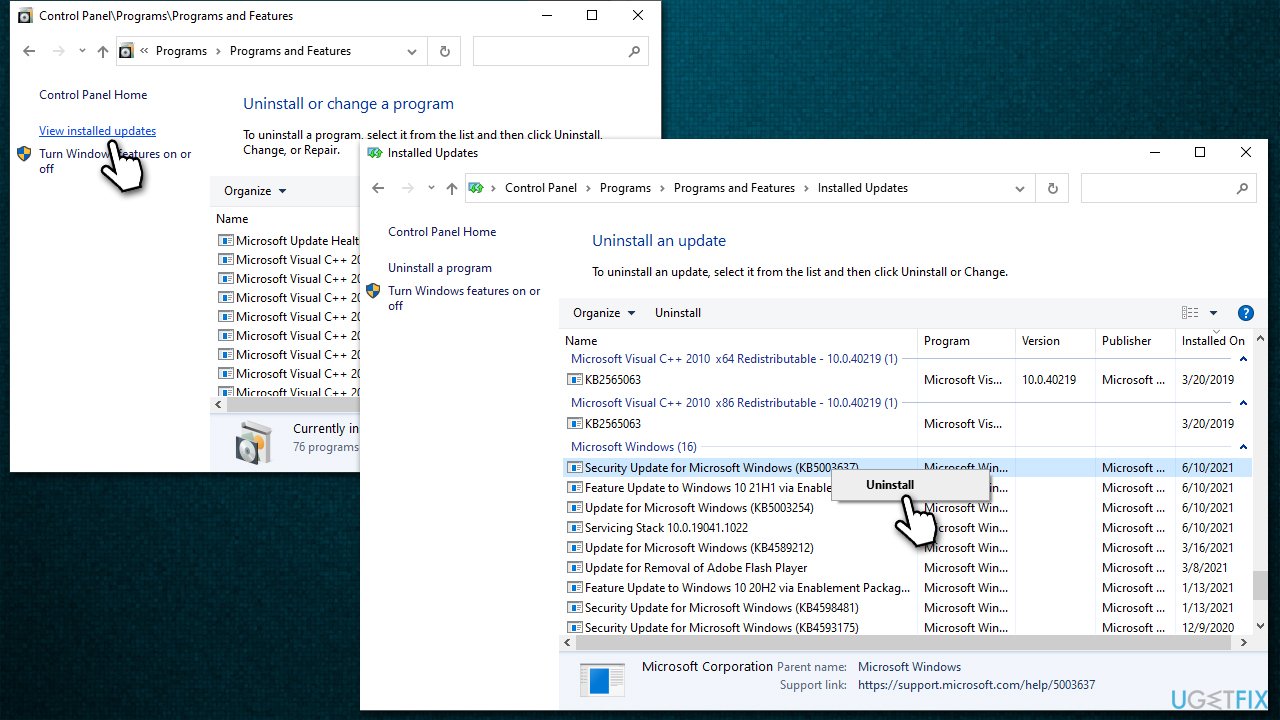
How to fix explorer exe high cpu and memory usage uninstall updates
Note that Windows might force the update after the restart once more. If that happens and the issue is not resolved, uninstall the update again and pause updates for 7 days (you can find the option at the same sport you check for new updates Settings > Update & Security section
On the other hand, if you haven't installed a Windows update recently and are facing this issue, you should make sure that your system is up to date.
Method 5. Find and remove blank-icon files from desktop
According to some people reports, the issue was caused by a corrupted file that was residing on the desktop. Simply check if there are some leftover shortcuts or files that do not look right or have a blank icon, and remove them by pressing the Shift + Del combination on your keyboard.
Method 6. Perform repair install
If none of the methods above helped you, you can reinstall Windows using Media Creation Tool. Make sure you backup your personal files before you proceed.
- Visit the official Microsoft website and download Windows 10 installation media (Windows 11 version)
- Double-click the installer and select Yes when UAC shows up
- Agree to terms
- Pick Create installation media (USB flash drive, DVD or ISO file) for another PC option and click Next
- Select the Use Recommended options for this PC checkbox and click Next
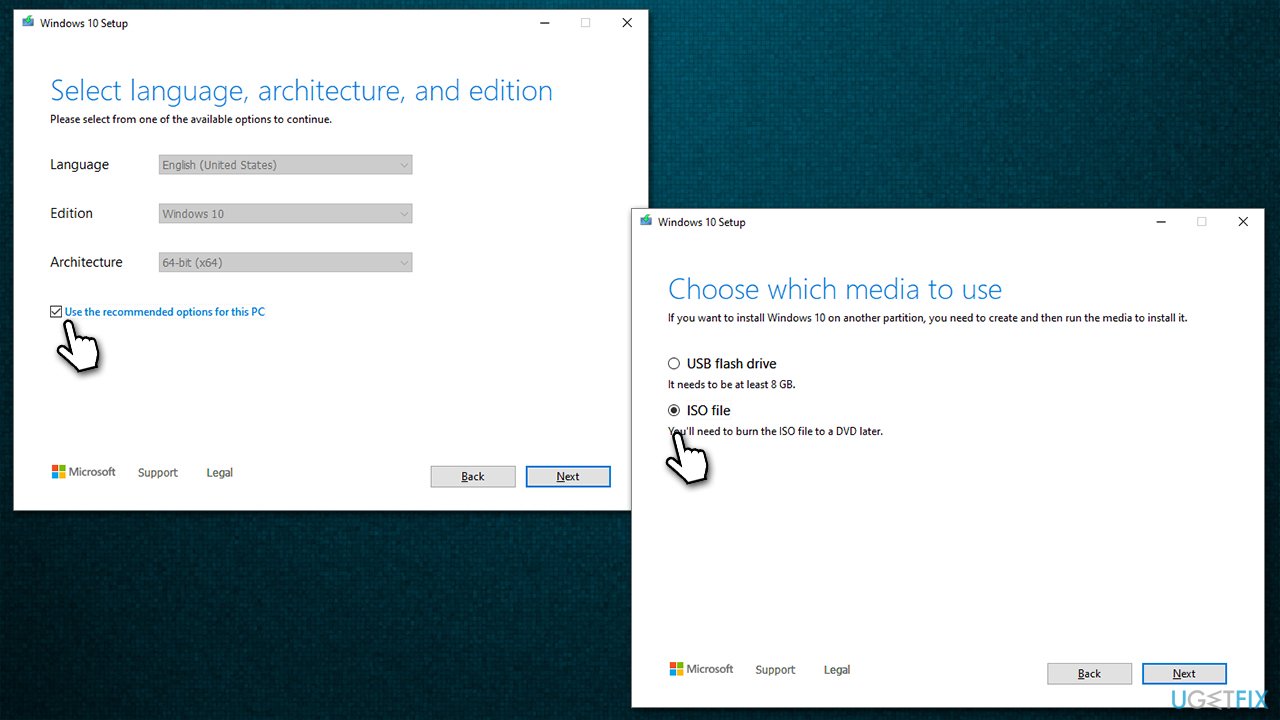
How to fix explorer exe high cpu and memory usage use media creation tool - Choose ISO file and click Next
- After downloading the ISO file, right-click it and then select Mount, and double-click the Setup.exe
- Accept the license once again
- Pick Keep my personal files and click Install.
Bottom line
To fix Explorer.exe high CPU and memory usage, you can restore corrupted system files, clean up leftover files, and check for registry issues. Additionally, consider running a scan with a PC repair and maintenance utility. If none of these methods work, further investigation may be needed.
Frequently asked questions
Common causes include corrupted system files, outdated drivers, or problematic third-party applications that interfere with file explorer operations.
You can restart Explorer.exe by opening Task Manager, finding Windows Explorer in the Processes tab, right-clicking it, and selecting 'Restart'.
Yes, you can prevent excessive resource usage by disabling unnecessary startup programs and ensuring that Windows is updated to the latest version.




Report an issue
What's wrong with this guide? We review every report and update or remove content.
Report received — thank you. We'll review and fix it.
You need a free account to submit a report.
Be the first to comment