How to fix
WiFi adapter not working
on Windows
Resolve WiFi adapter issues on Windows 10 and 11 effortlessly. Get expert-tested solutions to restore your connection quickly and efficiently. Fixed in …

What causes How to fix WiFi adapter not working in Windows?
- Windows does not recognize the WiFi adapter
- WiFi adapter missing from Device Manager
- Inconsistent device functionality
- Random disconnections of the adapter
- Pre-built computers may lack integrated WiFi
Repairs Windows system files, removes malware, and restores a clean OS state — without reinstalling.
Hi, I can't use the internet on my desktop PC because it seems like Windows does not recognize the WiFi adapter at all. I checked the Device manager, and it is missing from there too. I got myself a new adapter, and it did work for like a week, and then the same problem came up again. I am not sure what to do next - I'd appreciate any tips.
Any home user nowadays would probably not imagine a laptop or a desktop computer without an internet connection. There are two ways that the machine can be connected to it - it either needs the plug-in Ethernet cable connected to the router or modem[ref en-1] or a remote connection that can be possible via WiFi technology.
For WiFi to work, a computer needs to be equipped with an adapter. Laptops are more likely to have it integrated when already bought from the shop, as they are, in fact, mostly used off the cable, which is what makes them so convenient. On the other hand, not all pre-built computers have it, so if you want WiFi working on it, you need to buy a network adapter and install it.
Unfortunately, some users have reported that the WiFi adapter is not working on Windows. This can be a huge problem for those who do not have access to the Ethernet cable, as they are not able to use the internet without it.
There are carrying circumstances under which the WiFi adapter stops working. For example, some users claimed that after buying an adapted, the computer does not seem to respond to its presence at all. In this case, the affected users would most likely not see the adapter in the Device Manager and the "No connections available" message in the taskbar.
Others said that the device's functionality is inconsistent, and it keeps disconnecting at random times. Regardless of which scenario you are dealing with, finding ways to fix the WiFi adapter not working is extremely important. To find out how, we shall look at the reasons for these issues, which may include:
- Faulty/buggy Windows updates
- Corrupted drivers
- Misconfigured WiFi settings
- Broken adapter.
We provide many troubleshooting steps below to get to the root cause of the problem and fix it so that the internet is accessible remotely. Before proceeding with these solutions, we recommend running a scan with the [d1] repair tool, which can quickly and easily determine which Windows components are broken and fix them automatically.
Fix 1. Run the troubleshooter
We recommend starting with running a Troubleshooter.
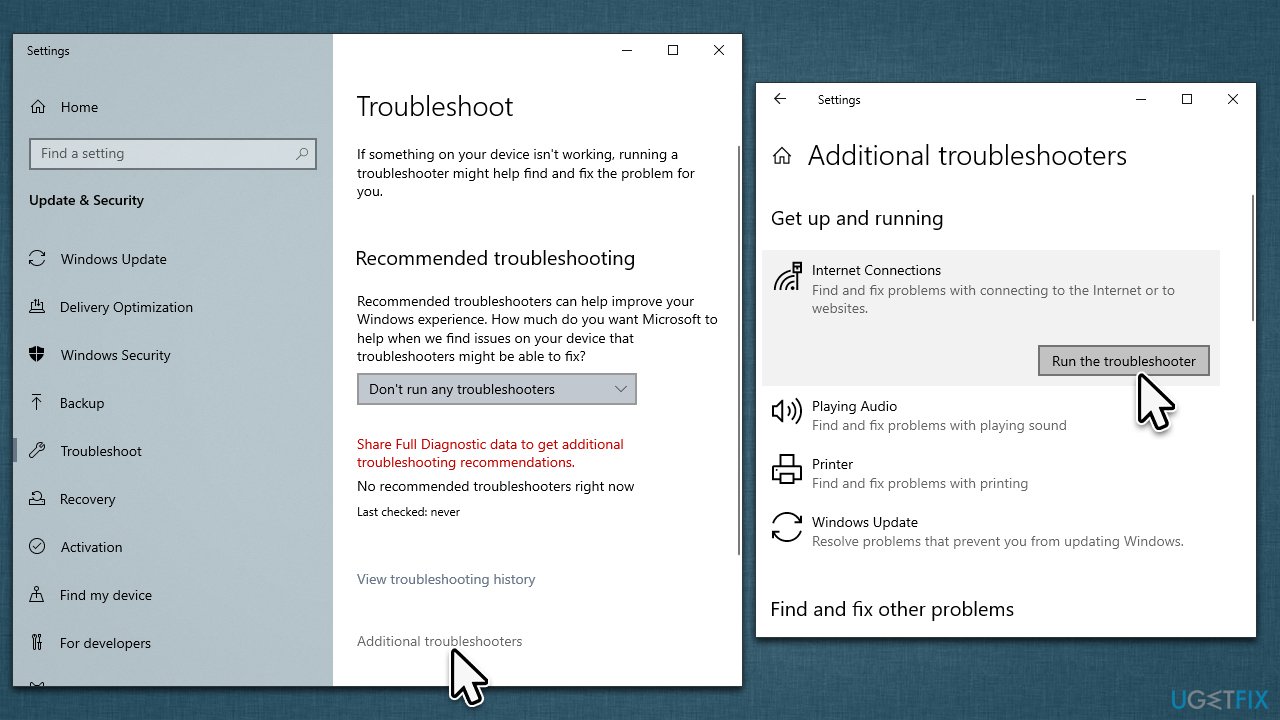
- Type Troubleshoot in Windows search and press Enter
- Select Additional troubleshooters (or Other trouble-shooters in Windows 11)
- Find the Internet connections section and click Run the troubleshooter
- Wait until the scan finishes, apply the suggested fixes, and restart your computer.
Fix 2. Check Power Management settings
This solution is for those who find WiFi disconnecting occasionally or frequently.
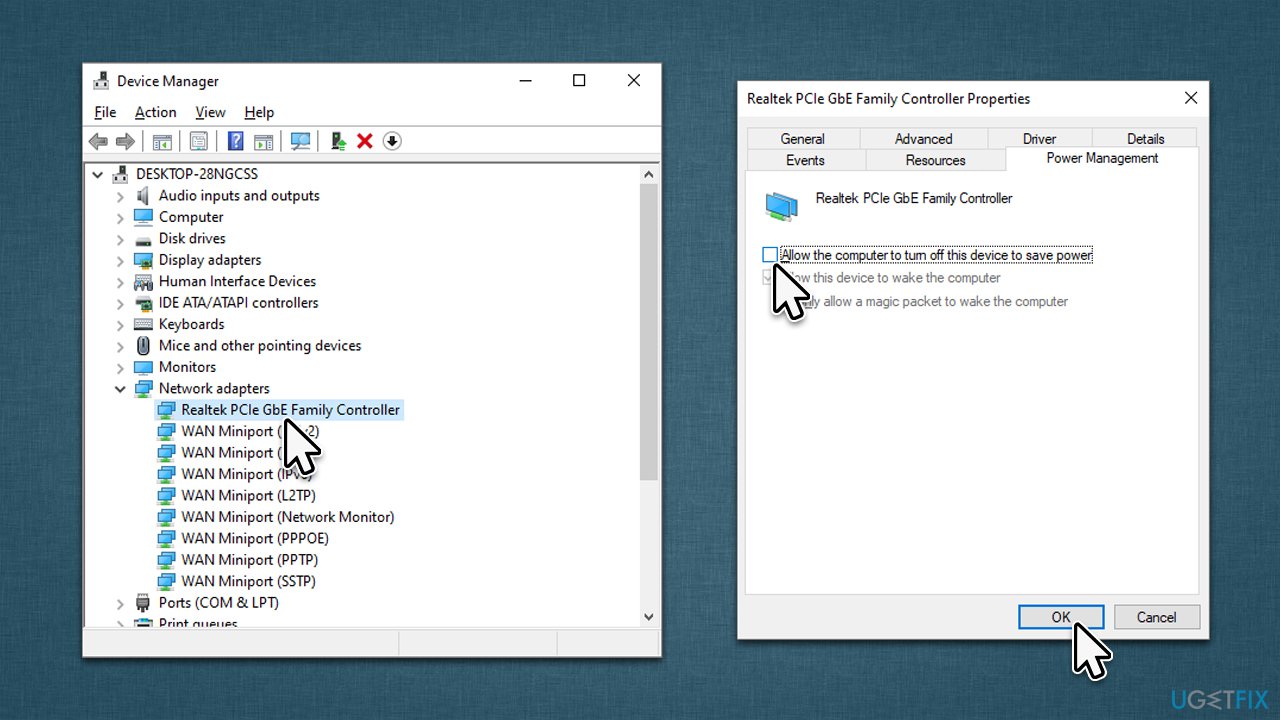
- Type Device Manager in Windows search and press Enter
- Expand the Network Adapters section
- Double-click your WiFi adapter to open Properties
- Go to the Power Management tab
- Untick the Allow the computer to turn off this device to save power option
- Click OK.
Fix 3. Uninstall recent Windows updates [workaround]
Some people claimed that the problems with the WiFi adapter started as soon as the recent Windows updates were installed. If that's the case, you can uninstall the latest update and wait till Microsoft resolves the problem.
- Type Control Panel in Windows search and press Enter
- Select Programs > Uninstall a program
- Pick View installed updates
- Locate the latest update (sort it by the Installed On column), right-click and select Uninstall
- Follow the on-screen instructions.
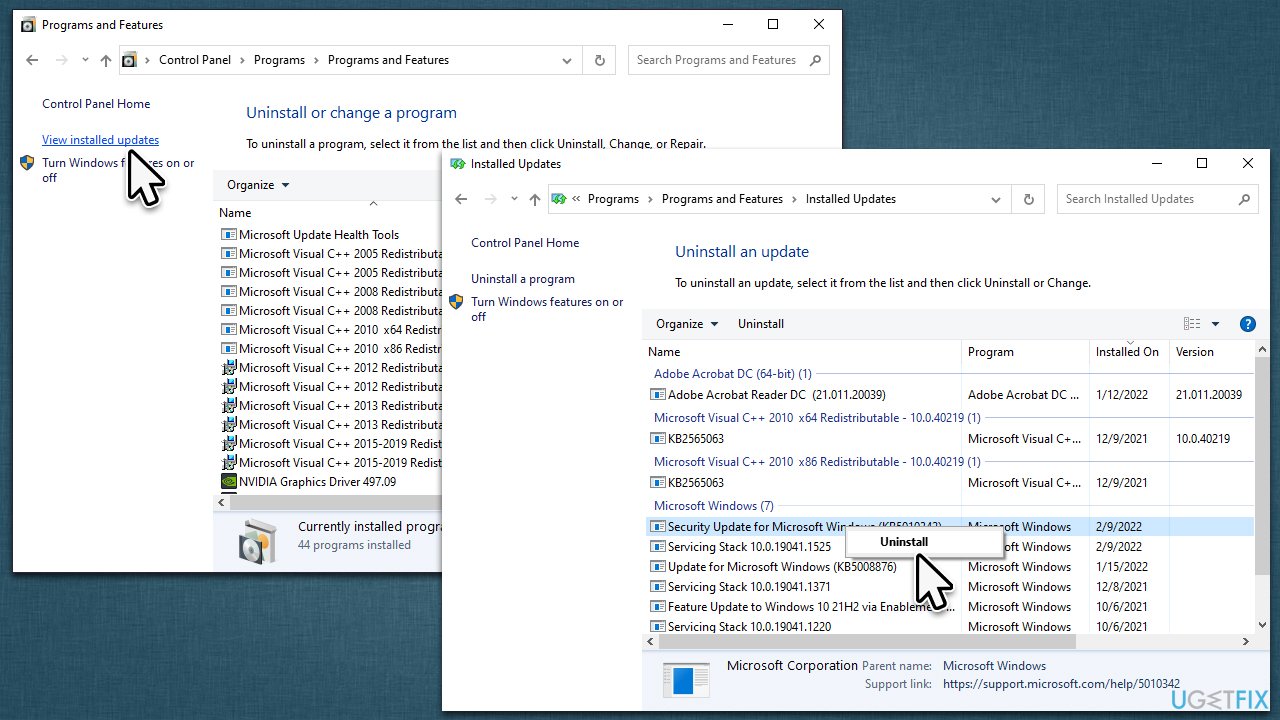
To pause the updates from being applied, use the following guidelines:
- Go to Settings > Update & Security > Windows Update
- Click Pause updates for 7 days (in Windows 11, this option is under More options).
Fix 4. Update your drivers
For this solution, you need a working internet connection - connecting an Ethernet cable is the only option in this case. Alternatively, you could download the driver[ref en-2] on another device with a working internet connection and then transfer the driver over.
There are a few different ways you can do this. First of all, you can try running the Windows update feature:
- Type Update in Windows search and hit Enter
- Click Check for updates
- Click View optional updates
- Find the Driver Updates section, tick the checkboxes, and click Download and Install
- Restart your computer.
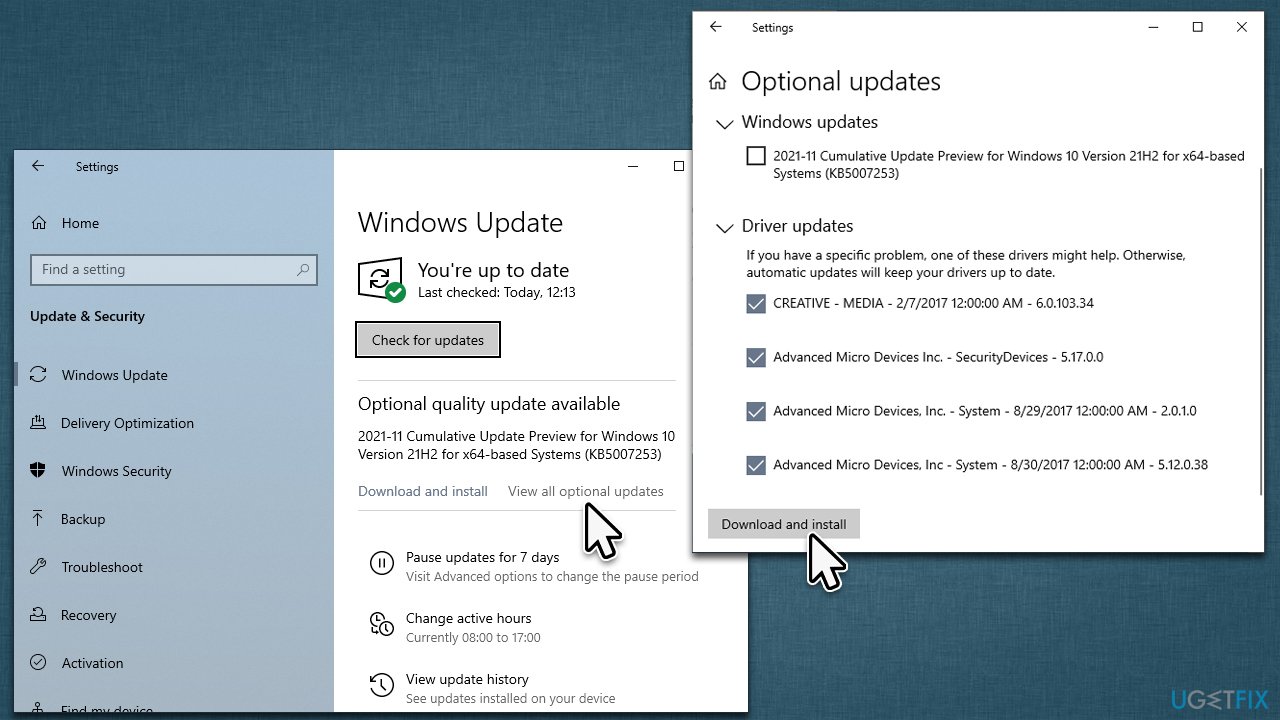
If you want an easy and quick solution, you can instead employ an automatic driver updater [rev id="DriverFix"] (although you do need an internet connection for it to work). Finally, you can download the latest driver version from the manufacturer's website - you need to know which adapter you are using, though.
If the WiFi adapter is not showing up in the Device Manager at all, installing the driver for your adapter should help.
Fix 5. Reinstall drivers
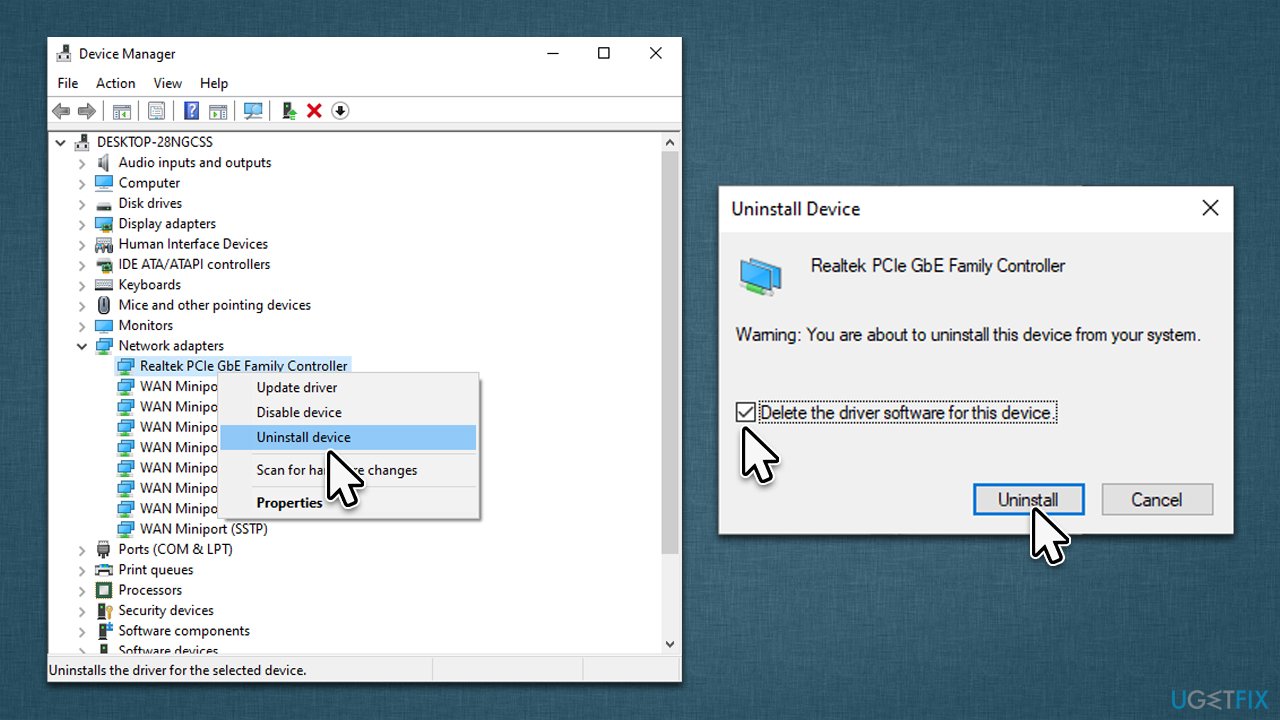
Another solution would be to reinstall your network adapter altogether. For that, follow these steps:
- Right-click on Start and pick Device Manager
- Expand Network adapters
- Right-click on the network adapter you are using and select Uninstall device
- Mark the Delete the driver software for this device option
- Click Uninstall once again and follow the on-screen instructions
- Restart your system and then use one of the methods above to install the newest driver on your system.
Fix 6. Delete the DNI_DNE Registry
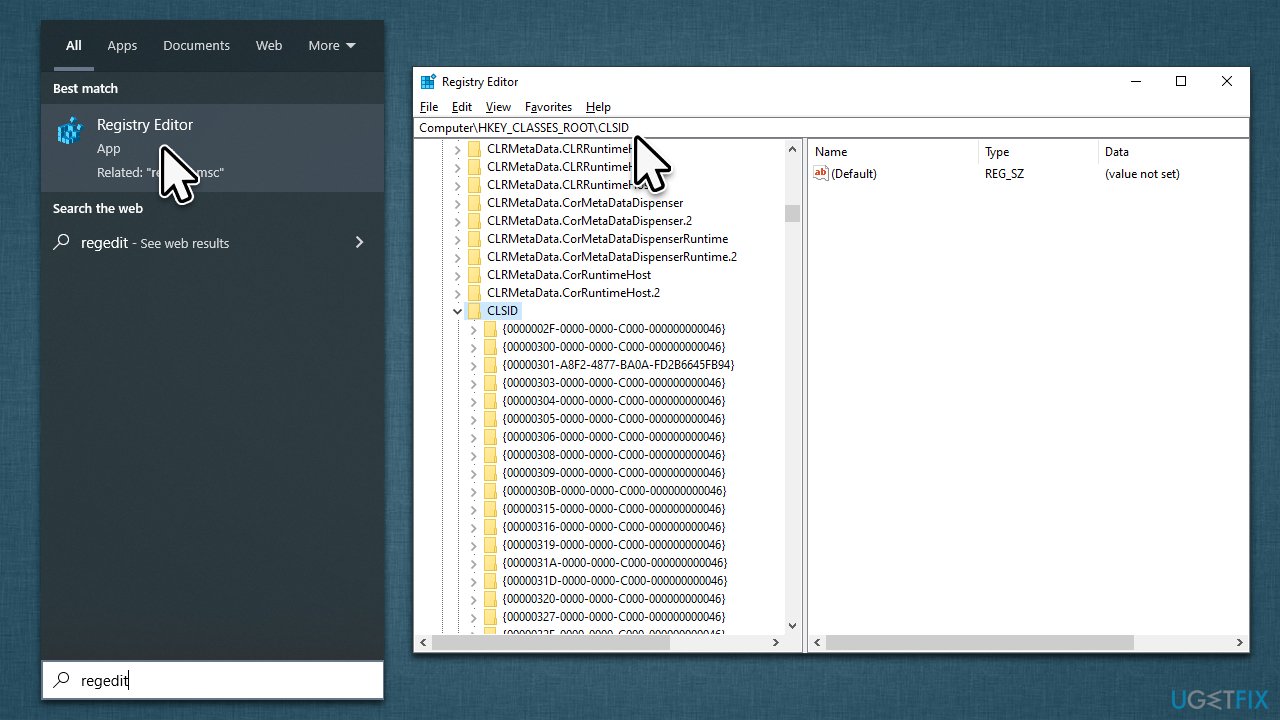
- Type regedit in Windows search and press Enter
- When User Account Control shows up, click Yes
- Go to the following location: HKEY_CLASSES_ROOT\CLSID
- Next, you need to find the 988248f3-a1ad-49bf-9170-676cbbc36ba3 name from the long list under CLSID (Note: if you can't find it, move on to the next step)
- Once found, delete the DNI_DNE key on the right.
Fix 7. Restart or reset your router/modem
Sometimes, the reason for the WiFi adapter not working is due to it not receiving any connection from the modem or router. Therefore, we recommend you restart the device. For that, you can power it down, wait for around 60 seconds and turn it back on. You can also try resetting your router - there should be a special button for it on the device. Keep in mind that this will set all the settings to default, so you'll have to redo them if you had something changed from before.
Fix 8. Other things to try
- Make sure your WiFi function is turned on via the taskbar.
- Make sure your device is not using Airplane mode.
- If you are using a laptop, ensure that the physical WiFi switch is turned on.
- Scan your system for malware to ensure it's not infected.
- Uninstall or temporarily disable third-party antivirus, VPN, Firewall,[ref en-3] or other software that could interfere with your network connection.
- If your router has the capability to connect to both a 2.4 GHz network and a 5 GHz network, try connecting to the latter. Many consumer Wi-Fi routers broadcast at these two different frequency bands, so this may be the reason why you're experiencing connection issues.
- Try reinstalling Windows.
Related articles:
Bottom line
To fix the WiFi adapter not working in Windows, users can check the Device Manager for the adapter's presence, ensure the adapter is properly installed, and troubleshoot any disconnections. If these steps do not resolve the issue, consider seeking additional technical support or replacing the adapter.
Frequently asked questions
First, try restarting your computer and checking the Device Manager for any hidden devices. If the adapter is still missing, consider updating your network drivers or running the Network Troubleshooter.
You can reset your WiFi adapter by going to Settings > Network & Internet > Status, then clicking on 'Network reset.' This will reinstall your network adapters and reset networking components.
This issue could be due to outdated drivers, power management settings, or network configuration problems. Ensure your drivers are up-to-date and check the power management settings to prevent your adapter from turning off.




Report an issue
What's wrong with this guide? We review every report and update or remove content.
Report received — thank you. We'll review and fix it.
You need a free account to submit a report.
Be the first to comment