
How to fix Windows update error 0x80070012?
Prefer to fix it yourself? The manual steps follow.
6 methods in this guide
Hello. When I attempt to update Windows, I get the 0x80070012 error with a message "The website has encountered a problem and cannot display the page you are trying to view." Any ideas what could be causing this?
Windows is one of the most widely used operating systems around the world. It is praised for its user-friendly interface, customization abilities, and easy troubleshooting options. Microsoft releases updates quite often. They are necessary to keep the system running smoothly and securely. Unfortunately, sometimes users do not avoid various bigs and errors.
At times users can encounter Windows Update error 0x80070012 while trying to update Windows 10. It is caused by a misconfigured system and appears when trying to update the OS itself, or an application. Besides that, in some cases, users experience freezes, system lags, and automatic shutdown. The error can also be caused by an incomplete installation of software or drivers. The full message that users receive states:
There were problems installing some updates, but we'll try again later. If you keep seeing this and want to search the web or contact support for information, this may help:
Windows errors can be very frustrating because they do not provide any solutions. Users are often left stranded looking for answers themselves. To resolve the 0x80070012 error, you will have to perform various troubleshooting steps yourself, but do not worry, we provide detailed instructions below.
Most often, error 0x80070012 indicates that Windows is missing some files required by Windows Update to perform the update. When an error code such as this appears, Windows cannot finish updating the operating system. Other common reasons may include incorrect user input and accidentally deleted files from the registry that now cause system malfunctions.
The repair tool can identify the damaged system components, fix BSODs, and registry issues by scanning the system. This software could also be used to free up space by clearing cookies and cache,, which should boost the device's performance.
Below you will find a few manual methods that could fix the Windows update error 0x80070012 and let you update your system. Note that this will take a while, so please follow all of the steps very carefully:
Solution 1. Run Windows Update Troubleshooter
One of the first things you should do is use the built-in Windows Update Troubleshooter to see if it can take care of the problem for you:
- Select Start and go to Settings
- Choose Update & Security
- Click Troubleshoot and Additional troubleshooter
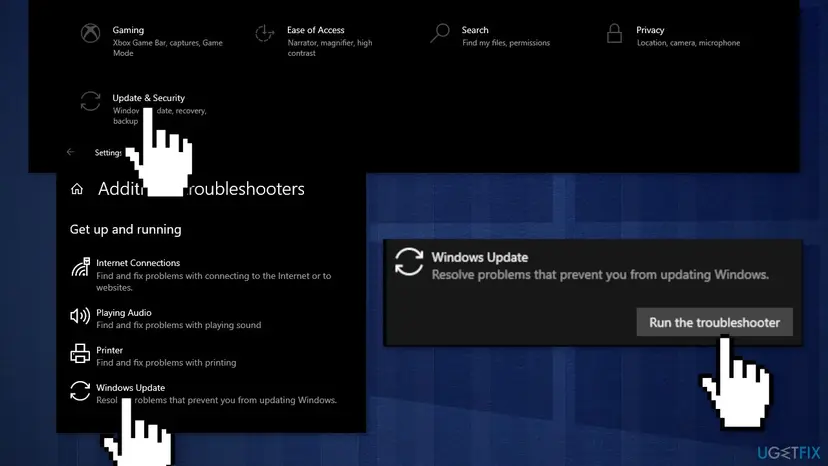
- Select Windows Update and Run the troubleshooter
- Restart
Solution 2. Repair Corrupted System Files
Use Command Prompt commands to repair system file corruption:
- Open Command Prompt as administrator
- Use the following command and press Enter:
sfc /scannow
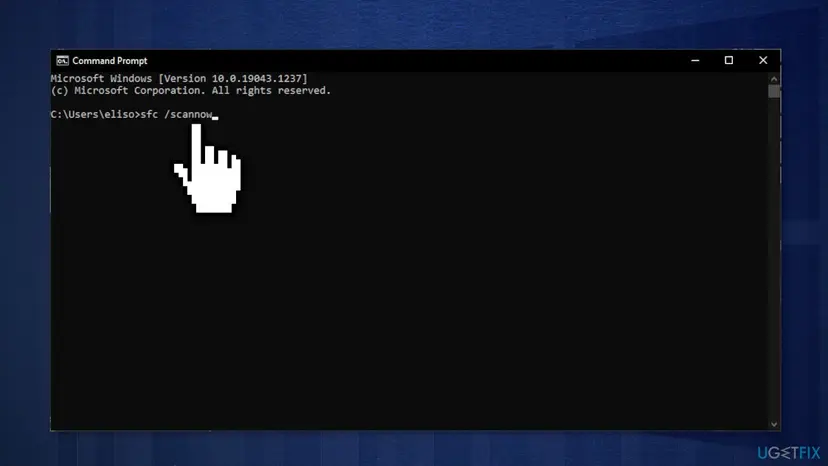
- Reboot your system
- If SFC returned an error, then use the following command lines, pressing Enter after each:
DISM /Online /Cleanup-Image /CheckHealth
DISM /Online /Cleanup-Image /ScanHealth
DISM /Online /Cleanup-Image /RestoreHealth
Solution 3. Check Disk
Ensure that your disk is not damaged. You can perform checks using Administrative Command Prompt:
- Type cmd in Windows search
- Right-click on Command Prompt and select Run as administrator
- If User Account Control shows up, click Yes
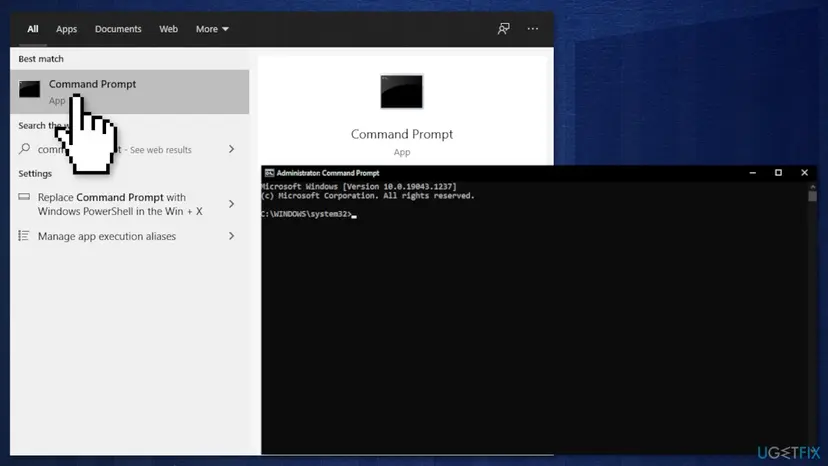
- If you are using an HDD as your main driver (where your operating system is installed - C: by default), use the following command and press Enter:
chkdsk c: /f - If you are using SSD, use this command:
chkdsk c: /f /r /x - If you receive an error, type in Y and hit Enter
- Restart your device to perform the check
Solution 4. Reset Windows Update Components
- Open Command Prompt as administrator again
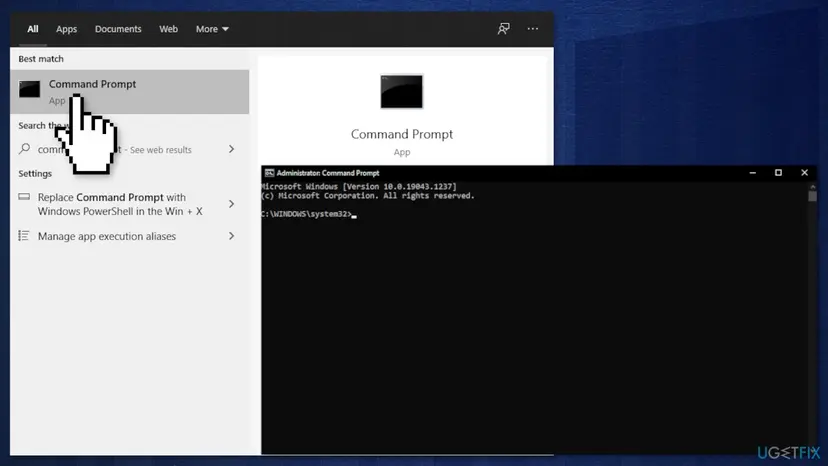
- Copy and paste the following commands, pressing Enter after each:
net stop bits
net stop wuauserv
net stop appidsvc
net stop cryptsvc
Del “%ALLUSERSPROFILE%\\Application Data\\Microsoft\\Network\\Downloader\\*.*”
rmdir %systemroot%\\SoftwareDistribution /S /Q
rmdir %systemroot%\\system32\\catroot2 /S /Q
regsvr32.exe /s atl.dll
regsvr32.exe /s urlmon.dll
regsvr32.exe /s mshtml.dll
netsh winsock reset
netsh winsock reset proxy
net start bits
net start wuauserv
net start appidsvc
net start cryptsvc - Restart your PC.
Solution 5. Use System Restore
If this error started to occur after a Windows Update installation, you can revert your system to a healthy point before the botched installation occurred. To do this, you can use the System Restore tool:
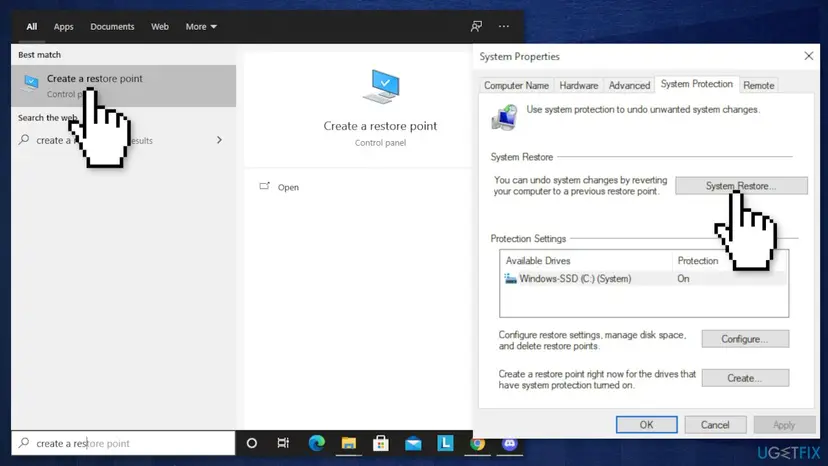
- Go to the search field in your taskbar and type system restore, and press on Create a restore point
- You will be taken to the System Properties window and the System Protection tab
- Click on System Restore...
- Restore system files and settings will pop up, click on Next
- Choose a restore point
- Click on Scan for affected programs (this will give you a list of which programs will be deleted and which might be automatically restored)
- Close the windows and then click on Next
- The final confirmation window will show the restore point you chose, click on Finish to begin the process
Solution 6. Perform a Repair Install
- Download the Windows 10 ISO file
- Now mount the ISO file
- Double-click on the file setup.exe to start the repair, install from the mounted drive
- When the installation provides the License Terms, read them and click Accept
- Windows 10 will now check for updates and will install the ones available
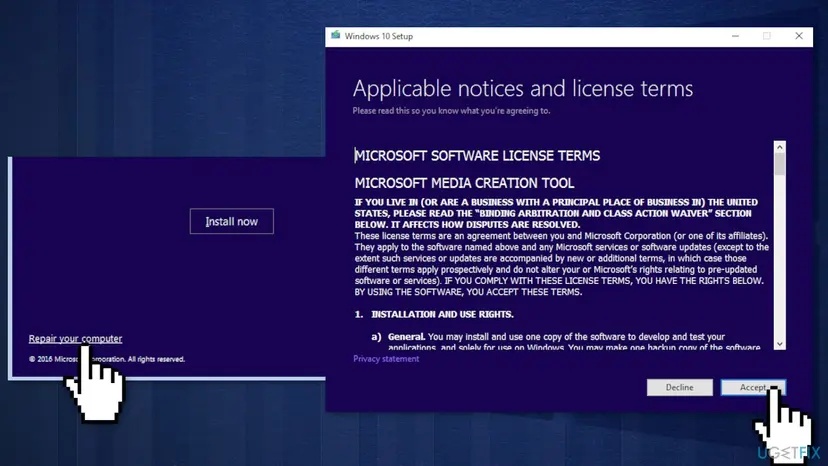
- When all is set, click Install
- When the installation is complete, follow the on-screen instructions
You might also be interested in these topics:
Did this fix work?
One click, no account. It tells the next reader which guides are worth their time.
Questions and experiences: fix Windows update error 0x80070012
Still broken, or found a fix we did not cover? Ask here: members and our editors answer. Reading is open; writing needs a free account.
…