How to fix
Easily update all drivers, and why is it needed
on Windows
Discover the simple way to update all drivers on Windows 10 and Windows 11, enhancing performance and fixing errors. Expert-tested for smooth operation.

What causes How to easily update all drivers, and why is it needed?
- Blue Screen crashes
- Errors due to driver issues
- Outdated drivers causing underperformance
- Incompatibility with certain system configurations
- Major software conflicts
Repairs Windows system files, removes malware, and restores a clean OS state — without reinstalling.
I have been having many problems with my PC recently, including Blue Screen crashes and errors. How do I update all my drivers to make sure that they are all up to date? Tips would be appreciated.
What is a driver?
Windows is a complicated yet very diverse operating system that, since its release, has become the most popular one. In order for it to work on the fundamental level, it requires two primary components - hardware and software. Drivers are the essential software that is required for the hardware components (graphics card, network adapter,[ref en-1] processor, etc.) and peripherals (mouse, keyboard, printer, etc.) to communicate with the system correctly.
In essence, a driver serves as an interface for hardware, which allows the operating system and the installed programs to access it as required. A program can initiate a call request through the computer bus; a driver then sends this signal to the hardware component to fulfill the original input.
This is why, if something goes wrong, hardware can't be accessed by the operating system correctly, which leads to errors and crashes. Driver issues are one of the main reasons for a system to mess up, and it is one of the more widespread problems out there.
Ensuring that the correct drivers are installed that are up to date is one of the first things you should look at when having problems with certain Windows elements. For example, if your system is constantly crashing while playing high-end games such as Cyberpunk 2077, Resident Evil, or Outriders, it is likely to be a GPU driver issue.
Besides major system issues, drivers might get outdated, and the system might start underperforming (e.g., slower overall). In some rare cases, a driver might not be compatible with certain system configurations, which might result in major software conflicts and further issues.
All in all, having compatible and most recent drivers is something every Windows user should aim for, and we will explain how to do that in the next few paragraphs. Before you proceed, we would like to recommend you run a scan with [d1] if you are having problems with a Windows PC you can't find the reason for, for example, Blue Screen of Death[ref en-2] crashes can be caused by failing hardware, malware[ref en-3] infections, system file corruption, and many other reasons.
How to update drivers on Windows 10?
There are millions of different combinations when it comes to hardware components that allow the machine to work. For example, one can have an Nvidia GPU installed, all while running an AMD processor. For each of these components, a specific driver is required - it also needs to be compatible with the operating system type.
Windows allows users to update or install new drivers in several ways - using the dedicated Device Manager is one of the examples. Some drivers are incorporated with cumulative Windows updates or are installed via the built-in driver library automatically. Nonetheless, there are plenty of instances when drivers need to be installed by the user - be it because a hardware component is not being recognized or if the device functions are impaired after an upgrade.
In such situations, you should employ one of the methods to easily update all drivers on Windows. Keep in mind that some of the options will work better than the others depending on a particular hardware component or circumstances why the driver needs to be updated.
Option 1. Use the Device manager
Device Manager is a useful Windows component that allows you to control hardware installed on the machine. For example, a device can be disabled or uninstalled; driver updating is also available here. This is how you can employ the Device Manager to install the latest drivers for your hardware components:
- Right-click on Start and pick Device Manager
- Expand one of the sections, for example, Network adapters
- Right-click on your network adapter and select Update driver
- Pick Search automatically for drivers
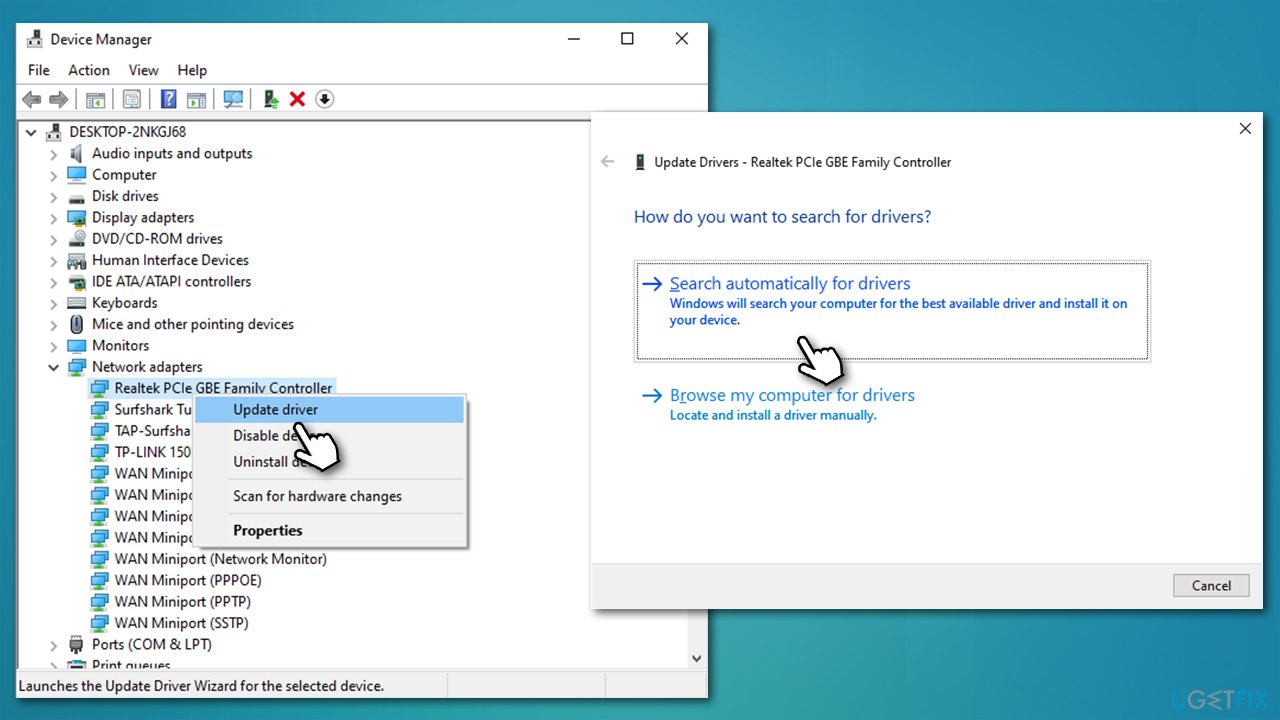
How to easily update all drivers in windows and why is it important use device manager - Wait till the drivers are found and installed on your system
- Restart your PC.
Device Manager is not always an optimal solution to get the newest drivers, especially when it comes to GPUs. It often fails to find the most recent drivers, so we recommend checking more solutions below.
Option 2. Install latest drivers with Windows updates
Only compatible drivers are going to be selected for your particular device, hence using Windows Update usually prevents software conflicts. To make sure that the drivers are installed, you need to select all the optional updates via the Settings:
- Right-click on Start and pick Settings
- Go to the Update & Security section
- Click Check for updates
- You might see the View optional updates option - click it
- Select everything you want and then pick Download and install
- Alternatively, the optional updates might already be "hanging" there, and all you have to do is click the Download and install button
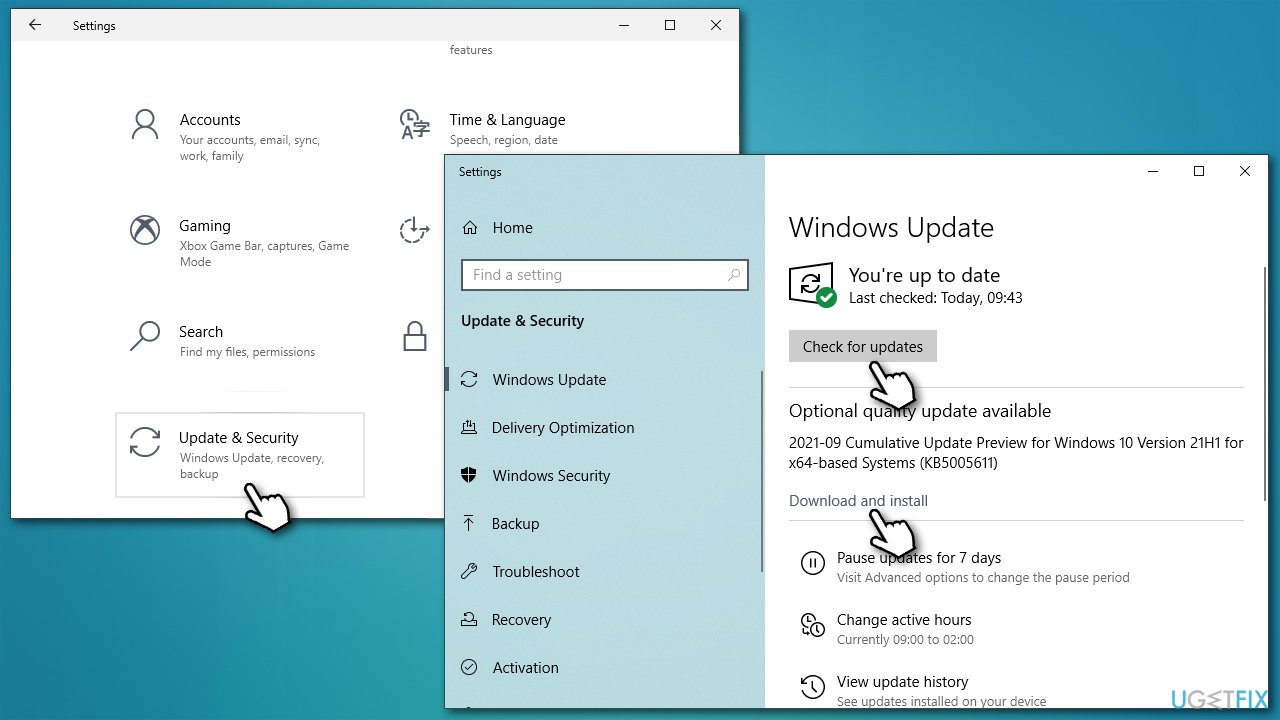
How to easily update all drivers in windows and why is it important sue windows update - Once everything is installed, restart your system.
Option 3. Use an automatic driver updater
Downloading drivers via the Windows update feature can help you avoid driver conflicts. However, it usually takes time before the manufacturers cooperate with Microsoft and implement the newest drivers there. If you would like to automatically receive the latest drivers as quickly as possible, you should employ an automatic driver updater such as [rev id= "DriverFix"].
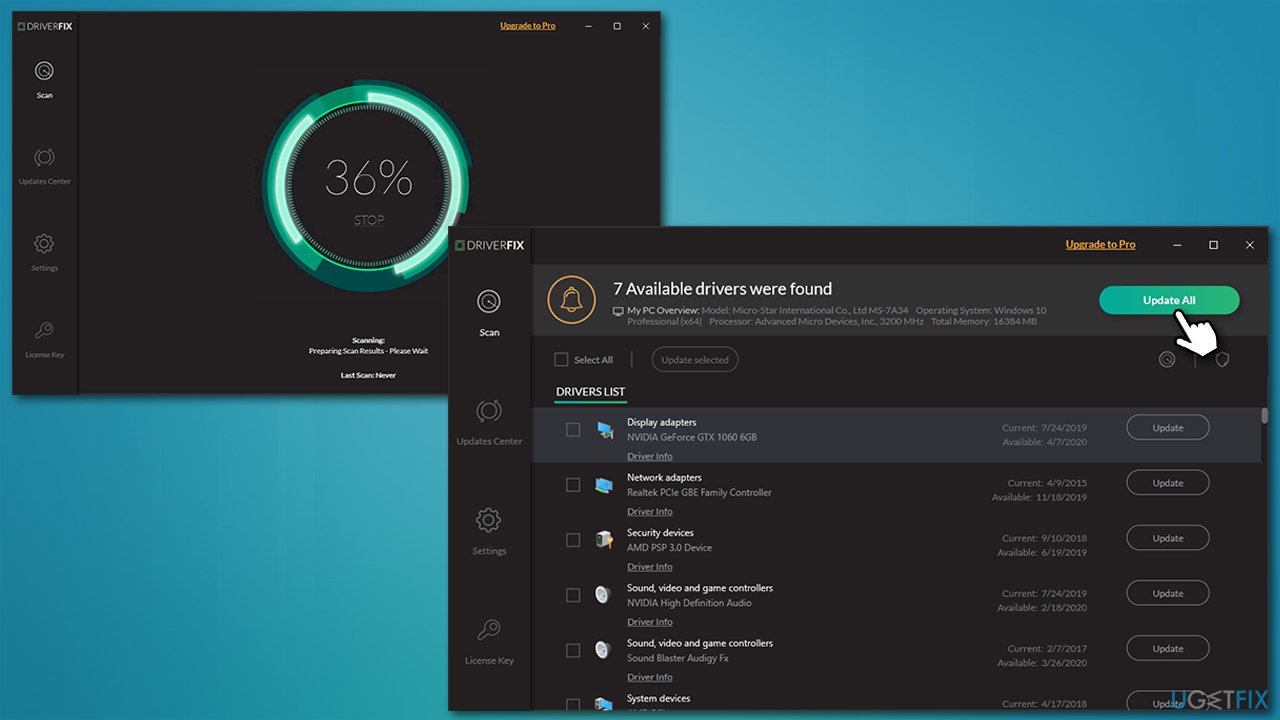
Using an automatic tool has plenty of benefits. All your drivers can be updated at once, and you won't have to bother with doing it manually one by one. Also, driver updater software offers plenty of additional features, such as driver backups in case something goes wrong.
DriverFix uses a database of more than 18 million drivers, which is constantly being updated. They are all verified and legitimate, so you do not have to worry about the driver integrity or errors related to incorrectly installed drivers.
Option 4. Download drivers from the hardware manufacturer's website
Finally, you can also opt to install drivers from the original manufacturer's website. This option is a good one when it comes to driver integrity and availability right upon driver release, although it is quite inconvenient and might be confusing. In order to use this method, you will have to know the make and model of the hardware component you want to install the drivers for, which can be another difficult step for some people.
Here are the most commonly-used device manufacturer support websites you can use:
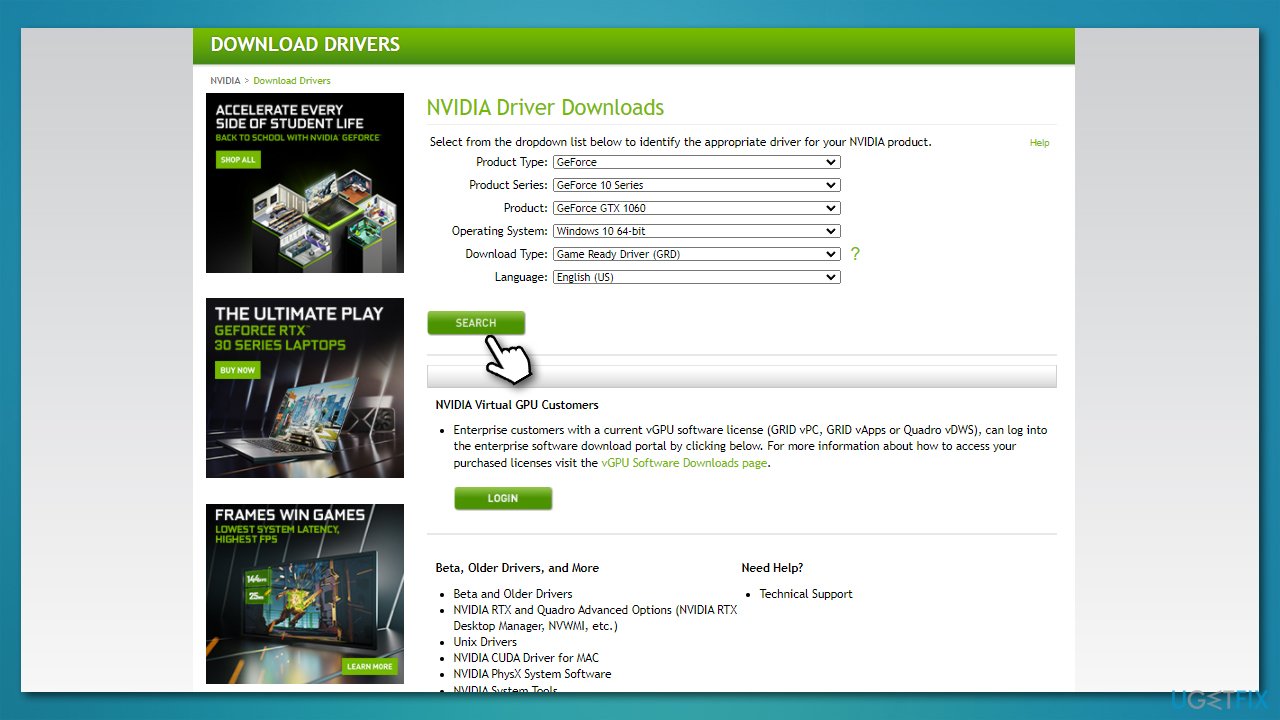
Also, if you are using a laptop, you can refer to the websites of Lenovo, Asus, Toshiba, Dell, or HP.
Check if the update was successful
After the update is finished and you have restarted your device, you can check whether the upgrade was successful. Here's how to do that via the Device Manager:
- Open the Device Manager
- Expand the adequate section
- Right-click on the device driver and select Properties
- Go to the Driver tab
- In here, you should see the driver date and the version that has been installed recently.
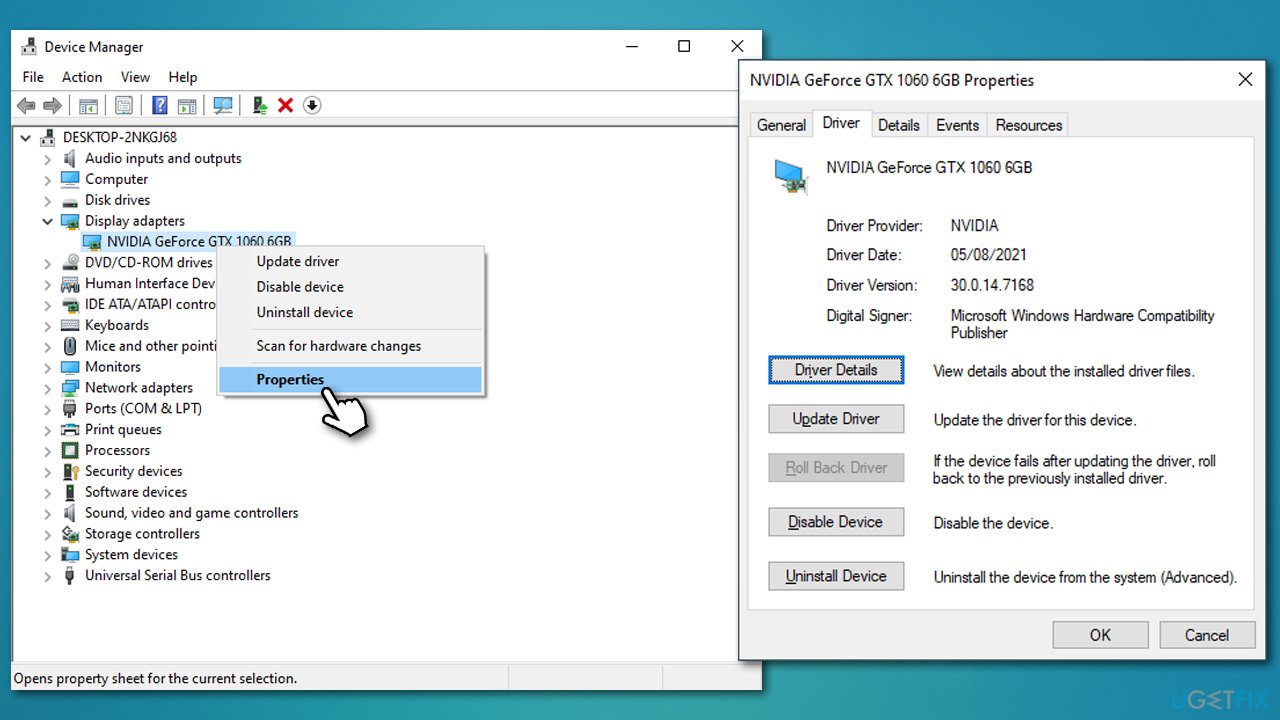
How to easily update all drivers in windows and why is it important check for the installed driver
Similar topics you might be interested in:
Bottom line
To resolve driver-related issues, ensure that all drivers are updated to their latest versions. Running a scan with a reliable tool can help identify outdated or incompatible drivers. If these steps do not resolve the problems, further troubleshooting may be necessary.
Frequently asked questions
Updating drivers is crucial as it ensures your hardware works efficiently and can resolve compatibility issues, bugs, and performance problems. This can help prevent errors and broken features in your Windows operating system.
You can check for driver updates by going to Device Manager, right-clicking on the device, and selecting 'Update driver.' Additionally, you can use Windows Update to search for available driver updates.
You can use third-party software like Driver Booster or Snappy Driver Installer to automatically update all drivers at once on Windows 10 and Windows 11. These tools simplify the process and ensure you have the latest versions installed.




Report an issue
What's wrong with this guide? We review every report and update or remove content.
Report received — thank you. We'll review and fix it.
You need a free account to submit a report.
Be the first to comment